Last Updated on July 27, 2026 by Daniel Globe
Ireland’s climate is often described as temperate maritime, characterized by mild temperatures, abundant rainfall, and a lack of extreme weather conditions. The island’s geographical position in the North Atlantic Ocean plays a significant role in shaping its weather patterns. The Gulf Stream (North Atlantic Drift), a warm ocean current, moderates the climate, preventing it from experiencing the harsh winters typical of other continental regions at similar northern latitudes. As a result, temperatures rarely drop below freezing in winter or rise excessively in summer. Average temperatures range from about 5°C (41°F) in January to 15°C (59°F) in July, making it a year-round destination for travelers. Rainfall is a defining feature of Ireland’s climate, with the western coast receiving significantly more precipitation than the east. The lush green landscapes that Ireland is famous for are a direct result of this abundant rainfall. While rain can occur at any time—often in the form of light showers that quickly pass to reveal sunny spells—understanding seasonal trends helps you choose the perfect window for your trip.
Quick Answer
The best time to visit Ireland is during the shoulder months of May to June and September to October. These periods deliver mild temperatures (11°C to 16°C), manageable rainfall, up to 16 hours of daylight, and far smaller crowds than peak summer, offering the ideal balance of outdoor conditions and travel value.
Key Takeaways
- Temperate Maritime Climate: Mild winters and cool summers dominate; extreme freezing or severe heatwaves are rare due to Atlantic ocean currents.
- Peak Season (June–August): Warmest weather (15°C–20°C) and longest daylight hours (up to 18 hours), but brings maximum tour booking competition and high lodging prices.
- Shoulder Season (April–May & September–October): Sweet spot for travel offering lower accommodation rates, spring wildflowers or autumn foliage, and reduced crowd density.
- Off-Peak Season (November–March): Budget-friendly flights, quiet attractions, and authentic pub culture, though daylight shrinks to ~7.5 hours with frequent winter rain.
- Essential Preparation: Unpredictable daily weather demands smart layering, high-quality rain gear, and sturdy waterproof footwear year-round.
Disclosure: As an Amazon Associate I earn from qualifying purchases. Some links on this page are affiliate links, at no extra cost to you.
Peak Tourist Season (June to August)
The peak tourist season in Ireland generally spans from June to August, coinciding with the warmest months of the year. During this time, visitors flock to the Emerald Isle to take advantage of longer daylight hours—reaching up to 18 hours in late June—and milder weather. The average daily temperature during these months hovers around 15°C to 20°C (59°F to 68°F), making it ideal for outdoor exploration, coastal hikes, and sightseeing.
Popular attractions such as the Cliffs of Moher, the Ring of Kerry, and Dublin’s historic sites see a significant influx of tourists, leading to bustling streets and crowded landmarks. Accommodations during peak season can be challenging to secure, as hotels, B&Bs, and rental cars often book up months in advance. Prices tend to rise sharply during this period, reflecting high demand across the tourism sector.
Travelers looking to experience Ireland’s vibrant culture should plan well ahead. Numerous major festivals take place during the summer months, including the Galway International Arts Festival and the Dublin Horse Show, further enhancing the appeal of visiting during peak season.
Shoulder Season (April–May & September–October)
Often overlooked, the shoulder season represents one of the best times to travel to Ireland. In spring (April and May), the countryside wakes up with blooming gorse, spring wildflowers, and newborn lambs scattered across emerald fields. Daily high temperatures average 11°C to 15°C (52°F to 59°F), and rainfall levels are statistically lower than in late autumn or winter.
Autumn (September and October) brings vibrant foliage to national parks like Killarney and Wicklow Mountains. Sea temperatures remain at their annual peak after summer heating, making early autumn ideal for coastal watersports along the Wild Atlantic Way. Visiting during shoulder season offers significant benefits: flights and lodging prices drop noticeably compared to summer peaks, major tourist hubs are far less crowded, and popular driving routes remain clear and enjoyable.
Pro Tip: May and September are prime months for wildlife enthusiasts. May brings returning seabird colonies—including puffins—to the Skellig Islands and Rathlin Island, while September offers excellent whale watching off the West Cork coast.
Off-Peak Season (November to March)

Conversely, the off-peak season in Ireland runs from November to March, when overall tourist numbers drop significantly. This period is marked by cooler temperatures and increased rainfall, but it also offers a serene experience for travelers seeking solitude and local charm. Average daily temperatures range from 4°C to 10°C (39°F to 50°F). While rain and overcast skies are common, crisp sunny days frequently emerge to reveal dramatic, mist-shrouded landscapes.
Visiting during the off-peak season is exceptionally advantageous for budget-conscious travelers. Accommodation prices drop considerably, flights are economical, and many top attractions offer discounted winter entry rates. Furthermore, visitors can enjoy authentic interactions with locals in cozy traditional pubs featuring roaring turf fires and live traditional music sessions.
Keep in mind that daylight hours shrink significantly in mid-winter—sunset occurs as early as 4:00 PM in December. Additionally, some seasonal rural attractions, castle tours, and boat ferries operate on reduced hours or close until Easter, so checking schedules in advance is recommended.
Month-by-Month Ireland Climate & Travel Reference
To help you choose the ideal time for your trip, the table below outlines average temperatures, rainfall days, and daylight hours across the country throughout the year:
| Month | Avg High / Low (°C) | Avg High / Low (°F) | Rainy Days (>1mm) | Daylight Hours |
|---|---|---|---|---|
| January | 8°C / 3°C | 46°F / 37°F | 17 days | ~8 hours |
| February | 8°C / 3°C | 46°F / 37°F | 13 days | ~9.5 hours |
| March | 10°C / 4°C | 50°F / 39°F | 14 days | ~11.5 hours |
| April | 12°C / 5°C | 54°F / 41°F | 11 days | ~13.5 hours |
| May | 15°C / 7°C | 59°F / 45°F | 11 days | ~15.5 hours |
| June | 18°C / 10°C | 64°F / 50°F | 10 days | ~17 hours |
| July | 19°C / 12°C | 66°F / 54°F | 12 days | ~16.5 hours |
| August | 19°C / 12°C | 66°F / 54°F | 13 days | ~14.5 hours |
| September | 17°C / 10°C | 63°F / 50°F | 11 days | ~12.5 hours |
| October | 13°C / 8°C | 55°F / 46°F | 15 days | ~10.5 hours |
| November | 10°C / 5°C | 50°F / 41°F | 16 days | ~8.5 hours |
| December | 8°C / 3°C | 46°F / 37°F | 16 days | ~7.5 hours |
Weather Considerations & Regional Microclimates
When planning a trip to Ireland, understanding regional climate nuances is key to planning smooth itineraries. The country’s weather is notoriously changeable; experiencing “four seasons in a single day” is a genuine reality due to fast-moving Atlantic air masses.
Regional variations play a notable role: the western coast (Counties Kerry, Clare, Galway, and Donegal) bears the full impact of Atlantic weather systems, receiving upwards of 1,000 mm to 1,400 mm of annual rainfall. Conversely, the east coast (including Dublin and Wexford) benefits from a rain-shadow effect created by inland mountain ranges, receiving nearly half that amount (~750 mm annually).
| Weather Factor | Travel Impact & Planning Tips |
|---|---|
| Temperature | Moderate year-round; dictates breathable base layers rather than extreme heavy parkas. |
| Precipitation | Showers are frequent but brief; windproof rain jackets are far more practical than umbrellas. |
| Wind Speed | Brisk coastal winds increase wind chill; impacts coastal cliff paths and ferry crossings. |
| Humidity | High ambient humidity makes cold temperatures feel sharper and damp air cool down quickly. |
“There’s no such thing as bad weather in Ireland, only inappropriate clothing.” — Local Irish Travel Proverb
Events and Festivals
Ireland’s rich cultural heritage is celebrated through world-renowned festivals throughout the year. Participating in these gatherings allows travelers to connect directly with local traditions, traditional music, and contemporary culinary arts:
- St. Patrick’s Festival (March 17): The nation’s signature celebration. Dublin hosts a massive multiday festival featuring vibrant parades, street theatre, and traditional music concerts.
- Galway International Arts Festival (July): One of Europe’s premier arts gatherings, transforming Galway City into a canvas for theatre, visual arts, music, and outdoor spectacles.
- Dublin Horse Show (August): A historic summer staple highlighting elite international equestrian jumping, fashion, and social gatherings.
- Dingle Food Festival (October): Held in County Kerry, this festival celebrates local artisan producers, seafood, and culinary crafts through tasting trails and workshops.
Outdoor Activities

Exploring Ireland’s Rugged Coastline
The country’s dramatic coastlines feature world-class trekking opportunities along established trails like the Wild Atlantic Way and within protected areas such as Killarney National Park, Connemara National Park, and the Wicklow Mountains. Hikers enjoy spectacular views of mountain passes, glacial lakes, and sheer Atlantic sea cliffs.
Water Sports and Coastal Excursions
Ireland’s exposed ocean coast is world-famous for watersports. Bundoran in County Donegal and Lahinch in County Clare are internationally recognized surfing capitals offering consistent Atlantic swell. Coastal kayaking along tranquil sea Loughs or exploring hidden sea caves provides unique vantage points to appreciate marine ecosystems.
Wildlife and Birdwatching
Birdwatching is particularly rewarding from spring through early autumn. UNESCO heritage sites such as the Skellig Islands and the Cliffs of Moher host tens of thousands of nesting seabirds, including Atlantic puffins, razorbills, and guillemots.
Budget Considerations
Traveling to Ireland can easily be customized across all budget levels with smart planning strategies:
- Accommodations: Peak summer rates in Dublin and Killarney can be high. Choosing boutique guesthouses, rural B&Bs, or staying in secondary towns along public transport lines yields substantial savings.
- Dining: Traditional pubs offer generous, high-quality meals (such as Irish stew, seafood chowder, and soda bread) at reasonable prices compared to fine-dining venues. Local food markets and grocery delis provide affordable lunch stops.
- Transportation: Irish Rail (Iarnród Éireann) and Express Coach lines (Bus Éireann, Citylink) connect major cities efficiently. For exploring remote western peninsulas, booking rental cars well in advance during shoulder season offers optimal pricing.
Packing Tips & Essential Gear
Packing intelligently ensures comfort regardless of daily weather shifts. The master rule for Irish travel is flexible layering:
- Base & Middle Layers: Lightweight, moisture-wicking shirts combined with warm fleece or merino wool sweaters allow quick adjustments as conditions change.
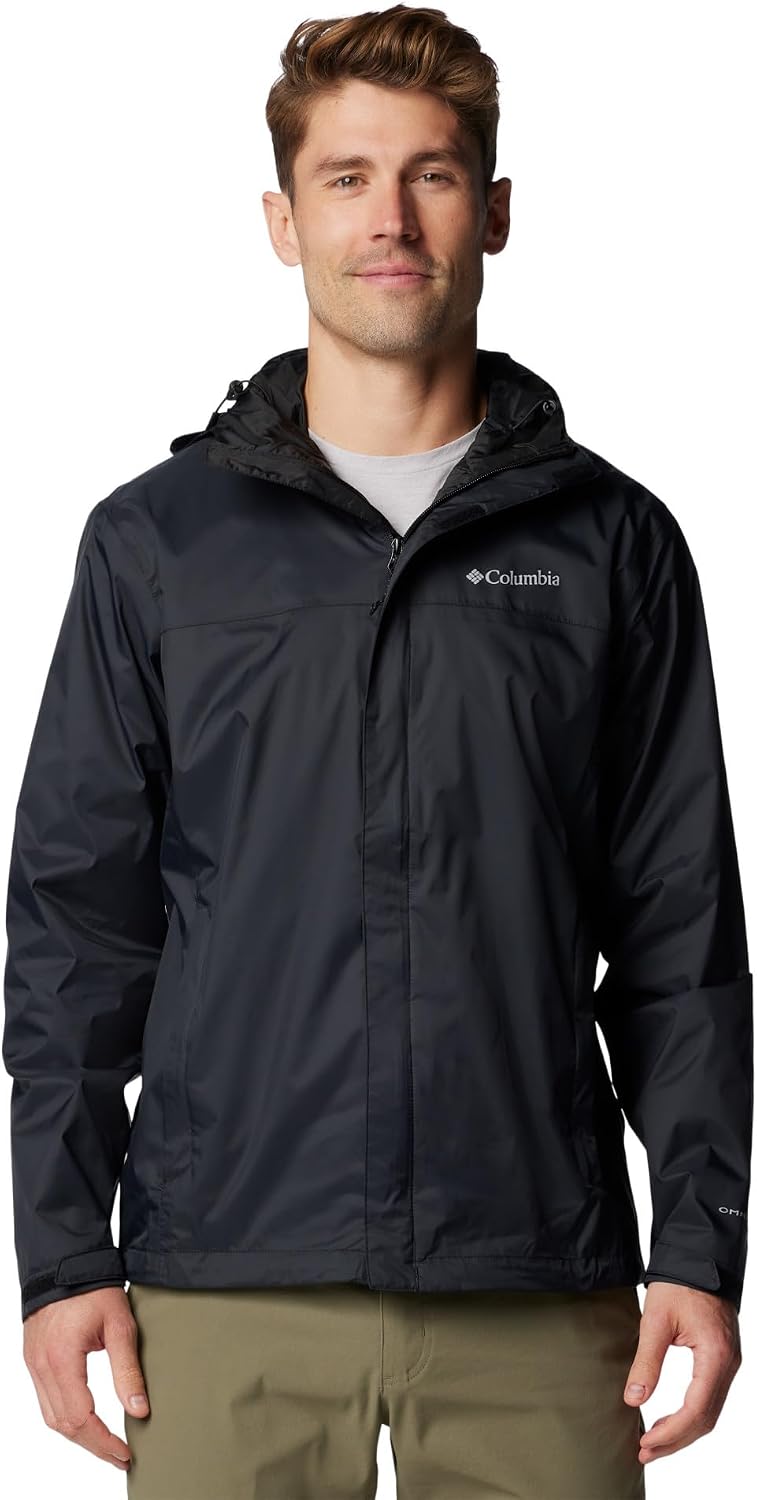
- Outer Rain Protection: A high-quality, breathable, windproof, and waterproof rain jacket is non-negotiable.
- Footwear: Waterproof walking shoes or sturdy boots with good tread are vital for navigating muddy trails and wet cobblestones.
- Electrical Adapters: Ireland uses standard Type G three-pin electrical outlets (230V, 50Hz). Bring a compatible adapter for all devices.
Warning: Rural roads along coastal peninsulas can be very narrow with tight bends and unexpected livestock. If renting a car, choose a compact vehicle and ensure your insurance covers tire and glass protection.
For more detailed destination insights and travel guides, check out additional resources on taketravelinfo.com. If you plan to explore Ireland’s rugged landscapes on foot, ensure you have the proper gear by reading our recommendations on the best hiking backpack for multi-day trek. Additionally, golfers planning a spring trip can protect their gear with our guide to the 5 best hard case golf travel bags for spring 2025.
Frequently Asked Questions
What is the best time to travel to Ireland for good weather?
The best time for optimal weather is during late spring through summer (May to August). May and June generally record the highest sunshine hours and relatively lower rainfall, while July and August deliver the warmest daily temperatures (15°C to 20°C).
What is the weather like in Ireland during the summer?
Summer weather in Ireland is mild and pleasant, with daily averages hovering between 15°C and 20°C (59°F–68°F). Highs occasionally reach 23°C (73°F) during warm spells. Daylight extends up to 18 hours in late June, though passing light rain showers remain possible.
When is the peak tourist season in Ireland?
Peak tourist season occurs from June through August. During these summer months, major landmarks, coastal tours, and accommodations operate at maximum capacity, resulting in higher prices and bustling attractions.
What is the weather like in Ireland during the winter?
Winter (November to February) is cool, wet, and overcast, with average temperatures between 4°C and 8°C (39°F–46°F). Freezing conditions and snow are infrequent near the coast but occur occasionally inland and on high ground. Daylight is restricted to about 7.5 to 8 hours daily.
Are there any specific events or festivals that are worth visiting in Ireland during certain times of the year?
Yes! Key highlights include St. Patrick’s Festival in March (nationwide/Dublin), the Galway International Arts Festival in July, the Dublin Horse Show in August, and the Dingle Food Festival in October. Early booking is essential for festival dates.
Sources
- Met Éireann (National Meteorological Service) — Historical climate data, rainfall averages, and seasonal forecast models.
- Tourism Ireland Official Portal — Official tourist season statistics and regional travel guidelines.
- Fáilte Ireland (National Tourism Development Authority) — Destination management and festival calendar data.
- World Meteorological Organization (WMO) — Global climate norms and North Atlantic sea temperature data.