

Last Updated on August 26, 2026 by Daniel Globe
The best time to travel to Ireland depends on what matters most to you: long daylight, mild weather, fewer crowds, festivals, or a quieter trip. Ireland’s Atlantic climate stays relatively mild throughout the year, but the experience changes noticeably by season. For many first-time visitors, late spring, early summer, and early autumn offer the most useful balance.
Quick Answer
For most travelers, late May through June and September are among the best times to visit Ireland. They combine mild weather, useful daylight, open attractions, and generally less peak-season pressure than July and August. Choose July or August for maximum summer atmosphere, or winter for quieter city breaks and festive experiences.
Key Takeaways
- Best overall balance: Late May, June, and September suit many first-time visitors.
- Warmest season: June through August is Ireland’s meteorological summer and offers the longest days.
- Fewer crowds: Spring and autumn can be easier for popular scenic routes and major attractions than peak summer.
- Budget-minded trips: Late autumn and winter can be quieter, although daylight is shorter and some seasonal businesses reduce hours.
- Weather rule: Rain, wind, sunshine, and cloud can all appear on the same trip, so build flexibility into outdoor plans.
Disclosure: As an Amazon Associate I earn from qualifying purchases. Some links on this page are affiliate links, at no extra cost to you.
Best Time to Travel to Ireland at a Glance
Ireland has a mild maritime climate strongly influenced by the Atlantic Ocean. According to Met Éireann, summers are generally mild while winters tend to be cool and windy. Its 1991–2020 national climate averages place Ireland’s mean temperature at about 8.8°C (47.8°F) in spring, 14.6°C (58.3°F) in summer, 10.3°C (50.5°F) in autumn, and 5.4°C (41.7°F) in winter.
| Period | Best For | Main Trade-Off |
|---|---|---|
| March–April | Spring scenery, city trips, lighter crowds outside major holidays | Cooler and changeable weather |
| May–June | Best all-round balance, road trips, hiking, long sightseeing days | Demand builds as summer approaches |
| July–August | Warmest season, family holidays, festivals, maximum summer atmosphere | Peak crowds and stronger accommodation demand |
| September | Shoulder-season road trips, culture, hiking, fewer summer crowds | Daylight starts shortening more quickly |
| October–February | City breaks, pubs, museums, seasonal atmosphere, quieter sightseeing | Shorter days and less dependable conditions for long rural itineraries |
Ireland’s warmest months are not automatically the best months for every traveler. Daylight, crowd levels, event dates, driving plans, and your tolerance for changing weather can matter just as much as temperature.
Spring: Green Landscapes and Longer Days
Spring in Ireland runs from March through May for meteorological purposes. Temperatures gradually rise, daylight increases, gardens and hedgerows become more colorful, and rural sightseeing becomes increasingly practical as the season progresses.
Met Éireann notes that February through June are generally the months with the least rainfall in Ireland’s broad annual pattern, although the country’s weather varies considerably by region and from year to year. That makes late spring particularly appealing for travelers who want outdoor sightseeing without waiting for peak summer.
March
March brings longer days and one of Ireland’s biggest cultural celebrations. St Patrick’s Day on March 17 creates a lively atmosphere throughout the country, while Dublin hosts a multi-day St Patrick’s Festival. If the festival is your reason for traveling, reserve accommodation well ahead because demand around the celebration can be very different from the rest of March.
April
April is useful for travelers who prefer spring scenery and moderate visitor levels. Conditions can still change quickly, but the longer days make walking tours, castle visits, gardens, and scenic drives easier to combine in one itinerary. Easter dates change each year, so check holiday opening hours when planning an April trip.
May
May is one of the strongest all-round choices for Ireland. Daylight is long, landscapes are green, and most major visitor attractions are operating on their main-season schedules. It is especially suitable for road trips through County Kerry, Connemara, the Wild Atlantic Way, and Ireland’s Ancient East.
Pro Tip: If your schedule is flexible, compare late-May and early-June dates. You can get very long sightseeing days while avoiding some of the concentrated July–August holiday demand.
Summer: Long Days and a Lively Atmosphere
June, July, and August form Ireland’s meteorological summer. It is the country’s warmest season on average, but “warm” in Ireland usually means comfortable rather than consistently hot. The Tourism Ireland weather guide shows that even summer months still include regular rainy days.
Summer’s biggest practical advantage is daylight. Around the June solstice, evenings remain light for many hours, making it easier to combine scenic drives, outdoor attractions, walks, and town visits without rushing.
Coastal Getaways
Summer works especially well for the west and southwest coasts. The Wild Atlantic Way, Dingle Peninsula, Ring of Kerry, County Clare, Donegal, and Connemara all benefit from the extra daylight. Coastal weather can still be windy, cool, or wet, so a light waterproof layer remains useful even when the forecast looks promising.
Nature’s Wonders
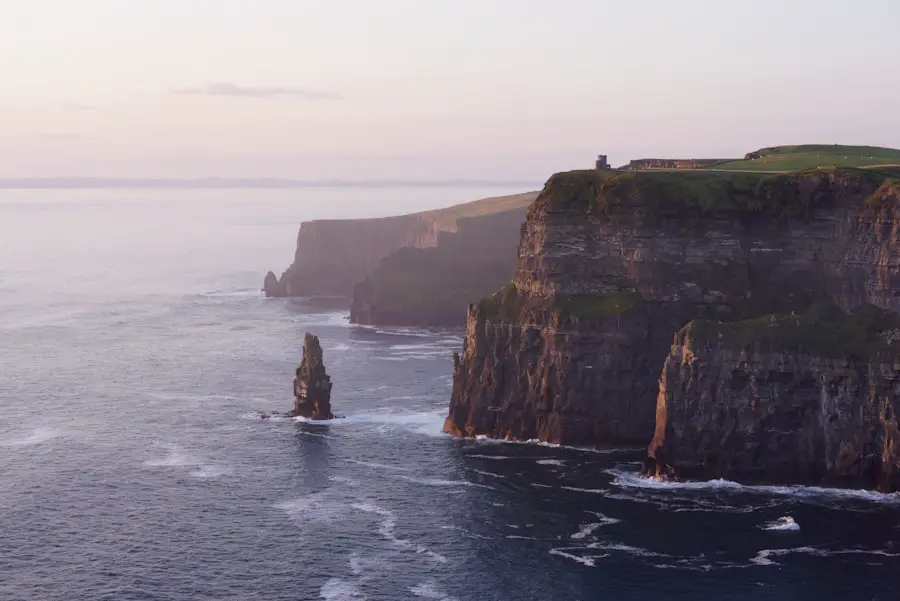
Long days make summer convenient for places such as Killarney National Park, the Burren, Wicklow Mountains, Connemara National Park, and the Cliffs of Moher. Walkers can start earlier or finish later, but weather and trail conditions should still guide outdoor plans.
Festivals and Celebrations
Ireland’s summer calendar is busy. Cork hosts the Cork Midsummer Festival in June, while the Galway International Arts Festival brings theatre, music, visual arts, talks, and performances to Galway in July. Exact dates change from year to year, so use the official festival sites before booking flights or hotels.
The main disadvantage of summer is demand. Famous stops, popular towns, rental cars, and well-located accommodation can become harder to secure, particularly in July and August. Travelers tied to school-holiday dates should book their key accommodation first and build the route around confirmed stays.
Autumn: Color, Culture, and Quieter Roads
Autumn covers September through November. September is particularly attractive because it follows the busiest part of summer while still offering useful daylight and relatively mild conditions. It is a strong choice for road trips, hiking, photography, food-focused travel, and travelers who prefer a calmer pace.
As autumn progresses, daylight shortens and Atlantic weather becomes more influential. Met Éireann notes that active weather systems can become more frequent from late summer into autumn, so October and November itineraries benefit from flexible outdoor plans.
September also has its own cultural appeal. The Lisdoonvarna Matchmaking Festival takes place in County Clare during September, combining music, dancing, social events, and a matchmaking tradition that has been associated with the town for generations.
October brings stronger autumn color, cooler temperatures, Halloween and Samhain traditions, and a cozier atmosphere in towns and cities. November is quieter again and better suited to travelers who prioritize museums, restaurants, historic interiors, and city experiences over long outdoor days.
Winter: Cozy Escapes and Festive Travel
Winter in Ireland runs from December through February. It is the coldest season, but Ireland’s oceanic climate means prolonged deep freezes are less characteristic than cool, wet, windy conditions. Snow can occur, particularly on higher ground or during cold spells, but Met Éireann describes Irish snowfall as irregular and often short-lived.
| Base | Winter Character | Good For |
|---|---|---|
| Dublin | Urban, festive, easy to mix indoor and outdoor sights | Museums, historic sites, restaurants, pubs, theatre |
| Galway | Atmospheric west-coast city with easy indoor fallbacks | Food, music, culture, short weather-dependent excursions |
| Killarney | Quiet base near major landscapes | Town stays and national-park sightseeing on suitable weather days |
Winter can work very well for a shorter city-focused holiday. Dublin, Cork, Galway, Belfast, and other urban destinations offer museums, pubs, restaurants, shopping, music, and cultural attractions that do not depend on long daylight hours.
For a rural road trip, however, the short days matter. Around the winter solstice, daylight is dramatically shorter than in June. Plan fewer miles per day, avoid assuming you can fit several distant scenic stops into one afternoon, and check seasonal opening schedules before traveling.
Month-by-Month Ireland Travel Guide
| Month | What to Expect | Best For |
|---|---|---|
| January | Cold, short days, quiet tourism period | City breaks and low-crowd travel |
| February | Cool, changeable, daylight slowly improving | Cities, culture, quiet itineraries |
| March | Spring begins; major demand around St Patrick’s Day | Festivals and culture |
| April | Longer days, spring growth, variable weather | Gardens, sightseeing, walking |
| May | Mild spring conditions and long daylight | One of the best all-round months |
| June | Very long days and summer conditions | Road trips, hiking, first-time visits |
| July | Warmest-season weather and high visitor demand | Families, festivals, outdoor sightseeing |
| August | Lively summer travel period with substantial demand | Festivals and summer holidays |
| September | Mild early-autumn conditions with reduced summer pressure | Road trips, hiking, culture, shoulder-season travel |
| October | Cooler, shorter days and autumn color | Photography, Halloween traditions, city-and-country trips |
| November | Quieter, darker and increasingly wintry | Museums, food, pubs, city breaks |
| December | Short days and festive city atmosphere | Christmas trips and indoor culture |
Off-Peak Travel: Avoiding the Crowds
Traveling outside the busiest summer period can make Ireland feel more relaxed. Shoulder-season dates in spring and autumn often give travelers more flexibility at popular stops, especially when visiting midweek or arriving earlier in the day.
Late spring is particularly useful because daylight is already generous. September offers a different advantage: the main school-holiday season has passed, but the weather can still be suitable for touring. By November, January, and February, visitor numbers can feel much lower, although the trade-off is shorter daylight and more limited seasonal schedules.
Off-peak does not guarantee cheap accommodation. Dublin concerts, rugby fixtures, holidays, festivals, conferences, and local events can create high demand at any time of year. Always compare your actual dates rather than assuming an entire month will be inexpensive.
Peak Travel: Embracing the Lively Atmosphere
July and August are popular for good reasons: temperatures are typically among the mildest of the year, evenings remain long, attractions operate on summer schedules, and the festival calendar is active. For families restricted by school holidays, peak season can be the most practical choice.
The compromise is greater demand. Popular locations such as Dublin, Galway, Killarney, Dingle, the Ring of Kerry, and the Cliffs of Moher can feel much busier than in shoulder season. Accommodation choices also narrow as dates approach.
If summer is your preferred season, build the trip around the places where availability matters most. Reserve key hotels, rental cars, and ticketed attractions first; leave weather-sensitive viewpoints and walks flexible where possible.
Weather Considerations: Planning for Rain, Wind, and Sunshine
Ireland’s weather is changeable because of its Atlantic location. A forecast showing rain does not necessarily mean an entire day will be lost, and a sunny morning does not guarantee a dry afternoon. Layering is more useful than packing only for one expected condition.
Bring a waterproof outer layer, comfortable shoes with useful grip, and clothing that can handle wind. On a road trip, keep at least one indoor alternative for days when coastal viewpoints, boat trips, mountain walks, or exposed trails are uncomfortable.
Warning: Exposed cliffs, mountain routes, and Atlantic coastal areas can become hazardous in strong wind, poor visibility, or severe weather. Follow local barriers and closures, check the current forecast, and change plans when conditions are unsuitable.
Regional differences also matter. Ireland’s west is more directly exposed to Atlantic systems, while conditions elsewhere can differ on the same day. Instead of trying to identify a completely rain-free month, plan a trip that still works when one or two outdoor activities need to move.
Special Events and Festivals: Adding Excitement to Your Trip
Festivals can be a reason to choose one month over another. They can also increase local demand, so check dates before booking.
- March: St Patrick’s Festival brings parades, performances, music, and celebrations to Dublin around March 17.
- June: Cork Midsummer Festival presents theatre, music, dance, visual arts, and performances across Cork.
- July: Galway International Arts Festival is one of the major summer arts events in Ireland.
- September: Lisdoonvarna Matchmaking Festival fills the County Clare town with music, dancing, social events, and matchmaking traditions.
Note: Festival dates and programs change each year. Verify the current schedule on the official event website before buying non-refundable travel.
Best Time to Visit Ireland by Trip Type
Best for a First Trip
Late May, June, or September are strong choices because they provide a useful combination of daylight, mild conditions, scenery, and access to major attractions.
Best for a Road Trip
May through September gives you the most practical daylight for routes such as the Wild Atlantic Way, Ring of Kerry, Dingle Peninsula, Connemara, and Ireland’s Ancient East. June is especially useful if maximizing daylight is a priority.
Best for Hiking and Outdoor Activities
May, June, and September are attractive for walking because temperatures are generally moderate. Always check the actual forecast and trail conditions rather than choosing a route solely from the calendar.
Best for Families
June through August works well for families who need school-holiday dates and want long sightseeing days. Book popular accommodation early if traveling in July or August.
Best for Fewer Crowds
April, May, September, and October can provide a calmer experience than peak summer, although Easter, major events, and weekends can temporarily increase demand.
Best for City Breaks
Ireland’s cities can work year-round. Dublin, Cork, Galway, and Belfast have enough indoor attractions to make autumn and winter practical even when weather limits outdoor sightseeing.
Best for Festivals
March through September contains many of the best-known large events, from St Patrick’s celebrations to summer arts festivals and September’s Lisdoonvarna festivities.
How Far Ahead Should You Plan?
There is no single booking deadline because demand depends on your route and dates. Peak summer, major festival periods, bank-holiday weekends, and highly popular rural towns need the most advance planning.
For July and August, secure hard-to-replace items first, such as accommodation in small towns and any rental car required for your itinerary. In shoulder season, you may have more flexibility, but do not assume places such as Dingle, Killarney, Galway, or central Dublin will always have last-minute availability.
For outdoor attractions, balance advance planning with weather flexibility. Where tickets are not scarce, it can be useful to leave some scenic stops movable so you can take advantage of the best conditions during the trip.
Ireland and Northern Ireland: One Important Planning Detail
The island of Ireland contains both the Republic of Ireland and Northern Ireland. Many travelers combine the two in one trip, but they are different jurisdictions. The Giant’s Causeway, for example, is in Northern Ireland, while the Cliffs of Moher and Ring of Kerry are in the Republic of Ireland.
If your itinerary crosses the border, check the current requirements that apply to your nationality, rental-car agreement, travel insurance, and payment methods before departure. Seasonal weather patterns are broadly similar across the island, so the same daylight and weather-planning principles still apply.
More Travel Planning Resources
For more information about the site and its travel coverage, visit TakeTravelInfo. Families traveling with young children can also review the 5 Best Double Travel Strollers for Spring Adventures 2025, while travelers comparing cabin-bag options can see the guide to best carry-on luggage for international travel.
Conclusion
There is no single perfect month for every Ireland trip. For most first-time visitors, late May through June and September provide an excellent balance of mild conditions, daylight, outdoor access, and manageable visitor levels. July and August are better for travelers who value the fullest summer atmosphere and can accept heavier demand.
Spring suits green scenery and improving daylight, autumn offers culture and a quieter pace, and winter can be rewarding for city breaks and festive travel. Whichever season you choose, the most useful strategy is to expect changeable weather, allow flexibility in outdoor plans, and verify opening hours and festival dates before departure.
Frequently Asked Questions
What is the best time to travel to Ireland?
For many travelers, late May through June and September provide the best balance of mild weather, useful daylight, open attractions, and less peak-season pressure than July and August. The best month still depends on whether you prioritize weather, festivals, price, outdoor activities, or fewer crowds.
What is the weather like in Ireland during the summer?
Irish summers are generally mild rather than consistently hot. June through August is the warmest season, but rain and cool spells remain possible. Bring layers and a waterproof outer layer even when traveling in July or August.
Are there festivals worth planning an Ireland trip around?
Yes. Major examples include St Patrick’s Festival around March 17, Cork Midsummer Festival in June, Galway International Arts Festival in July, and the Lisdoonvarna Matchmaking Festival in September. Confirm exact dates with the official organizer because schedules change each year.
What are the pros and cons of visiting Ireland in summer?
Summer provides Ireland’s warmest average conditions, very long days, a busy festival calendar, and convenient hours at many attractions. The main disadvantages are stronger demand, larger crowds at famous sites, and less flexibility when booking popular accommodation.
What activities are especially good in summer?
Summer’s long daylight is excellent for scenic drives, hiking, cycling, coastal sightseeing, gardens, islands, and outdoor attractions. Places such as the Cliffs of Moher and Ring of Kerry are easier to fit into longer touring days. The Giant’s Causeway can also be included on a Northern Ireland extension.
Is September a good month to visit Ireland?
Yes. September is one of the strongest shoulder-season options. Conditions are usually milder than later autumn, summer holiday demand begins to ease, and there is still enough daylight for road trips and outdoor sightseeing. Weather remains changeable, so flexible plans are useful.
Is winter a bad time to visit Ireland?
Not necessarily. Winter is less suitable for travelers who want long rural sightseeing days, but it can be excellent for Dublin, Galway, Cork, Belfast, museums, pubs, restaurants, music, and seasonal atmosphere. Plan shorter driving days and check attraction hours.
Which month has the best weather in Ireland?
No month guarantees dry or sunny weather. June, July, and August form the warmest season, while late spring can also provide favorable conditions and long daylight. Instead of choosing solely by rainfall, select dates that fit your preferred crowd level, daylight, and activities.
Sources
- Met Éireann — Climate of Ireland — Irish climate, seasons, rainfall patterns, snowfall, and Atlantic influence.
- Tourism Ireland — Ireland’s Weather — practical monthly weather information for travelers.
- Visit Dublin — St Patrick’s Festival — official tourism information for Dublin’s March celebration.
- Cork Midsummer Festival — official festival schedules and information.
- Galway International Arts Festival — official Galway festival program and dates.
- Lisdoonvarna Matchmaking Festival — official festival dates and visitor information.

