Last Updated on July 28, 2026 by Daniel Globe
The best time to visit Ireland depends on what matters most to you. May and June offer a strong mix of long days, spring color, and relatively favorable climate averages. July and August bring the warmest conditions and the busiest attractions. September is a good alternative for mild weather, cultural events, and fewer peak-season crowds.
Quick Answer
For most travelers, the best time to visit Ireland is from May through June or in September. May is historically the sunniest month, summer has the warmest temperatures and longest evenings, and September often provides a useful balance between mild weather, seasonal events, and fewer peak-summer visitors.
Key Takeaways
- Best overall balance: May, June, and September.
- Warmest weather and longest evenings: June through August.
- Fewer crowds: April, May, September, and October.
- Festivals: March through September offers the widest selection of major events.
- Essential packing rule: Bring layers and a waterproof outer shell in every season.
Note: This guide covers the island of Ireland, including the Republic of Ireland and Northern Ireland. That is why it includes destinations and events in Dublin, Galway, Cork, Belfast, and the Mourne Mountains.
Ireland Travel Seasons at a Glance
| March to May | Spring flowers, gardens, hiking, St. Patrick’s Day, and moderate visitor levels. May is historically the sunniest month. |
| June to August | Warmest weather, longest evenings, full attraction schedules, and major festivals. Expect the greatest demand in July and August. |
| September to November | Autumn color, food and cultural events, cooler evenings, and lighter crowds after the summer peak. Rain and wind become more likely later in the season. |
| December to February | Quiet attractions, winter scenery, traditional pubs, and shorter days. This is generally the coolest, wettest, and windiest period. |
Disclosure: As an Amazon Associate I earn from qualifying purchases. Some links on this page are affiliate links, at no extra cost to you.
When Is the Best Time to Visit Ireland?
May through June is the strongest all-around period for many first-time visitors. The days are long, gardens and rural landscapes are green, and summer’s highest demand has not always reached its peak. September is another practical choice when you prefer lighter crowds and do not mind cooler evenings.
Travelers who place the highest value on warm weather, late daylight, and a full activity schedule may prefer July or August. These are also popular months for families and organized tours, so accommodation, rental cars, and well-known attractions can fill earlier.
Weather is never guaranteed. Ireland’s Atlantic climate can produce sunshine, showers, wind, and cooler spells during the same trip. The official Met Éireann 1991–2020 climate averages show that summer is the warmest season, but rain falls throughout the year.
May was Ireland’s sunniest month in the 1991–2020 climate averages, while April and May had the lowest national average monthly rainfall totals.
Pro Tip: Consider late May, early June, or the first half of September when you want long touring days without relying entirely on the busiest weeks of July and August.
Ireland Weather by Season
For climate reporting, Ireland’s meteorological seasons are spring from March through May, summer from June through August, autumn from September through November, and winter from December through February.
Spring in Ireland: March to May
Spring brings longer days, fresh growth, and improving conditions for walking and sightseeing. Daffodils, primroses, and bluebells add color to gardens, woodlands, and rural roads. Powerscourt Estate in County Wicklow and the National Botanic Gardens in Dublin are popular choices for seasonal displays.
Met Éireann’s 1991–2020 data gives spring a national mean temperature of 8.8°C and average seasonal rainfall of about 256 mm. Spring was the driest season in that dataset, although showers and windy days remain possible.
St. Patrick’s Day takes place on March 17 each year. Dublin’s official festival normally includes a parade and several days of cultural events. The St. Patrick’s Festival ran from March 14–17 in 2026, with the national parade on March 17.
Spring is best for: gardens, woodland walks, lambing-season scenery, St. Patrick’s celebrations, and travelers who prefer moderate visitor levels.
Summer in Ireland: June to August
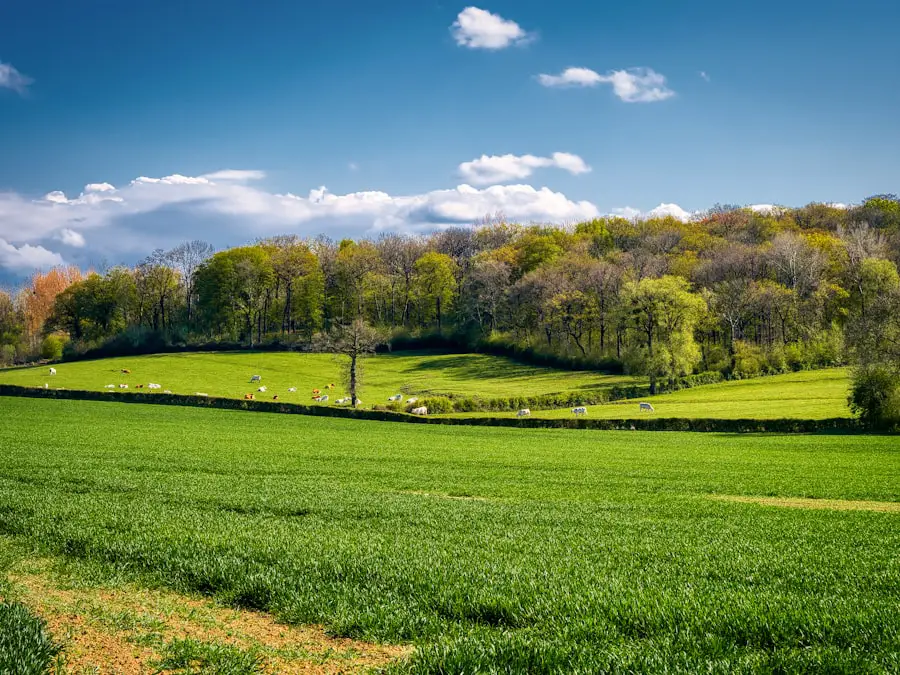
Summer is Ireland’s warmest season, but the climate remains mild compared with many destinations in southern Europe. The 1991–2020 national summer mean was 14.6°C. July had the highest mean daily maximum at 19.1°C, followed by August at 18.9°C and June at 17.8°C.
Warm spells can push temperatures higher, but travelers should not assume every day will reach 20°C or remain dry. A light sweater and waterproof jacket can still be useful in July and August.
Long evenings leave more time for scenic drives, coastal walks, golf, cycling, and outdoor dining. Exact sunset times vary by date and location, but daylight lasts well into the evening around midsummer.
Summer is also the main festival season. The 2026 calendar included Cork Midsummer Festival from June 12–21, Galway International Arts Festival from July 13–26, and Fleadh Cheoil na hÉireann in Belfast from August 2–9.
Summer is best for: long road trips, island excursions, festivals, cycling, family travel, beaches, and travelers who want the widest choice of open attractions.
Autumn in Ireland: September to November
September can feel like an extension of summer, especially early in the month. Temperatures then fall gradually through October and November as daylight shortens and Atlantic weather becomes more active.
Met Éireann’s 1991–2020 figures give autumn a national mean temperature of 10.3°C and average rainfall of about 369 mm. The west and higher ground commonly receive more rain than the east.
Woodlands in Killarney National Park, County Wicklow, and other forested areas develop shades of gold, orange, and red. Autumn is well suited to scenic drives, photography, historic towns, pub sessions, and food-focused trips.
The Lisdoonvarna Matchmaking Festival is an autumn event rather than a summer festival. Its 2026 schedule ran throughout September.
Autumn is best for: fall color, quieter road trips, cultural events, traditional music, photography, and travelers comfortable with cooler and wetter conditions.
Winter in Ireland: December to February
Winter is the coolest and wettest season in Ireland’s 1991–2020 national averages. The mean temperature was 5.4°C, while average seasonal rainfall reached about 380 mm. Coastal areas are often milder than inland and higher-elevation locations.
Snow can occur, especially inland and on high ground, but its timing varies widely from year to year. Met Éireann notes that snow lying on the ground commonly lasts only a day or two, although longer cold spells are possible.
Winter offers quieter historic sites, dramatic coastal scenery, seasonal lights, and evenings in traditional pubs. Some rural attractions, boat services, cafés, and visitor facilities operate reduced hours, so check opening times before building a fixed itinerary.
Christmas markets and winter events may take place in cities such as Dublin and Belfast, but dates and formats change each year. Confirm the current schedule before booking a trip around one event.
Winter is best for: quieter city breaks, museums, pub culture, seasonal celebrations, lower-demand travel periods, and visitors who do not need long daylight hours.
Best Time to Visit Ireland for Outdoor Activities
Hiking and Long-Distance Walking
May, June, and September are strong choices for hiking. May has favorable historical sunshine and rainfall averages, while June adds longer evenings. September can be quieter than peak summer while still offering enough daylight for many day walks.
Routes around Glendalough, Killarney National Park, the Mourne Mountains, and Ireland’s coastal headlands vary in exposure and difficulty. A mild forecast in a nearby town does not guarantee calm weather on a ridge or cliff path.
Warning: Check the current forecast and weather warnings before an exposed coastal or mountain walk. Carry a waterproof and windproof outer layer, tell someone your route, and turn back if visibility, wind, or trail conditions become unsafe.
Mountaineering Ireland’s safety guidance recommends carrying waterproof and windproof clothing even when conditions appear settled at the start.
Cycling and Scenic Road Trips
Late spring through early autumn provides the most daylight for cycling and touring. The Great Western Greenway, the Ring of Kerry, the Causeway Coastal Route, and sections of the Wild Atlantic Way can all be enjoyed during this period.
June is useful for long itineraries because the evenings remain bright. September is often more comfortable for visitors who want less traffic around well-known viewpoints and small coastal villages.
Beaches, Kayaking, and Boat Trips
June through August normally offers the widest choice of water-based tours and seasonal boat services. Weather and sea conditions can still cancel departures at short notice, particularly on exposed Atlantic routes.
Keep one flexible day in the itinerary when a boat crossing, island trip, or kayaking session is a major priority. This makes it easier to move the activity if wind or sea conditions are unsuitable.
Photography and Scenic Landscapes
Spring provides wildflowers and vivid green countryside. Summer offers long shooting hours. Autumn adds woodland color and lower-angle light, while winter can produce dramatic skies and quieter landmarks.
Photographers who prefer fewer people at famous locations may find April, May, September, and October easier than July and August.
Best Time to Visit Ireland for Festivals and Events
Spring and summer contain many of Ireland’s largest cultural events, while September adds music, food, and community festivals. Dates change each year, so use festival calendars as planning anchors rather than permanent annual guarantees.
| St. Patrick’s Festival | Dublin, March 14–17, 2026; national parade on March 17. |
| Cork Midsummer Festival | Cork, June 12–21, 2026. |
| Galway International Arts Festival | Galway, July 13–26, 2026. |
| Fleadh Cheoil na hÉireann | Belfast, August 2–9, 2026. |
| Lisdoonvarna Matchmaking Festival | County Clare, September 1–30, 2026. |
Major festival weekends can increase demand for central accommodation and transportation. Reserve rooms early when the event is the main reason for the trip, especially in Dublin, Galway, Cork, Belfast, or a smaller town with limited lodging.
Best Months for Different Types of Ireland Trips
Best for Good Weather and Long Days
Choose May through August. May has the strongest historical sunshine figure, while June through August brings the highest seasonal temperatures and longest evenings.
Best for Fewer Crowds
Consider April, May, September, or October. These months sit outside the busiest part of the summer while still supporting road trips, city sightseeing, and many outdoor activities.
Best for a Quiet or Lower-Demand Trip
November through February is generally quieter outside holiday periods and special events. The trade-offs are shorter days, wetter weather, stronger winds, and reduced hours at some seasonal attractions.
Best for Gardens and Spring Scenery
April and May are particularly attractive for gardens, woodland flowers, new foliage, and rural scenery. May also leads Ireland’s 1991–2020 national sunshine averages.
Best for Autumn Color
Late September through October is usually the most useful window, although the timing and intensity of leaf color depend on temperature, wind, and recent weather.
Crowds, Prices, and Advance Booking
July and August normally bring the greatest visitor demand. Popular lodging, rental cars, small-group tours, and restaurants in major destinations may need to be booked well ahead.
March can also become busy around St. Patrick’s Day, especially in Dublin. Festival dates in Galway, Cork, Belfast, and smaller host towns can create short local peaks even outside July and August.
Spring and autumn may provide more flexibility, but they are not empty seasons. Ireland remains popular throughout the year, and weekends can be busy whenever a major event, school holiday, or public holiday takes place.
Pro Tip: When visiting in July or August, reserve the rental car and the hardest-to-replace rural stays first. City hotels usually provide more alternatives than a small village or island with limited rooms.
Regional Weather Differences
Ireland’s west coast and mountainous southwest generally receive more rain than eastern areas. Met Éireann’s 1991–2020 averages ranged from about 878 mm of annual rainfall in parts of the east to more than 2,000 mm in southwestern mountain regions.
The west can also feel more exposed during Atlantic wind and rain. Dublin and parts of the east are often relatively drier, but no region is reliably rain-free.
Elevation matters as well. Mountain areas can be colder, windier, and cloudier than nearby towns. A route that crosses several regions may therefore pass through very different conditions on the same day.
What to Pack for Ireland in Any Season
Ireland’s changeable weather makes versatile clothing more useful than one heavy item. The official Tourism Ireland travel checklist recommends layers, a waterproof jacket, and comfortable footwear.
- Waterproof outer layer: Choose a jacket that also blocks wind.
- Light layers: Pack shirts, a sweater or fleece, and clothing that can be added or removed easily.
- Comfortable shoes: Bring footwear suited to wet paths, cobbled streets, and uneven ground.
- Small day bag: Carry water, a dry layer, and weather protection during day trips.
- Sun protection: Sunglasses and sunscreen are still useful when the forecast includes cloud.
- Cold-weather extras: Add gloves, a warm hat, and thicker layers from late autumn through early spring.
Check the latest forecast each morning and review Met Éireann weather warnings before long drives, boat trips, cliff walks, or mountain activities.
Conclusion: Choosing the Right Time for Your Ireland Trip
May and June offer the best overall balance for many visitors, while September is a strong alternative for lighter crowds and early-autumn events. July and August remain the best fit when warm weather, long evenings, and a full festival calendar matter more than price or crowd levels.
Spring suits gardens and hiking, autumn works well for color and cultural trips, and winter offers quieter attractions and pub-focused city breaks. No season guarantees dry weather, so a flexible schedule and waterproof layers are more valuable than trying to find a completely rain-free month.
If you use a CPAP machine, plan how you will power, protect, and transport it before departure. This guide to the best travel CPAP machines can help you compare compact options for an Ireland trip.
Frequently Asked Questions
What is the best time to travel to Ireland?
May, June, and September provide the best balance for many travelers. July and August offer the warmest weather and longest evenings, but they also bring greater demand at popular destinations.
What is the weather like in Ireland during the summer?
Irish summers are mild and changeable. In the 1991–2020 national averages, July had a mean daily maximum of 19.1°C, or about 66°F. Warmer days occur, but visitors should still expect showers, breezes, and cooler evenings.
Which festivals should I consider when planning an Ireland trip?
Major options include St. Patrick’s Festival in March, Cork Midsummer Festival in June, Galway International Arts Festival in July, Fleadh Cheoil na hÉireann in August, and the Lisdoonvarna Matchmaking Festival in September. Confirm the official dates for your travel year.
Is Ireland more crowded during the summer?
Yes. July and August commonly bring the greatest visitor demand, especially in Dublin, Galway, Killarney, the Ring of Kerry, and other famous touring areas. Book key accommodation and rental cars early.
Which activities are best during summer in Ireland?
Summer works well for hiking, cycling, golf, scenic drives, island excursions, boat trips, beaches, festivals, and visiting historic sites. The long evenings make it easier to fit more stops into a touring day.
Does Ireland have a dry season?
No. Rain can fall during every month. April and May had the lowest national average monthly rainfall in the 1991–2020 climate dataset, but neither month is guaranteed to be dry.
What is the quietest time to visit Ireland?
November through February is generally quieter outside Christmas, New Year, and special-event periods. Expect shorter days, wetter and windier weather, and reduced schedules at some seasonal attractions.
What should I pack for Ireland?
Pack light layers, a waterproof and windproof jacket, comfortable walking shoes, and a small day bag. Add warmer accessories in winter, but keep rain protection available in every season.
Sources
- Met Éireann — Ireland’s Climate Averages 1991–2020 — national temperature, rainfall, sunshine, and regional climate data.
- Met Éireann — Climate of Ireland — meteorological seasons, Atlantic climate, and snowfall guidance.
- Tourism Ireland — Ireland’s Weather — visitor-focused explanation of Ireland’s mild, changeable weather.
- Tourism Ireland — Travel Checklist — clothing and packing recommendations.
- Mountaineering Ireland — Staying Safe — waterproof clothing and outdoor preparation guidance.
- St. Patrick’s Festival — official Dublin festival dates and parade information.