Last Updated on September 11, 2026 by Daniel Globe
Thinking about visiting St. Lucia around November 13th? Mid-November is an ideal time to experience this Caribbean island. As St. Lucia transitions out of the rainy season toward peak winter, you will enjoy warm tropical weather, vibrant green scenery, fewer crowds, and lower accommodation rates.
Quick Answer
Visiting St. Lucia on November 13th offers excellent value, warm average highs around 86°F (30°C), and far fewer tourists than peak winter months. Rain showers are usually brief morning bursts, leaving clear afternoons for beach trips and rainforest hikes. It is a fantastic shoulder-season window for relaxed Caribbean travel.
Key Takeaways
- Favorable Weather: Expect average daily highs of 86°F (30°C) and warm sea temperatures averaging 82°F (28°C).
- Shoulder Season Value: Flight rates and hotel pricing are lower before the peak winter rush begins in mid-December.
- Tail-End Hurricane Season: Tropical storm risks drop significantly by mid-November, though the official Atlantic hurricane season runs through November 30.
- Local Currency: The Eastern Caribbean Dollar (XCD) is pegged at $1 USD = $2.70 XCD; carry cash for roadside stalls and minibuses.
Disclosure: As an Amazon Associate I earn from qualifying purchases. Some links on this page are affiliate links, at no extra cost to you.
Why Visit St. Lucia in November?
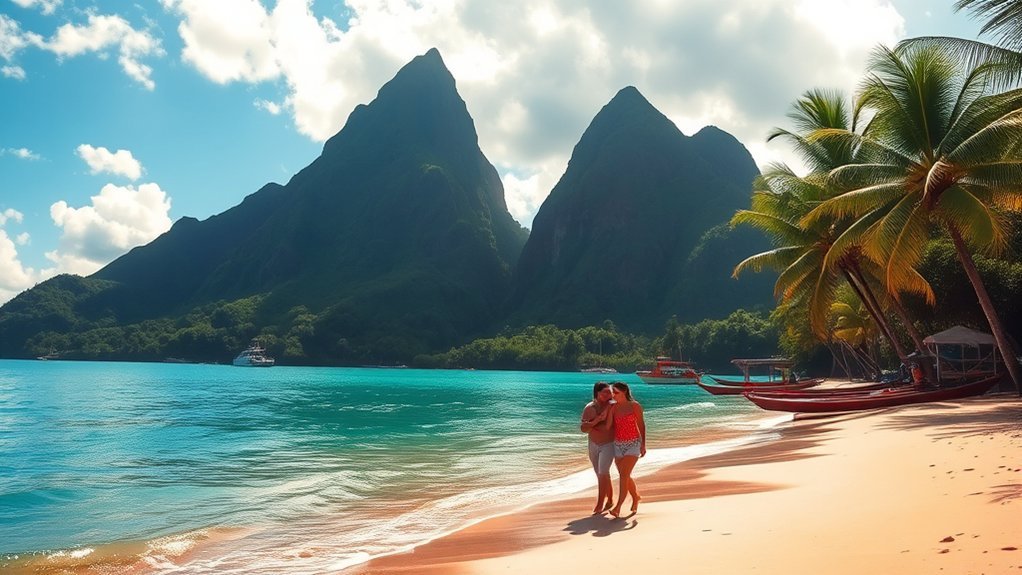
November is a sweet spot for traveling to St. Lucia if you want the freedom to explore without peak-season crowds. Because it sits in the shoulder season between the wet months and the busy winter rush, you get the best of both worlds: lower room rates and tranquil beaches.
The island’s landscape is remarkably lush, fed by the trailing rains of late autumn. Rainforest trails, botanical gardens, and hillside drives display vivid greens. Temperatures hover around an inviting 85°F to 86°F, supported by over 8 hours of daily daylight and approximately 243 hours of sunshine throughout the month according to climate data from the Saint Lucia Meteorological Services.
You may catch brief morning showers, but they typically pass quickly, freshening the morning air before sunny afternoons. Because mid-November sits near the very end of the Atlantic hurricane season, storm risks drop significantly, making travel planning much more reliable.
Pro Tip: Take advantage of November’s moderate resort occupancy to book popular excursions—like hiking the Gros Piton or reserving catamarans—with far shorter lead times than in December or January.
St. Lucia Weather in November
As St. Lucia transitions from the wet season into the drier winter months, November delivers warm weather with minimal storm concerns. According to official meteorological records, average high temperatures sit around 30.3°C (86.5°F), creating comfortable conditions for beach days, mountain hikes, and water sports.
“November brings comfortable daily highs of 86°F, warm ocean waters at 82°F, and over 8 hours of daily sunshine across St. Lucia.”
Monthly rainfall averages around 179 mm (7 inches), but rain typically arrives as short, refreshing showers rather than all-day washouts. Ocean water temperatures remain warm at roughly 28°C (82°F), offering great conditions for snorkeling, diving, and swimming around Anse Chastanet and Reduit Beach.
Warning: The Atlantic hurricane season officially ends on November 30th, as designated by the NOAA National Hurricane Center. While severe storms are rare in mid-November, purchasing travel insurance with trip interruption coverage remains a smart safety measure.
Money, Transport, and Safety Tips
Planning practical details ahead of time ensures a smooth stay on the island. St. Lucia uses the Eastern Caribbean dollar (XCD), which is officially pegged to the US Dollar at a fixed rate of $1 USD = $2.70 XCD. US dollars are widely accepted in tourist spots, but receiving change in local currency is standard.
- Currency & Cash: Major resorts and restaurants take credit cards, but cash is essential for roadside fruit stalls, local markets, and smaller beach vendors.
- Taxis: Taxis do not use meters. Always confirm fare costs and currency (USD vs. XCD) with your driver before starting your trip.
- Public Minibuses: For an affordable local experience, hop on a public minibus (distinguished by green license plates starting with ‘M’). They run frequently along primary coastal routes.
- Entry Requirements: All incoming travelers must complete the official electronic St. Lucia Online Entry Form prior to arrival. Verify passport validity requirements via the Saint Lucia Tourism Authority.
- Personal Safety: St. Lucia is generally safe for solo travelers and families. Use standard precautions, keep personal belongings secure, and avoid walking unlit urban streets in Castries or isolated beach zones after dark.
What to Wear, Pack, and Say

Pack lightweight, breathable fabrics like cotton, linen, and moisture-wicking shirts to stay comfortable in tropical humidity. Bring swimwear, sunglasses, high-SPF sunscreen, and a wide-brimmed hat for beach outings. Keep a light cover-up handy when stepping away from the beach into town or local restaurants.
Note: Wearing camouflage clothing is illegal in St. Lucia for civilians, including tourists. Reserve camouflage patterns for home and stick to solid colors or tropical prints.
If you plan to hike trails around Mount Gimie or the Pitons, pack sturdy trail shoes with good traction. Insect repellent is crucial when visiting rainforest reserves, thermal springs, or outdoor dining spots during dusk.
Polite greetings are deeply ingrained in Saint Lucian culture. A warm “Good morning,” “Good afternoon,” or “Good night” (used as an evening greeting) when entering a business or starting a conversation is customary and appreciated.
Top St. Lucia Sights, Food, and Culture
Mid-November is an ideal window for exploring St. Lucia’s natural landscapes and Creole heritage without long wait times.
- UNESCO-Listed Pitons: Hike Gros Piton or take a catamaran cruise along the southwestern coast for panoramic views of Gros Piton and Petit Piton.
- Sulphur Springs & Mud Baths: Visit Soufrière to experience the Caribbean’s only drive-in volcano, followed by a mineral-rich mud bath.
- Pigeon Island National Landmark: Explore military ruins, hike to Fort Rodney, or relax on sheltered beaches in the northern district.
- Authentic Island Cuisine: Try the national dish—green figs (green bananas) and saltfish. Sample local bakes (fried dough), callaloo soup, accras (fish fritters), and fresh coconut ice cream at local fish fries.
Frequently Asked Questions
Is Late November a Good Time to Visit St Lucia?
Yes, late November is a great time to visit St. Lucia. You will enjoy warm sunny days, quieter beaches, lower shoulder-season rates, and decreasing rainfall as the island moves into its dry season.
What Do I Need to Know Before Traveling to St Lucia?
Ensure your passport has at least six months of validity, submit the mandatory online St. Lucia Entry Form prior to arrival, drive on the left side of the road, and keep local currency (XCD) on hand for small purchases.
Is 20 USD a Good Tip in St Lucia?
Yes, $20 USD is a generous tip in St. Lucia. Tipping 10% to 15% is standard practice for helpful service at restaurants, hotels, and tour excursions, making $20 a well-appreciated reward for great service.
What to Wear in St Lucia in November?
Wear light cotton or linen clothing, swimsuits with modest cover-ups for towns, sturdy footwear for rainforest trails, sunglasses, a hat, and a light rain jacket for brief tropical showers.
Conclusion
Visiting St. Lucia on November 13th offers a well-balanced trip with warm tropical weather, smaller tourist crowds, and excellent travel pricing before the winter peak. While St. Lucia’s mountainous interior receives around 150 inches (about 12 to 13 feet / 3,800 mm) of rainfall annually to feed its rainforests, November coastlines remain warm and sunny. With smart packing, respect for local customs, and basic preparation, a mid-November visit to St. Lucia delivers a fantastic Caribbean getaway.
Sources
- Saint Lucia Tourism Authority — Official entry guidance, cultural events, and travel advisory information.
- Saint Lucia Meteorological Services — Historical climate records, rainfall data, and seasonal temperature averages.
- NOAA National Hurricane Center — Official Atlantic hurricane season boundaries and tropical weather monitoring.
- U.S. Department of State – Saint Lucia Travel Advisory — Country information, safety guidelines, and entry requirements.