
Last Updated on July 27, 2026 by Daniel Globe
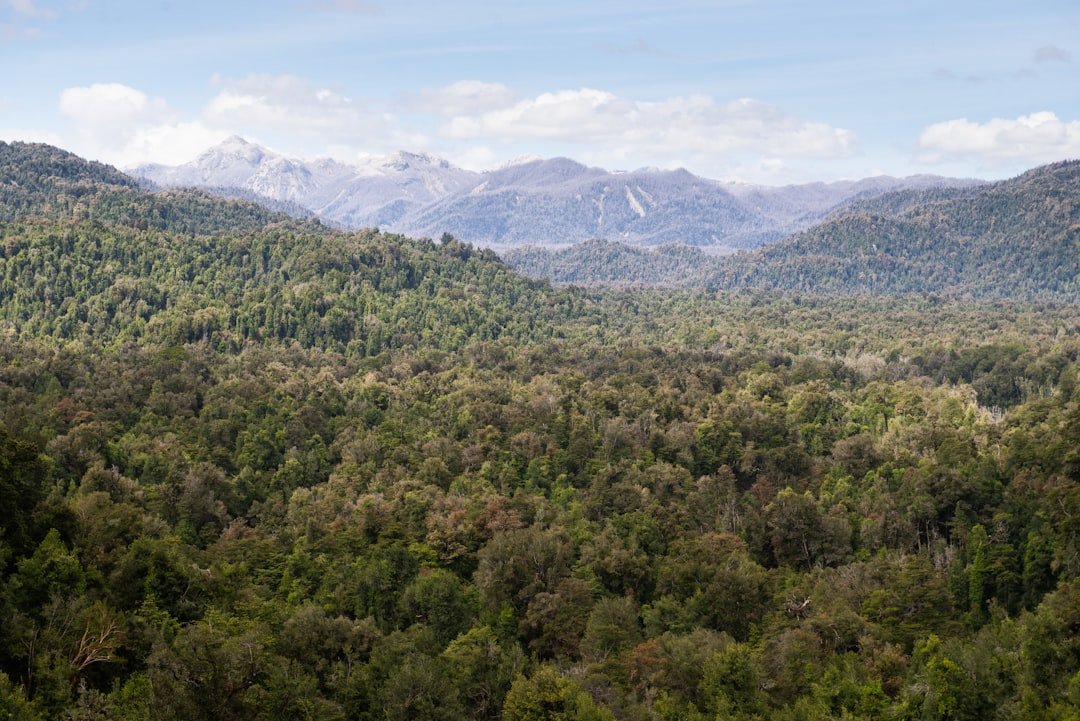
Nestled in the heart of the Balkans, Montenegro is a small yet captivating country that boasts a rich tapestry of natural beauty, cultural heritage, and historical significance. With its stunning Adriatic coastline, majestic mountains, and charming medieval towns, Montenegro has become an increasingly popular destination for travelers seeking both adventure and relaxation. The country is characterized by its diverse landscapes, which range from the rugged peaks of the Dinaric Alps to the serene beaches along the coast.
This geographical variety not only enhances its aesthetic appeal but also offers a plethora of activities for visitors throughout the year. Montenegro’s history is as rich as its landscapes, with influences from various civilizations, including the Romans, Ottomans, and Venetians. This cultural amalgamation is evident in its architecture, cuisine, and traditions. The capital city, Podgorica, serves as a gateway to the country’s many attractions—from the ancient, UNESCO-listed city of Kotor to the picturesque coastal town of Budva. Each season brings its own unique charm, making it essential for travelers to understand what each time of year has to offer.
Quick Answer
The overall best time to visit Montenegro is during the shoulder months of May to June and September to October. During these periods, you will enjoy warm, pleasant weather (20°C–25°C / 68°F–77°F), ideal conditions for outdoor hiking and coastal sightseeing, lower accommodation rates, and significantly fewer crowds than during peak summer.
Key Takeaways
- May–June & September–October: Best sweet spot for comfortable weather, beach swimming, sightseeing, and moderate prices.
- July–August: Peak season for beach lovers, water sports, and nightlife, but comes with hot temperatures (30°C+), traffic congestion, and premium prices.
- November–March: Ideal for budget travel on the coast and winter sports in northern resorts like Durmitor and Kolašin.
- Regional Differences: Montenegro features two distinct climates—a Mediterranean coastal zone and an Alpine mountain zone.
Disclosure: As an Amazon Associate I earn from qualifying purchases. Some links on this page are affiliate links, at no extra cost to you.
Spring: The Blossoming Beauty of Montenegro
Nature Awakens
Spring (March to May) is one of the most picturesque times to visit Montenegro. The countryside comes alive with vibrant wildflowers, while coastal areas begin to warm up, inviting visitors to explore the landscapes comfortably. The national parks, such as Durmitor National Park and Biogradska Gora, showcase breathtaking beauty during this season, featuring lush greenery, rushing rivers, and cascading waterfalls nourished by the winter thaw.
Cultural Renewal
Spring is also a season of cultural renewal across Montenegro. Towns across the coastal and central regions host local events celebrating regional traditions. Coastal settlements wake up from winter slumber, preparing outdoor cafes and historic promenades for early spring visitors.
Spring Festivals and Outdoor Activities
In spring, towns like Nikšić and coastal communities showcase blooming landscapes and outdoor markets. Early spring is optimal for white-water rafting on the Tara River Canyon, as water levels peak from melting mountain snow, delivering thrilling conditions for adventure seekers.
Pro Tip: May is arguably the finest month for hiking in Montenegro. The coastal mountains above Kotor and Budva offer clear skies and mild temperatures averaging 22°C (72°F), perfect for day treks without intense summer heat.
Summer: The Peak Season for Beach Lovers
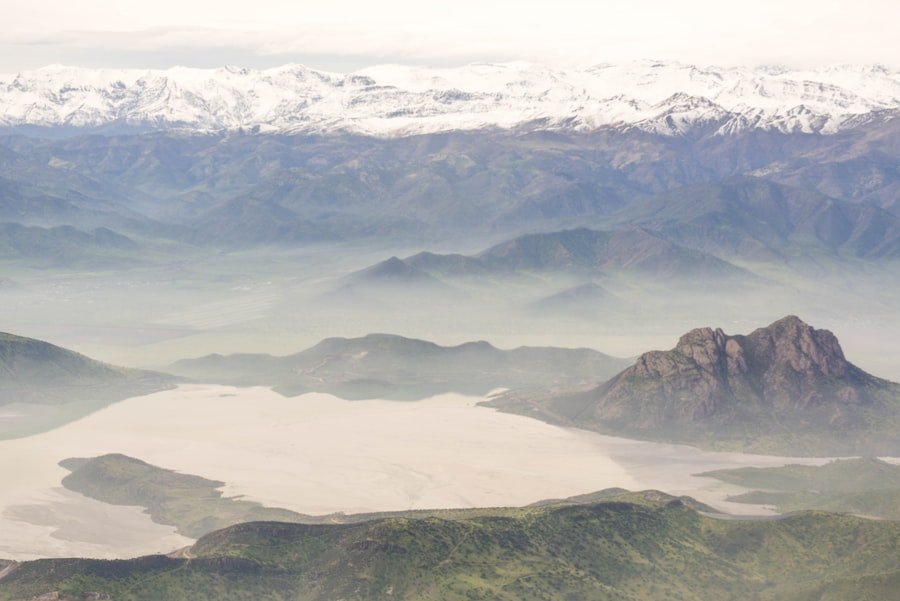
Summer in Montenegro (June to August) is synonymous with sun-soaked beaches and vibrant coastal nightlife. During these months, tourist towns along the Adriatic Sea bustle with energy under a warm Mediterranean climate. Clear, turquoise waters paired with dramatic mountain backdrops create some of Southern Europe’s finest beach settings.
Budva, renowned for its energetic atmosphere and famous beaches like Mogren and Slovenska Plaža, is a focal point for sunbathers and nightlife enthusiasts. The town’s walled Old Town adds architectural charm with medieval cobblestone alleys and stone ramparts. In addition to beach lounging, summer offers a wide array of water sports, including kayaking, stand-up paddleboarding, jet skiing, and scuba diving.
The sheltered Bay of Kotor (Boka Bay) is exceptionally popular for sailing and boat excursions due to its calm waters and fjord-like scenery. Coastal visitors can charter boats to explore hidden sea caves, island monasteries like Our Lady of the Rocks, and secluded swimming coves accessible only from the water.
Warning: July and August bring heavy traffic delays along the single-lane coastal highway connecting Kotor, Tivat, and Budva. Expect elevated accommodation rates and crowded beaches during these peak weeks.
Autumn: Cultural Festivals, Harvests, and Mild Weather
As summer shifts into autumn (September to November), Montenegro experiences a gentle transition in both climate and atmosphere. September retains summer warmth in the sea while crowds diminish significantly, making autumn a favorite season among seasoned travelers.
Fall foliage adds dramatic color to the mountainous northern interior, where golden beech and red oak foliage contrast sharply against evergreen pine forests. Hiking trails in Durmitor, Prokletije, and Lovćen National Parks offer peaceful trekking conditions under clear autumn skies.
| Festival / Event | Location | Timing | Highlights |
|---|---|---|---|
| Summer International Kotor Carnival | Kotor Old Town | August / Early September | Street mask parades, live music, and coastal folklore festivities. |
| Days of the Blueberry | Plav | Late Summer / Early Autumn | Tastings of wild berry products, local craft fairs, and folk performances. |
| Olive Festival (Maslinijada) | Old Bar (Stari Bar) | November | Exhibitions of artisan olive oils, local olives, cheese, and Montenegrin wine. |
| Wine and Bleak Festival | Virpazar (Lake Skadar) | November / December | Celebration of indigenous Vranac red wine and fried Lake Skadar bleak fish. |
Autumn is deeply rooted in culinary traditions. Vineyards surrounding Lake Skadar and Podgorica celebrate the grape harvest, making it an excellent season for wine-tasting tours focusing on the indigenous Vranac grape variety. Local taverns (konobas) showcase seasonal produce, roasted chestnuts, and artisanal olive oils.
Winter: A Snowy Wonderland for Outdoor Enthusiasts
From December to February, northern Montenegro transitions into a quiet snowy setting. Mountain peaks receive substantial snowfall, shifting activity toward alpine sports and cozy winter retreats.
The principal ski centers are located around Žabljak in Durmitor National Park and Kolašin (Kolašin 1600 resort). These resorts offer modern chairlifts, groomed slopes for skiing and snowboarding, as well as routes for snowshoeing and winter mountain tours.
Along the coast and in major cities like Podgorica and Cetinje, winter brings festive holiday lighting and outdoor Christmas markets. Visitors can enjoy local baked treats like priganice (fried dough fritters served with honey or cheese) alongside traditional fruit brandies (rakija) while exploring local cultural landmarks free of tourist traffic.
Off-Season: The Best Time for Budget Travelers
For budget-conscious travelers, the off-season months from November through April offer substantial savings. During this period, nightly rates for boutique hotels, coastal apartments, and rental cars drop by 40% to 60% compared to peak summer figures.
This quieter season provides a chance to explore iconic UNESCO sites, such as Kotor’s historic center and Perast, without crowds. Visitors can interact closely with local business owners and experience authentic daily life across Montenegrin towns.
Note: Some coastal tourist businesses, boat tour operators, and seasonal resort restaurants close completely between November and April. However, primary city infrastructure, cultural museums, and historic sites remain open year-round.
Montenegro Weather & Conditions by Season
| Season | Coastal Temp Range | Mountain Temp Range | Sea Temperature | Crowd Level |
|---|---|---|---|---|
| Spring (Mar–May) | 14°C to 22°C (57°F–72°F) | 5°C to 15°C (41°F–59°F) | 15°C to 19°C (59°F–66°F) | Low to Moderate |
| Summer (Jun–Aug) | 27°C to 35°C (81°F–95°F) | 18°C to 26°C (64°F–79°F) | 23°C to 26°C (73°F–79°F) | Peak / Heavy |
| Autumn (Sep–Nov) | 15°C to 25°C (59°F–77°F) | 6°C to 17°C (43°F–63°F) | 18°C to 23°C (64°F–73°F) | Moderate to Low |
| Winter (Dec–Feb) | 8°C to 13°C (46°F–55°F) | -5°C to 4°C (23°F–39°F) | 14°C (57°F) | Low (Coastal) / Med (Ski) |
Events and Festivals Throughout the Year
Montenegro’s event calendar reflects its rich history and diverse culture. Spring launches outdoor cultural celebrations, leading into summer music and art festivals like KotorArt. Autumn transitions to culinary and agricultural gatherings, while winter features traditional holiday markets and winter sports competitions across northern ski hubs.
Choosing the Ideal Time to Visit Montenegro
Selecting the best travel window depends on your interests, budget, and travel style:
- For Beach Lovers & Nightlife: Choose July or August for warm sea temperatures, beach clubs, and active coastal nightlife.
- For Sightseeing & Hiking: Aim for May, June, or September to enjoy comfortable trekking temperatures and uncrowded historical centers.
- For Budget Travel: Plan your trip between October and April to take advantage of lower accommodation rates and quiet coastal towns.
- For Winter Sports: Visit between January and March for skiing conditions in Durmitor and Kolašin.
When preparing for your trip, consider packing versatile gear. Adventurers planning multi-day hikes in the northern national parks can check recommendations for the best sleeping bag for backpacking travel. For general packing convenience, bring a compact best travel toothbrush and a sturdy best carry-on suitcase with USB charger to keep your mobile devices powered while exploring scenic mountain pass routes.
Frequently Asked Questions
What is the best time to travel to Montenegro?
The best overall time to visit Montenegro is during the shoulder seasons of May to June and September to October. Weather conditions are warm and ideal for both coastal swimming and mountain hiking, while tourist crowds and accommodation rates remain moderate.
What is the weather like in Montenegro during the peak summer months?
During summer (July and August), coastal daytime temperatures routinely range between 28°C and 35°C (82°F–95°F) with long, sunny days and sea temperatures around 25°C (77°F). Northern mountain areas remain cooler, averaging 20°C to 25°C (68°F–77°F).
Are there specific events or festivals during the summer season?
Yes, summer features prominent cultural events including the KotorArt International Festival, the Summer Kotor Carnival in August, and regional music and theatre events along the Budva Riviera.
Are there drawbacks to traveling to Montenegro in peak summer?
Peak summer brings dense crowds along coastal roads and popular beaches, potential traffic delays around the Bay of Kotor, higher accommodation costs, and high heat during mid-day hours.
What are the top activities in Montenegro by season?
Summer is ideal for coastal beach swimming and boat excursions. Spring and autumn offer prime conditions for hiking in Durmitor and Lovćen, river rafting, and wine tasting around Lake Skadar. Winter focuses on alpine skiing in Kolašin and Žabljak.
Sources
- National Tourism Organisation of Montenegro — Official travel guidelines, regional event dates, and destination overviews.
- UNESCO World Heritage Centre — Cultural details and conservation context for the Natural and Culturo-Historical Region of Kotor.
- National Parks of Montenegro (NPM) — Trail guidelines, seasonal accessibility, and visitor updates for Durmitor, Biogradska Gora, and Lovćen.
