Last Updated on September 10, 2026 by Daniel Globe
Choosing the wrong time to visit Santa Fe can mean crowded festival streets, limited hotel choices, sudden afternoon storms, or cold nights you did not pack for. The city sits at just over 7,000 feet in New Mexico’s high desert, so its weather is cooler and more changeable than many visitors expect from the Southwest.
Santa Fe combines four distinct seasons, more than 320 sunny days in a typical year, dry air, and large day-to-night temperature swings. Matching those conditions to your preferred activities is the key to choosing the right travel window.
Quick Answer
The best time to visit Santa Fe is usually April through May or September through October. Those months bring mild afternoons, cool nights, and fewer crowds than major summer festival weekends. Visit in July or August for headline art markets, or December through March for skiing and quieter nonholiday stays.
Key Takeaways
- Best overall weather: April, May, September, and October.
- Best for major art markets: July for the International Folk Art Market and August for the Santa Fe Indian Market.
- Best for skiing: December through March, depending on current snow and mountain operations.
- Best for lower crowds: November through early March outside Thanksgiving, Christmas, New Year’s, and popular ski weekends.
- Most important packing rule: Bring layers, sun protection, and water in every season.
What’s in This Article
Santa Fe sits at about 7,000 feet and receives more than 320 sunny days in a typical year, but average temperatures can still change by roughly 30°F between afternoon and night.
Disclosure: As an Amazon Associate I earn from qualifying purchases. Some links on this page are affiliate links, at no extra cost to you.
Santa Fe Weather by Month
The following averages from Tourism Santa Fe show why layers are useful throughout the year. These are climate averages, not forecasts, and individual days can be warmer, colder, wetter, or windier.
| Month | Avg. High | Avg. Low | What to Expect |
|---|---|---|---|
| January | 42°F | 19°F | Cold nights, possible city snow, and active ski season |
| February | 48°F | 24°F | Sunny winter days with freezing mornings |
| March | 55°F | 28°F | Variable weather, wind, late snow, and warming afternoons |
| April | 64°F | 33°F | Mild days, chilly nights, blossoms, and occasional wind |
| May | 72°F | 42°F | Comfortable hiking weather before peak summer crowds |
| June | 83°F | 51°F | Warm, dry days and strong high-altitude sun |
| July | 86°F | 56°F | Peak events, warm afternoons, and monsoon thunderstorms |
| August | 83°F | 54°F | Indian Market crowds and recurring afternoon storms |
| September | 78°F | 48°F | Warm days, cooler evenings, festivals, and early fall color |
| October | 67°F | 37°F | Crisp hiking weather, foliage, and cold nights |
| November | 52°F | 26°F | Quieter streets, freezing nights, and possible early snow |
| December | 44°F | 19°F | Holiday demand, skiing, luminarias, and winter weather |
Pro Tip: Bring layers in every month. A warm afternoon can turn into a chilly evening quickly, and temperatures commonly differ by around 30°F between the warmest and coolest parts of the day.
Best Time to Visit Santa Fe by Travel Priority
- For the most comfortable weather: Visit in April, May, September, or October.
- For the International Folk Art Market: Plan for the second weekend of July and verify the annual schedule.
- For Santa Fe Indian Market: Visit in mid-August and reserve lodging as soon as dates are announced.
- For fall foliage: Aim for late September through mid-October, knowing that color timing changes with elevation and weather.
- For hiking and biking: May, June, September, and October usually provide the strongest balance of daylight and manageable temperatures.
- For skiing: December through March is the main window, but opening dates and terrain depend on snow and operating conditions.
- For lower nonholiday demand: Consider November, January, February, or early March.
Peak Tourist Season in Santa Fe
Santa Fe’s busiest travel period generally runs from late spring through early fall. June, July, and August draw visitors for warm weather, outdoor recreation, patio dining, gallery exhibitions, and the city’s largest art markets. September and early October can also stay busy because of festivals, fall color, and comfortable daytime weather.
Spring: Mild Weather with Some Uncertainty
April and May offer one of the best combinations of comfortable afternoons and moderate crowds. Blossoms appear around the city, hiking trails begin to dry, and temperatures usually rise from the 60s into the 70s.
Spring is not completely predictable. March and April may bring gusty wind, freezing nights, or a late snowstorm. Higher trails can remain muddy or snow-covered even when downtown streets are dry.
Summer: Festivals, Warm Days, and the Largest Crowds
June is often warm and relatively dry. July and August bring the city’s headline art markets as well as the summer monsoon pattern. Storms can form quickly in the afternoon, bringing lightning, heavy rain, sharp temperature drops, and localized flooding.
The annual Santa Fe Indian Market is one of the world’s largest juried Native art markets. SWAIA estimates that about 100,000 people attend and that more than 1,000 Native artists take part.
Hotels and vacation rentals can fill well ahead of major weekends. Standard summer trips are best booked several months in advance. For Indian Market, official tourism guidance notes that desirable rooms may be reserved as much as a year ahead.
Warning: Do not assume a clear summer morning guarantees a dry hiking day. Check the forecast before leaving, start exposed mountain hikes early, and move away from ridges, summits, isolated trees, and open ground when thunder develops.
Fall: Clear Days, Festivals, and Mountain Color
September and October are among the strongest months for a first visit. September remains warm during the day, while October brings crisp air and colder nights. Aspens in the Sangre de Cristo Mountains often turn gold from late September into October, although the peak changes from year to year and by elevation.
Fall is less intense than the largest summer market weekends, but it is not always quiet. Fiestas de Santa Fe, the Wine & Chile Fiesta, fall foliage weekends, and the Santa Fe International Film Festival can all increase demand.
Off-Peak Tourist Season in Santa Fe
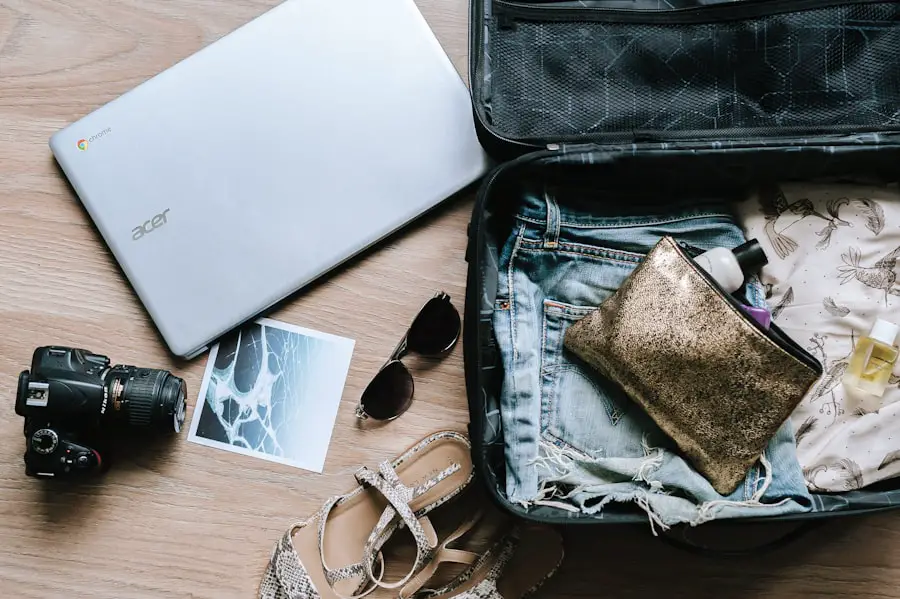
Santa Fe’s quieter season generally runs from late fall through early spring. November through March can bring thinner crowds at galleries, museums, and restaurants, along with more lodging availability outside major holidays and ski weekends.
Winter: Skiing, Cold Nights, and Quieter Cultural Attractions
Winter afternoons commonly reach the 40s or low 50s, while nighttime temperatures often fall into the teens and 20s. Snow can occur from November into March or April. Bright sun may melt exposed snow between storms, but shaded streets, sidewalks, and mountain roads can remain icy.
Ski Santa Fe is located 16 miles from the city and offers terrain for a range of ability levels. The ski area’s opening date, available terrain, and closing date depend on current snow and operating conditions.
Winter is also a good time to visit museums and galleries with more breathing room. Restaurants often feature seasonal New Mexico ingredients such as roasted green chile, piñon nuts, posole, and hearty stews.
Note: Before driving into the mountains, check current conditions through NMRoads. New Mexico transportation officials recommend planning the route, allowing extra time, and expecting delays during bad weather.
Late Fall and Early Spring
November and March can offer good value, but both are transition months. November nights regularly fall below freezing, while March may alternate between mild sunshine, wind, mud, and late snow. These months work well for flexible travelers who can adjust outdoor plans around the forecast.
Special Events and Festivals in Santa Fe
Santa Fe’s major cultural events can determine the best travel dates just as much as the weather. The following 2026 dates were verified with event organizers, but schedules can change. Check the official event page before booking nonrefundable travel.
| Event | Verified 2026 Dates | Location | Crowd Impact |
|---|---|---|---|
| International Folk Art Market | July 8–12 | Santa Fe Railyard Park | More than 18,500 visitors attended in 2025 |
| Santa Fe Indian Market | August 15–16 | Plaza and surrounding downtown streets | Organizer estimate of about 100,000 attendees |
| Fiestas de Santa Fe and Zozobra | September 4–13 | Fort Marcy Park, Plaza, and downtown venues | Large evening and weekend crowds |
| Santa Fe Wine & Chile Fiesta | September 23–27 | Restaurants and event venues across Santa Fe | More than 3,500 visiting guests |
| Santa Fe International Film Festival | October 14–19 | Theaters and venues across Santa Fe | Higher demand near participating venues |
The Santa Fe Indian Market showcases pottery, jewelry, textiles, painting, sculpture, fashion, and other work by Native artists from across North America. Performances, demonstrations, awards, and artist conversations add important context to the work on display.
Fiestas de Santa Fe takes place in September and reflects more than three centuries of community tradition as well as Santa Fe’s complicated colonial and cultural history. Events can include the Burning of Zozobra, parades, concerts, artisan markets, food booths, religious observances, and public ceremonies.
Because large events close streets and fill parking areas, confirm your event schedule before choosing a hotel. Staying within walking distance of the Plaza or Railyard can reduce the time spent in traffic.
Outdoor Activities and Recreation in Santa Fe
Santa Fe’s landscape supports hiking, trail running, mountain biking, skiing, and scenic drives in different seasons. Lower foothill trails can be dry while higher routes remain covered by snow, so conditions should be checked by elevation rather than by downtown weather alone.
The Dale Ball Trail system covers 24.4 miles of natural-surface trails in the foothills of the Sangre de Cristo Mountains. Numbered junctions help visitors navigate routes suitable for both newer and more experienced hikers and cyclists.
The climb toward Atalaya Mountain is more demanding and rewards hikers with broad views over Santa Fe and the surrounding mountains. Mountain biking is also well established, with terrain ranging from in-town foothill routes to technical forest singletrack.
May, June, September, and October are usually the easiest months for long outdoor days. In July and August, begin exposed hikes early to reduce heat and lightning risk. In winter and early spring, carry traction when trails are icy and be prepared to turn around when conditions change.
Warning: Wildfire danger, smoke, fire restrictions, and temporary forest closures can affect spring and summer plans. Check current Santa Fe National Forest alerts before entering forest recreation areas.
Cultural and Historical Attractions in Santa Fe
Historical Landmarks
The Palace of the Governors dates to 1610. The New Mexico History Museum describes it as the oldest public building in continuous use constructed by European settlers in the continental United States.
The building has connections to Spanish colonial government, the Pueblo Revolt, Mexican rule, the United States territorial period, and New Mexico statehood. Its history is best understood as part of a region shaped by Indigenous communities, colonization, migration, conflict, and cultural exchange.
Artistic Legacy
The Georgia O’Keeffe Museum explores the art and life of one of the most recognized American modernists. Its broader holdings include more than 3,000 works, including paintings, drawings, archival materials, and personal objects, although only a changing selection is displayed in the downtown galleries at one time.
Advance tickets are recommended during busy travel periods. Visitors planning an O’Keeffe-focused trip can also consider the Home & Studio in Abiquiú, whose tour season generally runs from March through November and requires reservations.
Architectural Wonders
The Loretto Chapel staircase makes two full turns and has no visible central support. The chapel states that it is said to have been built with wooden pegs instead of nails. Its unusual construction has inspired both historical study and local legend.
Together, the Palace of the Governors, the O’Keeffe Museum, Loretto Chapel, adobe neighborhoods, and contemporary galleries show how Santa Fe’s artistic identity developed from many communities rather than a single historical tradition.
What to Pack for Santa Fe by Season
Spring
- A wind-resistant outer layer
- A warm sweater or fleece for mornings and nights
- Closed-toe walking shoes with useful traction
- Sunscreen, sunglasses, lip balm, and a refillable water bottle
Summer
- Light daytime clothing plus a warm evening layer
- A sun hat and broad-spectrum sunscreen
- A compact rain shell for monsoon storms
- Comfortable walking shoes and extra water for outdoor events
Fall
- Layered clothing for warm afternoons and cold nights
- A light insulated jacket by October
- Trail footwear if visiting mountain foliage areas
- Sun protection even when temperatures feel cool
Winter
- An insulated coat, gloves, and a warm hat
- Water-resistant boots with traction
- Microspikes or similar traction for appropriate icy trails
- Emergency supplies in the vehicle when driving into the mountains
Budget-Friendly Travel Tips for Santa Fe
Santa Fe can fit a moderate budget when dates are flexible. Lodging demand is often lower in November, January, February, and early March, but Thanksgiving, Christmas, New Year’s, Presidents’ Day weekend, and strong ski periods can produce exceptions. Compare the total price, including parking, resort fees, and taxes, rather than judging a room by its advertised nightly rate alone.
Dining costs can rise quickly near the Plaza, but food trucks, bakeries, markets, and casual New Mexican restaurants provide less expensive alternatives. Enchiladas, tamales, breakfast burritos, posole, and other regional dishes are available at many price levels.
Many galleries are free to enter, public parks have no admission fee, and museums may offer discounted community hours or special free days. Confirm the current policy directly with each museum because admission programs and operating hours can change.
Walking between downtown attractions saves parking costs. A picnic lunch can also reduce food expenses, but remember that Santa Fe’s dry climate makes carrying water important even during short outings.
Insider Tips to Get More from Your Santa Fe Visit
A focused walking tour can add historical and cultural context that is easy to miss when moving quickly between attractions. Art, food, architecture, and history tours are especially useful for first-time visitors.
Talk with artists at markets and galleries when they invite conversation. Ask about materials, techniques, cultural context, and the meaning behind the work rather than treating the market as only a shopping stop.
Move beyond the Plaza into the Railyard District, Guadalupe Street, Canyon Road, and quieter residential streets where public access is appropriate. Independent cafés, working studios, local shops, and neighborhood architecture often provide a more relaxed view of the city.
During summer festivals, reserve dinner before arriving and expect street closures. Downtown parking can be limited in June, July, and August, so walking from your hotel or using local transit may be easier than repeatedly moving a car.
Adjusting to Santa Fe’s Elevation
Santa Fe is below the 8,000-foot level at which altitude illness becomes more common, but some visitors still notice headache, fatigue, shortness of breath during exertion, poor sleep, or mild nausea. The risk rises when traveling from near sea level and then immediately hiking or driving to higher mountain elevations.
The CDC’s high-altitude guidance recommends allowing time to acclimatize, limiting strenuous exercise during the first 48 hours at higher elevations, and avoiding alcohol during the initial adjustment period.
Warning: Do not continue to a higher elevation when headache, nausea, unusual fatigue, dizziness, or poor coordination is worsening. Seek medical help for severe symptoms, confusion, loss of coordination, breathing difficulty at rest, or symptoms that do not improve.
Frequently Asked Questions
What is the best time to travel to Santa Fe, New Mexico?
April through May and September through October offer the best overall balance of mild daytime weather, cool nights, outdoor access, and manageable crowds. The ideal dates change if a major festival, skiing, or lower lodging demand is your main priority.
What is the weather like during the best months?
Average highs rise from about 64°F in April to 72°F in May. September averages about 78°F, while October averages about 67°F. Nights are much cooler and can range from the low 30s in April to the upper 40s in September.
When are Santa Fe’s largest art markets?
The International Folk Art Market is normally held in July at Santa Fe Railyard Park. The Santa Fe Indian Market takes place in August around the Plaza and nearby downtown streets. Verify annual dates directly with the organizers before booking.
What outdoor activities are popular in spring and fall?
Hiking the Dale Ball Trails, climbing toward Atalaya Mountain, trail running, mountain biking, scenic drives, and outdoor dining are popular. Check trail conditions because snow, mud, fire restrictions, or storm damage can affect higher routes.
Does Santa Fe’s altitude affect visitors?
Some visitors experience headache, fatigue, poor sleep, or shortness of breath during exertion. Take the first day slowly, drink water regularly, limit alcohol at first, and avoid beginning the trip with a strenuous high-elevation hike.
Does it rain often during summer?
July and August are part of the summer monsoon period. Many days still include sunshine, but afternoon thunderstorms can develop quickly and produce lightning, brief heavy rain, localized flooding, and sudden temperature drops.
Is winter a good time to visit Santa Fe?
Yes. Winter suits travelers interested in skiing, museums, holiday traditions, and quieter nonholiday streets. Pack for freezing nights, check mountain road conditions, and remember that Christmas, New Year’s, and popular ski weekends may still be busy.
Conclusion
Santa Fe offers a different experience in every season, but April, May, September, and October provide the strongest balance for most visitors. Choose July or August when the major art markets are the purpose of the trip, and reserve far ahead. Choose winter for skiing, museums, and quieter nonholiday travel.
Whatever month you select, plan for Santa Fe’s elevation, intense sun, dry air, cool nights, and rapidly changing mountain weather. Confirm event dates, trail alerts, road conditions, and operating hours shortly before departure so the season you choose delivers the trip you expected.
Sources
- Tourism Santa Fe Weather Guide — elevation, sunshine, seasonal temperatures, snowfall, and general climate.
- Southwestern Association for Indian Arts — Indian Market attendance, scale, artists, and event background.
- International Folk Art Market — current dates, participating artists, and Railyard location.
- Santa Fe Wine & Chile Fiesta — event size, participating restaurants, wineries, and visitor figures.
- Santa Fe Conservation Trust — Dale Ball Trail mileage, uses, access, and route information.
- New Mexico History Museum — construction date and historical status of the Palace of the Governors.