

Last Updated on July 28, 2026 by Daniel Globe
Minnesota, often called the “Land of 10,000 Lakes,” offers a genuinely different trip depending on when you visit. Summer is built around lakes, hiking, festivals, and long days; fall brings changing leaves and cooler trails; winter opens the door to skiing and ice fishing; and spring is quieter, greener, and especially good for birding and fishing.
Quick Answer
The best overall time to visit Minnesota is June through August for warm weather, lake activities, hiking, and major festivals. For cooler weather and fall foliage, aim for late September through October, with peak color moving from north to south. Winter is best for snow sports, while late spring offers fewer crowds and excellent birding.
Key Takeaways
- June through August is the easiest all-around season for lakes, hiking, road trips, and outdoor events.
- Fall color usually starts earlier in northern Minnesota and reaches southeastern Minnesota later in October, but the timing changes every year.
- Late May to early June and September can provide a useful balance of comfortable weather and lighter crowds.
- Winter is a real travel season in Minnesota, with downhill skiing, cross-country skiing, snowshoeing, and ice fishing, but road and ice conditions require careful planning.
- For 2026, the Minnesota State Fair runs August 27 through September 7, while the Minnesota Renaissance Festival runs from late August into early October.
Disclosure: As an Amazon Associate I earn from qualifying purchases. Some links on this page are affiliate links, at no extra cost to you.
Minnesota Weather by Season: What to Expect
Minnesota’s climate varies considerably by location, so one statewide temperature range can be misleading. The figures below use the Minneapolis–St. Paul area as a practical reference and are based on NOAA’s 1991–2020 climate normals. Northern Minnesota is generally colder, especially in winter, and conditions near Lake Superior can differ sharply from those farther inland.
At a Glance: Twin Cities Normal High Temperatures
| Spring (Mar–May) | Normal highs rise from about 42°F in March to 69°F in May |
| Summer (Jun–Aug) | Normal highs run about 79–83°F, with humid spells and thunderstorms possible |
| Fall (Sep–Nov) | Normal highs fall from about 73°F in September to 42°F in November |
| Winter (Dec–Feb) | Twin Cities normal highs are roughly 24–29°F; northern Minnesota is colder and sub-zero nights are possible |
You can explore the underlying 1991–2020 climate-normal data through the NOAA National Centers for Environmental Information. Weather can still swing well outside the averages, so check the local forecast for the specific part of Minnesota you plan to visit.
Note: Minnesota is large enough that Duluth, the Boundary Waters, the Twin Cities, and southeastern bluff country can experience noticeably different temperatures and seasonal timing on the same trip.
This seasonal diversity shapes both the landscape and what you can comfortably do outdoors. Spring brings thawing lakes and returning wildlife. Summer opens almost every trail, lake, campground, and outdoor festival. Fall cools the air and changes the forests, while winter creates opportunities that simply do not exist during warmer months.
Spring in Minnesota: The Season of Renewal
The Beauty of Blooming Flowers
Spring develops gradually in Minnesota. March can still feel wintry, while April and May bring rapidly warming days, budding trees, wildflowers, and increasingly green parks. Crocuses and daffodils begin appearing as the ground thaws, but early-season travelers should still expect muddy trails and sharp temperature changes.
A Season of Wildlife Resurgence
Bird migration is one of spring’s biggest attractions. Robins and many other migratory species return as open water and insects become more abundant. State parks and natural areas can be rewarding for birdwatching, and the Minnesota DNR State Parks calendar is useful for finding seasonal naturalist programs.
Warm-weather pests also begin to return. Minnesota’s Department of Health notes that blacklegged ticks can be active in spring and fall, with nymphs especially active from roughly mid-May through mid-July. Travelers hiking through wooded or brushy areas should use repellent, perform tick checks, and follow Minnesota Department of Health tick-prevention guidance.
Outdoor Activities Abound
Spring is also when much of Minnesota’s open-water fishing season gets underway. The exact dates vary by species and year, and individual waters can have special regulations.
Pro Tip: Minnesota’s statewide 2026 fishing opener for walleye, northern pike, and sauger was May 9, while the 2026 muskellunge opener was June 6. Check the current Minnesota DNR fishing seasons and water-specific regulations before every trip.
For hikers, late spring is generally more dependable than March or early April. Snowmelt and spring rain can leave some trails wet or muddy, while May usually brings greener scenery and a wider range of accessible outdoor activities.
Summer in Minnesota: The Land of Lakes and Outdoor Adventures

Summer is the easiest season for a first Minnesota trip. From June through August, visitors can swim, boat, fish, paddle, camp, hike, and picnic without the cold-weather limitations of the rest of the year. The state officially has 11,842 lakes of at least 10 acres, according to the Minnesota DNR, so water recreation is a major part of summer travel.
Destinations such as Lake Minnetonka, Leech Lake, the Brainerd Lakes area, and northern Minnesota offer everything from easy beach days to multi-day fishing trips. Summer also brings long daylight hours, although humidity, thunderstorms, mosquitoes, and rapidly changing weather can still affect outdoor plans.
Mosquitoes are common during the warmer months. Pack an effective insect repellent, particularly for evenings near water and trips into wooded areas, and review the Minnesota Department of Health mosquito-prevention recommendations.
Summer is also Minnesota’s biggest festival season. The Minnesota State Fair runs for 12 days ending on Labor Day. In 2026, it is scheduled for August 27 through September 7. The fair drew 1,940,869 visitors in 2025, so expect substantial crowds, especially on popular weekend days.
Beyond the fairgrounds, communities across Minnesota host arts, music, food, and heritage festivals. Hiking is another summer draw, with the North Shore of Lake Superior offering waterfalls, forest trails, overlooks, and access to some of the state’s most dramatic scenery.
Fall in Minnesota: A Colorful Spectacle
Fall foliage does not peak everywhere at the same time. Color generally advances from cooler northern and inland areas toward the south, but drought, frost, rain, and September temperatures can shift the timing from year to year.
| Location | Typical Color Window | Popular Activities |
|---|---|---|
| North Shore Scenic Drive | Mid-September to early/mid-October, depending on elevation and distance from Lake Superior | Hiking, scenic drives, photography |
| Itasca State Park | Often late September into early October; verify current conditions | Hiking, biking, birdwatching |
| Mississippi River Valley | Typically around mid-October, with year-to-year variation | Scenic drives, hiking, river views, photography |
Note: Do not book a foliage trip around one fixed “peak” date. The Minnesota DNR Fall Color Finder tracks actual color progression during the season and is the best tool for choosing a destination close to your travel date.
As summer fades, Minnesota’s hardwood forests turn shades of yellow, orange, red, and russet. The North Shore is especially popular because travelers can combine fall color with Lake Superior overlooks and hiking. Inland areas along the Sawtooth Mountains may change earlier than trees directly beside the lake.
Fall is also harvest season. Apple orchards, pumpkin patches, farmers markets, and community events appear throughout the state, while lower humidity and cooler daytime temperatures can make hiking and biking especially comfortable.
Southern and southeastern Minnesota often hold color later than the north. That makes the Mississippi River bluff country around Red Wing, Wabasha, Winona, and La Crescent a useful option when northern leaves are already past peak.
Winter in Minnesota: A Winter Wonderland for Outdoor Enthusiasts
Winter in Minnesota can be demanding, but it is also a major recreation season. Snow and sustained cold support downhill skiing, cross-country skiing, snowshoeing, winter hiking, skating, and ice fishing. Conditions vary substantially across the state, with northern Minnesota generally colder and snowier than the Twin Cities or southwest.
Lutsen Mountains on the North Shore is one of the state’s best-known downhill ski destinations, combining ski terrain with views toward Lake Superior. Cross-country skiers can also find groomed or maintained routes at places such as Afton State Park and Theodore Wirth Regional Park in Minneapolis.
Ice fishing is another longstanding Minnesota winter activity, but frozen water should never be assumed safe merely because other people, shelters, or vehicles are already on it. Ice thickness can vary over short distances because of currents, springs, snow cover, temperature changes, and other factors.
Warning: Minnesota DNR says there is no such thing as 100% safe ice. Check local ice conditions and thickness yourself before going onto a frozen lake. For road trips, review Minnesota 511 before departure because snow, blowing snow, ice, and visibility can change quickly. Carry a winter emergency kit and never drive around a road closure.
Best Time to Visit Minnesota for Outdoor Activities
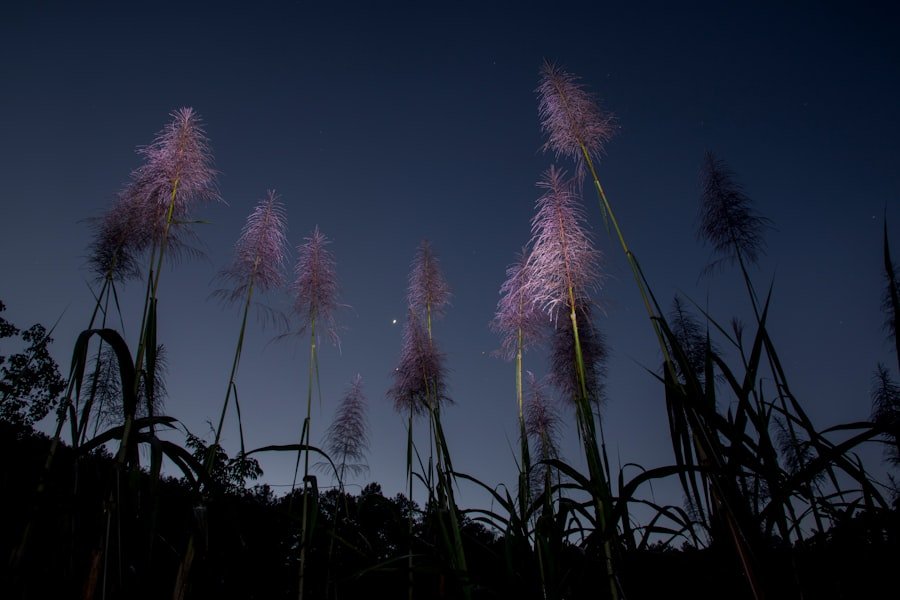
The best season depends less on a single “perfect” month and more on the activity you care about most. Summer provides the broadest range of options, but spring, fall, and winter each have advantages that summer cannot match.
| Activity | Best Time | Why |
|---|---|---|
| Swimming, boating, lake vacations | June–August | Warmest air and water conditions with long daylight hours |
| Hiking | Late May–June and September–October | Comfortable temperatures and attractive scenery |
| Fall foliage | Mid-September–late October | Color moves from northern Minnesota toward the south over several weeks |
| BWCA canoe trips | June–September | Open-water travel and more manageable temperatures |
| Birdwatching | Spring and fall migration | Seasonal movement brings a wider variety of birds through the state |
| Skiing and snowshoeing | January–February, weather permitting | Typically the heart of Minnesota’s sustained winter conditions |
| Ice fishing | Midwinter, only when local ice conditions are verified | Established ice-fishing season, but safe ice can never be assumed |
For warm-weather recreation, June through August gives you the greatest flexibility. Spring is rewarding for returning wildlife, wildflowers, and fishing, while early fall combines comfortable hiking temperatures with changing foliage. Winter is the obvious choice when snow and ice are part of the experience you want.
Best Time to Visit Minnesota for Fewer Crowds and Better Value
Summer is popular because nearly every major outdoor activity is available, but demand is not uniform. Lake resorts and North Shore accommodations can be busiest on summer weekends, while the Twin Cities see extra demand around major events such as the State Fair.
For a quieter trip, consider late May to early June before the busiest part of summer, or September after many family vacations have ended. Fall-color weekends can still be busy on the North Shore and at popular state parks, so weekday stays are often easier to plan than Friday and Saturday nights.
Winter can offer good value for travelers focused on museums, restaurants, and urban attractions, but ski destinations and holiday weekends may have their own peak demand. Accommodation prices vary too much by location and event to treat any one season as universally cheapest.
Which Region of Minnesota Should You Visit?
Minnesota’s regions have their own rhythm. The Twin Cities — Minneapolis and St. Paul — offer museums, restaurants, sports, parks, and cultural attractions throughout the year. Summer brings patios and festivals, while winter adds skating, cross-country skiing, and seasonal events.
The North Shore of Lake Superior is strongest for waterfalls, hiking, scenic Highway 61 drives, and fall color from late spring through autumn. Winter changes the focus toward skiing, snowshoeing, frozen waterfalls, and cold-weather scenery.
The Boundary Waters Canoe Area Wilderness is best known for paddling and backcountry camping. A permit is always required. Overnight paddle, motor, and hiking trips from May 1 through September 30 generally require a quota permit, while visitors entering from October 1 through April 30 use self-issued permits. Review the current BWCAW permit rules on Recreation.gov and check Superior National Forest alerts before departure because fires, storms, and temporary closures can affect access.
Southern Minnesota and the Mississippi River bluff country are especially attractive in fall. Wooded slopes, river overlooks, small towns, orchards, and scenic Highway 61 make the region a strong choice after much of northern Minnesota has passed peak color.
Best Time to Visit Minnesota for Cultural Events and Festivals
Summer and early fall have the densest concentration of large outdoor events. The Minnesota State Fair is the centerpiece of the calendar, combining agriculture, food, live entertainment, exhibits, competitions, and midway attractions.
For 2026, the Minnesota State Fair runs August 27 through Labor Day, September 7. Because attendance can be extremely high, visitors coming specifically for the fair should arrange lodging and transportation well ahead of time.
The Minnesota Renaissance Festival also spans late summer and early fall. Its 2026 season runs weekends from August 22 through October 4, plus Labor Day on September 7 and Festival Friday on October 2.
Smaller communities hold arts, music, food, ethnic-heritage, and harvest festivals throughout the warmer months. Explore Minnesota is useful for checking statewide events close to your travel dates.
Winter has its own cultural calendar as well. St. Paul’s winter celebrations, holiday events, indoor arts venues, museums, and seasonal attractions give visitors plenty to do even when outdoor temperatures are severe.
What Travelers Should Know for 2026
Several trip-planning details are worth checking before a 2026 visit:
- Minnesota State Fair: August 27–September 7, 2026.
- Minnesota Renaissance Festival: weekends August 22–October 4, 2026, plus September 7 and October 2.
- Fishing: the 2026 general fishing opener was May 9; species-specific dates and special regulations still apply.
- Fishing licenses: Minnesota DNR launched a new electronic licensing system on June 9, 2026, with digital purchasing and license-storage options. See the DNR licensing announcement.
- Fall foliage: check the DNR Fall Color Finder close to your trip rather than relying on a calendar date chosen months in advance.
- Winter driving: review Minnesota 511 before long drives and pay attention to road closures and no-travel advisories.
Packing Tips for Every Season
- Spring: Pack layers, a waterproof jacket, and sturdy footwear for wet or muddy trails. Add tick repellent for wooded areas.
- Summer: Bring lightweight clothing, sunscreen, rain protection, and insect repellent. A light layer is useful for cooler evenings near Lake Superior.
- Fall: Pack layers, a rain shell, and a warm jacket. Morning and evening temperatures can be much cooler than afternoon highs.
- Winter: Bring an insulated coat, thermal base layers, waterproof insulated boots, warm socks, hat, gloves or mittens, and clothing suitable for temperatures below 0°F if the forecast calls for extreme cold.
Choosing the Best Time to Travel to Minnesota
For most first-time visitors, June through August is the best overall window because lakes, trails, parks, festivals, and road-trip routes are all easy to combine. Travelers who prefer crisp air and autumn scenery should look instead at late September through October and follow the live foliage map as their trip approaches.
Spring is a good choice for bird migration, fishing, and a quieter atmosphere, particularly later in May. Winter deserves consideration rather than automatic avoidance if skiing, snowshoeing, winter festivals, or ice fishing are important parts of the trip.
Where you go matters as much as when you go. A September trip to the Boundary Waters feels very different from an October drive along the Mississippi River or a February ski weekend on the North Shore. Match the month to your main activity first, then check local weather and conditions before departure.
If fishing is central to your itinerary, bringing compact travel-friendly equipment can make road trips and fly-in travel easier; this guide to a travel fishing pole covers portable options. Regardless of the season, Minnesota rewards travelers who plan around its regional differences instead of treating the whole state as having one weather pattern.
Frequently Asked Questions
What is the best time to travel to Minnesota?
June through August is the best overall time for warm weather, lakes, hiking, camping, and festivals. Late September through October is better for fall colors, while winter is ideal for skiing, snowshoeing, and other snow-based activities.
What is the weather like in Minnesota during the summer?
In the Twin Cities, 1991–2020 normal high temperatures are about 79°F in June, 83°F in July, and 81°F in August. Northern Minnesota is generally cooler. Humidity, thunderstorms, mosquitoes, and short periods of hotter weather are also possible.
When is the best time to see fall colors in Minnesota?
Plan generally from mid-September through late October. Northern and inland areas tend to turn first, while southeastern Minnesota often peaks later. Weather changes the schedule each year, so check the Minnesota DNR Fall Color Finder shortly before your trip.
What major Minnesota festivals take place in 2026?
The 2026 Minnesota State Fair runs August 27 through September 7. The Minnesota Renaissance Festival runs weekends from August 22 through October 4, plus Labor Day on September 7 and Festival Friday on October 2.
What are the most popular outdoor activities in Minnesota during summer?
Popular summer activities include boating, swimming, fishing, canoeing, camping, hiking, biking, and visiting state parks. The North Shore and Minnesota’s lake regions are especially popular from June through August.
Is Minnesota crowded during the summer?
Some destinations are. Summer weekends can be busy at lake resorts, North Shore attractions, campgrounds, and major events. Fall-color weekends can also draw heavy traffic. For lighter crowds, consider weekdays, late May to early June, or September outside major event periods.
Can you visit the Boundary Waters in winter?
Yes. The Boundary Waters Canoe Area Wilderness is accessible in winter, although travel becomes a cold-weather wilderness undertaking rather than a canoe trip. A permit is always required; visitors entering from October 1 through April 30 use self-issued permits. Check Forest Service conditions and alerts before departure.
Sources
- NOAA National Centers for Environmental Information — U.S. Climate Normals — 1991–2020 temperature normals and climate reference data
- Minnesota Department of Natural Resources — Fishing Seasons — current fishing opener and species-season dates
- Minnesota DNR — Fall Color Finder — current and historical fall-color progression
- Minnesota DNR — Ice Safety — official frozen-lake safety guidance
- Minnesota State Fair — official 2026 fair dates and visitor information
- Recreation.gov / U.S. Forest Service — Boundary Waters Canoe Area Wilderness — seasonal BWCAW permit requirements
