
Last Updated on September 11, 2026 by Daniel Globe
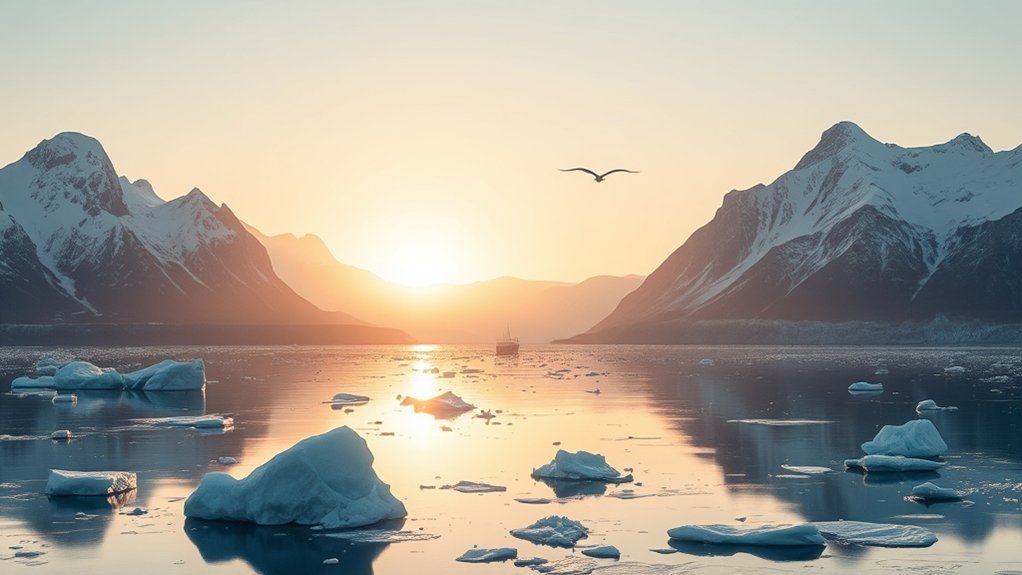
There is no single best time to visit Svalbard because each season delivers a very different Arctic experience. June is one of the strongest all-round choices if you want the Midnight Sun, summer boat trips, birdlife, photography, hiking opportunities, and relatively mild Arctic weather. For snowmobiling and dog sledding, March and April are usually better, while the darker months are the time to consider if seeing the Northern Lights is a priority.
Quick Answer
For the broadest mix of daylight, wildlife, cruises, hiking, and Arctic scenery, June through August is usually the easiest period to visit Svalbard. Choose June for continuous daylight and an early-summer feel, July for the mildest conditions, August for softer light, or March–April for snow-based adventures.
Key Takeaways
- June is a great all-round summer month, but there is no universally best time to visit Svalbard.
- Longyearbyen experiences the Midnight Sun from about April 19 to August 23.
- March and April are excellent for snowmobiling, skiing, and traditional dog sledding when conditions cooperate.
- Polar-bear sightings are never guaranteed; there are no organized polar-bear safaris in Svalbard.
- Weather, sea ice, snow, and wildlife can change quickly, so activity availability should always be checked close to your trip.
Disclosure: As an Amazon Associate I earn from qualifying purchases. Some links on this page are affiliate links, at no extra cost to you.
When Is the Best Time to Visit Svalbard?
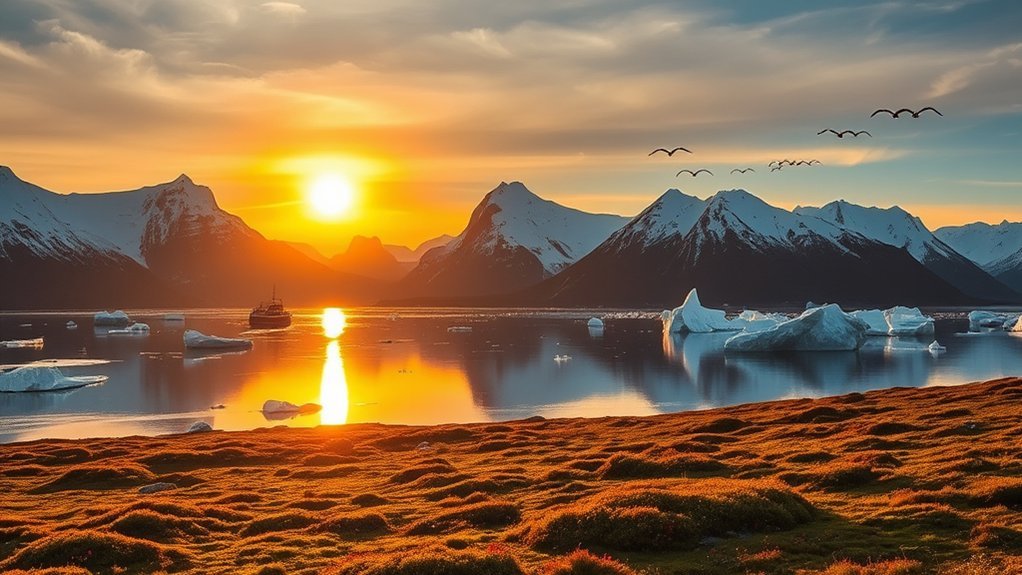
The best time to visit Svalbard depends on what you want to do. Official tourism guidance divides the year into three main seasons: Polar Summer from mid-May through September, Northern Lights Winter from October through February, and Sunny Winter from March to mid-May. You can review the current seasonal definitions on Visit Svalbard’s official seasons guide.
If you want the easiest combination of boat trips, hiking, kayaking, birdlife, long sightseeing days, and access to summer excursions, June through August is the most practical window. Summer temperatures are still Arctic: Visit Svalbard advises travelers to expect roughly 0°C to 10°C, with wind and sudden weather changes capable of making it feel much colder.
June is especially appealing because daylight is continuous, snow and ice may still give the landscape a strongly Arctic appearance, and summer excursions are increasingly available. July generally brings the mildest part of summer, while late August introduces darker evenings and the beginning of Svalbard’s short golden autumn.
Pro Tip: Book accommodation and popular guided activities well ahead for both Polar Summer and Sunny Winter. Svalbard has limited capacity, and weather or sea-ice conditions can still change an itinerary after you arrive.
Svalbard Seasons at a Glance
| Period | Best For | What to Expect |
|---|---|---|
| October–February | Northern Lights, Polar Night, winter atmosphere | Darkness or long twilight, cold conditions, winter activities depending on snow |
| March–mid-May | Snowmobiling, dog sledding, skiing, bright snow landscapes | Full winter terrain with rapidly increasing daylight; Midnight Sun begins in late April |
| Mid-May–August | Midnight Sun, cruises, kayaking, hiking, birdlife | Continuous daylight through August 23 in Longyearbyen and generally milder conditions |
| Late August–September | Golden autumn, photography, hiking, changing light | Sunsets return, tundra colors change, and conditions become more autumnal |
How Svalbard Changes From March to May
March through mid-May is known locally as Sunny Winter. Despite increasing daylight, the landscape is still very much in winter mode, with extensive snow and ice. Visit Svalbard describes March through May as one of the key periods for snowmobiling, dog sledding, skiing, and other snow-based excursions.
March begins with daylight returning strongly after the darker winter period. By April, days become dramatically brighter, and the Midnight Sun reaches Longyearbyen around April 19. Snow conditions often remain good enough for major winter adventures even as the sun stays above the horizon around the clock.
May is a transition month. The first signs of snowmelt become more noticeable, migratory birds return, and some winter activities gradually give way to summer operations. The exact changeover is not fixed: snow depth, sea ice, temperature, and local conditions determine when individual tours stop or start.
If your priority is traditional snowmobiling or dog sledding across snow rather than summer wheeled dog sleds, March and April generally offer a more dependable combination of snow and usable daylight than June.
What June Weather and Daylight Feel Like
June feels bright, cool, and distinctly Arctic. Summer temperatures in Svalbard commonly fall within a broad 0°C to 10°C range, although individual days may be colder or milder. Wind is often more important than the thermometer alone, and weather can change quickly.
You may encounter snow patches, wet ground, wind, fog, sunshine, or light precipitation during the same trip. Waterproof outer layers and warm insulating clothing remain essential even though June is considered summer.
In Longyearbyen, the Midnight Sun lasts from roughly April 19 until August 23, so the sun does not set at all during June.
The constant daylight gives you unusual flexibility for sightseeing and photography, but it can also make sleeping harder. Blackout curtains are common in accommodation, yet a comfortable sleep mask is worth packing.
June is also an active period for migratory birds and other wildlife. However, wildlife is wild and mobile, so species sightings, locations, and timing can never be guaranteed.
Why Visit Svalbard in June?
June is one of Svalbard’s most versatile months. The 24-hour daylight makes it possible to schedule long excursions without worrying about sunset, while expanding summer access supports boat tours, birdwatching, photography, kayaking, and hiking when local conditions permit.
The month also preserves more of an early-season Arctic feel than the warmest part of summer. Snow may remain on mountains and in valleys, sea ice can still influence some routes, and the landscape can look dramatically different from late July or August.
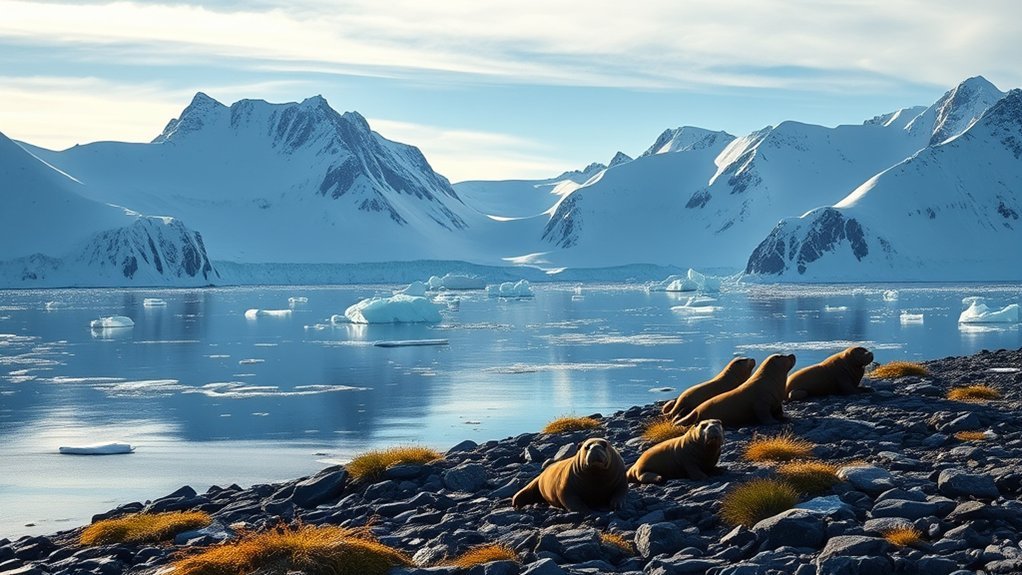
Wildlife interest is another major reason to visit. Migratory birds are active, walruses may be encountered on appropriate boat excursions, and whales or other marine mammals may appear in Svalbard waters. Polar bears are present in the archipelago throughout the year, but their movements are unpredictable.
Note: Do not choose June solely because you expect to see a polar bear. Visit Svalbard’s official polar-bear guidance states that there are no organized polar-bear safaris and that sightings cannot be predicted. Seeing one should be treated as a rare bonus rather than a promised part of a trip.
Best Activities in Svalbard by Month
The best Svalbard activities change quickly with the light, snow, sea ice, and weather. Some experiences overlap seasons, but your choice of month can dramatically change what a trip feels like.
Winter Adventures by Month
January and February offer the dark-season atmosphere, long twilight, and opportunities to look for the Northern Lights. Dog sledding and snowmobile experiences may operate when snow conditions allow. Polarjazz, held around the first weekend of February, is one of Longyearbyen’s best-known winter cultural events.
March and April combine snow-covered landscapes with rapidly increasing daylight. These are standout months for snowmobiling, dog sledding, skiing, ice-cave excursions, and longer guided trips. Sun Festival Week celebrates the returning sun in early March, while the Svalbard Ski Marathon is traditionally an April event.
May is transitional. Snow-based trips may still operate, especially earlier in the month, but conditions can change quickly as temperatures rise. Dog sledding remains possible in summer using specially designed wheeled carts once snow sleds are no longer practical.
Summer Wildlife and Cruises
June marks the beginning of the most versatile summer period. Boat trips increasingly reach fjords and coastlines, while hiking, kayaking, birdwatching, and photography become major attractions. Snow and sea ice can still affect specific routes.
July is generally the mildest part of the short Arctic summer and is excellent for hiking, kayaking, expedition cruises, and bird cliffs. This is also a very popular travel period, so advance reservations are wise.
August remains strong for cruises, hiking, kayaking, wildlife watching, and photography. The Midnight Sun ends around August 23 in Longyearbyen, after which real sunsets and softer evening light return. Late August begins the transition into the golden-autumn period.
September offers changing tundra colors, darker evenings, and an increasingly autumnal atmosphere. Summer-style excursions can still operate, but weather and daylight become more limiting as the month progresses.
Festivals, Lights, and Seasons
Svalbard has cultural events throughout the year, but dates can change, so check the official Visit Svalbard events calendar before booking around a festival.
- Polarjazz is normally held around the first weekend of February.
- Sun Festival Week celebrates the returning sun in early March.
- Svalbard Ski Marathon is normally held in April.
- Spitsbergen Marathon takes place around early June and offers a very different way to experience the Midnight Sun season.
- Taste Svalbard and Dark Season Blues bring food and music events to Longyearbyen in October.
June itself is better known for natural events than for a specific bird festival: migratory birds, nesting colonies, continuous daylight, and expanding summer access are the main draws.
June vs July vs August in Svalbard
All three months can work well, but they do not feel identical. June gives you an early-summer landscape with continuous daylight and more lingering snow. July is usually the mildest month and offers mature summer conditions. August remains excellent for outdoor trips while introducing softer light and, after August 23, the return of sunsets.
| Month | Typical Feel | Best For | Light |
|---|---|---|---|
| June | Cool early summer; snow patches and variable sea ice may remain | Midnight Sun, birdlife, cruises, photography, early hiking | 24-hour sun |
| July | Usually the mildest summer conditions | Hiking, kayaking, cruises, bird cliffs, long excursions | 24-hour sun |
| August | Cool summer shifting toward autumn late in the month | Hiking, cruises, marine wildlife, photography, changing tundra colors | Midnight Sun until about Aug. 23, then sunsets return |
Choose June for the strongest early-summer Arctic character, July for the mildest and most established summer conditions, or August if you prefer changing light and the first hints of autumn.
Best Time for Northern Lights, Wildlife, and Snow Activities
Best Time for the Northern Lights
You need darkness to see the aurora, so summer is not the right season. Svalbard’s Northern Lights Winter runs from October through February, with the darkest period centered on the Polar Night. January and February are especially interesting if you want the possibility of seeing aurora during hours that would normally be daytime.
The Northern Lights are never guaranteed. Cloud cover and solar activity matter, so build several nights into your trip rather than expecting one scheduled excursion to deliver a sighting.
Best Time for Wildlife
Summer offers the broadest mix of easily observed bird and marine life. Migratory birds arrive in large numbers, walrus haul-outs can be visited on suitable guided trips, and various whale species may be encountered around the archipelago.
Polar bears require different expectations. They can occur throughout Svalbard at any time of year, but there is no dependable month, location, or tour that guarantees a sighting. Responsible operators do not chase or deliberately approach bears.
Best Time for Snowmobiling and Dog Sledding
March and April are among the best months for travelers who want both snow and substantial daylight. Snowmobile routes and traditional sled-based dog trips depend on safe snow and ice conditions, so the exact operating season changes from year to year.
Dog sledding can continue during the snow-free season with wheeled carts, but the experience is very different from traveling across a frozen winter landscape.
Svalbard Safety and Current Travel Rules
Svalbard is not a destination where visitors should treat wilderness travel like an ordinary independent hike. Weather changes rapidly, communications and rescue access can be limited, and polar bears may occur anywhere outside settlements.
Warning: Never approach a polar bear for a photograph. Current rules prohibit unnecessarily disturbing, attracting, or pursuing polar bears. You must generally remain at least 300 meters away, increasing to 500 meters from March 1 through June 30. If a bear is discovered closer than the required distance, you must retreat where the rule applies.
Anyone traveling outside settlements must take polar-bear safety seriously. The Governor of Svalbard requires suitable means of scaring off polar bears outside settlements and recommends carrying an appropriate firearm. Firearm possession, borrowing, transport, and use are strictly regulated, and loaded firearms are prohibited within Longyearbyen’s settlement area.
For most visitors, the simplest and safest approach is to join an organized excursion with an experienced local operator rather than arranging independent wilderness travel.
New Field Operation Safety Regulations took effect on January 1, 2026. Depending on where you travel and the type of activity, registration or permission may be required. Participants on organized tourism activities normally rely on the tour company to handle the applicable obligations. Check the Governor’s current travel guidance before an independent trip.
What to Pack for Svalbard in June
June is summer on the calendar, but you should pack for cold wind, wet weather, and rapid changes rather than for a conventional European summer.
- Base layers: Wool or synthetic thermal tops and bottoms.
- Insulating layer: Fleece, wool, or a light insulated jacket.
- Outer shell: Windproof and waterproof jacket and trousers.
- Footwear: Warm, sturdy, water-resistant boots suitable for the activity.
- Accessories: Warm hat, gloves, neck protection, and spare socks.
- Sun protection: Sunglasses and sunscreen; snow, water, and constant daylight can increase glare.
- Sleep mask: Very useful during 24-hour daylight.
- Small daypack: Keep an extra layer and waterproof protection with you even on short outings.
Always follow the equipment list supplied by your guide. Boat trips, glacier travel, kayaking, and longer hikes may require specialized gear that is often provided by the operator.
Which Svalbard Season Fits Your Trip?
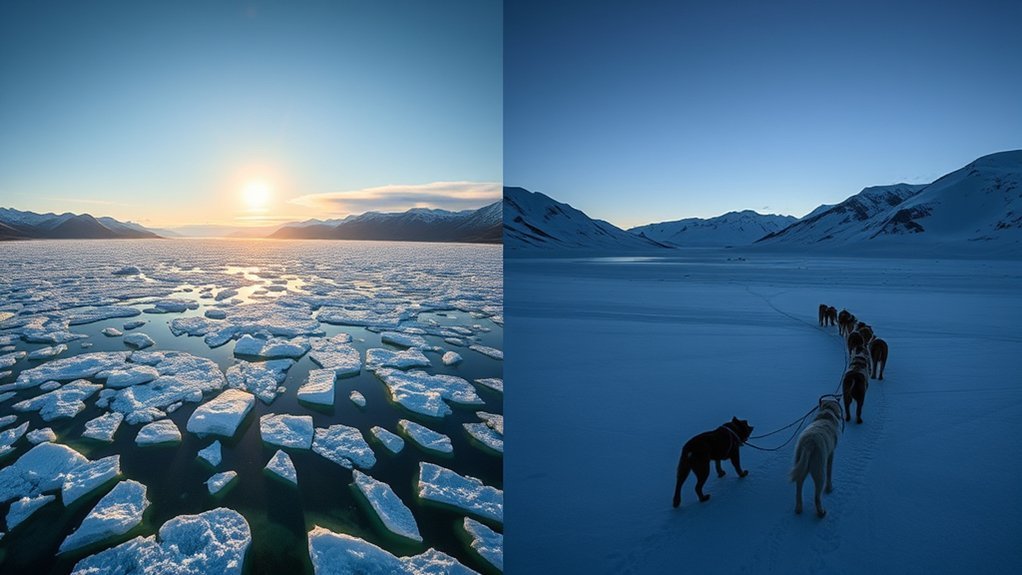
The right Svalbard season comes down to the experience you value most. June remains one of the easiest recommendations for a first summer visit, but another month may suit your priorities better.
- For the widest summer activity mix: Choose June through August for boat trips, hiking, kayaking, birdlife, and expedition-style excursions.
- For the Midnight Sun: Travel between late April and August 23, with June and July giving you uninterrupted daylight throughout the month.
- For snow adventures: March and April offer a strong combination of snow, increasing daylight, snowmobiling, and dog sledding.
- For Northern Lights: Look toward October through February, when genuine darkness returns.
- For photography: June offers endless bright light, while late August and September provide more dramatic sunrise/sunset-style color and changing tundra.
- For wildlife: Summer provides excellent bird and marine-wildlife opportunities, but never plan a trip around a guaranteed polar-bear sighting.
- For culture: Winter and autumn bring events such as Polarjazz, Sun Festival Week, Taste Svalbard, and Dark Season Blues.
If you are visiting Svalbard for the first time and want a broad introduction rather than one specialist activity, June or July is an excellent starting point. If your dream is snowmobiling across a frozen landscape, March or April is the stronger choice.
Frequently Asked Questions
Is June a good time to visit Svalbard?
Yes. June is excellent for 24-hour daylight, summer boat trips, birdlife, photography, kayaking, and hiking when conditions allow. It also retains more snow and early-season Arctic character than the warmest part of summer.
What is the best time of year to visit Svalbard?
June through August is the easiest period for a broad summer trip, while March and April are better for snowmobiling and traditional dog sledding. October through February is the season to consider for the Northern Lights. The best choice depends on your main goal.
What are the unusual rules in Svalbard?
It is not illegal to die in Svalbard; that is an urban myth. Coffin burials are restricted, although qualifying urn burials are possible. Bringing a dog to Svalbard requires permission, firearms are strictly regulated, and travelers must follow special wildlife and field-safety rules outside settlements.
What should you wear in Svalbard in June?
Wear thermal base layers, an insulating mid-layer, a windproof and waterproof shell, sturdy boots, warm socks, gloves, and a hat. Sunglasses are useful under constant daylight, and a sleep mask can help at night.
Can you see polar bears in Svalbard in June?
It is possible, but you should never expect or count on it. Polar bears roam over huge areas, and their movements depend heavily on sea ice and food. Official tourism guidance says sightings cannot be predicted and there are no organized polar-bear safaris.
Can you see the Northern Lights in Svalbard in June?
No. June has 24-hour daylight, so the sky never becomes dark enough for normal aurora viewing. For the Northern Lights, visit during the darker season from roughly October through February.
Conclusion
The best time to visit Svalbard depends on what you want from the Arctic. June is one of the best all-round months for continuous daylight, summer excursions, birdlife, cruises, photography, and an early-season landscape that may still hold plenty of snow. July is usually the mildest summer choice, while August adds changing light and the start of golden autumn.
If snowmobiling, skiing, or traditional dog sledding is the priority, look instead toward March and April. If seeing the Northern Lights matters most, visit during the darker months. Whichever season you choose, treat weather and wildlife as unpredictable, book important activities early, and follow local safety guidance once you leave Longyearbyen.
Sources
- Visit Svalbard — Seasons — official definitions of Polar Summer, Northern Lights Winter, Sunny Winter, and Midnight Sun periods.
- Visit Svalbard — Everything You Need to Know Before Departure — weather, climate, daylight, and practical travel guidance.
- Visit Svalbard — Polar Bears — realistic sighting expectations and responsible visitor guidance.
- Governor of Svalbard — Travel in Svalbard — current field-travel, registration, and safety requirements.
- Governor of Svalbard — Firearms — polar-bear deterrence and firearm rules.
- Governor of Svalbard — Environmental Regulations — current polar-bear disturbance and minimum-distance requirements.
