Last Updated on July 25, 2026 by Ethan Caldwell
Cairo is sunny and dry for most of the year, but the season can change how comfortable your sightseeing feels. Official climate normals show average daytime highs near 19°C (66°F) in January and about 35°C (95°F) from June through August, with cooler nights in every season. For most travelers, late October through April offers the easiest weather for pyramids, markets, museums, and Nile outings.
Quick Answer
The best time to visit Cairo is usually from late October through April. November through February brings the coolest sightseeing weather, while March and April are warmer with a greater chance of dusty khamsin winds. Summer is very hot, so plan outdoor activities for early morning or evening.
Key Takeaways
- Best overall weather: Late October through April.
- Coolest months: December through February, with mild days and cool nights.
- Hottest months: June through August, when average highs are about 34-35°C (94-95°F).
- Dust risk: Hot, dry khamsin winds are most likely from late winter through spring.
- What to pack: Sun protection, comfortable walking shoes, breathable modest clothing, and a light layer for evenings.
Disclosure: As an Amazon Associate I earn from qualifying purchases. Some links on this page are affiliate links, at no extra cost to you.
When Is the Best Time to Visit Cairo?
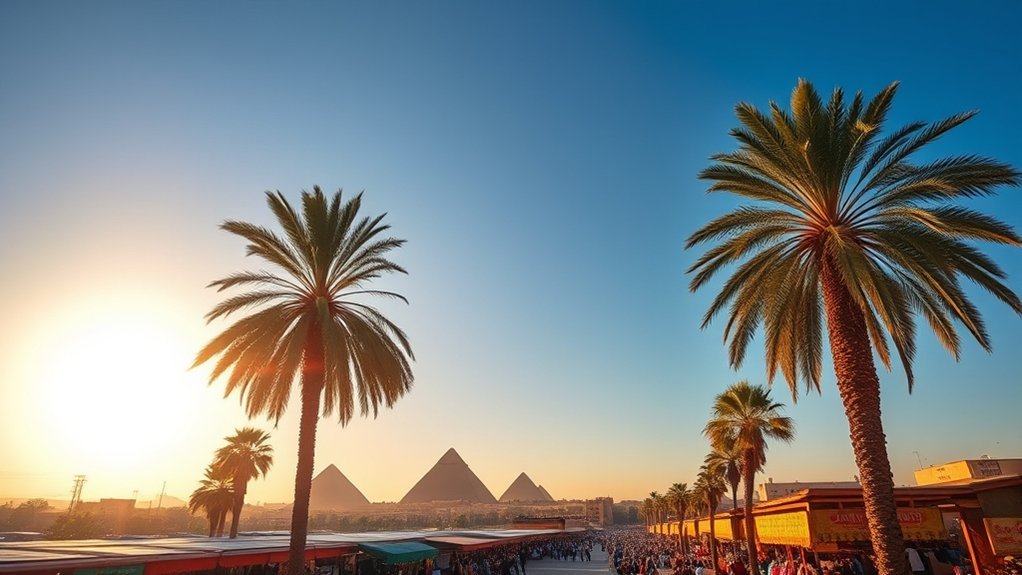
For comfortable sightseeing, the best time to visit Cairo is generally late October through April. Daytime temperatures are milder than in summer, and walking around the Giza Plateau, Islamic Cairo, Coptic Cairo, and outdoor markets is usually easier.
| Travel Priority | Best Period | What to Expect |
|---|---|---|
| Most comfortable sightseeing | Late October to April | Warm or mild days with cooler evenings |
| Coolest weather | December to February | Average daytime highs near 19-20°C (66-69°F) |
| Warm weather without peak summer heat | March to April or October to November | Good outdoor conditions, although spring can be dusty |
| Lowest chance of rain | June to September | Very dry but hot, especially at midday |
Winter can feel busier around major attractions and holiday periods. March, April, October, and November can offer a useful balance between comfortable weather and crowd levels, but May and September are often hotter than the phrase “shoulder season” suggests.
Note: Ramadan follows the Islamic lunar calendar, so its dates change each year. Shop, restaurant, attraction, and transport schedules may shift. Check opening hours and local guidance before each outing, and avoid eating, drinking, or smoking openly in public during fasting hours where doing so may cause offence.
What Weather Should You Expect in Cairo Year-Round?
Cairo has a hot desert climate with abundant sunshine, very little rain, and noticeable differences between daytime and nighttime temperatures. The monthly figures below come from the World Meteorological Organization’s Cairo climatology, supplied by the Egyptian Meteorological Authority and based on 1981-2010 averages. Use them for trip planning, then check a short-range forecast before you travel.
| Month | Average Low | Average High | Average Rainfall |
|---|---|---|---|
| January | 9.7°C (49°F) | 19.0°C (66°F) | 4.8 mm |
| February | 10.3°C (51°F) | 20.3°C (69°F) | 4.1 mm |
| March | 12.3°C (54°F) | 23.4°C (74°F) | 5.7 mm |
| April | 15.4°C (60°F) | 28.2°C (83°F) | 1.1 mm |
| May | 18.4°C (65°F) | 31.9°C (89°F) | 0.4 mm |
| June | 21.4°C (71°F) | 34.6°C (94°F) | 0.0 mm |
| July | 22.9°C (73°F) | 34.8°C (95°F) | 0.0 mm |
| August | 23.3°C (74°F) | 34.5°C (94°F) | 0.0 mm |
| September | 21.7°C (71°F) | 33.1°C (92°F) | 0.1 mm |
| October | 19.0°C (66°F) | 29.7°C (85°F) | 0.4 mm |
| November | 14.6°C (58°F) | 24.7°C (76°F) | 3.7 mm |
| December | 11.0°C (52°F) | 20.4°C (69°F) | 4.5 mm |
Cairo’s official climate normals show average daily highs of about 34.5-34.8°C (94-95°F) from June through August, with virtually no average rainfall during those months.
Understanding Cairo’s Seasonal Temperature Variations
Cairo’s seasons are defined more by temperature than rainfall. Winter is mild, spring warms quickly and can become dusty, summer is consistently hot, and fall cools gradually after September.
Seasonal Temperature Overview
- Winter, December to February: Average highs stay near 19-20°C (66-69°F), while average lows fall near 10-11°C (49-52°F).
- Spring, March to May: Average highs rise quickly from 23.4°C (74°F) in March to 31.9°C (89°F) in May. Dusty wind events are possible.
- Summer, June to August: Average highs remain close to 35°C (95°F), and nights stay warm at about 21-23°C (71-74°F).
- Fall, September to November: September is still hot, but average highs fall to 29.7°C (85°F) in October and 24.7°C (76°F) in November.
Day and Night Variations
The difference between daytime and nighttime temperatures matters most when you leave early, stay out after sunset, or visit desert-edge attractions such as the Giza Plateau.
| Season | Typical Average High Range | Typical Average Low Range | Useful Layer |
|---|---|---|---|
| Winter | 19-20°C (66-69°F) | 10-11°C (49-52°F) | Sweater or light jacket |
| Spring | 23-32°C (74-89°F) | 12-18°C (54-65°F) | Light jacket for early spring evenings |
| Summer | 34-35°C (94-95°F) | 21-23°C (71-74°F) | Very light sun-covering layer |
| Fall | 25-33°C (76-92°F) | 15-22°C (58-71°F) | Light layer by November |
Packing for Cairo’s Climate
- Winter: Pack long trousers or jeans, breathable shirts, a sweater, and a light-to-medium jacket for mornings and evenings.
- Spring: Bring lightweight layers, sunglasses, sunscreen, and a scarf that can help protect your face during dusty weather.
- Summer: Choose loose, lightweight clothing, a wide-brimmed hat, sunglasses, sunscreen, and a refillable water bottle.
- Fall: Pack summer clothing for September and October, then add a light jacket or sweater for November evenings.
Khamsin Winds, Dust, and Air Quality
Spring weather in Cairo can change quickly when khamsin winds carry hot, dry air and dust from desert areas. The Cairo Governorate weather alert, citing the Egyptian Meteorological Authority, describes khamsin conditions as a seasonal phenomenon that can occur from February through June.
During a dusty spell, visibility may fall and outdoor sightseeing can become uncomfortable. Check the daily forecast, keep windows closed when dust is heavy, protect your eyes, and move long outdoor activities to a clearer day. Travelers with asthma or another breathing condition should keep prescribed medicine accessible and follow their clinician’s advice.
Pro Tip: Build one flexible indoor block into a spring itinerary. The Egyptian Museum, the National Museum of Egyptian Civilization, or another indoor attraction can replace an outdoor visit if dust or heat becomes uncomfortable.
Essential Tips for Beating the Summer Heat in Cairo
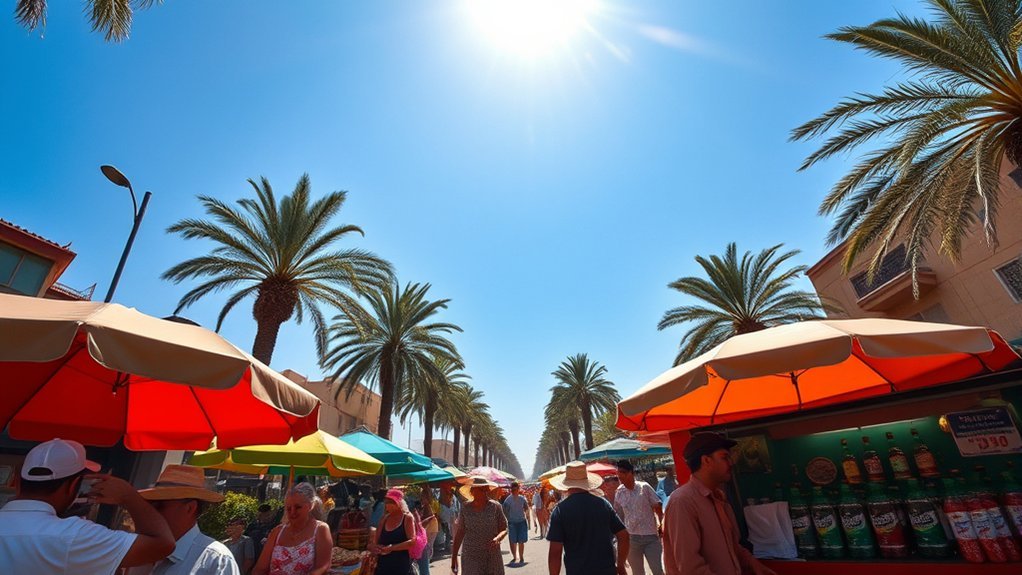
Cairo’s summer heat is demanding even when temperatures stay close to the long-term average high of 34-35°C (94-95°F). Direct sun, hot stone surfaces, traffic, and long periods of walking can make conditions feel harder. Plan around the heat instead of trying to push through it.
| Time of Day | Best Use of Your Time | Heat and Hydration Tip |
|---|---|---|
| Early morning | Pyramids, outdoor ruins, walking tours | Drink water before leaving and carry more than you expect to need |
| Late morning | Finish outdoor visits and move toward shade or air conditioning | Reapply sunscreen and take regular rest breaks |
| Midday to mid-afternoon | Museums, lunch, hotel rest, indoor attractions | Use water as your main drink and avoid excess alcohol |
| Late afternoon | Short visits as temperatures begin to ease | Keep drinking regularly rather than waiting until you feel very thirsty |
| Evening | Nile outings, restaurants, markets, neighborhood walks | Replace fluids after a hot day and eat normally |
The CDC’s hot-climate guidance recommends non-alcoholic fluids, loose and lightweight clothing, sunscreen, shade, rest breaks, and outdoor activities during cooler parts of the day.
Warning: Stop activity and cool down if you develop dizziness, headache, nausea, weakness, or heavy sweating. Confusion, fainting, or a very high body temperature can signal heat stroke and requires urgent medical help.
Fall in Cairo: Comfortable Weather for Outdoor Plans
Fall becomes more comfortable as Cairo moves away from summer. September remains hot, with an average high near 33.1°C (92°F), while October averages about 29.7°C (85°F) and November about 24.7°C (76°F). This gradual cooling makes October and November strong choices for travelers who want warm days without the most intense summer heat.
- Schedule longer walks through historic neighborhoods in the morning or late afternoon.
- Take a Nile cruise when the sun is lower and temperatures are easing.
- Visit open-air sites with a light layer available for a cool November evening.
- Check event dates and ticket availability instead of assuming seasonal festivals occur every year.
What Should You Pack for Cairo’s Winter?
Cairo’s winter is mild by many standards, but it is not warm all day. Average daytime highs are about 19-20°C (66-69°F), while average nighttime lows are about 10-11°C (49-52°F). A layered outfit is more useful than one heavy coat because sunshine can feel warm and shade can feel cool.
- Base clothing: Breathable shirts, blouses, long trousers, or jeans.
- Warm layer: A sweater, hoodie, cardigan, or fleece.
- Outer layer: A light or medium jacket for early mornings, evenings, and windy days.
- Walking gear: Comfortable closed shoes for uneven ground and long museum or site visits.
- Sun protection: Sunglasses and sunscreen, even in winter.
- Modest option: Clothing that covers shoulders and knees for mosques and conservative settings.
How to Stay Comfortable With Day and Night Temperature Differences
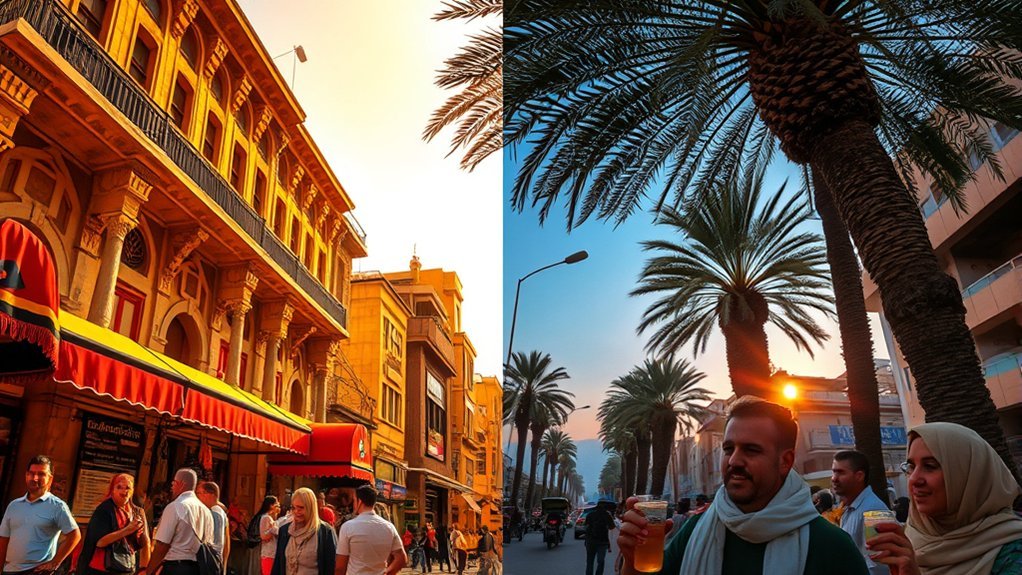
Layering is the simplest way to handle Cairo’s daytime warmth and cooler evenings. Choose pieces that pack easily and can be removed without leaving you exposed to strong sun.
Layering for Versatility
- Base layer: Start with a breathable shirt that feels comfortable during walking.
- Mid-layer: Add a lightweight sweater or long-sleeve shirt in winter, early spring, or late fall.
- Outer layer: Carry a light jacket or cardigan for cool evenings and air-conditioned interiors.
- Accessories: Use a scarf or shawl for warmth, sun coverage, dust protection, or visits to religious sites.
Choosing Appropriate Fabrics
In hot weather, loose cotton, linen, and lightweight moisture-wicking fabrics can reduce discomfort. Long, airy sleeves often protect you from direct sun better than a sleeveless top. In cool weather, combine a breathable base with a sweater or light jacket. Avoid thick, non-breathable fabrics during daytime summer sightseeing.
What to Wear and Cultural Etiquette
Egypt is predominantly Muslim, and modest clothing is the most practical choice in Cairo. The UK government’s Egypt guidance advises visitors to dress modestly, especially in mosques, rural areas, and souqs.
Women can wear shorts in tourist settings, but knee-length or longer styles with a non-revealing top usually attract less attention and work in more places. Men should also avoid very short shorts or sleeveless tops at religious sites. Carrying a light scarf is useful, although entry rules vary by mosque and some sites may provide coverings.
Current Cairo Travel Safety and Health
Warning: Travel conditions and official advisories can change quickly. Check guidance from your own government immediately before booking and again before departure. Do not rely on an evergreen article as your only safety source.
As of July 25, 2026, the U.S. Department of State lists Egypt at Level 2, “Exercise Increased Caution”, and identifies higher-risk areas including the Northern and Middle Sinai Peninsula, the Western Desert, and Egyptian border areas. Cairo is not listed as a blanket do-not-travel area, but the advisory still notes risks involving terrorism, crime, health, scams, harassment, demonstrations, and crowded tourist locations.
The UK Foreign, Commonwealth & Development Office also advises against travel to specific parts of Egypt. Review the map and wording for your full route, not only Cairo. Avoid demonstrations, stay alert in crowded places, use reputable transport and tour providers, keep copies of travel documents, and buy insurance that fits your itinerary.
Before traveling, review the CDC Egypt traveler page for current vaccine, food and water, insect, heat, and medical-care guidance. Travelers with chronic health conditions should discuss heat exposure and necessary medicine with a clinician before the trip.
Frequently Asked Questions
Should I bring toilet paper to Egypt?
Carrying a small pack of tissues or toilet paper is sensible. Hotels, airports, museums, and modern malls are often well supplied, but public or roadside restrooms may run out. Carry hand sanitizer too, and follow any posted instructions about where to dispose of paper.
Can a woman wear shorts in Cairo?
Yes, especially in hotels and tourist areas, but longer shorts or loose trousers are more versatile. Cover your shoulders and knees at mosques and in conservative settings. Lightweight, modest clothing can also protect your skin from strong sun.
Is it safe for Americans to visit Cairo right now?
No trip can be guaranteed safe. As of July 25, 2026, the U.S. State Department rates Egypt Level 2, “Exercise Increased Caution,” while placing some regions at a higher risk level. Cairo is not under a blanket do-not-travel warning, but visitors should monitor official alerts, avoid demonstrations, stay alert at tourist sites, and review their full route before departure.
What are the main do’s and don’ts in Cairo?
Dress modestly, ask before photographing people, agree on taxi or service prices when needed, carry water, and respect Ramadan customs. Do not join demonstrations, photograph sensitive government or military sites, display large amounts of cash, or ignore official safety advice.
What is the hottest month in Cairo?
July has the highest average daily maximum in the WMO climatology at 34.8°C (95°F), although June and August are nearly as hot. Individual days can be hotter than the monthly average, so check the forecast and plan around midday heat.
Does it rain much in Cairo?
No. Cairo receives very little rain, and official climate normals show almost none from June through September. Light rain is more likely in the cooler months, but total monthly amounts remain low. A compact rain shell is optional in winter; sun protection is more important year-round.
Conclusion
Cairo is easiest to explore when you match your plans to the season. Late October through April usually offers the best balance for outdoor sightseeing, while summer calls for early starts, indoor midday breaks, and careful heat protection. Pack breathable layers, prepare for cooler evenings and possible spring dust, respect local customs, and check current weather and travel advisories before departure.
Sources
- World Meteorological Organization: Cairo climatology – monthly average minimum and maximum temperatures, rainfall, and rain days.
- Cairo Governorate: Khamsin weather alert – timing and characteristics of seasonal hot, dusty winds.
- CDC: Heat Illnesses for Travelers – hydration, clothing, sunscreen, shade, and activity timing.
- CDC: Egypt Traveler View – health preparation and destination-specific travel guidance.
- U.S. Department of State: Egypt Travel Advisory – current advisory level, regional risks, and traveler precautions.
- UK FCDO: Egypt Travel Advice – regional warnings, insurance, local customs, and Ramadan guidance.