Last Updated on September 10, 2026 by Daniel Globe
The Pacific region contains thousands of islands, but the best month for one destination may be a poor fit for another. Fiji, Samoa, Tonga, French Polynesia, and the Cook Islands share warm tropical weather, yet their rainfall, wildlife seasons, festivals, and peak travel periods differ. Choosing the right window can mean calmer seas, lower humidity, better wildlife opportunities, and fewer weather disruptions.
Quick Answer
The best time to visit Fiji, Samoa, Tonga, the Cook Islands, and most of French Polynesia is generally May through October, when conditions are drier and less humid and cyclone risk is lower. Choose July–October for Tonga whales, May–October for Fiji mantas, or May and October for milder crowds and prices.
The South Pacific is more than beaches and lagoons. Indigenous communities maintain strong connections to the land and sea through language, food, dance, navigation, crafts, music, and village traditions. Exploration, colonization, migration, and cultural exchange have also shaped the region, so responsible travel requires more than choosing a sunny month. It means learning local customs and supporting locally owned accommodation, guides, markets, and wildlife operators.
Key Takeaways
- May through October is the strongest all-around weather window for many tropical South Pacific destinations, but exact dry-season boundaries vary by island group.
- The Southwest Pacific tropical cyclone season normally runs from November through April and is most active from January through March.
- Tonga’s main whale-swim season is July–October, French Polynesia’s whale season is July–November, and Fiji’s best-known manta season is May–October.
- May, September, and October often balance warm weather with lighter crowds than the busiest June–August period.
- Current festival dates, inter-island transport, and wildlife rules should always be checked before booking.
What’s in This Article
Disclosure: As an Amazon Associate I earn from qualifying purchases. Some links on this page are affiliate links, at no extra cost to you.
How South Pacific Seasons Work
The South Pacific lies mainly in the Southern Hemisphere, so summer runs from December to February and winter from June to August. For tropical islands, however, wet season and dry season are more useful planning terms than summer and winter.
- Warmer, wetter period: Usually November through April, with higher humidity, heavier showers, and greater cyclone risk in the Southwest Pacific.
- Cooler, drier period: Usually May through October, although the Cook Islands describe April through November as their drier months.
- Temperate destinations: New Zealand and southern Australia have cooler winters and more noticeable seasonal temperature changes than tropical island nations.
The Southwest Pacific tropical cyclone season normally runs from November through April, with peak activity from January through March. Cyclones can still occur outside those months.
Note: A “dry season” does not guarantee rain-free days. Tropical showers can occur at any time, and rainfall can vary sharply between an island’s windward and leeward coasts.
Best Time to Visit Each South Pacific Destination
| Destination | Strongest Weather Window | Seasonal Highlight | Main Trade-Off |
|---|---|---|---|
| Fiji | May–October | Manta rays are most likely from May–October. | June–August brings higher demand and cooler evenings. |
| Samoa | May–October | Teuila Festival is scheduled for August 31–September 5, 2026. | Rain and humidity rise as November approaches. |
| Tonga | May–October | Licensed whale encounters operate mainly from July–October. | Whale season creates strong demand for rooms and tours. |
| French Polynesia | May–October | Heiva takes place in July; whales visit roughly July–November. | July and August can bring peak-season prices. |
| Cook Islands | April–November | Whales pass from July–October; Vaka Eiva runs November 20–27, 2026. | November is warmer and closer to the wetter season. |
Summer in the South Pacific
Summer runs from December through February and is the warmest, most humid period across many tropical islands. Daytime temperatures often approach 30°C (86°F), and warm seas remain suitable for swimming, snorkeling, diving, and surfing.
Summer also overlaps the wet season in destinations such as Fiji and Samoa. Rain often arrives as intense tropical showers or thunderstorms rather than continuous all-day drizzle, but prolonged wet spells are possible. The current Fiji Meteorological Service outlook states that the Southwest Pacific cyclone season extends from November through April and normally peaks from January through March.
Warning: Cyclone-season travel requires flexible plans. Monitor official forecasts, avoid tight same-day flight and ferry connections, and choose bookings that clearly explain cancellation, delay, and evacuation rules.
Summer can still appeal to travelers who value lush scenery, warmer water, active waterfalls, and fewer visitors outside the Christmas and New Year holiday period. Accommodation may cost less on selected dates, but any savings must be weighed against greater weather uncertainty.
Autumn in the South Pacific

Autumn runs from March through May, but the three months do not offer the same conditions. March remains part of the official cyclone season and can still be hot, humid, and wet. April is transitional, while May marks the start of the drier season in Fiji and Samoa.
Late autumn is especially useful for travelers who want outdoor activities without the strongest June–August demand. Lower humidity can make hiking, coastal walks, village visits, and market trips more comfortable.
Food-focused travelers can visit produce markets and try staples such as taro, breadfruit, yams, coconut, seafood, and tropical fruit. Cooking demonstrations and community meals offer more cultural context than generic resort dining, but availability varies by island and season.
Pro Tip: May is one of the strongest compromise months for Fiji, Samoa, and French Polynesia: the weather is becoming drier, but the busiest midyear travel period has not fully arrived.
Winter in the South Pacific
Winter runs from June through August. For many tropical islands, this is the drier and less humid period rather than a genuinely cold season. Fiji Tourism reports an average dry-season temperature of about 23–24°C (73–75°F), with many days ranging from roughly 19–28°C (66–82°F).
Conditions change sharply at higher latitudes. Auckland has a mild but wetter maritime winter, while Sydney’s long-term July normals at Observatory Hill are approximately 8.1–16.4°C (47–62°F) with 96.3 mm of rain. The table below illustrates why a single “South Pacific winter” forecast is not enough.
| Representative Location | Typical July Temperature | Typical Winter Pattern |
|---|---|---|
| Auckland, New Zealand | Mean near 11°C (52°F) | Mild, changeable, and frequently wet. |
| Sydney, Australia | About 8–16°C (47–62°F) | Cool mornings, mild afternoons, and about 96 mm of normal July rainfall. |
| Coastal Fiji | Often 19–28°C (66–82°F) | Warm tropical days, lower humidity, and less rain than the wet season. |
June through August is also a popular time for diving, sailing, hiking, and beach trips. The trade-off is stronger demand. Resorts, domestic flights, and popular wildlife tours can sell out, especially during school holidays.
Spring in the South Pacific
Spring spans September through November. September and October remain within the drier period for many destinations, while temperatures gradually rise. These months can offer an appealing balance of warm water, comfortable air temperatures, and fewer visitors than July and August.
November is more complicated. It remains one of the Cook Islands’ drier months, but it also marks the official start of the Southwest Pacific cyclone season. Fiji, Samoa, and Tonga may become warmer and more humid as the wet season approaches.
Spring is well suited to travelers interested in festivals, diving, hiking, and flowering tropical landscapes. Underwater visibility may be good at selected dive sites, but local currents, plankton, wind, and recent rainfall matter more than the season alone.
Best Time for Whales and Manta Rays
| Wildlife Experience | Destination | Typical Window |
|---|---|---|
| Humpback whale swimming and watching | Tonga | July–October |
| Humpback whale watching | French Polynesia | July–November |
| Manta ray snorkeling and diving | Fiji, especially the Yasawa Islands | May–October |
| Humpback whale watching | Cook Islands | July–October |
Note: Wildlife seasons describe periods of greater probability, not guaranteed sightings. Sea conditions, feeding patterns, migration timing, and local regulations can change what is possible on any given day.
Pro Tip: Book accredited or licensed wildlife operators early, but leave more than one possible tour day in your itinerary. This gives the operator flexibility to choose safer weather and improves your chance of an encounter.
Events and Festivals in the South Pacific
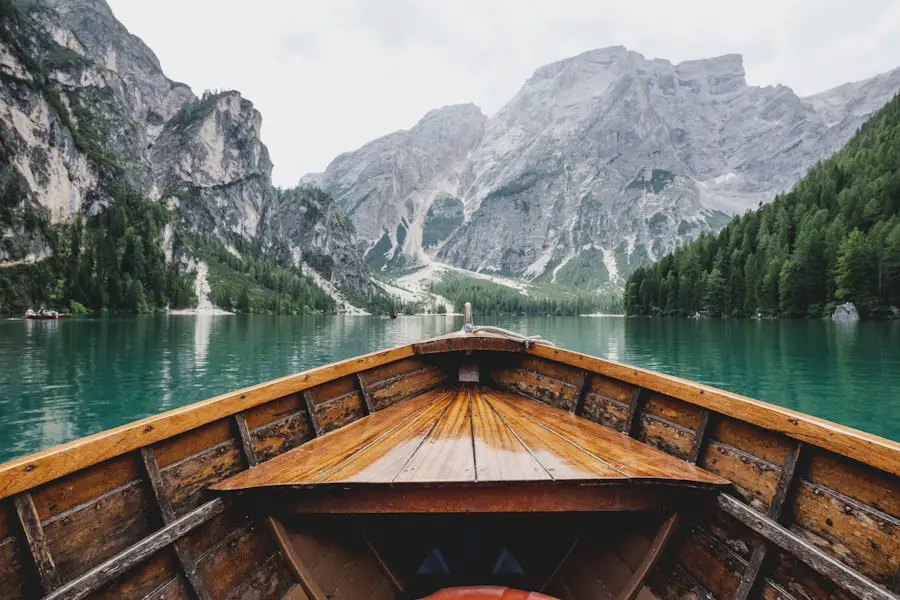
The region’s largest events can affect hotel availability, domestic transport, and local traffic. Published schedules may still change, so verify dates before purchasing nonrefundable travel.
Heiva i Tahiti, French Polynesia
Heiva i Tahiti is one of French Polynesia’s most important cultural events. The 2026 main song and dance programme at To’atā was scheduled for July 2–18, with related traditional sports, crafts, performances, and community events continuing across July. The festival features ‘ori Tahiti dance, hīmene singing, traditional sports, and Tahitian-language performance. Check the official Heiva website for programme updates.
Hibiscus Festival, Fiji
The 2026 Hibiscus Festival is scheduled for August 29–September 5 at Albert Park in Suva. The 70th-anniversary event is expected to include cultural performances, food and craft stalls, pageants, community activities, and a float parade. Review current announcements before booking because venue and programme details can change.
Teuila Festival, Samoa
The Samoa Tourism Authority’s published 2026 calendar lists the Teuila Festival for August 31–September 5. The Apia-based festival celebrates Samoan dance, music, crafts, food, and community traditions. The calendar states that event dates are subject to change.
Vaka Eiva, Cook Islands
Vaka Eiva is scheduled for November 20–27, 2026, at Avarua Harbour and other racing locations around Rarotonga. The 20th-anniversary programme includes ocean races, junior events, singles, relays, ceremonies, and community celebrations. The Cook Islands Tourism event page notes that parts of the programme may be updated.
Note: Festival travel is not always the cheapest option. Reserve accommodation early, check whether roads or ferry services will be affected, and confirm the final programme close to departure.
How to Plan Your South Pacific Trip
Choose Your Month Based on Your Main Priority
- Most reliable dry weather: June through September across many tropical destinations.
- Warm weather with lighter crowds: May, September, or October.
- Tonga whale encounters: July through October.
- Fiji manta rays: May through October.
- Major cultural festivals: July in Tahiti and late August to early September in Fiji and Samoa.
- Potentially lower prices: Selected dates in April, May, October, and November, excluding festivals and holiday periods.
Build Flexibility Into Cyclone-Season Travel
If you travel between November and April, check the latest outlook from the Fiji Meteorological Service and destination-specific forecasts. Avoid building an itinerary around separate international, domestic, and ferry tickets with no recovery time between them.
Read the full terms of any travel-insurance policy before purchase. Some policies limit coverage once a cyclone or major weather system has been named or publicly forecast. Confirm coverage for delays, cancellation, additional lodging, missed connections, medical care, and evacuation.
Allow Time for Inter-Island Connections
Remote islands often rely on small aircraft, ferries, and open-water transfers. Wind, waves, visibility, and mechanical issues can disrupt schedules even during the dry season. Where possible, return to the international gateway at least one day before a long-haul flight.
Pack for Sun, Rain, and Cooler Evenings
- Light, breathable clothing
- A compact rain jacket or poncho
- A light sweater for boats and dry-season evenings
- Broad-spectrum sunscreen, sunglasses, and a sun hat
- Insect repellent
- A rash guard and secure water shoes where appropriate
- A reusable water bottle and small dry bag
- Modest clothing for village and church visits
Respect Village Customs
In Fijian villages, visitors are generally expected to cover bare shoulders and legs. In Samoa, modest clothing is expected in villages and churches, and swimwear should remain at the beach or resort. Ask before photographing people, ceremonies, homes, or sacred places.
In Samoa, some villages observe an evening prayer period known as sa. Visitors should avoid walking or driving through a village during the brief curfew when instructed by local hosts.
Choose Responsible Wildlife Operators
Use licensed or locally accredited operators and follow all instructions about approach distances, group sizes, water entry, and interaction. Never touch, chase, block, feed, or crowd a whale, manta ray, turtle, shark, or dolphin. Rules differ by destination, and swimming with whales is not permitted everywhere that whale watching is offered.
The South Pacific rewards careful timing, but there is no single perfect month for every traveler. Start with your priority—weather, wildlife, culture, price, or crowds—then check the exact climate and transport pattern for the islands on your itinerary.
Frequently Asked Questions
What is the best time to visit the South Pacific?
May through October is the best all-around period for many tropical South Pacific islands because humidity and rainfall are generally lower. May, September, and October are especially useful for travelers seeking good weather with less peak-season demand.
When is cyclone season in the South Pacific?
The official Southwest Pacific tropical cyclone season runs from November through April, with peak activity normally occurring from January through March. Cyclones can occasionally develop outside that window, so travelers should always monitor official forecasts.
What is the cheapest time to visit the South Pacific?
Lower prices may appear during shoulder months such as April, May, October, and November, but the pattern varies by destination. Festival weeks, school holidays, Christmas, and New Year can raise prices even during otherwise quieter periods.
What is the weather like during the dry season?
Tropical destinations remain warm during the dry season, often with daytime temperatures in the mid-20s Celsius or upper 70s Fahrenheit. Humidity and rainfall are lower, but showers, strong trade winds, and cooler evenings can still occur.
When can you see whales and manta rays?
Tonga’s main whale season is July–October, French Polynesia’s is roughly July–November, and whales often pass the Cook Islands from July–October. Fiji’s best-known manta ray season runs from May–October. Sightings are never guaranteed.
What should I pack for a South Pacific trip?
Pack breathable clothing, sun protection, insect repellent, a light rain jacket, a reusable bottle, and a light layer for boats or cooler evenings. Bring modest clothing for villages and churches, and check baggage limits before taking small domestic flights.
Sources
- Fiji Meteorological and Hydrological Services: 2025–26 Tropical Cyclone Outlook — Southwest Pacific cyclone season and peak activity.
- Samoa Tourism Authority: Climate and Weather and 2026 Events Calendar — Samoa’s seasons and Teuila Festival dates.
- Tourism Fiji: Climate in Fiji, Manta Ray Season, and Village Etiquette — dry-season conditions, manta timing, and cultural guidance.
- Tonga Tourism: Swim With Whales — official whale season and responsible encounters.
- Tahiti Tourisme: Whale Season and Official Heiva i Tahiti Website — French Polynesia wildlife and festival information.
- Cook Islands Tourism: Weather and Seasons and Vaka Eiva 2026 — dry months, whale timing, and current festival dates.