
Last Updated on August 25, 2026 by Daniel Globe
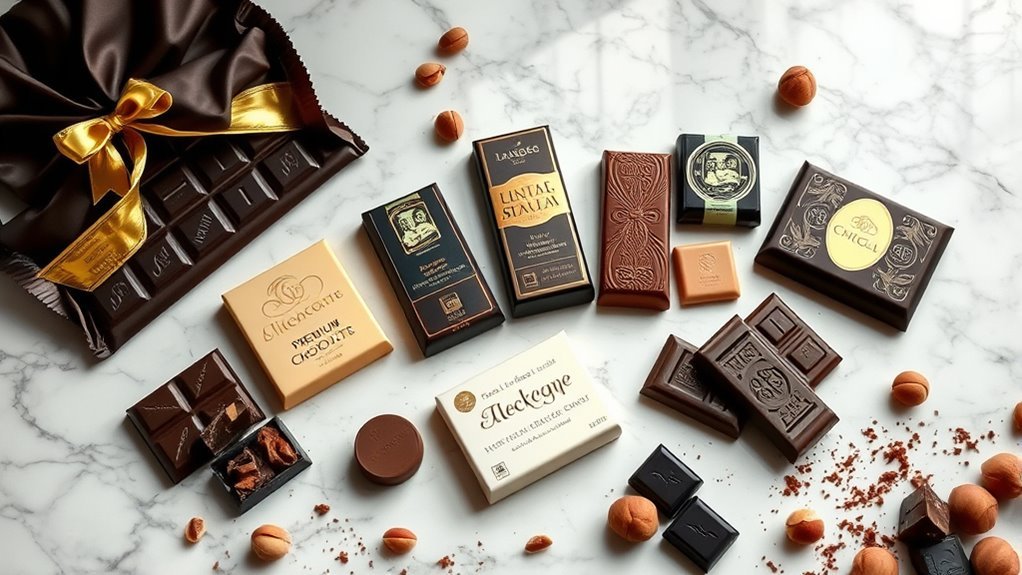
Looking for the best Italian chocolate brands to try? Start with Domori, Amedei, Venchi, Guido Gobino, Antica Dolceria Bonajuto, Slitti, Guido Castagna, Maglio, Marco Colzani, and Perugina. You’ll taste silky gianduja, rare Criollo cocoa, grainy Modica bars, coffee-kissed truffles, and hazelnut pralines, each one rich with regional character and artisan care. Keep reading to find the brand that matches your taste, budget, and occasion.
Disclosure: As an Amazon Associate I earn from qualifying purchases. Some links on this page are affiliate links, at no extra cost to you.
What Sets Italian Chocolate Apart
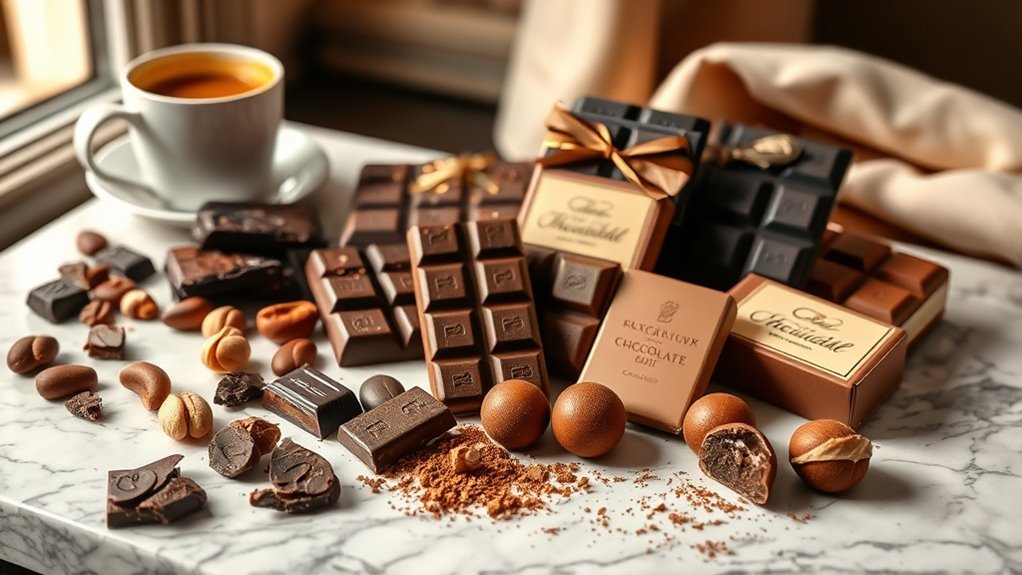
What sets Italian chocolate apart is the way history, craftsmanship, and regional identity come together in every bite. You taste centuries of chocolate history in each bar, from 16th-century roots as a drink to today’s smooth, solid creations. Master chocolatiers choose fine cocoa beans, then shape them with meticulous hands, balancing tradition with modern technique so every piece looks elegant and melts with purpose. You’ll notice regional varieties that feel alive: Piedmont’s Gianduja wraps chocolate in toasted hazelnuts, while Sicily brightens the palate with citrus and spice. Dark chocolate lovers can chase rich cocoa levels from 60% to 90%, finding deep intensity and a velvet finish that lingers. Italian makers also honor sustainability, working with natural rhythms to create chocolate that feels honest and vibrant.
- New to Italian chocolate: Venchi (accessible, widely available heritage bars and pralines)
- Serious dark chocolate fans: Domori (rare Criollo, minimal processing)
- Hazelnut/gianduja lovers: Guido Gobino or Guido Castagna
- Gifting: Perugina’s Baci or Venchi’s presentation boxes
- Something different: Antica Dolceria Bonajuto’s grainy, cold-pressed Modica-style bars
Domori and Rare Criollo Beans
Best for: dark chocolate purists who want minimal processing and rare cocoa origins.
When you taste Domori, you’re meeting rare Criollo beans with origins that feel almost legendary, bringing a delicate, nuanced richness to the palate. Domori keeps its processing minimal and skips conching, so the cocoa’s natural character stays vivid and unmasked. You’ll notice an aromatic complexity that lingers with notes of fruit, spice, and soft floral depth.
Rare Criollo Origins
Founded in 1997, Domori is one of Italy’s most focused pursuits of rare Criollo cocoa, a bean prized for its delicate aromatics, layered flavor, and exceptional smoothness. This chocolatier champions Criollo cultivation with a rare respect for origin, growing beans that represent just 5–10% of global cocoa. By owning its plantation, Domori keeps quality close and supports sustainable farming. That care shows up in the cup-like scent, the silky melt, and the clean, expressive finish.
Domori’s Minimal Processing
Founded in 1997 by Gianluca Franzoni, Domori trusts the bean first, using minimal intervention to let quality speak with quiet authority. Domori skips conching, choosing flavor preservation over polish, so the chocolate lands on your tongue with a clean, intimate presence. Its own plantation supports traceability and control across every harvest, giving you chocolate shaped by craft, not shortcuts.
Aromatic Complexity Profile
Domori’s rare Criollo beans give you an aromatic profile that feels layered and precise, as if each note has been coaxed into focus rather than forced. You taste dried fruit, soft floral lifts, warm spice, and a clean cocoa core that opens with every bite. Because Domori keeps intervention minimal and skips conching, you get flavor nuances that stay true to the bean, the soil, and the cultivation behind it.
Guido Gobino and Turin Gianduja
Best for: hazelnut and gianduja fans, and elegant gift-giving.
Guido Gobino stands at the heart of Turin’s gianduja tradition, crafting chocolates that capture the city’s signature blend of silky cocoa and fragrant hazelnuts. When you explore this heritage, you taste gianduja history in every velvety bite, where Tonda Gentile nuts give a clean, rounded sweetness and a delicate roast. Since 1964, Gobino’s bean-to-bar discipline has kept the focus on honest ingredients. Their artisans balance old-world care with modern technique, creating textures that melt, snap, and linger. The refined packaging turns each bar or praline into a gift that feels intimate and celebratory.
Amedei’s Award-Winning Chocolate
Best for: chocolate lovers who want traceable, award-recognized sourcing.
When you taste Amedei’s bean-to-bar chocolate, you can feel Tuscany’s careful craft in every silky, aromatic bite. Its full traceability and premium sourcing help create bold, layered flavors that linger on your palate. Its Chuao and Porcelana bars are among its most recognized.
Bean-To-Bar Craftsmanship
Amedei stands out for its meticulous bean-to-bar craftsmanship, tracing every chocolate from carefully selected cocoa beans to the finished bar with exceptional transparency. The makers blend heritage techniques with modern precision, so you get a texture that snaps cleanly and melts slowly, releasing layered aromas. Every batch reflects disciplined hands, thoughtful origins, and a refusal to cut corners.
Awards And Flavor Profiles
This Tuscan chocolatier has built its reputation on precision and restraint, turning meticulous bean-to-bar craft into memorable flavor. Its full traceability and natural ingredients let each bar speak clearly, while traditional techniques preserve the bean’s character. You’ll notice flavor nuances of honeyed sweetness, roasted depth, and floral lift. Try the celebrated Porcelana for a delicate balance of sweetness and cocoa intensity.
Antica Dolceria Bonajuto and Modica Tradition
Best for: anyone curious about chocolate’s ancient, unrefined roots.
At the heart of Modica, Antica Dolceria Bonajuto has kept one of Italy’s oldest chocolate traditions alive since 1880, crafting bars with a grainy, almost ancient texture that traces back to Aztec methods. You taste Modica traditions in every bite: raw cocoa, cold-pressed patience, and artisanal techniques that skip modern shortcuts. Because the chocolate skips fats and oils, the cocoa speaks clearly, earthy and bright, while citrus zest or warming spices lift the flavor.
- Feel the rough snap, then let it melt slowly.
- Notice the cold process that preserves bold aromas.
- Explore local notes shaped by Arab and Spanish heritage.
Bonajuto honors craft over convenience — a textured, distinctive bar worth trying at least once for the novelty of its Modica-style grain alone.
Venchi’s Heritage Chocolate
Best for: newcomers to Italian chocolate and easy, widely available gifting.
If you’re drawn to Italian chocolate with a long memory and a modern spark, Venchi brings over 145 years of craftsmanship into every bite. You taste that legacy in every silky praline, crisp bar, and classic treat, where heritage flavors meet bright, inventive twists. Venchi selects high-quality raw materials with care, so each piece feels clean and satisfying. Its chocolates are made without gluten, palm oil, artificial flavors, colors, or preservatives — honest chocolate shaped by artisanal techniques. The textures melt, snap, and linger, releasing cocoa richness and delicate sweetness in layers.
Slitti’s Coffee-Rooted Chocolate
Best for: coffee lovers who want that flavor woven into their chocolate.
Rooted in a 1969 coffee roastery in Cintolese, Slitti brings a rare depth of flavor to Italian chocolate, where cocoa and coffee seem made to meet. You taste that history in every bite: bold and polished, with a coffee infusion that sharpens the chocolate’s dark warmth. Slitti sources fine cocoa from top-growing regions, so each bar and truffle feels rich and precise. It has also earned numerous international awards over the years, a reflection of the care behind that flavor synergy.
- Bars that melt slowly and reveal layered roast notes
- Truffles with a smooth, indulgent center
- A balanced finish that invites another taste
Guido Castagna’s Sustainable Craft
Best for: buyers who care about sourcing and low-intervention production.
Guido Castagna shows how sustainability can taste luxurious. His Metodo Naturale honors the ingredients’ own rhythm, while premium cocoa beans rest for three months, settling into deeper balance before you taste them. He roasts at low temperatures, so the cocoa keeps its natural voice instead of losing it to heat. With Giuinott®, he pairs Venezuelan Chuao cocoa with Piedmont hazelnuts. His strict bean-to-bar philosophy keeps the process transparent, so you know where your chocolate comes from and how it’s made.
Maglio and Marco Colzani
Best for: gift assortments (Maglio) and minimal, organic-sourced bars (Colzani).
Maglio’s gourmet assortment features pralines, bars, and seasonal specialties, each wrapped in elegant packaging with rich cocoa flavor. Marco Colzani brings a quieter, more elemental craft, using natural ingredients and a bean-to-bar approach that keeps every note clear. Together they show how premium ingredients and careful technique can make Italian chocolate taste both refined and authentic.
Maglio’s Gourmet Assortment
Maglio’s gourmet assortment brings together pralines, dragées, and chocolate bars crafted with premium cocoa and natural ingredients for a smooth, balanced finish. You’ll taste layers of roasted depth, gentle sweetness, and clean cocoa lift. Maglio’s packaging adds its own quiet luxury, with elegant boxes built for gifting.
- Pralines deliver a silky center and a polished snap.
- Dragées add crunch, sparkle, and satisfying contrast.
- Chocolate bars offer a pure, steady melt with a graceful finish.
Marco Colzani’s Natural Craft
Marco Colzani’s craft is built around pure ingredients, honest flavor, and no industrial shortcuts. He leans on artisan techniques that let cocoa, nuts, and fruit speak without disguise, sourcing cocoa from small organic producers. His bean-to-bar chocolates and nut spreads keep the ingredient list lean, yet the flavor blooms with depth and warmth. In collaboration with Maglio, that same natural vision meets refined pralines and bars.
Premium Ingredients, Pure Flavor
Maglio and Marco Colzani both deliver a rare balance of purity and refinement. You’ll taste premium cocoa, natural ingredients, and artisan techniques that let each note stay clear and bright. Maglio’s pralines and bars feel lush, with elegant packaging and seasonal flavor pairings. Marco Colzani keeps it more direct: bean-to-bar chocolate, nut spreads, and minimal ingredients sourced from small organic producers.
- Maglio: balanced, refined, creatively seasonal
- Colzani: transparent, minimal, organic
- Both: craftsmanship that favors clean, honest flavor
Best Italian Chocolate for Gifts
Best for: birthdays, holidays, and bringing something home from Italy.
When you want a gift that feels special, Italian chocolate makes an easy impression with its mix of beauty, craft, and flavor. Venchi is a strong pick for gift presentations that look polished right out of the box, with elegant wrapping and a heritage that speaks of lasting quality. For a more intimate touch, Perugina’s Baci brings hazelnut praline and a hidden love note tucked inside the wrapper, so the gift feels personal. If you want to honor someone who values precision and provenance, Amedei offers bars and pralines with refined depth, or choose Guido Gobino for artisanal gianduja and creamy Tonda Gentile hazelnuts, or Domori for rare Criollo cocoa with a fragrant, distinctive finish. These chocolates also pair well with espresso, wine, or fresh fruit for a more generous gift spread.
Frequently Asked Questions
What Is the Best Chocolate Brand in Italy?
There’s no single “best” — it depends on taste. Amedei is a strong all-around pick for its traceable sourcing and award-recognized bars, while Domori suits dark-chocolate purists who want rare, minimally processed cocoa. Try pairing either with red wine or a pinch of sea salt.
What Is the Best Chocolate to Bring Home From Italy?
Perugina’s Baci is a classic, widely available choice for chocolate gifts — hazelnut praline, gold foil, and a small love note tucked inside make it feel personal and give you a taste of Italy to share.
Can Leukemia Patients Eat Chocolate?
This depends on the individual’s treatment, blood counts, and dietary restrictions, so it isn’t something a general guide can answer safely. If you or someone you’re shopping for has leukemia, check with their oncology or care team before adding chocolate — or any new food — to their diet.
Which Chocolate Is Best for Diabetics?
Dark chocolate — generally 70% cocoa or higher, or versions made with sugar substitutes — tends to have less added sugar than milk chocolate. Individual needs vary, so it’s worth checking with a doctor or dietitian about how chocolate fits your specific plan.
Conclusion
When you taste Italian chocolate, you’re tasting centuries of craft, passion, and place in every bite. From Domori’s rare cacao to Bonajuto’s rustic Modica tradition, each brand offers something distinct: deep aroma, velvety texture, and bold character. Whether you’re gifting a bar or savoring one yourself, Italy’s finest chocolates turn a simple treat into a memorable one. Pick the brand that matches your taste — and start there.
