

Last Updated on September 11, 2026 by Logan Reeves
You need clear guidance when choosing a solar generator because matching capacity to real appliances is the difference between convenience and frustration. This guide helps you understand runtime and capacity, what typical appliances draw, and which units and accessories give you the best real-world performance so you can plan for outages, camping, or off-grid living.
Disclosure: As an Amazon Associate I earn from qualifying purchases. Some links on this page are affiliate links, at no extra cost to you.
Top Picks
|
Category |
Product |
Score |
|---|---|---|
|
🏆 Best Portable Backup |
90/100 |
|
|
🔋 Best Portable Panel |
85/100 |
|
|
🔌 Best Compatibility Adapter |
74/100 |
|
|
🚀 Best High-Capacity Unit |
92/100 |
|
|
⭐ Best Heavy-Duty Backup |
76/100 |
|
|
🎯 Best Energy Monitor |
80/100 |
|
|
🔭 Best Alignment Tool |
78/100 |
Selection Criteria
You want a solar setup that reliably runs the appliances you care about, so we prioritized usable battery capacity in watt-hours, sustained and surge output in watts, and the battery chemistry for cycle life and safety. We weighed solar input limits and real-world charging times because fast recharge from panels matters when sun hours are limited.
Portability, outlet variety and expandability were included so the options cover camping, RV use, and whole-home backup. Finally, we considered accessories and monitoring tools that improve efficiency so you can actually maximize runtime in everyday use.
Anker SOLIX
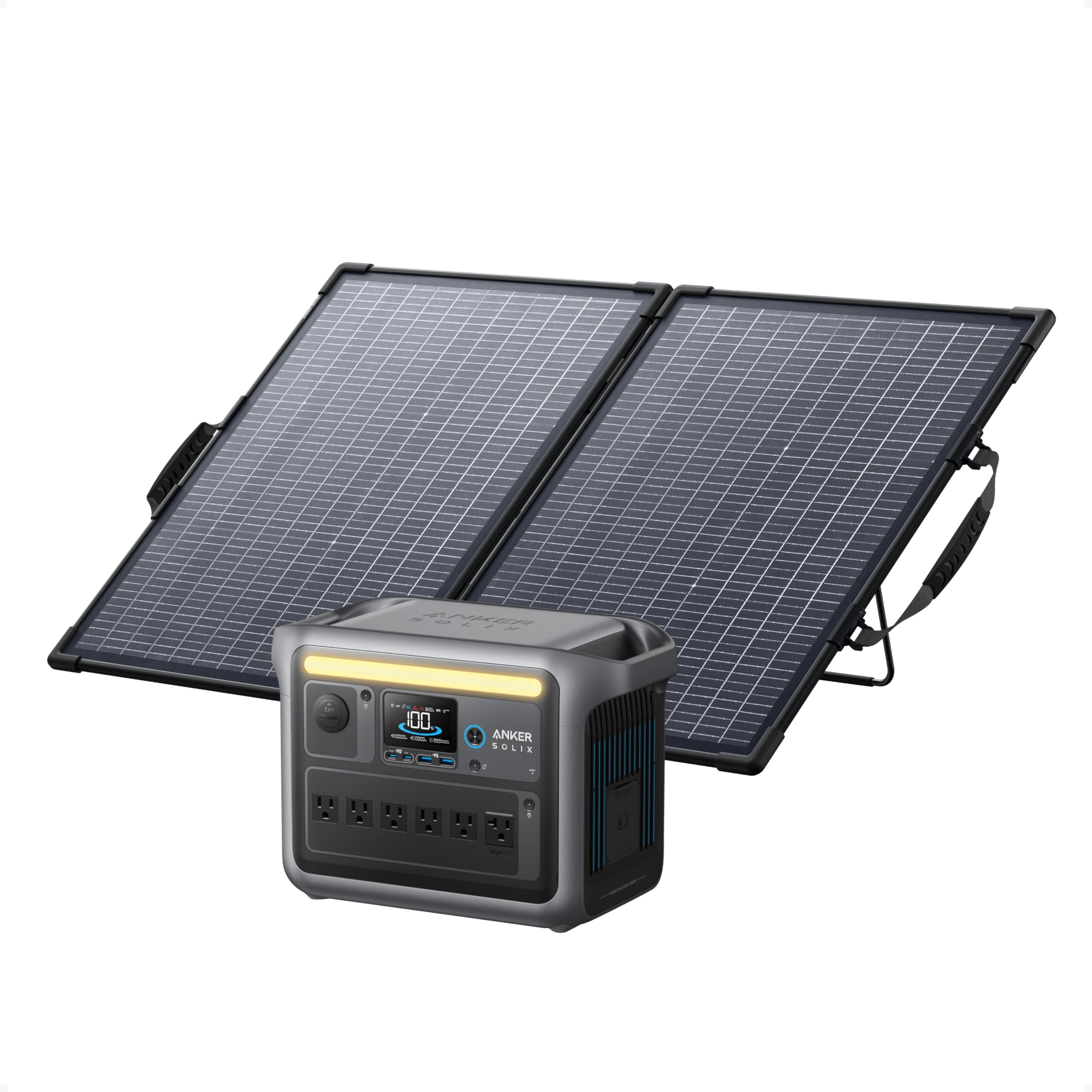
You get a compact, heavy-duty portable power station designed to cover both everyday needs and emergency situations. It pairs a 1,056Wh LiFePO4 battery with 1,800W continuous output so you can run devices like fridges, CPAP machines, power tools, and multiple small appliances without constant worry about drain.
The included 100W bifacial solar panel helps top the unit up while you camp or during sunny outages, and the six AC outlets give you flexible device placement. If you want a balance of portability and real home-backup capability, this unit is a practical pick that you can move between the garage, campsite, and living room with minimal fuss.
What People Say
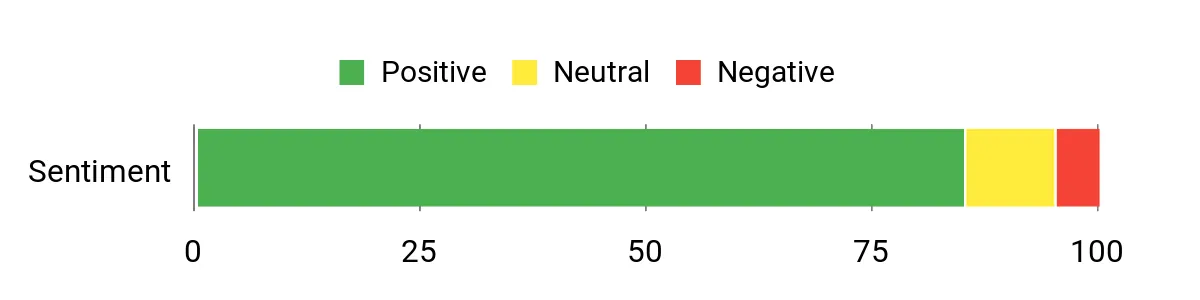
Customers often praise the SOLIX for dependable battery life and robust output that actually runs essentials through outages. Many note the convenience of the included bifacial panel and the reassuring five year warranty. A number of users mention the unit’s weight when moving it frequently and the lack of smart home integration as minor downsides.
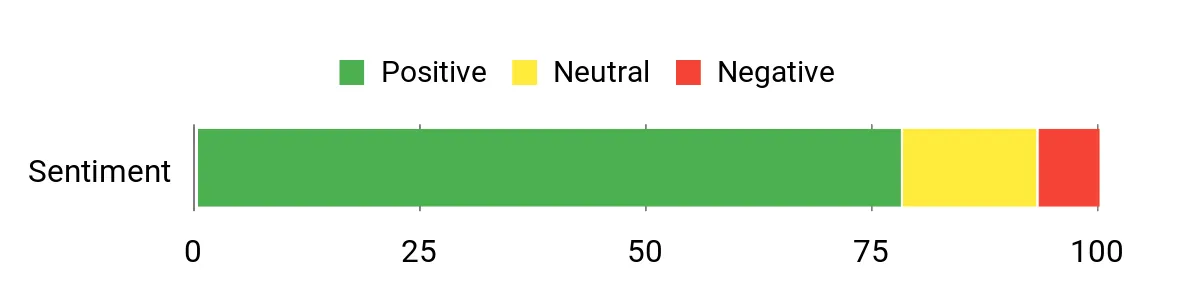
Overall Sentiment: Positive

Energy Efficiency
The LiFePO4 chemistry gives you better cycle life and thermal stability compared with typical lithium batteries, so you get more usable energy over years of use. The bifacial panel captures reflected light as well as direct sun, which can improve real-world charging on bright surfaces. Pairing multiple panels will shorten recharge times when you need the unit topped quickly.
Problem Solving
You can rely on this unit for short to medium length power outages, weekend camping trips, or running critical devices like medical equipment and refrigerators. It handles surge loads for appliances with startup draws and gives you multiple outlet types so you can run several items at once. If you need longer runtimes, consider adding more solar panels or a secondary battery.
Key Benefits
- LiFePO4 long cycle life
- 1,800W continuous output
- Included 100W bifacial panel
- Six AC outlets
- 5-year warranty
Rating: (total: +)
Jackery SolarSaga
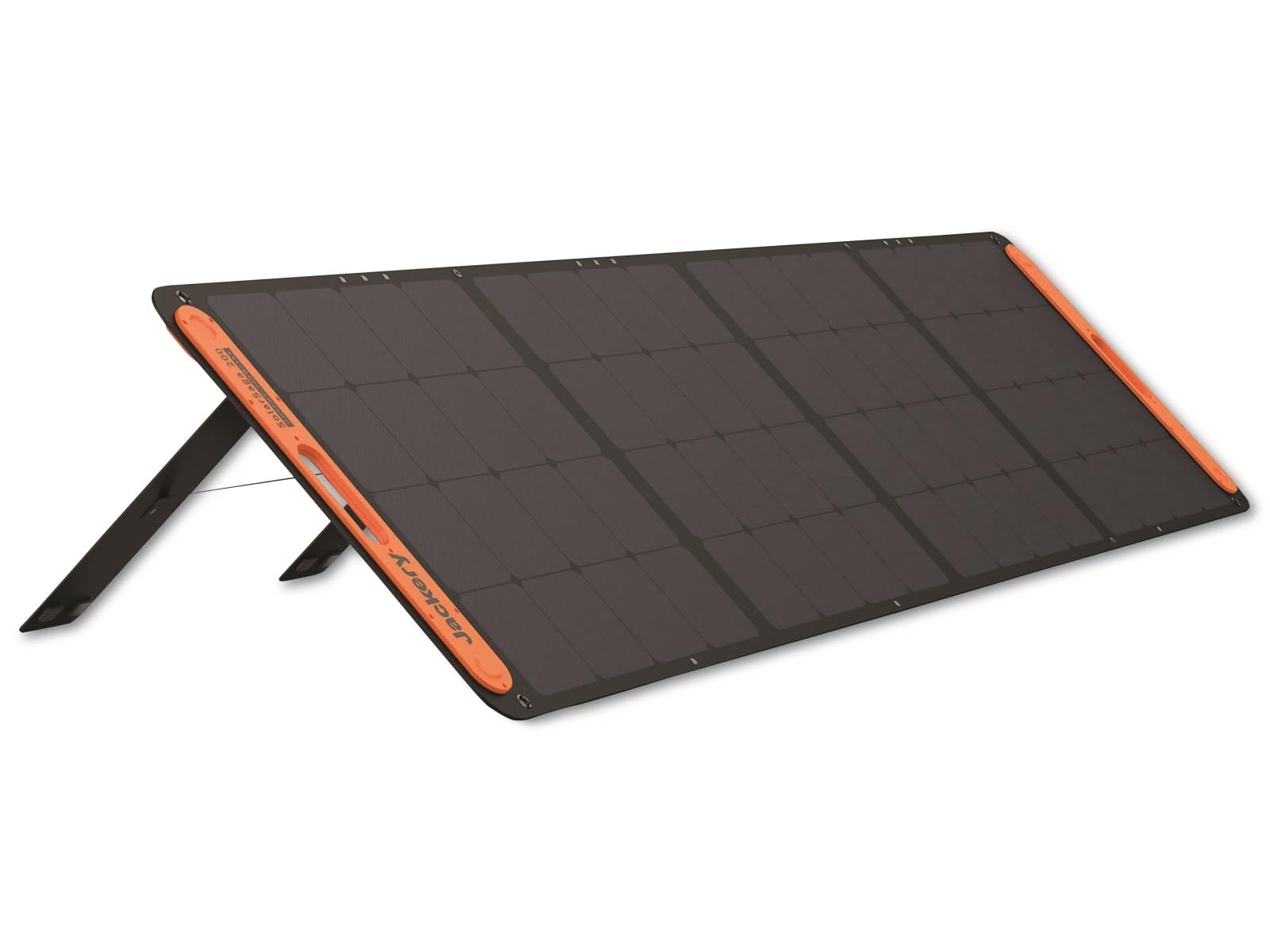
You get a portable, high-efficiency panel that’s built for easy use in the field. Its foldable design and carry bag make it straightforward to sling into the trunk for a weekend trip, and the sunlight angle indicator helps you squeeze more output without fiddling.
For rooftop or RV mounting it’s compact enough to be practical, and when paired with a Jackery power station it meaningfully shortens recharge time. If you want a simple, reliable way to add solar input without setup headaches, this panel is a solid match.
What People Say
Reviewers commonly highlight the panel’s strong conversion rate and handy portability, saying it’s easy to set up and move between sites. People also appreciate the sunlight angle indicator and durable foldable build.
Some mention the panels can be lightweight in wind and recommend securing them, but overall feedback focuses on dependable real-world performance.
Overall Sentiment: Positive
Energy Efficiency
With a rated 24.3% efficiency and monocrystalline cells, this panel delivers above-average conversion for a portable unit. The sunlight angle indicator helps you keep the panel close to optimal orientation, which matters more in the field than lab specs. Combined with reflective surfaces or bifacial setups you can often get faster top-ups on sunny days.
Problem Solving
This panel solves the common camping and RV problem of slow solar charging by offering higher output in a portable package. It’s useful for topping up a power station during the day, reducing reliance on grid or generator charging, and providing a predictable input when you need to stretch battery runtime. If you plan multi-day off-grid stays, pair multiple panels or position them for peak sun to see noticeable gains.
Key Benefits
- High 24.3% conversion efficiency
- Foldable and portable design
- IP68 protection for outdoor use
- Sunlight angle indicator for easy optimization
- MC4 connector for broad compatibility
Rating: 4.5 (total: 178+)
Jackery Connector

You’ll appreciate this little adapter when you want a fuss-free link between a SolarSaga panel and a Jackery power station. It’s compact and light, so you can toss it in your kit and forget about compatibility worries at the campsite or during emergency charging. For everyday topping up of your power station or quick weekend setups, it removes the guesswork and keeps your solar wiring tidy.
If you use Jackery gear, this connector smooths the path from panel to battery.
What People Say
Users frequently note how handy and straightforward the connector is, especially when pairing Jackery panels with Explorer stations. Many call out the convenience of a ready-made adapter that avoids custom wiring, while a few mention tight fits or the need to double-check compatibility with non-Jackery hardware. Overall feedback centers on reliability and ease of use.
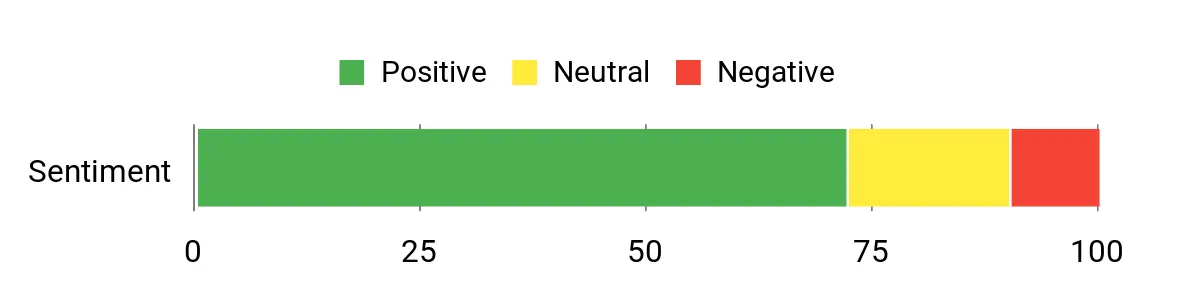
Overall Sentiment: Positive
Energy Efficiency
This adapter keeps electrical losses minimal by using standard MC4 connections, so you don’t lose meaningful panel output at the junction. Good contact and correct wiring help maintain the panel’s rated performance.
Problem Solving
It fixes a common annoyance: mismatched connectors. Instead of improvising leads or buying specialty cables, you get a straightforward way to feed solar power into your station, which speeds setup and reduces downtime when you need charging fast.
Key Benefits
- Simple MC4-to-Jackery connection
- Lightweight, pocketable design
- Reliable, low-loss linkage
- Plug-and-play for Jackery panels
- Durable PC construction
Rating: 4.3 (total: 296+)
Jackery Explorer 2000
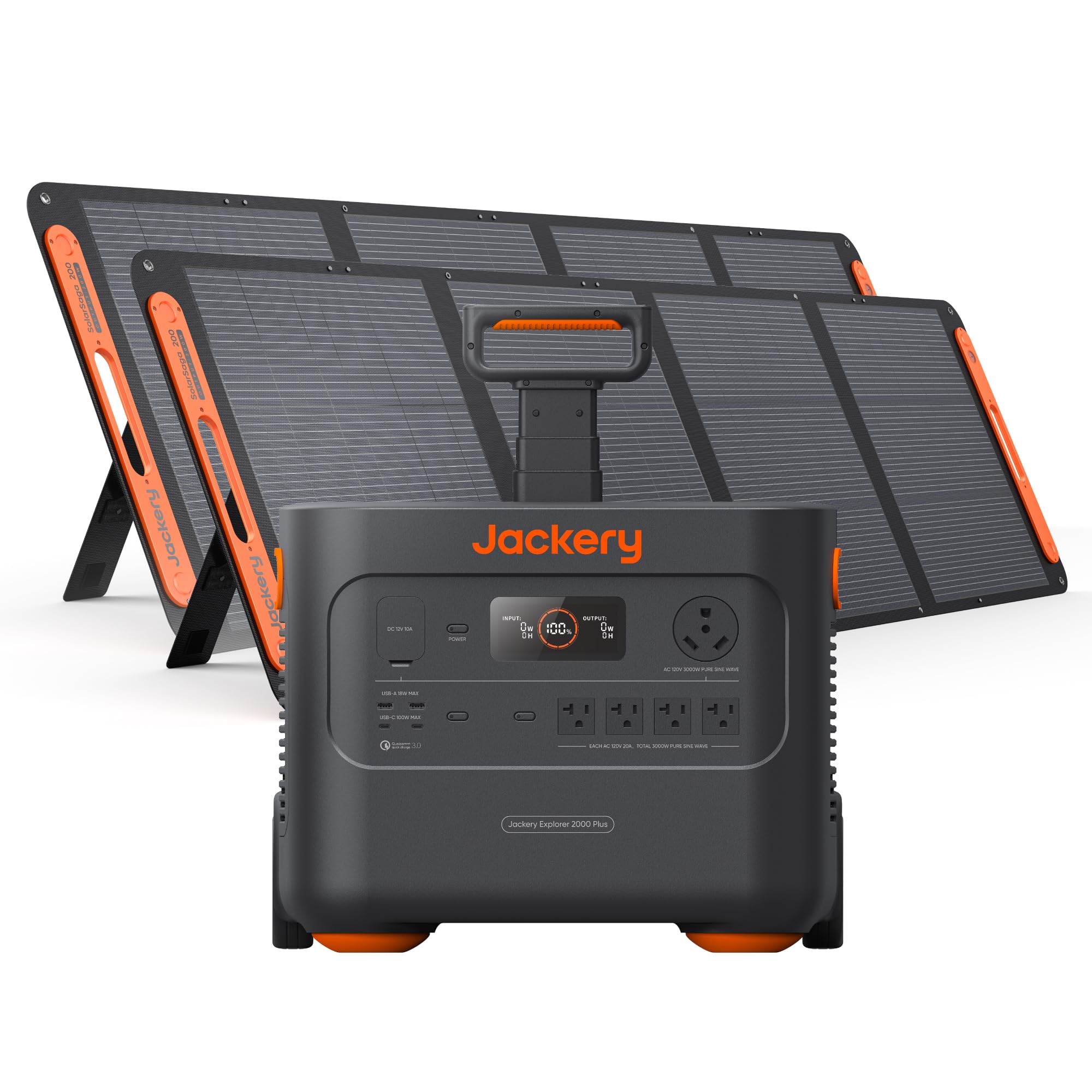
You get a heavy-duty portable station built around real-world backup needs rather than lab numbers. With about 2,042Wh of usable capacity and a 3,000W continuous output, it can run refrigerators, CPAP machines, power tools, and multiple electronics for extended periods. The included pair of 200W panels speeds solar recharge, and the unit supports expansion if you want to scale toward whole-house use. It’s heavier than smaller units, but if you prioritize reliable runtime, quiet operation, and the option to expand, this model makes that trade-off easy to accept.
What People Say
Users frequently highlight the Explorer 2000’s reliability and power: people say it reliably runs refrigerators, lighting, and medical devices during outages. Many appreciate how quiet it is and how quickly the included panels can top it up on sunny days. A common practical note is that the panels are lightweight and benefit from secure mounting in breezy conditions.
Overall Sentiment: Positive

Energy Efficiency
The LiFePO4 battery chemistry gives you long cycle life and stable thermal behavior, which translates to consistent usable capacity over years. Paired with two 200W panels, the system achieves faster solar top-ups in good sun, and the unit’s efficient management reduces idle losses compared with older designs.
Problem Solving
This setup addresses several common needs: reliable short-to-medium home backup, caravan or RV power, and UPS-protected electronics during outages. It handles high-startup loads and multi-device setups without frequent recharging, and you can add extra batteries or panels if you need multi-day autonomy.
Key Benefits
- Large 2,042Wh LiFePO4 capacity
- 3,000W continuous output with strong surge handling
- Includes two 200W solar panels for faster charging
- UPS support for instant backup
- Expandable to multiple kWh for longer outages
Rating: 4.4 (total: 94+)
Goal Zero Yeti PRO
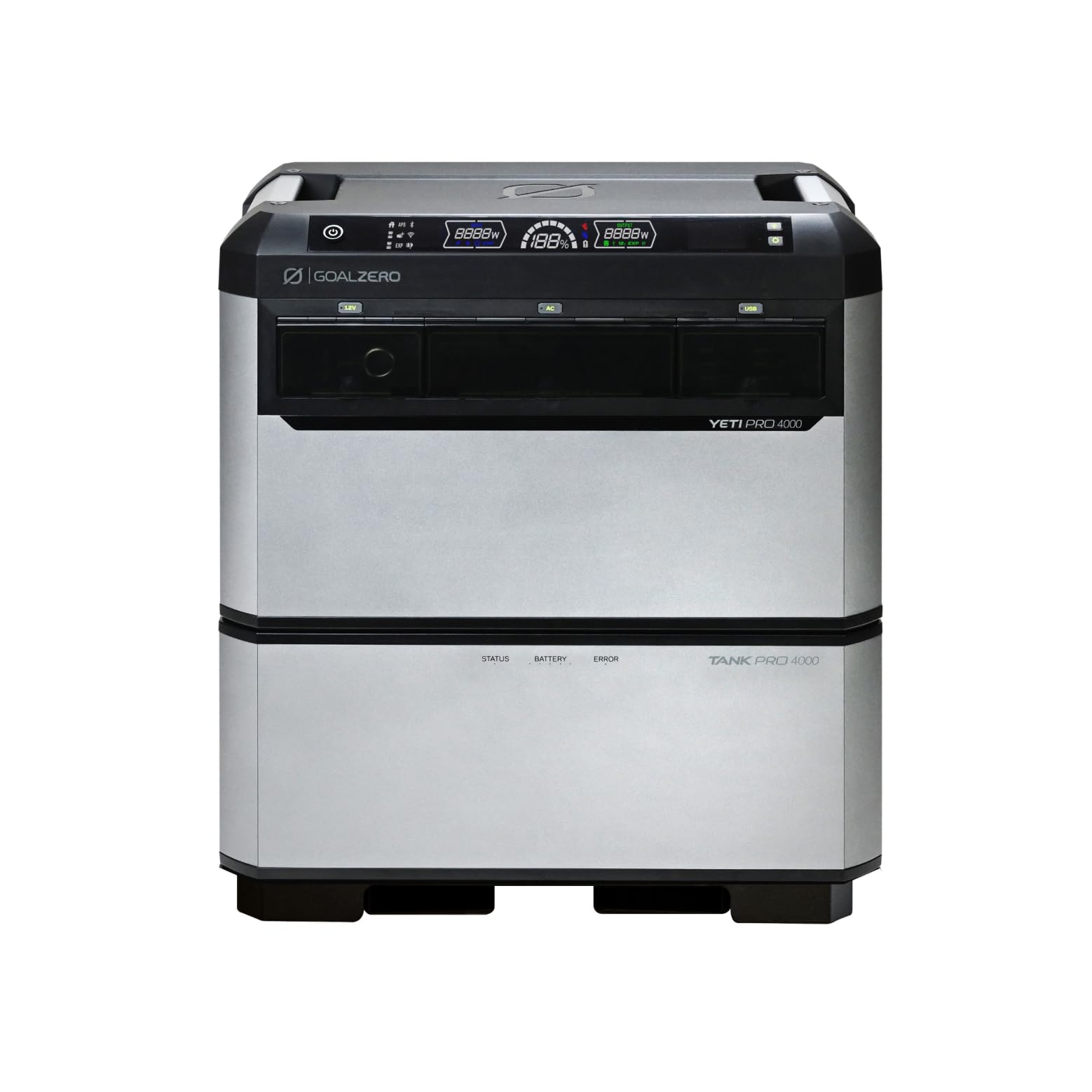
You’re looking at a heavy-duty, home-focused power station built for long-term backup rather than weekend portability. With a very large LiFePO4 bank and strong AC output, this unit is meant to sit in a garage or cabin and provide dependable power when the grid drops.
It’s hefty and not something you’ll carry far, but if you need a stable, expandable base for running critical circuits, workshops, or appliances while you work on longer-term off-grid setups, this is the type of system that fits that role.
What People Say
Customers tend to praise the build quality and the concept of a powerful, expandable battery bank for home use. Several note helpful customer service interactions, while others mention setup quirks and inconsistent display behavior that can be confusing. The weight and size come up frequently, so buyers treat this more as a semi-permanent backup solution than a portable pack.
Overall Sentiment: Neutral

Energy Efficiency
The LiFePO4 chemistry favors long cycle life and stable performance, which means the unit keeps usable capacity over many cycles. Because it’s large and intended for stationary use, it’s most efficient when paired with a tailored solar array and managed loads rather than constant on-the-go charging.
Problem Solving
This system solves the problem of short-term whole-house outages and heavy loads that smaller stations can’t handle. It’s good for running refrigerators, select circuits, and workshop tools for meaningful periods, and its expandability lets you scale when you need multi-day autonomy.
If you need rapid portability, this isn’t the right pick, but for a reliable home backup base it covers many common scenarios.
Key Benefits
- Very large LiFePO4 capacity suitable for extended backup
- High AC output for heavy loads
- Expandable architecture for increased runtime
- Designed for residential and workshop use
- Solid build quality for stationary installations
Rating: 3.3 (total: 6+)
P3 Kill A Watt

You can use this compact monitor to see exactly what your appliances draw and turn vague guesses into clear numbers. It plugs between your device and the wall, records kWh and other metrics, and helps you decide which items to unplug or replace. That makes it a practical tool whether you’re sizing a solar generator, trimming monthly bills, or checking the startup draw of a fridge or power tool.
If you want a cheap, straightforward way to understand real consumption, this is the kind of gadget that pays for itself in information.
What People Say
Users commonly praise the Kill A Watt for its simplicity and clear readings, saying it makes energy use obvious without fuss. People note the large display and retained cumulative totals as especially helpful when tracking usage over time. A few users mention the unit’s basic feature set, but most appreciate its reliability for household measurements.
Overall Sentiment: Positive

Energy Efficiency
By showing exact consumption and projected costs you can prioritize the highest-impact changes, such as replacing an old fridge or unplugging standby devices. Using measured watts and kWh also lets you estimate how long a solar generator or battery will run a given appliance under real conditions.
Problem Solving
This monitor solves the common problem of guesswork: instead of estimating loads, you get concrete numbers to size batteries, plan solar arrays, or check startup surges. It’s especially useful for confirming whether a device will run on a specific generator or for finding phantom loads that quietly add to your bill.
Key Benefits
- Accurately measures kWh, voltage, frequency and power factor
- Built-in memory retains accumulated readings during outages
- Lets you project energy costs by hour, day, week or year
- Simple plug-and-play design with large LCD readout
- Helps identify energy hogs for targeted savings
Rating: 4.4 (total: 3910+)
EcoFlow Guide

You get a tiny, practical tool that removes the guesswork from panel positioning. Clip it to the edge of a panel, tilt until the shadow centers, and you’ll be close to the best angle for peak output.
It’s lightweight and travel-friendly, so it’s useful on rooftops, at campsites, or when you reposition panels for seasonal sun changes. If you want faster, more consistent solar charging without fuss, this little guide makes that easy to achieve.
What People Say
Customers frequently mention how straightforward the guide is to use and how quickly it removes the trial-and-error of aiming panels. Many highlight faster charging and fewer setup headaches, especially when moving panels between locations.
A handful note it’s small and easy to lose, but most say it reliably improves day-to-day solar performance.
Overall Sentiment: Positive
Energy Efficiency
By helping you aim panels closer to a 90° sun incidence, the guide increases effective solar intake and shortens recharge times. That small improvement in angle can translate to noticeably faster top-ups for portable setups and better daily energy harvest for rooftop arrays.
Problem Solving
This tool solves the common problem of inefficient panel placement by giving you a quick, repeatable alignment method. Instead of monitoring power outputs or guessing, you get a visual reference that speeds setup and helps ensure panels capture more sun throughout the day.
Key Benefits
- Simple clip-on alignment
- Improves solar intake and charging speed
- Compact and ultra-lightweight
- No tools or calibration required
- Works for portable and fixed panels
Rating: 4.6 (total: 408+)
FAQ
What Appliances Can A Solar Generator Power?
You can run everything from phones and LED lights to refrigerators and CPAP machines, but the trick is matching the appliance’s running watts and starting surge to the generator’s output and battery capacity. Small electronics and lights consume tens of watts, laptops and routers use a few dozen to a couple hundred, while refrigerators, sump pumps, and power tools need higher continuous power and often a brief surge at startup. Check both the appliance’s running and startup ratings before relying on a single unit, and if you plan to run motors or compressors regularly, choose a generator with sufficient surge headroom and an inverter rated above the appliance’s peak draw.
How Do I Size A Solar Generator For My Needs?
Start by listing the devices you want to run, note each device’s wattage and the hours you expect to use it, and multiply those to get total watt‑hours required per day. Make sure the generator’s battery capacity covers that Wh total with margin for inefficiency and simultaneous devices, and confirm the inverter’s continuous watt rating and surge capability meet your highest loads. Also consider how quickly you need to recharge: size your solar array and input limits so panels can replenish the battery within the daylight window you have, and prefer LFP/LiFePO4 chemistries if you want long cycle life and stable performance.
How Can I Maximize Runtime And Charge Speed?
Prioritize loads and run only what you need to extend runtime, use energy-efficient appliances and LED lighting, and measure real draw with a usage monitor to refine your estimates. Improve solar charging by angling panels correctly, adding more panels in parallel or series within the generator’s input limits, and using bifacial or higher-efficiency panels when possible; a small angle guide or inclinometer can make a noticeable difference in daily harvest.
Finally, balance charging sources—solar, AC, and vehicle—so you can top up faster when the sun is weak, and treat the battery well by avoiding deep discharges when you can.
Customer Preferences
You typically prioritize usable battery capacity and reliable continuous and surge output, so you lean toward units that can actually run refrigerators or medical devices for meaningful periods. The Anker SOLIX appeals when you want a portable station with real home-backup capability, while the Jackery SolarSaga attracts buyers who value fast, efficient solar top-ups and easy field use.
When compatibility and a tidy, plug-and-play setup matter most, the Jackery Connector is the practical choice to avoid adapter headaches.
Wrapping Up
You can power anything from small electronics and lights to refrigerators and CPAP machines with the right solar generator, but the key is matching watts and watt-hours to the appliance load and desired runtime. Choose a compact high-output unit like the Anker SOLIX if you need balanced portability and power, pick the Jackery Explorer 2000 for extended home or RV backup, and add efficient panels plus alignment tools to shorten recharge times. Use an energy monitor to measure real draw, then size your battery and solar array so you have the runtime you actually need.
| Product Name | Image | Rating | Wattage | Battery Type | Recommended Use Cases |
|---|---|---|---|---|---|
| Anker SOLIX C1000 Portable Power Station with 100W Bifacial Solar Panel |
|
N/A | 1800 watts | LiFePO4 |
|
| Jackery SolarSaga 200W Portable Solar Panel |
|
4.5/5 (178 reviews) | 200 watts | N/A |
|
| Jackery Solar Series Connector for Explorer Portable Power Station |
|
4.3/5 (296 reviews) | 200 watts | N/A |
|
| Jackery Explorer 2000 Plus Portable Power Station |
|
4.4/5 (94 reviews) | 3000 watts | LiFePO4 |
|
| Goal Zero Yeti PRO 4000 Portable Power Station |
|
3.3/5 (6 reviews) | 8000 watt-hours | LiFePO4 |
|
| P3 International P4460 Kill A Watt EZ Electricity Usage Monitor |
|
4.4/5 (3910 reviews) | N/A | N/A |
|
| EF ECOFLOW Solar Angle Guide |
|
4.6/5 (408 reviews) | N/A | N/A |
|
This Roundup is reader-supported. When you click through links we may earn a referral commission on qualifying purchases.
