

Last Updated on September 11, 2026 by Daniel Globe
You rely on portable power for camping, emergency backup, and off-grid work, so choosing the right solar generator matters. This guide condenses hands-on features and real-world performance into clear recommendations so you can match battery capacity, output and charging speed to your needs.
Expect quieter, cleaner power and greater resilience whether you want to run a fridge during an outage or keep devices charged on long trips.
Disclosure: As an Amazon Associate I earn from qualifying purchases. Some links on this page are affiliate links, at no extra cost to you.
Top Picks
|
Category |
Product |
Score |
|---|---|---|
|
🏆 Best High Capacity |
95/100 |
|
|
🎯 Best For Home Backup |
90/100 |
|
|
⭐ Best All-Rounder |
92/100 |
|
|
🚀 Best Compact Panel |
82/100 |
|
|
🔰 Most Efficient Panel |
88/100 |
How We Chose
You need reliable numbers and real-world behavior, so we prioritized battery capacity, continuous and surge output, and charge speed. We favored LiFePO4 chemistry for longer life and safety, then tested AC and solar charging times, expandability options, and the variety of outlets you get.
Portability and weight mattered for camping use while warranty and customer support were weighted heavily for home backup. We also considered durability, panel efficiency, and price-to-power to determine which systems deliver the best value for typical user scenarios.
EcoFlow DELTA2 Max

You get a heavy-duty, vehicle-friendly power system that sits between a campsite companion and a true home backup. The DELTA2 Max pairs a 2,048 Wh LiFePO4 pack with two 220W solar panels so you can run a fridge, power tools, a CPAP and networking gear without constant refills. It’s built for quick recovery when the sun is out or when you can plug in, and the expandable design means you can scale capacity if your needs grow. Be aware it’s a bulky unit at about 92 pounds, so plan for a lift or dedicated spot in an RV or garage, but if you want dependable runtime and fast recharge, this is a practical, robust choice.
What People Say
You’ll see reviewers routinely praise the DELTA2 Max for its capacity and reliability, especially for keeping fridges and home networking running during outages. People also highlight the fast recharge and how the included panels let them stay off-grid for days.
A few buyers mention delivery or packaging hiccups, but many point to responsive customer support when issues arise.
Overall Sentiment: Positive

Environmental Benefits
|
Impact |
Benefit |
|---|---|
|
Zero On-Site Fuel Use |
You can run appliances without gasoline, cutting direct carbon emissions and removing fumes and fuel handling. |
|
Long-Lived LiFePO4 Battery |
Fewer battery replacements over time means less waste and lower lifecycle resource use compared with short-life chemistries. |
|
Quiet Operation |
You avoid the noise pollution of gas generators, making campsites and neighborhoods calmer while still getting reliable power. |
Energy Efficiency
You benefit from efficient LiFePO4 chemistry and the ability to use AC and solar simultaneously to reduce downtime. The high conversion efficiency of the pairing with 440W of panels in real use lets you top up faster and minimize wasted charging cycles.
Key Benefits
- You get long runtime from a 2,048 Wh LiFePO4 battery that’s built for many charge cycles.
- Fast dual charging lets you recover capacity quickly using AC and solar together.
- A high continuous and surge output supports refrigerators, CPAPs and heavier appliances.
- Expandable setup and many outlets give you flexibility for home backup or extended camping.
Rating: 4.4 (total: 150+)
Jackery HomePower
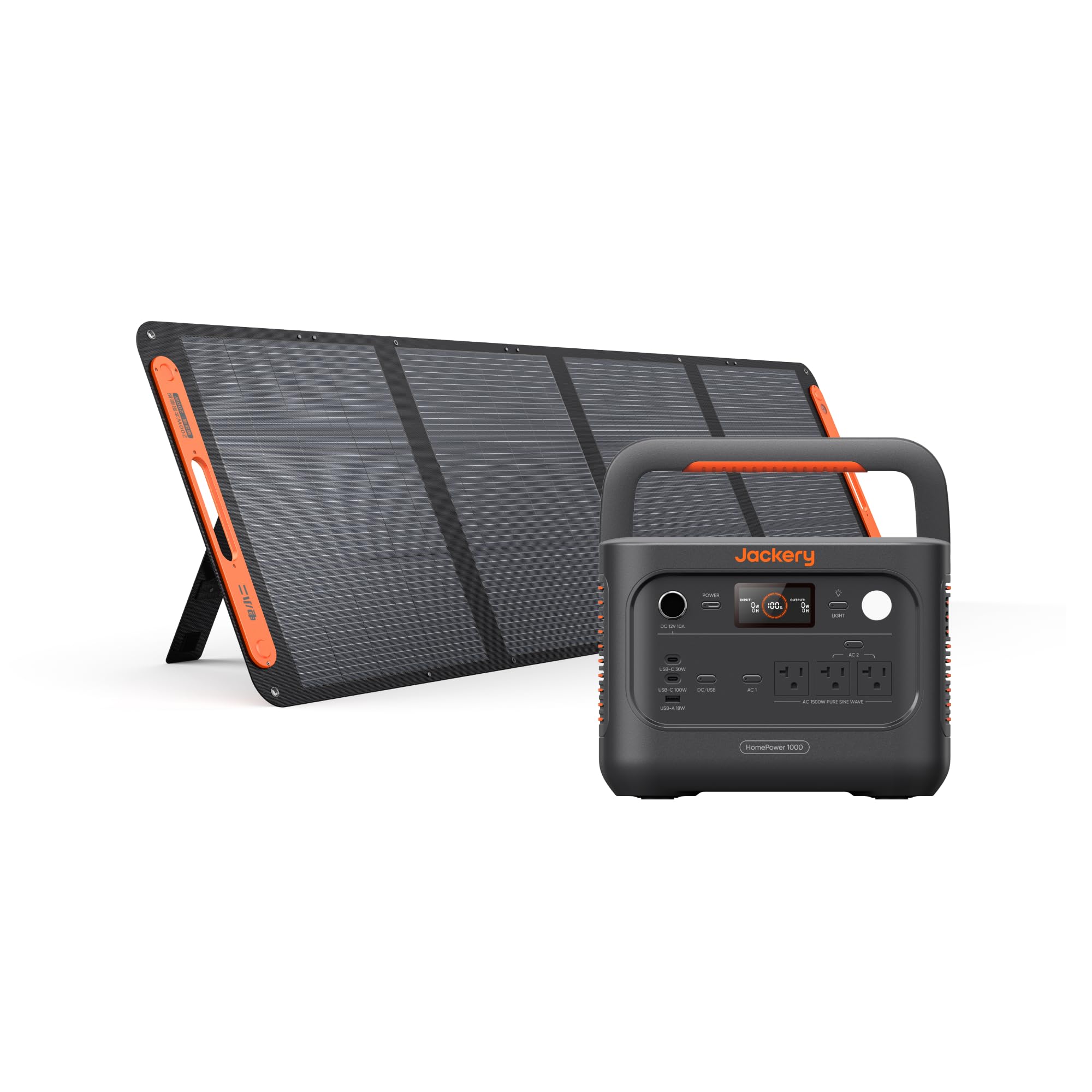
You get a compact, easy-to-use power station that balances portability with enough capacity to run a fridge, charge laptops and keep essential devices online. The HomePower 1000 v2 pairs a 1,024 Wh LiFePO4 pack with a 200W panel so you can top up in good sun and benefit from a fast UPS switch when the grid blips. It’s light enough to move between the garage and your campsite at about 23.4 pounds, and it’s built for everyday backup as well as road trips and off-grid projects. If you want a straightforward system that minimizes fuss and gets power where you need it, this is worth considering.
What People Say
Customers commonly call this a workhorse that’s easy to use and dependable for outages and trips. People praise the UPS responsiveness and how the included solar panel speeds top-ups in good sun.
A few buyers note the manual’s small print and separate shipments, but most appreciate the unit’s reliability and straightforward setup.
Overall Sentiment: Positive

Environmental Benefits
|
Impact |
Benefit |
|---|---|
|
Reduced Fuel Dependence |
You can avoid gasoline for short-term backup, cutting direct emissions and fuel handling. |
|
Durable Battery Chemistry |
LiFePO4 longevity means fewer replacements and lower lifecycle waste compared with shorter-life batteries. |
|
Low Noise Output |
Quiet operation reduces noise pollution at campsites and in neighborhoods while providing the same power. |
Energy Efficiency
You benefit from efficient LiFePO4 performance and a 200W panel pairing that can fully recharge in favorable conditions, reducing time on AC power and minimizing energy losses during frequent top-ups.
Key Benefits
- You get a reliable 1,024 Wh LiFePO4 battery with a long cycle life for repeated use.
- The 10ms UPS delivers near-instant switchover to keep routers and critical gear online.
- Portability at roughly 23.4 pounds makes it practical for camping and quick deployment.
- Easy setup and integrated 200W solar support let you recharge off-grid without fuss.
Rating: 4.5 (total: 187+)
EcoFlow DELTA2

You get a compact, powerful pack that balances portability with serious output. The DELTA2 is light enough to move around at about 27 pounds yet delivers 1,800W of continuous AC power and a range of outlets so you can run a microwave briefly, keep a fridge cold, or power cameras and laptops at an event. Its 7x faster AC charging and expandability mean you spend less time waiting and can add capacity later if your needs grow.
For everyday backup and weekend trips, it’s a practical, low-fuss option that feels more capable than most entry-level stations.
What People Say
You’ll find a lot of praise for the DELTA2’s reliability, solid build quality and speedy recharge times. Reviewers often note how useful the many outlets and the strong AC output are for keeping essentials running during outages or events. People also appreciate the unit’s portability and how it scales with extra batteries or solar when they need longer runtimes.
Overall Sentiment: Positive

Environmental Benefits
|
Impact |
Benefit |
|---|---|
|
No On-Site Fuel Use |
Using solar and battery power eliminates gasoline handling and direct combustion emissions during operation. |
|
Long Battery Lifespan |
LiFePO4 chemistry lowers the frequency of replacements, which reduces material turnover and waste over time. |
|
Quiet Operation |
Low noise levels reduce disturbance at campsites and residential areas compared with gas generators. |
Energy Efficiency
The LiFePO4 cell chemistry and fast AC plus solar charging options help you cycle less and lose less energy to idle time. In practical terms you spend more of your input energy storing useable power and less on repeated charging.
Key Benefits
- Portable 1,024 Wh LiFePO4 battery giving long cycle life and dependable runtime.
- High 1,800W continuous output supports a wide range of household and outdoor devices.
- Very fast AC recharge reduces downtime so you can get back to using your gear sooner.
- Expandable design and numerous outlets make it flexible for both home backup and camping.
Rating: 4.7 (total: 5167+)
Anker 100W Panel

You get a lightweight, foldable panel that’s designed around portability and simple setup. The adjustable kickstand makes it easy to angle toward the sun, and built-in USB ports let you charge phones or link to compatible Powerhouse batteries without extra adapters.
It’s useful on day hikes, at a campsite, or as a quick emergency top-up at home, though you’ll want to pay attention to alignment and shade for best results. If you need a compact, travel-friendly solar option that plugs into existing portable power packs, this is a practical pick that minimizes fuss.
What People Say
Users frequently praise the panel’s portability and ease of setup, noting the kickstand and USB ports make it convenient for trips. Many report it hits or exceeds rated output in good sun, while a minority see lower results in certain conditions or mention stiffness when unfolding.
Overall, people like how it pairs with portable power packs for quick, on-the-go charging.
Overall Sentiment: Positive

Environmental Benefits
|
Impact |
Benefit |
|---|---|
|
Clean Charging |
Generates electricity without burning fuel, reducing direct emissions during use. |
|
Reduced Grid Demand |
Letting you top up batteries from sun lessens reliance on grid power during peak times. |
|
Low Maintenance |
Simple, durable construction means fewer replacements and less waste over time. |
Energy Efficiency
Per-user reports, the panel can reach near-rated output in ideal conditions; performance depends on angle, shade and altitude, so proper alignment yields the best efficiency.
Key Benefits
- Very portable and foldable design that’s easy to carry and store.
- Adjustable kickstand helps you find the best angle without extra tools.
- Integrated USB ports allow direct charging of phones and small devices.
- Pairs neatly with Powerhouse batteries for straightforward off-grid charging.
Rating: 4.3 (total: 28+)
Anker PS200

You get a rugged, travel-friendly panel that folds down for easy transport and stands up quickly when you need power. The adjustable kickstand helps you find the sun without fiddling with extra gear, and the IP67 protection means you can use it in light rain or dusty conditions.
It’s large enough to support extended camping setups and charging camera gear, but portable enough to stash in a trunk for emergency top-ups. If you want a balance of real-world durability and higher conversion efficiency for multi-day trips, this panel is a solid choice.
What People Say
Customers often praise the panel’s real-world efficiency, noting it can approach rated output in good conditions. People like the build quality and waterproofing for outdoor use, and many appreciate the adjustable angles that simplify setup. A minority report missing connectors or lower-than-expected output when alignment or connectors aren’t ideal.
Overall Sentiment: Positive

Environmental Benefits
|
Impact |
Benefit |
|---|---|
|
Emission-Free Charging |
You can generate usable electricity without burning fuel, reducing local air pollution and direct carbon emissions during use. |
|
Lower Grid Draw |
Regularly topping batteries with solar can reduce demand on the grid during peak periods, supporting a cleaner energy mix. |
|
Durable Materials |
Long-lasting construction and ETFE coating reduce the need for replacements and lower material waste over time. |
Energy Efficiency
The panel’s ETFE surface and monocrystalline cells aim for higher conversion efficiency, but real output depends on tilt, shade and weather. Proper alignment and clean panels deliver the best results.
Key Benefits
- High 200W output that supports faster charging of larger power stations.
- IP67 waterproofing and ETFE coating for durability in varied outdoor conditions.
- Adjustable angles let you optimize sun exposure without extra stands.
- Foldable design balances surface area and portability for multi-day trips.
Rating: 4.2 (total: 135+)
FAQ
How Do I Choose A Solar Generator?
Start by matching the generator to what you actually plan to power and for how long. Look at battery capacity (Wh) to estimate runtime and check both continuous and surge wattage so heavy loads like fridges or microwaves will start reliably. Consider recharge options and speed — AC, solar and combined charging affect how quickly you recover capacity — and weigh portability versus power since higher-capacity units are heavier.
Finally, check battery chemistry (LiFePO4 is longer lived), outlet variety, expandability and the manufacturer warranty and support before you buy.
Will It Run My Refrigerator?
You can, but it depends on the fridge’s starting surge and average draw. Find the fridge’s running watts and starting watts, then ensure the generator’s continuous output covers the running load and its surge rating covers startup. Estimate runtime by dividing the generator’s Wh by the fridge’s average watts and factor in inverter losses and duty cycle; solar panels or AC charging will extend runtime when available. If you need multi-day resilience, plan for additional panels or expandable battery modules rather than relying on a single pack.
How Do I Maintain And Charge It Safely?
Charge using the recommended cables and follow the manufacturer’s guidance for AC, solar and car charging to avoid connector or protocol mismatches. Store the unit in moderate temperatures and aim for a partial state of charge (around 40–60%) for long-term storage to preserve battery health, and run occasional cycles to keep cells active. Keep connectors clean and dry, update firmware if the maker provides updates, and use the provided support channels if you see physical damage or shipping issues so repairs or replacements are handled under warranty.
Customer Preferences
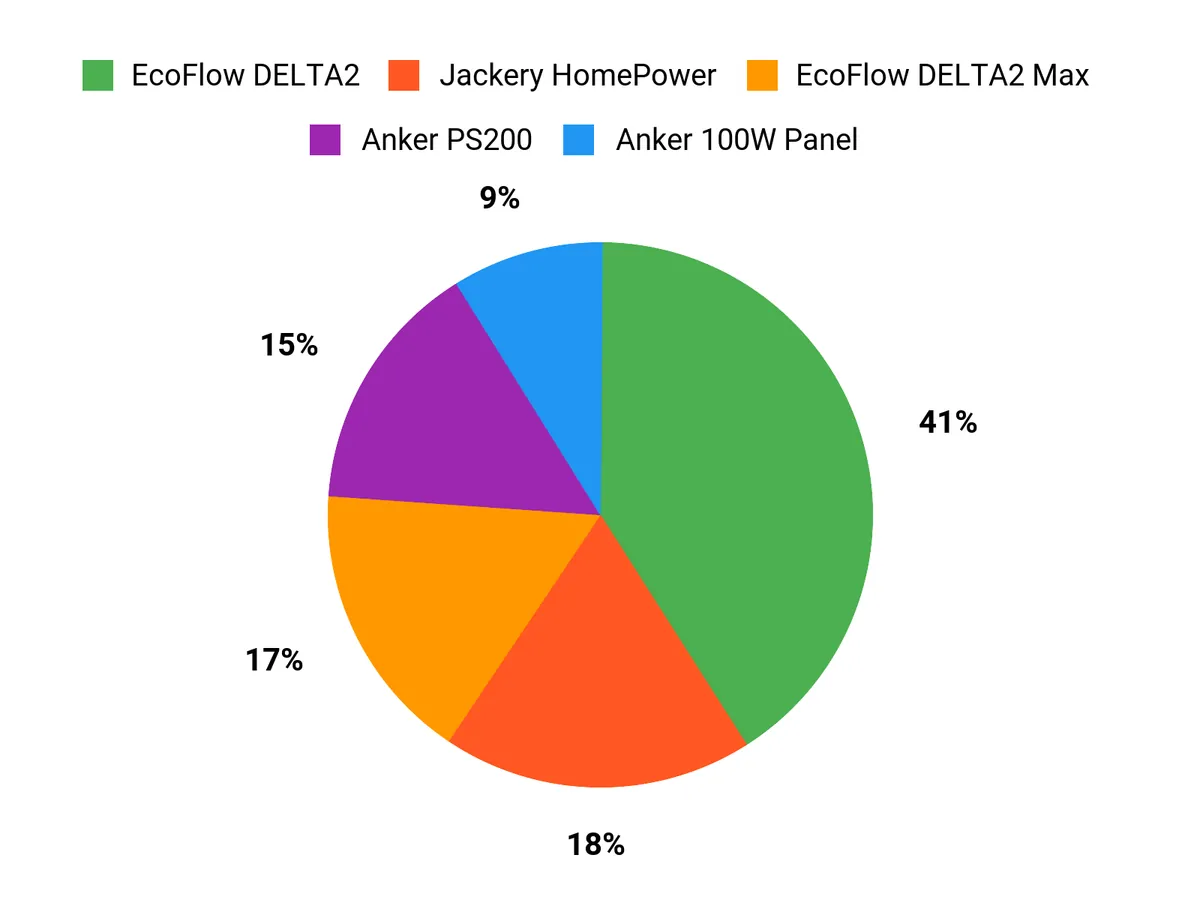
When choosing between the DELTA2 Max, Jackery HomePower and DELTA2, you typically prioritize runtime and output first — larger capacity and higher continuous/surge watts if you need to run fridges or power tools, or a lighter unit and easier transport if camping matters more. You also weigh recharge speed and expandability, UPS responsiveness and battery chemistry for long life, along with panel pairing, portability and manufacturer support to match the system to home backup or outdoor use.
Wrapping Up
You get cleaner, quieter, and more flexible power with modern solar generators, and picking the right unit saves you money and stress in an emergency. If you need maximum runtime and high output, the EcoFlow DELTA2 Max leads with expandable capacity and very fast charging.
For practical home backup that balances cost and reliability, the Jackery HomePower is a solid choice. The EcoFlow DELTA2 is the best all-round option when you want fast recharge times in a portable package.
If you already have a power station or need a lightweight charging solution, the Anker panels pair well and deliver good efficiency for their size. Match capacity, output and charging speed to how you actually plan to use the system, and you will get dependable power when it matters most.
| Product Name | Image | Rating | Battery Capacity (Wh) | Output Wattage (W) | Weight (lbs) |
|---|---|---|---|---|---|
| EF ECOFLOW Solar Generator DELTA 2 Max |
|
4.4/5 (150 reviews) | 2048 | 2400 | 92 |
| Jackery HomePower 1000 v2 |
|
4.5/5 (187 reviews) | 1024 | 1500 | 23.4 |
| EF ECOFLOW Portable Power Station DELTA 2 |
|
4.7/5 (5,167 reviews) | 1024 | 1800 | 27 |
| Anker 625 Solar Panel |
|
4.3/5 (28 reviews) | N/A | 100 | 11 |
| Anker SOLIX PS200 Solar Panel |
|
4.2/5 (135 reviews) | N/A | 200 | 20.35 |
This Roundup is reader-supported. When you click through links we may earn a referral commission on qualifying purchases.
