

Last Updated on September 10, 2026 by Daniel Globe
Spring in the Greek Islands is a magical time when nature awakens from its winter slumber, painting the landscapes with vibrant colors and fragrant blooms. As temperatures begin to rise, typically ranging from 15°C to 25°C (59°F to 77°F), visitors can enjoy mild weather that makes outdoor exploration a delight. The islands, characterized by their rugged terrain and stunning coastlines, come alive with wildflowers, olive blossoms, and lush greenery blanketed across the hillsides.
Quick Answer
The best time to visit the Greek Islands is during the shoulder seasons of spring (April to June) and fall (September to October). During these months, you will experience comfortable weather (20°C–25°C / 68°F–77°F), warm sea temperatures, manageable crowd levels, and lower accommodation rates compared to peak summer.
Key Takeaways
- Spring (April–June): Enjoy mild weather, blooming wildflowers, lower prices, and traditional Easter celebrations.
- Summer (July–August): Experience high energy, vibrant nightlife, and hot beach weather, but prepare for peak crowds and elevated costs.
- Fall (September–October): Ideal for warm sea swimming, wine and olive harvests, and sightseeing with fewer tourists.
- Winter (November–March): Explore major islands in peace, experience authentic local life, and take advantage of steep off-season discounts.
This season is particularly enchanting on islands like Santorini and Crete, where the contrast of the blue Aegean Sea against blossoming flora creates a picturesque setting perfect for photography and outdoor activities. The hiking trails winding through the islands are far less crowded than in summer, allowing for a intimate connection with nature. For instance, the famous hike from Fira to Oia on Santorini offers breathtaking views of the caldera with wildflowers dotting the trail.
Disclosure: As an Amazon Associate I earn from qualifying purchases. Some links on this page are affiliate links, at no extra cost to you.
Spring: Enjoy Mild Weather and Blooming Landscapes
Spring is also a season of rich local cultural celebrations, notably Orthodox Easter, which is deeply rooted in Greek tradition. Visitors during this time can participate in traditional customs, candlelit evening processions, and feasts featuring regional delicacies, offering a unique glimpse into authentic island life.
Pro Tip: While spring temperatures are ideal for hiking and sightseeing, sea water temperatures remain cool (around 16°C–19°C / 61°F–66°F). If swimming is your top priority, plan your trip for late May or June.
Summer & Peak Season: Embrace the Energy and Nightlife
As summer arrives, the atmosphere across the Greek Islands transforms into vibrant energy and high excitement. With temperatures soaring to an average of 30°C (86°F) or higher, travelers flock to the Aegean and Ionian seas to soak up the sun and swim in crystal-clear waters. Beaches become bustling hubs of activity, with lounge chairs lining golden sands and water sports like snorkeling, windsurfing, and sailing in full swing.
Islands such as Mykonos and Rhodes are famous during peak season (late June through August) for their lively beach clubs and nightlife. Summer also brings cultural festivals, music events, art exhibitions, and open-air theatrical performances. Local tavernas serve fresh seafood, Greek salads, and grilled specialties under warm evening breezes.
Warning: Peak summer brings heavy tourist traffic, high lodging prices, and fully booked ferries. Secure accommodations, vehicle rentals, and ferry tickets several months in advance if traveling in July or August.
During peak summer, islands celebrate their patron saints with colorful village festivals (panygiriya) featuring traditional live music, dancing, and communal feasts, such as the Feast of St. John on Patmos.
Products Worth Considering
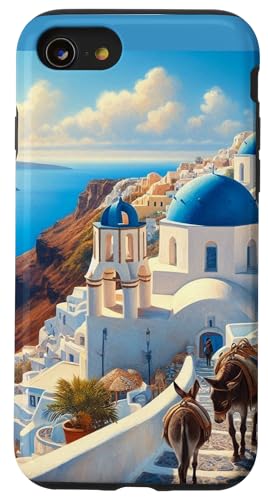
Greek travel destination design. Handmade vibrant painting capturing the essence of Santorini, Greece.

FEATURES: adjustable metal slide closure, low-sitting brim, an unstructured design, and a sweatband for wicking away sweat on sunny golf days.
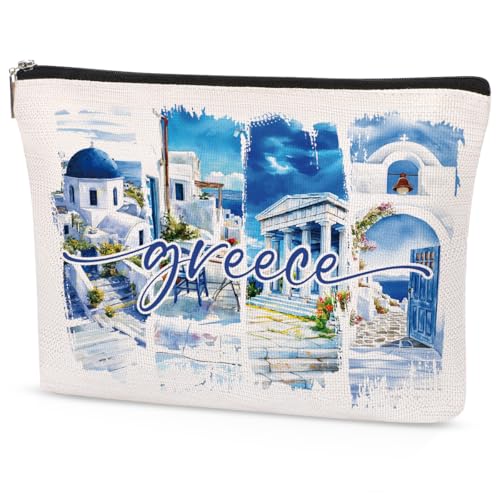
Unique Greece Souvenir Gift: A beautifully designed makeup bag inspired by Greek landmarks and culture — a perfect keepsake for travelers, friends, and family
Fall: Experience Pleasant Weather, Warm Seas, and Harvest Festivals

As summer heat fades into fall, the Greek Islands offer a serene escape characterized by warm weather and a noticeable drop in tourist numbers. September and October are among the best months to visit, with daily air temperatures hovering around 25°C (77°F) and sea temperatures remaining warm and comfortable for swimming after months of summer sun.
Fall coincides with the local harvest season. Olive oil production begins across the islands, accompanied by olive oil tastings and agricultural farm tours. In vineyard-rich destinations like Santorini, Crete, and Paros, wine production is celebrated with local wine festivals and winery tours, making autumn a paradise for food and wine enthusiasts.
Winter & Off-Season: Quiet Exploration and Heavy Discounts
Winter (November through March) presents a quiet, peaceful side of the Greek Islands. While many beach resorts close for the season, larger inhabited islands remain open, offering tranquility and historic exploration without crowds. Daily temperatures cool down to approximately 10°C–15°C (50°F–59°F).
Greek Islands Winter Travel Overview
| Island Target | Recommended Winter Activities | Off-Season Advantages |
| Crete | Mountain hiking, visiting Heraklion Archaeological Museum, olive harvest experiences | Significant hotel discounts, cheap car rentals, open year-round restaurants |
| Rhodes | Exploring the UNESCO Medieval Town of Rhodes, Palace of the Grand Master, coastal walks | Reduced room rates, peaceful historic sites without tour bus crowds |
| Syros | Ermoupoli neoclassical architectural tours, live rebetiko music, cultural museum visits | Authentic local living, steady ferry service as the Cycladic administrative capital |
Note: Smaller islands rely heavily on seasonal tourism and close most hotels and restaurants during winter. Choose larger islands with substantial permanent populations for winter trips.
Shoulder Season: The Ideal Balance for Travelers

The shoulder seasons—late May to early June and September to October—offer the ultimate balance for visiting Greece. Daytime temperatures remain comfortable (20°C to 28°C / 68°F to 82°F), making it enjoyable to explore archaeological sites like Delos or hike island ridges.
In addition to ideal weather, travel logistics are simpler. Restaurants and top attractions are open, ferry schedules are reliable, and accommodation rates are significantly lower than peak July/August pricing. Travelers enjoy spontaneous exploration without needing reservations months in advance.
Products Worth Considering


Festivals and Events Across the Greek Islands
Timing your visit around traditional Greek festivals provides deep cultural insight. In October, Crete hosts the famous Raki Festival, marking the distillation of seasonal raki spirit with music, dancing, and food. On August 15th, the Feast of the Assumption is celebrated across the islands with grand religious processions, traditional feasts, and public dancing.
When preparing for your island trip, smart packing helps keep your itinerary smooth and organized. Utilizing quality packing cubes helps keep clothing organized during ferry hops. Additionally, bringing compact essentials like a reliable travel razor or arranging lightweight transit options such as a portable travel scooter ensures comfort while navigating cobblestone island streets.
Frequently Asked Questions
What is the best time to travel to the Greek Islands?
The best time to travel to the Greek Islands is during the shoulder seasons of spring (May to June) and fall (September to October). During these periods, you can enjoy warm weather, manageable crowds, lower prices, and ideal swimming conditions.
What is the weather like in the Greek Islands during the best time to travel?
During the spring and autumn shoulder seasons, temperatures range comfortably between 21°C and 27°C (70°F to 80°F). Rain is minimal, skies are sunny, and sea temperatures in autumn remain warm enough for swimming.
Are there festivals or events to consider when planning a trip?
Yes. Significant events include Greek Orthodox Easter in spring, local village saint feasts (Panigiria) throughout July and August, the Feast of the Assumption on August 15th, and regional harvest celebrations like Crete’s Raki Festival in October.
What are the main advantages of traveling during shoulder seasons?
Key benefits include comfortable temperatures, significantly smaller tourist crowds, lower hotel rates and airfares, easy restaurant availability, and opportunities to connect authentically with island locals.
Are there disadvantages to traveling to the Greek Islands in shoulder seasons?
Potential drawbacks include reduced ferry frequencies compared to peak summer, cooler sea temperatures during early spring, and early or late seasonal closures for some beach clubs and seasonal shops.
Sources
- Greek National Tourism Organisation (GNTO) — Official island guides, seasonal events, and cultural travel planning
- Hellenic National Meteorological Service (HNMS) — Official climate averages and seasonal marine weather data
- UNESCO World Heritage Centre — Historic island site documentation for Rhodes, Delos, and Patmos
