
Last Updated on July 27, 2026 by Daniel Globe
The Canary Islands are an eight-island Spanish archipelago off the northwest coast of Africa. Tenerife, Gran Canaria, Lanzarote, Fuerteventura, La Palma, La Gomera, El Hierro, and La Graciosa offer very different combinations of beaches, volcanic scenery, forests, villages, and outdoor activities. Although the islands are known for mild year-round weather, conditions can change sharply between sheltered southern coasts, greener northern slopes, windy eastern islands, and high mountain areas.
Quick Answer
The best time to visit the Canary Islands is usually April to June or September to November for warm weather, manageable crowds, and good conditions for beaches and hiking. Winter is excellent for coastal sunshine and year-round whale watching, while July and August suit beach holidays but bring stronger demand, heat, and wind on some islands.
Key Takeaways
- Best overall balance: April to June and September to November usually combine warm weather with fewer holiday crowds.
- Best for beaches: June through October offers the warmest air and sea conditions, although some coasts are windy.
- Best for hiking: Spring and autumn are comfortable at lower elevations, but mountain weather can still be cold or change quickly.
- Best for winter sun: December through February is mild on many southern coasts, but it is not always a low-demand period.
- Best for whale watching: Trips operate throughout the year because pilot whales and bottlenose dolphins live near Tenerife permanently.
- Plan ahead: Major holidays, Carnival, Teide summit permits, and Roque Nublo access rules can affect availability.
There is no single Canary Islands forecast: the beach, the north coast, and a mountain summit can experience very different conditions on the same day.
Disclosure: As an Amazon Associate I earn from qualifying purchases. Some links on this page are affiliate links, at no extra cost to you.
Spring: A Good Time for Nature Lovers
Spring runs from March through May and is one of the most flexible times to visit. Coastal weather is generally mild, daylight increases, and many walking routes are more comfortable than during the hottest part of summer. Rainfall and cloud cover vary by island and exposure, so travelers should still check the local forecast rather than relying on one archipelago-wide prediction.
Discover the Lush Landscapes
La Palma and La Gomera are especially appealing to walkers who prefer forests, ravines, and greener scenery. Trails on wetter northern and windward slopes may pass through dense vegetation, seasonal streams, and viewpoints above the clouds. Conditions underfoot can remain damp after rain, so shoes with reliable grip are useful.
La Gomera’s Garajonay National Park protects one of the finest surviving areas of Canarian laurel forest. UNESCO reports that laurel forest covers about 70% of the park. Mist and high humidity help maintain this ancient ecosystem throughout the year, rather than only during spring.
Wildlife and Nature Reserves
Spring can be rewarding for birdwatching because breeding activity increases and migratory passage may add temporary visitors. However, the best-known island birds are not necessarily migrants. Tenerife and Gran Canaria have their own blue chaffinch species, while the Barbary partridge is a resident bird introduced to the islands.
Birdwatchers should choose locations according to habitat. Canary pine forests are associated with blue chaffinches, while laurel forests support endemic pigeons and other woodland species. Quiet early-morning walks usually provide better opportunities than busy midday periods.
Volcanic Landscapes and Local Festivals
Lanzarote’s Timanfaya National Park can be visited throughout the year, but spring often provides comfortable conditions for exploring the island’s volcanic scenery. Access within protected areas is regulated, so visitors should follow marked routes and official tour arrangements rather than walking across restricted lava fields.
Verified spring traditions on Tenerife include the Fiestas de Mayo and Día de la Cruz on May 3, when crosses are decorated with flowers and fruit in Santa Cruz, Puerto de la Cruz, Los Realejos, and other communities. Corpus Christi celebrations in La Orotava usually take place in May or June and feature carpets made from flowers and colored volcanic sand. Corpus Christi dates change each year.
Pro Tip: Pack a light waterproof layer for La Palma, La Gomera, and northern Tenerife. Sunny coastal weather does not guarantee dry conditions in forested uplands.
Summer: Peak Season for Beaches and Water Sports
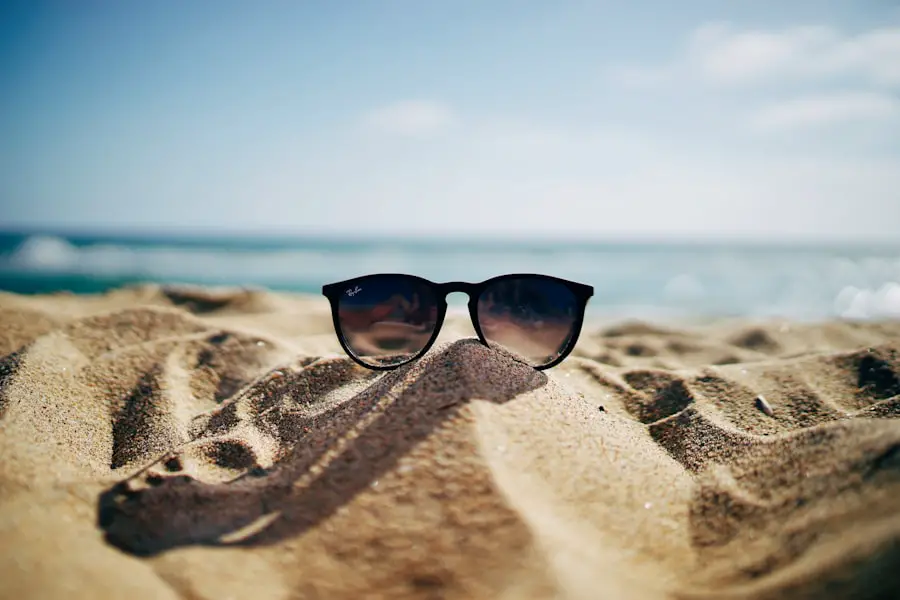
Summer generally runs from June through September. It brings long, dry days to many coastal areas and is a popular period for beach holidays, family travel, diving, sailing, surfing, windsurfing, and kitesurfing.
Temperatures should not be described as averaging 30°C across the islands. AEMET climate normals for Gran Canaria Airport, for example, show average daily maximums of 25.3°C in June, 26.9°C in July, and 27.5°C in August. Inland valleys, sheltered resorts, and heat or calima episodes can be hotter.
Fuerteventura is renowned for broad beaches and strong trade winds. Those winds benefit windsurfers and kitesurfers but can make exposed beaches feel cooler or less comfortable for sunbathing. Lanzarote also suits wind sports, while travelers seeking calmer swimming conditions should check the forecast and choose a sheltered beach.
Tenerife offers a wide range of beach environments. Playa de las Américas and nearby resort areas have nightlife and visitor services, while other parts of the island provide quieter coves, black-sand beaches, and natural pools. Gran Canaria similarly combines developed southern resorts with less urbanized stretches of coast.
Snorkeling and diving are available throughout the year. Summer and early autumn often appeal to swimmers because the sea is warmer, but visibility, waves, currents, and wind can change from one coast to another. The official Canary Islands tourism board reports average sea temperatures ranging from about 18°C in February to 23°C in August.
The Night of San Juan is celebrated on June 23 into June 24. Bonfires, music, community gatherings, and nighttime sea traditions take place in many towns and coastal areas. Local restrictions may control where bonfires are permitted, so visitors should attend organized celebrations instead of lighting their own fire.
Note: July and August overlap with European school holidays. Flights, family rooms, rental cars, and popular excursions can sell out even when a particular beach does not appear crowded.
Autumn: Ideal for Hiking and Sightseeing
| Activity | Recommended Areas | Typical Conditions | Planning Note |
|---|---|---|---|
| Hiking | Tenerife, La Palma, La Gomera, Gran Canaria | Warm coasts with cooler high elevations | Check trail closures, permits, wind, and rain |
| Sightseeing | Timanfaya, historic towns, volcanic viewpoints | Warm days with a growing chance of rain later in autumn | Keep an indoor alternative for unsettled days |
| Swimming | Sheltered southern and eastern resorts | Sea temperatures remain relatively warm | Follow beach flags and local current warnings |
| Wine and Food | Tenerife, Lanzarote, Gran Canaria, La Palma | Harvest activity varies by island and vineyard | Reserve tastings and confirm harvest events directly |
From September through November, the sea retains much of its summer warmth while daytime conditions often become more comfortable for active travel. September can still feel like summer, whereas November has a greater chance of rain, cloud, and cooler evenings.
Tenerife’s Teide National Park is a major hiking and sightseeing destination. Current IGN and MITECO references place Teide at 3,715 metres, making it the highest peak in Spain. Conditions near the summit are very different from those at the coast: temperatures are lower, wind can be strong, and snow or ice is possible in colder periods.
Access to the final summit section on the Telesforo Bravo trail requires a permit. The official national parks booking service directs visitors to Tenerife ON for current permit management. A cable-car ticket does not automatically include permission to walk to the summit.
Gran Canaria’s Roque Nublo is another popular autumn destination. Access to the main S-70 trail through Degollada de La Goleta is regulated during controlled hours. Advance booking, parking restrictions, and shuttle arrangements may apply, so visitors should check the official Gran Canaria tourism information before traveling to the trailhead.
Autumn also overlaps with grape harvesting and wine celebrations on several islands. Exact harvest dates vary according to altitude, island, grape variety, and weather. A vineyard visit should therefore be booked directly instead of relying on a single archipelago-wide harvest calendar.
Warning: Coastal warmth does not make Teide or other high-elevation routes low-risk. Carry water, sun protection, insulating layers, and suitable footwear. Check official weather alerts and trail restrictions before leaving.
Winter: Sun, Festivals, and Year-Round Whale Watching
From December through February, many coastal resorts remain mild compared with mainland Europe. AEMET normals for Gran Canaria Airport show an average daily maximum of about 22.2°C in December. Other islands and exposures differ, and nights, northern slopes, and mountain areas can be much cooler.
Winter is popular with visitors seeking sunshine, so it should not automatically be treated as the cheapest or quietest season. Christmas, New Year, February school breaks, and Carnival can increase demand for flights and accommodations.
Whale and dolphin watching is not limited to winter. The waters off southwest Tenerife support resident populations of short-finned pilot whales and bottlenose dolphins, which makes excursions possible throughout the year. Other species appear occasionally or seasonally, but no responsible operator can guarantee a particular sighting.
Choose an authorized operator that follows wildlife-viewing rules. Tenerife’s official guidance requires boats to maintain appropriate distances, limit observation time, travel slowly near animals, and avoid touching, feeding, swimming with, or disturbing cetaceans.
The Carnival of Santa Cruz de Tenerife is one of the season’s major cultural events. Its dates change because Carnival is tied to Lent, but the main celebrations normally fall in February or March. Gran Canaria and the other islands also host their own Carnival programs, often with different themes and schedules.
The festival atmosphere extends beyond the headline parades. Travelers may encounter neighborhood events, costume competitions, music, food stalls, and family activities. Accommodation in central Santa Cruz and Las Palmas can become scarce during the largest celebrations.
Off-Season Travel: Pros and Cons
The Canary Islands do not have one simple, archipelago-wide off-season. Demand depends on the island, resort, departure market, event calendar, and school holidays. A quiet week in a rural part of La Gomera may coincide with a busy holiday period in southern Tenerife or Gran Canaria.
May, early June, late September, October, and parts of November often provide a useful balance for travelers seeking warm weather without the busiest summer or winter holiday demand. These periods are better described as shoulder seasons rather than guaranteed low seasons.
Advantages of Quieter Travel Periods
- More choice at restaurants, museums, and less famous walking routes.
- A calmer atmosphere in historic towns and inland villages.
- Potentially better accommodation or rental-car availability outside event dates.
- More comfortable conditions for hiking and sightseeing than during hot summer afternoons.
- Greater flexibility when weather changes require a revised itinerary.
Possible Disadvantages
- Rain and cloud are more likely during parts of late autumn and winter, especially on northern and higher slopes.
- Some small businesses, tours, or ferry services may operate on reduced schedules.
- High mountain routes may be affected by wind, ice, snow, wildfire recovery work, or conservation closures.
- Christmas, New Year, Carnival, Easter, and school holidays can erase expected savings.
- Swimming conditions depend on local waves and currents, not only air temperature.
Pro Tip: Compare the exact week rather than relying on a seasonal label. A festival, sporting event, or school holiday can affect prices more than the month itself.
Events and Festivals Throughout the Year
The Canary Islands have religious festivals, community celebrations, food events, music programs, and Carnival activities throughout the year. Exact schedules should be verified with the relevant island or municipal tourism office before booking.
- Carnival: Usually February or March, with major celebrations in Santa Cruz de Tenerife and Las Palmas de Gran Canaria.
- Día de la Cruz: May 3, with flower-decorated crosses in several Tenerife communities.
- Corpus Christi: Usually May or June, including flower and volcanic-sand carpets in La Orotava.
- San Juan: The night of June 23 into June 24, with organized bonfires and coastal traditions.
- Wine-harvest celebrations: Dates vary by island, municipality, altitude, and harvest conditions.
- Local patron-saint festivals and romerías: Held across the islands at different times, often featuring traditional dress, music, dancing, crafts, and Canarian food.
Festival attendance can improve a trip by providing access to local traditions, but it can also affect traffic, parking, opening hours, noise levels, and accommodation availability. Travelers seeking a quiet stay should check the event calendar as carefully as travelers hoping to join a celebration.
Which Canary Island Is Best for Each Type of Trip?
Tenerife
Tenerife offers the widest mix of resort beaches, nightlife, historic towns, whale watching, forests, and high-mountain scenery. It suits first-time visitors and mixed-interest groups throughout the year. Spring and autumn are especially convenient for combining coast and hiking, while winter attracts sun seekers and Carnival visitors.
Gran Canaria
Gran Canaria combines developed southern beaches with mountain villages, ravines, city attractions, and hiking routes. It works well year-round, with spring and autumn offering comfortable conditions for exploring the interior. Roque Nublo visitors must check current reservation and transport rules.
Lanzarote
Lanzarote is a strong choice for volcanic landscapes, architecture, cycling, wine, and relatively dry scenery. Spring and autumn are comfortable for sightseeing and walking. Summer is suitable for beaches and water sports but can be windy and exposed.
Fuerteventura
Fuerteventura is best known for long beaches, open landscapes, surfing, windsurfing, and kitesurfing. Summer offers warm, dry weather but also strong trade winds. Travelers focused on relaxed swimming should research sheltered beaches and daily sea conditions.
La Palma
La Palma suits hikers, stargazers, photographers, and travelers who prefer nature to large resorts. Spring and autumn are attractive walking periods, while winter may bring more cloud and rain on exposed slopes. Trail conditions should be checked after severe weather or wildfire restrictions.
La Gomera
La Gomera is a good choice for laurel forest, traditional villages, ravines, and walking. Spring is green and mild, while autumn can provide warm conditions with fewer summer visitors. Ferry connections and local transport should be planned in advance.
El Hierro
El Hierro appeals to divers, walkers, and travelers seeking a slower pace. It has fewer large tourism facilities, so transport and activity reservations require more preparation. Spring and autumn offer a useful balance for outdoor exploration.
La Graciosa
La Graciosa, officially recognized as the eighth Canary Island in 2018, is known for unpaved streets, beaches, cycling, and a quiet atmosphere. It is reached by boat from Lanzarote. Services are limited compared with the larger islands, and exposed conditions can be windy.
Weather, Wind, and Microclimates
The expression “eternal spring” describes the generally mild coastal climate, but it should not be interpreted as identical weather everywhere. Elevation, terrain, trade winds, and the direction a slope faces create strong local differences.
- Southern and southwestern coasts: Often sunnier and drier, particularly on Tenerife and Gran Canaria.
- Northern and windward slopes: More likely to experience cloud, moisture, and greener vegetation.
- High elevations: Much colder than the coast, with strong wind and possible winter snow or ice.
- Lanzarote and Fuerteventura: Generally drier, flatter, and more exposed to wind.
- La Palma, La Gomera, and northern Tenerife: More varied terrain and a greater chance of localized rain or mist.
Calima occurs when Saharan dust reaches the islands. It can reduce visibility, raise temperatures, and worsen air quality. People with respiratory or cardiovascular conditions should follow official health guidance, reduce strenuous outdoor activity when advised, and monitor Canary Islands Government and AEMET alerts.
Forecasts should be checked for the specific coast, town, or mountain zone rather than for “the Canary Islands” as a single location. AEMET publishes separate warnings for individual islands and subregions.
Practical Planning and Safety Tips
- Check AEMET weather and marine forecasts shortly before outdoor or boat activities.
- Reserve popular accommodation, rental cars, and excursions early for Christmas, New Year, Carnival, Easter, July, and August.
- Confirm Teide summit permits through the official Tenerife ON system.
- Review current Roque Nublo reservations, parking restrictions, and shuttle schedules.
- Use authorized whale-watching companies and avoid operators that promise touching or swimming with cetaceans.
- Carry high-SPF sunscreen, drinking water, a hat, and sunglasses in every season.
- Take an insulating and wind-resistant layer for boats, sunrise trips, and mountain viewpoints.
- Follow beach flags and lifeguard instructions. Do not enter rough water merely because the air feels warm.
- Wear proper hiking shoes and remain on marked trails in volcanic and protected areas.
- Check ferry times carefully when combining islands, especially during windy weather.
Warning: Strong Atlantic currents and waves can affect natural pools, rocky coves, and apparently calm beaches. Never ignore a red flag, barrier, local closure, or lifeguard instruction.
Choosing the Best Time to Visit the Canary Islands
April to June and September to November provide the best overall balance for many visitors. These periods generally support beach time, sightseeing, and hiking without the highest summer or winter holiday demand. They are particularly useful for travelers who want to combine several islands or mix coastal and inland activities.
Choose July or August when your priority is a traditional summer beach holiday and you do not mind booking early. Choose December through February for mild coastal weather, winter sunshine, Carnival, and year-round whale watching, while remembering that winter is not automatically cheap or quiet.
Spring is especially attractive for flowers, green landscapes, forests, and local May traditions. Autumn is a strong choice for warm sea conditions, hiking, sightseeing, and food or wine experiences. The best month ultimately depends less on an archipelago-wide temperature and more on your chosen island, elevation, coast, activity, and tolerance for wind or crowds.
A rechargeable hand warmer is usually unnecessary for daytime coastal sightseeing. It may be useful for a pre-dawn stargazing trip, a winter mountain excursion, or time spent waiting outdoors at high elevation. This guide to rechargeable hand warmers for travel explains the main features to consider.
Frequently Asked Questions
What is the best time to visit the Canary Islands?
April to June and September to November are the best all-around periods for many travelers. They usually offer warm weather, good hiking conditions, and fewer peak-holiday crowds than July, August, Christmas, or New Year.
What is the weather like during the best months?
Coastal weather is generally mild to warm, but conditions vary by island and elevation. Southern coasts are often sunnier, northern slopes can be cloudier, and mountain areas may be cold even when nearby beaches are warm.
When is the best time for beaches and swimming?
June through October generally offers the warmest combination of air and sea temperatures. Swimming is possible in other months, but wind, waves, currents, and individual cold tolerance should guide the decision.
When is the best time for hiking?
Spring and autumn usually provide comfortable hiking temperatures. High-elevation routes require extra preparation throughout the year, and access may be restricted because of wind, snow, wildfire risk, maintenance, or conservation work.
Can you see whales in the Canary Islands all year?
Yes. Resident short-finned pilot whales and bottlenose dolphins make year-round excursions possible near southwest Tenerife. Wildlife remains unpredictable, so sightings of a particular species cannot be guaranteed.
Is winter the off-season in the Canary Islands?
Not consistently. Winter attracts visitors escaping colder European weather, and Christmas, New Year, school holidays, and Carnival can be busy. Quieter periods depend on the exact island, resort, and travel dates.
Which festivals should visitors consider?
Major options include Carnival in February or March, Día de la Cruz on May 3, Corpus Christi in May or June, and San Juan on the night of June 23. Confirm annual programs because dates and event locations can change.
Sources
- AEMET climate normals for Gran Canaria Airport — supports monthly coastal temperature and rainfall examples.
- Official Canary Islands Tourism — supports the eight-island description and year-round destination overview.
- UNESCO: Garajonay National Park — supports the park’s World Heritage status and laurel-forest information.
- Spanish Ministry for the Ecological Transition: Teide National Park — supports Teide’s elevation, environment, and high-mountain conditions.
- Official Tenerife Tourism cetacean guide — supports year-round resident pilot-whale and bottlenose-dolphin information.
- Official Gran Canaria Tourism: Roque Nublo access — supports current reservation, parking, and shuttle guidance.
