
Last Updated on July 28, 2026 by Daniel Globe
The best time to visit the Cayman Islands depends on whether you care most about dry weather, lower prices, smaller crowds, or flexibility. The islands stay warm throughout the year, but the dry season from November through April generally brings less rain and lower humidity. The wetter months can offer better value, although they also overlap with Atlantic hurricane season.
Quick Answer
For the best mix of sunny weather, lower humidity, and calmer conditions, visit the Cayman Islands from December through April. March is especially dry. May and early June can offer better value with plenty of good weather, while June 1 through November 30 overlaps Atlantic hurricane season and brings greater rain and storm risk.
Key Takeaways
- December through April offers the most dependable combination of lower rainfall, warm temperatures, and comfortable humidity.
- Winter and early spring are also the busiest periods, so popular hotels, tours, and flights can cost more or sell out sooner.
- May and early June can be a useful compromise for travelers seeking warm weather and potentially better rates.
- Atlantic hurricane season runs from June 1 through November 30, so flexible reservations are especially useful during those months.
- Snorkeling, diving, beaches, and wildlife experiences are available year-round, although local wind, rain, and sea conditions can change from day to day.
Disclosure: As an Amazon Associate I earn from qualifying purchases. Some links on this page are affiliate links, at no extra cost to you.
Best Time to Visit the Cayman Islands by Travel Priority
| Travel Priority | Best Time to Consider |
| Best overall weather | December through April |
| Lowest rainfall odds | February through April, with March especially dry on average |
| Weather/value balance | Late April through early June |
| Potentially lower travel prices | Summer and early fall, especially outside major holidays and events |
| Lowest hurricane-season exposure | December through May |
| Food-focused trip | January for Cayman Cookout |
Cayman Islands Weather and Climate by Season
The Cayman Islands have a tropical marine climate rather than four sharply defined seasons. According to the Cayman Islands National Weather Service, the wetter season generally runs from about mid-May through October, while November through April is comparatively dry.
During the dry season, the average temperature is about 80.3°F (26.8°C). Average daily highs are about 84.5°F (29.2°C), while average lows are about 74.5°F (23.6°C). During the wet season, the average temperature rises to about 84.6°F (29.2°C), with average highs near 89.1°F (31.7°C).
Rainfall also changes sharply by season. The National Weather Service reports that September and October are typically the wettest part of the year, while March is among the driest months.
Note: Dry season does not guarantee perfectly calm seas. Winter cold fronts, locally called “northwesters,” can sometimes bring stronger north-to-northwest winds and rough water along western and northern coasts. Check the local marine forecast before booking a boat, dive, or snorkel trip.
Peak Tourist Season: December to April
December through April is the main high-demand period for Cayman travel. It combines the dry season with winter escapes from colder parts of North America and Europe, holiday travel, spring break, and major events.
Recent government figures reinforce how busy this period can become. December 2025 brought a record 54,830 stayover visitors, while March 2026 became the strongest month in Cayman Islands tourism history with 64,213 stayover visitors.
March 2026 recorded 64,213 stayover visitors, making it the Cayman Islands’ strongest stayover month on record, according to the Cayman Islands Government.
The tradeoff is price and availability. Resorts along Seven Mile Beach, popular villas, direct flights, and high-demand excursions may become more expensive or harder to book during Christmas and New Year, school-break weeks, Easter, and major event dates.
Travelers who want the most dependable dry-season weather should still consider this period, but booking early gives you more choice.
Lower-Crowd and Better-Value Months
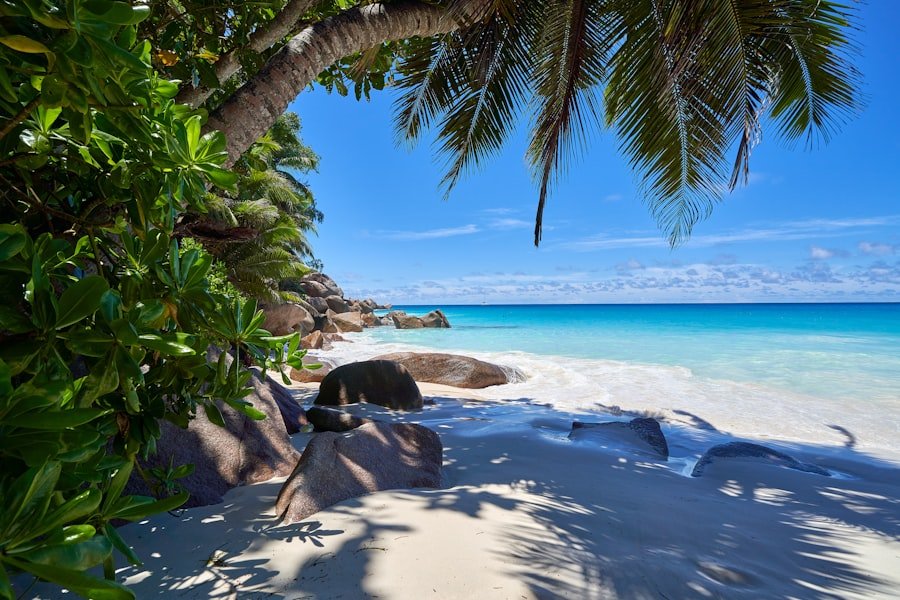
May through November is generally the lower-demand part of the year compared with the winter peak, although visitor numbers can still be substantial. May is particularly useful for travelers who want warm weather after the main winter rush but are comfortable with a growing chance of showers.
Summer can also bring more attractive airfare and hotel offers. The Cayman Islands’ official tourism guidance notes that July through September can be more affordable than the main winter travel period.
The tradeoff is that the weather becomes hotter and more humid, rainfall increases, and hurricane-season risk must be taken seriously. September and October are normally among the wettest months.
Pro Tip: For a useful middle ground, compare late-April, May, and early-June rates with winter prices. You may find better value while still having long stretches of beach-friendly weather, but keep outdoor plans flexible for passing showers.
Hurricane Season in the Cayman Islands
The official Atlantic hurricane season runs from June 1 through November 30, according to the National Hurricane Center. That does not mean a hurricane will affect the Cayman Islands during your trip, but tropical systems can disrupt flights, ferries, boat excursions, diving, and resort operations.
Travelers visiting during these months should favor flexible airline and hotel policies, monitor the Cayman Islands National Weather Service and National Hurricane Center, and understand exactly what their reservations cover if severe weather develops.
Warning: Do not treat a sunny long-range forecast as proof that hurricane-season travel is risk-free. Tropical systems can develop or change track after a trip has been booked. Keep important reservations flexible and follow official weather instructions if a watch or warning is issued.
Month-by-Month Cayman Islands Travel Guide
The following average temperatures use the Cayman Islands National Weather Service’s 1991–2020 climate normals for Owen Roberts International Airport on Grand Cayman.
| Month | Average Temp. | What to Expect |
| January | 78.8°F / 26.0°C | Dry, warm, popular, and excellent for beach trips; book early. |
| February | 79.2°F / 26.3°C | Dry-season weather with relatively low rainfall and strong demand. |
| March | 80.0°F / 26.7°C | One of the driest months; excellent weather but potentially heavy spring-break demand. |
| April | 81.9°F / 27.7°C | Warm, mostly dry, and a good late-season choice; Easter can increase demand. |
| May | 83.3°F / 28.5°C | Transition toward the wet season, with warmer conditions and more showers. |
| June | 84.8°F / 29.3°C | Hot and wetter; hurricane season begins June 1. |
| July | 85.5°F / 29.7°C | Hot, humid, and often better value than winter. |
| August | 85.7°F / 29.8°C | The warmest average month; expect humidity, showers, and hurricane-season uncertainty. |
| September | 85.0°F / 29.4°C | Very warm and one of the wetter months; flexible plans are important. |
| October | 83.4°F / 28.5°C | Typically among the wettest periods of the year and still within hurricane season. |
| November | 81.7°F / 27.6°C | Transition toward drier weather; hurricane season officially continues through November 30. |
| December | 80.0°F / 26.7°C | Dry-season weather returns, while holiday travel increases crowds and prices. |
Special Events and Festivals
Events can change both the experience and the cost of a Cayman trip, so check the official event calendar before choosing dates.
One of the best-known annual food events is The Ritz-Carlton Cayman Cookout. The next confirmed Cayman Cookout is scheduled for January 14–17, 2027, placing it squarely in the dry-season high period.
The Cayman Islands Department of Tourism event calendar also lists culinary, cultural, music, carnival, and sporting events throughout the year. Annual traditions such as Pirates Week can be worth planning around, but travelers should use the current official schedule rather than relying on older dates.
If your trip overlaps a large festival, race, holiday, or culinary event, expect certain hotels and restaurants to fill faster than they would on an ordinary week.
Outdoor Activities and Adventures
The Cayman Islands are especially well suited to water-based activities. Seven Mile Beach is one of Grand Cayman’s best-known beaches, while snorkeling, scuba diving, paddleboarding, kayaking, sailing, and boat excursions are widely available.
Snorkeling and Scuba Diving
Diving is possible throughout the year. Grand Cayman has shore dives, wrecks, walls, and reef sites, while Little Cayman is famous for Bloody Bay Wall and Cayman Brac combines wall diving with wreck sites.
Dry-season conditions can be excellent, but winter cold fronts occasionally make western and northern waters rough. During the wet season, a calm day can still produce excellent visibility. For that reason, divers should pay attention to the marine forecast and local operator advice rather than choosing a trip solely by calendar month.
Beaches, Boating, and Stingray City
Calm days are ideal for Seven Mile Beach and trips into the North Sound. Stingray City and the Sandbar are among Grand Cayman’s signature marine experiences. Weather and sea conditions can affect departure times or cause operators to alter itineraries, particularly when winds strengthen.
Land-Based Adventures
Water sports are not the only option. Travelers can explore nature reserves and botanical areas on Grand Cayman or spend time on Cayman Brac, where the Bluff and quieter coastal landscapes appeal to hikers, birdwatchers, and visitors looking for a less resort-focused experience.
Wildlife and Nature

Stingray City and Marine Wildlife
Grand Cayman’s Stingray City and Sandbar are designated Wildlife Interaction Zones. The Cayman Islands Department of Environment advises visitors to interact with stingrays only in the designated zones and to handle the animals carefully. Stingrays should never be lifted out of the water.
Using a reputable local operator can make the experience safer for both visitors and wildlife because licensed guides understand the local interaction rules and sea conditions.
Exploring Unique Cayman Ecosystems
Cayman’s natural appeal extends beyond stingrays. Reefs, mangroves, coastal habitats, birds, sea turtles, and the endemic Grand Cayman blue iguana give nature-focused travelers plenty to explore.
Marine protected areas are important parts of Cayman’s conservation system, so visitors should follow posted fishing, anchoring, wildlife, and reef-protection rules.
Guided Tours for a Deeper Understanding
Nature walks, dive guides, snorkeling charters, and wildlife-focused excursions can add context that is easy to miss on your own. A knowledgeable local guide can explain seasonal conditions, protected species, reef etiquette, and the conservation work taking place across the three islands.
What About Sargassum?
Sargassum is naturally occurring floating seaweed that can wash onto Caribbean beaches. The Cayman Islands Department of Environment notes that the timing and affected coasts can vary, so there is no reliable month that guarantees every beach will be free of it.
If beach appearance is a major priority, look at current conditions shortly before departure rather than choosing a month based on old sargassum reports.
Accommodation and Travel Costs
Travel costs in the Cayman Islands change with demand. The dry-season winter months are highly desirable, and Christmas, New Year, spring break, Easter, and major events can put extra pressure on both room rates and availability.
Hotels and resorts along Seven Mile Beach are only one option. Visitors can also compare condominiums, villas, guesthouses, and accommodations away from the busiest resort strip. Cayman Brac and Little Cayman offer a different accommodation mix from Grand Cayman and can work well for travelers focused on diving or a quieter atmosphere.
Summer and early-fall periods can produce better hotel or airfare promotions, but no specific month guarantees the cheapest trip. Airfare, hotel category, advance-purchase rules, event dates, and cancellation terms all affect the final price.
Before booking, compare the total trip cost rather than just the room rate. Airport transfers, rental cars, meals, dive packages, boat excursions, resort fees, and cancellation flexibility can materially change the value of one option versus another.
Tips for Making the Most of Your Trip
Start by deciding which tradeoff matters most. Travelers who want the lowest weather risk should favor the dry season. Travelers who care more about price can compare May through fall dates, provided they are comfortable with higher rain and tropical-weather risk.
Check the forecast again shortly before any boat excursion. Cayman weather is tropical, and a passing shower does not necessarily ruin a beach day, but strong winds or thunderstorms can affect marine activities even when conditions on land seem pleasant.
Pack lightweight, breathable clothing, sun protection, swimwear, and comfortable footwear throughout the year. A light rain layer is useful during the wetter months. A light sweater or layer can also be handy in strongly air-conditioned restaurants or after a winter cold front.
During hurricane season, keep copies of your reservation terms and make sure you know how your airline, hotel, tour provider, and travel insurer treat storm-related disruptions.
Note: A rainy forecast icon in the tropics does not always mean an all-day washout. Short showers can be followed by sunshine. For boat trips and diving, wind and sea-state forecasts can be just as important as the chance of rain.
Frequently Asked Questions
What is the best time to travel to the Cayman Islands?
December through April is the best choice for most travelers because it falls within the drier, somewhat cooler part of the year. January through March is especially appealing for travelers who prioritize weather, although these months also bring stronger visitor demand.
What is the weather like during the best time to visit?
During the November–April dry season, the Cayman Islands National Weather Service reports an average temperature of about 80.3°F (26.8°C), with average daily highs near 84.5°F (29.2°C) and lows near 74.5°F (23.6°C). Rainfall is generally lower than during the wet season.
When is hurricane season in the Cayman Islands?
Atlantic hurricane season officially runs from June 1 through November 30. A storm will not affect Cayman every time you visit during those months, but travelers should use flexible reservations and monitor official forecasts.
What are the rainiest months in the Cayman Islands?
September and October are typically the wettest part of the year according to Cayman climate data. Tropical rain can occur in bursts, so a wet-season visit can still include long periods of sunshine.
When is the cheapest time to visit the Cayman Islands?
Summer and early fall often provide better-value airfare or hotel offers than the winter high season, particularly outside holiday and event periods. Prices change constantly, so compare live rates rather than assuming one month will always be cheapest.
What activities are available during the best travel months?
Visitors can enjoy beaches, snorkeling, scuba diving, sailing, kayaking, Stingray City excursions, nature reserves, botanical attractions, dining, and trips around Grand Cayman, Cayman Brac, and Little Cayman. Most major activities operate year-round, subject to weather and sea conditions.
Are there events worth planning a Cayman trip around?
Yes. Cayman hosts culinary, cultural, music, carnival, and sporting events throughout the year. Cayman Cookout is one of the best-known annual food events, with the next confirmed edition scheduled for January 14–17, 2027. Check the official Cayman event calendar for current dates before booking.
Sources
- Cayman Islands National Weather Service — Climate and Grand Cayman Climate Normals — dry and wet seasons, temperatures, rainfall patterns, and 1991–2020 monthly averages.
- NOAA National Hurricane Center — official Atlantic hurricane-season dates and tropical-weather information.
- Cayman Islands Department of Tourism — Weather — seasonal travel conditions and general airfare/hotel value guidance.
- Cayman Islands Government — March 2026 Tourism Report — current winter and spring visitation data.
- Cayman Islands Department of Tourism — Events and The Ritz-Carlton Cayman Cookout — current Cayman event information and confirmed Cayman Cookout dates.
- Cayman Islands Department of Environment — Stingrays and Sargassum Guidance — responsible wildlife interaction and beach-condition context.