Last Updated on August 26, 2026 by Daniel Globe
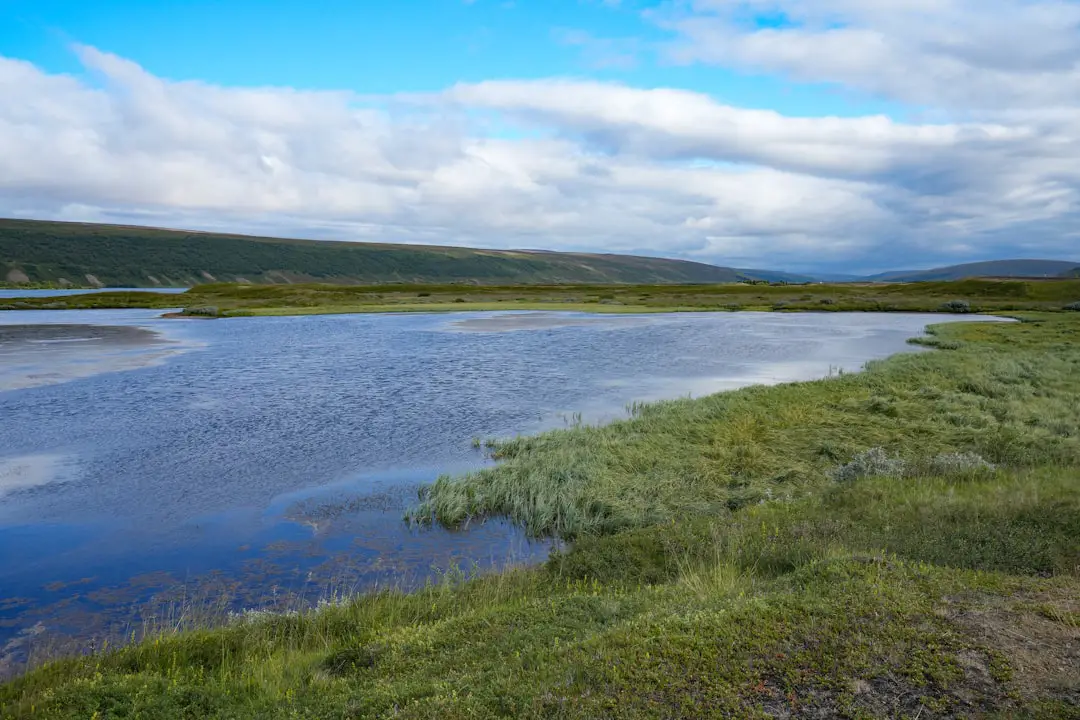
Vancouver Island offers a very different trip depending on when you go. Summer brings the warmest, driest weather and the widest choice of hiking, paddling, wildlife tours, and festivals, but it also brings the biggest crowds. Spring and early fall offer a better balance of mild weather and lighter demand, while late fall and winter are ideal for Tofino storm watching and quiet coastal escapes. The island stretches about 460 kilometres from south to north, so weather and seasonal conditions can vary considerably between Victoria, the west coast, and northern communities. Vancouver Island is also the traditional territory of Coast Salish, Nuu-chah-nulth, and Kwakwaka’wakw Peoples, whose cultures and communities remain central to the island today.
Quick Answer
For most travelers, the best time to visit Vancouver Island is from late May through September. July and August offer the warmest, driest conditions but the largest crowds. May, June, and September usually provide a better balance of pleasant weather and availability, while fall and winter are best for Tofino storm watching and quieter getaways.
Key Takeaways
- July and August: Best for warm, dry weather, beaches, hiking, paddling, and the widest choice of tours—but expect peak demand.
- May, June, and September: Strong choices for travelers who want mild conditions with somewhat less summer pressure.
- March and April: Particularly attractive for spring scenery and migrating gray whales.
- October through winter: Good for quieter trips, cozy coastal stays, and storm watching around Tofino, but expect wetter weather and some seasonal closures.
- Plan by region: Victoria and the east coast are generally drier and warmer than the exposed west coast, while northern Vancouver Island tends to be cooler.
Disclosure: As an Amazon Associate I earn from qualifying purchases. Some links on this page are affiliate links, at no extra cost to you.
Best Time to Visit Vancouver Island at a Glance
| Season | Best For | What to Expect |
|---|---|---|
| Spring March–May |
Gray whales, blossoms, hiking, lighter crowds | Mild but changeable weather with a mixture of sunshine and rain. |
| Summer June–August |
Beaches, hiking, kayaking, camping, festivals, whale watching | Warmest and driest period, long daylight hours, and highest visitor demand. |
| Fall September–November |
Harvest season, wildlife, hiking, fall colors, early storm watching | September can still feel summery; rain and Pacific storms become more common later in fall. |
| Winter December–February |
Storm watching, quiet coastal escapes, skiing and snow activities at elevation | Wettest period on much of the island, with mild coastal temperatures but snow in the mountains. |
Tourism Vancouver Island describes the region as having some of Canada’s mildest weather, but the island’s mountains and exposure to the Pacific create major local differences. Spring can bring temperatures around 10°C to 17°C in many areas, while summer temperatures on the east side of the island commonly reach roughly 20°C to 30°C. The exposed west coast generally remains cooler.
Weather and Climate
Vancouver Island has a temperate Pacific climate, but treating the entire island as one weather zone can be misleading. The southwest and east coast sit partly in a rain shadow, while Tofino and the west coast receive much more Pacific moisture. Northern communities are generally cooler than Victoria.
Victoria and Southern Vancouver Island
Victoria has some of the mildest and driest coastal conditions on the island. According to Environment and Climate Change Canada’s 1991–2020 climate normals, Victoria Gonzales has a normal daily average of about 5.8°C (42°F) in January and 16.3°C (61°F) in July. Normal July daytime highs average about 20.6°C (69°F), although hotter days certainly occur.
West Coast: Tofino and Ucluelet
The west coast is cooler, wetter, and more exposed to Pacific weather. Summers can still provide beautiful sunny stretches, but fog and rain can occur at any time. Fall brings increasingly frequent rain and larger ocean swells, while winter is the heart of Tofino’s famous storm-watching season.
Central and Northern Vancouver Island
Campbell River and Port Hardy tend to be cooler than Victoria. Environment and Climate Change Canada’s 1991–2020 normals put Campbell River’s January daily average at about 2.6°C (37°F) and Port Hardy’s at about 4.1°C (39°F). Temperatures can fall below freezing during cold periods, and mountain areas receive much more snow than low-elevation coastal communities.
Vancouver Island does not have one uniform climate: a sunny day in Victoria can coincide with cool rain on the west coast and very different conditions in the mountains.
Note: Pack for changing conditions even in summer. A light waterproof shell, layers, comfortable waterproof footwear, sunscreen, and a warmer layer for evenings cover most sightseeing trips.
Peak Tourist Season: Summer
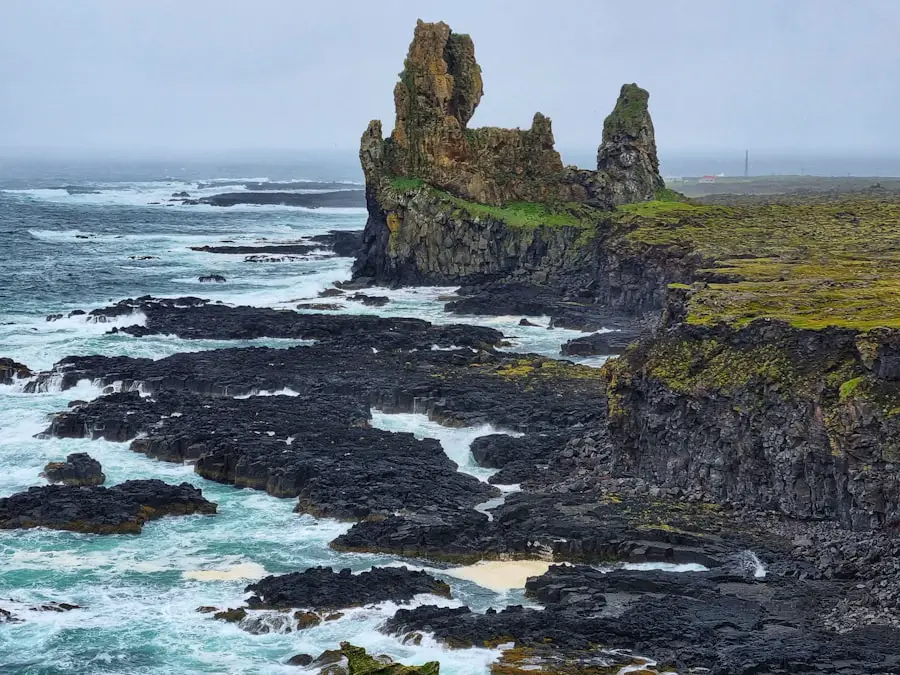
Summer—especially July and August—is the busiest period for Vancouver Island travel. Warm, comparatively dry weather and long daylight hours make this the easiest time for beaches, road trips, hiking, paddling, camping, fishing, wildlife tours, gardens, and outdoor festivals.
Tourism Vancouver Island describes summer as warm, dry, and sunny, with temperatures commonly around 20°C to 30°C on the east coast while the west coast remains cooler. That favorable weather also means greater competition for hotels, campgrounds, rental vehicles, and popular ferry sailings.
BC Ferries advises travelers that summer weekends, particularly long weekends, are among its busiest periods and recommends booking in advance when possible. If your trip involves a vehicle crossing between Metro Vancouver and Vancouver Island, reserving your preferred sailing can reduce the risk of a long standby wait.
Travelers looking to experience Vancouver Island during peak summer should reserve high-priority accommodation, ferry crossings, campsites, and tours as early as practical.
Pro Tip: If you want summer-like conditions without targeting the busiest school-holiday weeks, consider June or September. September can still offer excellent outdoor weather, although days are shorter and rain becomes more likely as fall progresses.
Off-Peak and Shoulder Seasons
| Metrics | Typical Off-Peak Pattern |
|---|---|
| Visitor Numbers | Generally lower outside summer and major holiday periods |
| Hotel Occupancy | Often easier availability, although weekends and special events can still sell out |
| Flight Prices | Variable; compare fares rather than assuming off-season flights will always be cheaper |
| Tourist Attractions | Often less crowded, but some businesses and seasonal facilities may reduce hours |
Spring and fall are better described as shoulder seasons than simply “off-peak.” In spring, longer days, blossoms, migrating wildlife, and relatively light visitor numbers make March through May appealing for sightseeing and outdoor activities. Rain remains possible, so waterproof layers are useful.
Fall changes quickly. September can still offer long stretches of comfortable outdoor weather, while October and November become progressively wetter. Autumn also brings harvest-season food, colorful deciduous trees against evergreen forests, salmon runs, and strong wildlife-viewing opportunities.
Winter offers the quietest version of many coastal destinations. Tofino is especially well known for storm watching as Pacific systems bring powerful waves, wind, and rain to the exposed coast. Accommodation promotions may be easier to find during quieter periods, but prices are never guaranteed to be lower on a particular date.
Some restaurants, tours, campgrounds, visitor facilities, and wilderness routes operate seasonally, so check opening dates before building a winter or early-spring itinerary.
Special Events and Festivals
Festivals can be a good reason to choose one month over another. Dates change from year to year, so always confirm directly with the organizer before booking a trip around an event. Examples verified for 2026 include:
| Event | 2026 Dates | Location / Focus |
|---|---|---|
| Pacific Rim Whale Festival | March 14–21 | Tofino, Ucluelet, and the Pacific Rim; celebrates the northward migration of gray whales |
| TD Victoria International JazzFest | June 19–28 | Victoria; ticketed and free jazz performances |
| Cowichan Valley Wine Festival | August 1–31 | Cowichan Valley; winery tastings and regional wine experiences |
| Victoria Fringe Festival | August 26–September 6 | Victoria; theatre, comedy, storytelling, dance, and other live performance |
The Pacific Rim Whale Festival is particularly useful for travelers interested in the ecology of the west coast. It coincides with the spring migration of Pacific gray whales and includes educational, community, and family-focused activities.
Summer visitors have the broadest festival calendar, but events can increase local accommodation demand. If a festival is a major part of your trip, book lodging before assuming rooms will be available at standard rates.
Outdoor Activities
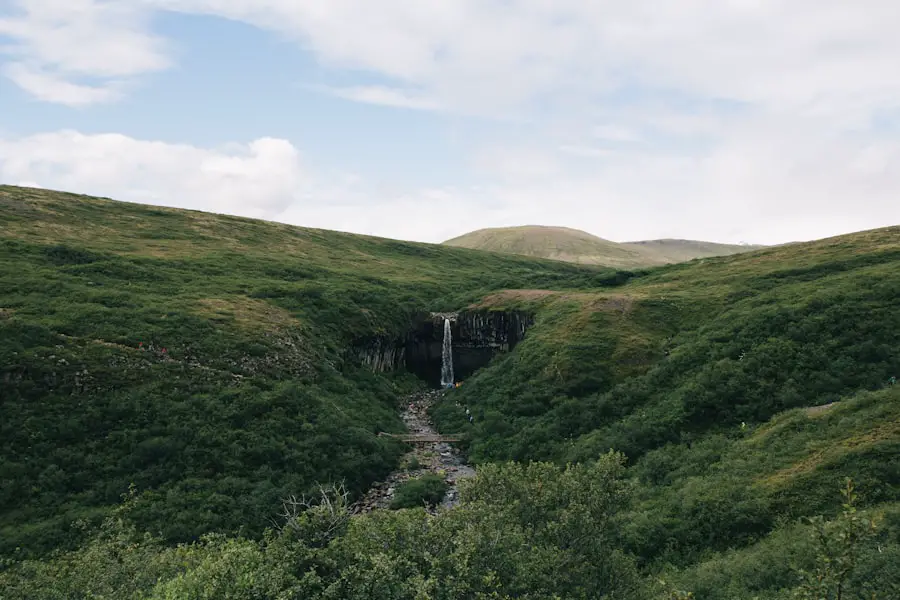
Hiking is possible in many parts of Vancouver Island through much of the year, but the best conditions depend on elevation, rainfall, snowpack, and trail maintenance. Low-elevation coastal walks may remain accessible in winter while alpine routes can stay snowy well into the warmer months.
The West Coast Trail in Pacific Rim National Park Reserve is a specialized multi-day wilderness route rather than a casual year-round hike. Parks Canada states that the West Coast Trail is open to overnight visitors from May 1 through September 30. Reservations are mandatory, and hikers should review current trail conditions and safety information before departure.
Strathcona Provincial Park offers everything from short walks to demanding mountain routes. Conditions can differ dramatically by elevation, so a sunny coastal forecast does not mean mountain trails will be snow-free.
Water-based activities are another major reason to visit. Kayaking, stand-up paddleboarding, fishing, and wildlife tours are widely available during the warmer months. Paddling is popular around sheltered bays, the Gulf Islands, and the Broken Group Islands, although exposed coastal routes require appropriate skills, equipment, and weather awareness.
Surfing around Tofino takes place throughout the year. Summer conditions are generally more approachable, while Parks Canada notes that winter surf tends to be better suited to experienced surfers because conditions can be much more powerful.
Wildlife Viewing
Vancouver Island is one of Canada’s major marine-wildlife destinations, but wildlife sightings can never be guaranteed. Season, location, weather, food availability, and animal movement all affect what you may see.
According to Tourism Vancouver Island, March and April offer the best chance of seeing migrating gray whales. Humpback whales, minke whales, and orcas are most often seen from May through October. Reputable whale-watching operators can explain current sightings, viewing regulations, and the differences between whale populations around the island.
On land, Vancouver Island supports black bears, Roosevelt elk, black-tailed deer, cougars, wolves, and a wide range of birdlife. Fall is particularly interesting in some regions because salmon runs attract wildlife to rivers and estuaries.
Pacific Rim National Park Reserve combines coastal rainforest, beaches, estuaries, and marine habitat, making it an excellent place for nature observation. Visitors should view wildlife from a respectful distance, never feed animals, and follow local park and tour-operator guidance.
Warning: Vancouver Island’s Pacific beaches can have cold water, strong rip currents, rapidly changing tides, large waves, and moving driftwood. Parks Canada advises checking tides and wave conditions, staying alert near the shoreline, and keeping well back when surf is large. Storm watching is safest from established viewpoints rather than exposed rocks or the water’s edge.
Local Cuisine and Dining Options
Vancouver Island’s food scene reflects its coastal setting and agricultural regions. Seasonal produce, seafood, wineries, cideries, breweries, farm markets, and small food producers can all become part of a trip, particularly in the Cowichan Valley, Comox Valley, Victoria, and west-coast communities.
Seafood menus commonly feature salmon, halibut, shellfish, and other Pacific catches. Victoria’s Fisherman’s Wharf is a popular casual stop for waterfront food, while the city’s broader restaurant scene ranges from quick counter-service meals to chef-driven dining.
The Cowichan Valley is one of the island’s principal wine-growing areas, and late summer and fall are especially appealing for travelers interested in wineries, farms, markets, and harvest-season food. Because tasting-room schedules vary, check individual businesses before setting out on a winery route.
Victoria also has a strong craft-beer scene, while communities across the island support breweries, cideries, bakeries, cafes, markets, and restaurants focused on local ingredients.
Getting to Vancouver Island and Booking Ahead
Many travelers reach Vancouver Island by BC Ferries from Metro Vancouver, while others arrive by air. Ferry demand can be particularly heavy during summer weekends and holiday periods.
BC Ferries recommends advance booking when possible during busy travel periods. Vehicle travelers without reservations may face sailing waits when demand is high. Advance foot-passenger booking is also available on several major Metro Vancouver–Vancouver Island routes.
If your itinerary includes Tofino, Ucluelet, the north island, or remote trailheads, remember that driving distances can be substantial. Vancouver Island is about 460 kilometres long, and mountain highways, construction, weather, or incidents can add time to a road trip.
Note: Before a long summer drive, check current road conditions and wildfire information. Conditions can change quickly, particularly during hot and dry periods.
What to Pack by Season
- Spring: Waterproof jacket, layers, water-resistant shoes, and a warmer evening layer.
- Summer: Light layers, sunscreen, hat, comfortable walking shoes, and a light rain shell. Bring warmer clothing for evenings and boat trips.
- Fall: Waterproof outerwear, warm layers, sturdy footwear, and quick-drying clothing.
- Winter: Waterproof jacket and pants for exposed coastal trips, warm insulating layers, waterproof footwear, gloves, and a hat. Mountain travel requires winter-specific equipment and planning.
If reliable connectivity is important during your trip, especially when moving between communities, you may also want to review this guide to a portable WiFi hotspot for international travel. Cellular coverage can become limited in remote parts of the island, so do not rely solely on a phone connection for wilderness navigation or emergency planning.
Frequently Asked Questions
What is the best time to travel to Vancouver Island?
For most visitors, late May through September offers the easiest combination of mild-to-warm weather, long daylight hours, outdoor activities, tours, and open seasonal facilities. July and August are the warmest and busiest. June and September can provide a useful balance between good weather and somewhat lighter demand.
What is the weather like on Vancouver Island throughout the year?
Vancouver Island has a mild Pacific coastal climate, but conditions vary significantly by region. Victoria and parts of the east coast are relatively dry, the west coast around Tofino is cooler and wetter, and northern Vancouver Island is generally cooler. Summers are usually the driest period, while fall and winter bring more rain.
When is the best time for whale watching on Vancouver Island?
March and April are especially good for the northward migration of gray whales. Humpback whales, minke whales, and orcas are most often seen from May through October. Sightings are never guaranteed because whales are wild animals whose movements change with conditions and food availability.
Are there festivals on Vancouver Island at different times of year?
Yes. Examples in 2026 include the Pacific Rim Whale Festival in March, TD Victoria International JazzFest in June, the Cowichan Valley Wine Festival throughout August, and the Victoria Fringe Festival from late August into early September. Festival dates change, so confirm with the organizer before booking travel.
What outdoor activities are best during summer?
Summer is ideal for hiking, camping, kayaking, paddleboarding, fishing, beach visits, wildlife tours, and road trips. Higher-elevation hiking becomes more accessible as snow melts, while the long daylight hours make it easier to fit several activities into one day.
When is the best time for Tofino storm watching?
Fall and winter are the main storm-watching seasons in Tofino, with winter bringing some of the most dramatic Pacific weather. Watch from a safe established viewpoint, check tide and wave forecasts, and stay well back from exposed shorelines during large swells.
When can you hike the West Coast Trail?
For the 2026 season, Parks Canada opens the West Coast Trail to overnight visitors from May 1 through September 30. Reservations are mandatory. The trail is a demanding wilderness route, so hikers should review current conditions, transportation arrangements, and Parks Canada safety information before departure.
Should I book Vancouver Island accommodations and ferries in advance?
Yes, especially for July and August, summer weekends, holiday periods, festivals, popular campgrounds, and vehicle ferry crossings. Booking ahead gives you a better choice of accommodation and reduces the chance of waiting for a later ferry sailing.
Sources
- Tourism Vancouver Island — Travel by Season — seasonal weather, activities, wildlife, and regional climate differences.
- Environment and Climate Change Canada — 1991–2020 Climate Normals — official temperature and climate data for Vancouver Island communities.
- Parks Canada — West Coast Trail — operating season, reservations, access, and trail-planning information.
- Parks Canada — Pacific Rim Water Hazards — information about cold water, tides, large waves, rip currents, and rolling driftwood.
- BC Ferries — Passenger Booking and Travel Information — advance booking information for major Vancouver Island routes.
- Indigenous Tourism BC — Vancouver Island — information about Coast Salish, Nuu-chah-nulth, and Kwakwaka’wakw Peoples and Indigenous experiences on Vancouver Island.