Last Updated on July 28, 2026 by Daniel Globe
Palau stays warm, humid, and tropical throughout the year, so choosing when to visit is less about temperature and more about rainfall, sea conditions, diving visibility, crowds, and the experiences you care about most. The relatively drier months usually run from late fall through spring, while rainfall becomes more frequent from May into October.
Quick Answer
The best time to visit Palau for the most reliable combination of lower rainfall, calmer conditions, and excellent diving visibility is December through April. May through October is wetter but still very visitable, often with fewer tourists. Diving operates year-round, while wildlife sightings depend more on currents and local conditions than a fixed calendar.
Key Takeaways
- December through April is the best overall window for relatively drier weather, popular dive conditions, and outdoor sightseeing.
- Rain falls in every month. Palau’s main wetter period is roughly May through October, with rainfall especially frequent from July through October.
- Diving is possible year-round. Visibility is often strongest from November through April, but tides, wind, currents, and recent rainfall matter on any individual day.
- Manta rays can be seen around sites such as German Channel, but there is no simple calendar that guarantees sightings. Whale sharks should be treated as a lucky encounter rather than something to plan a Palau trip around.
- Constitution Day is July 9 and Independence Day is October 1, giving wetter-season visitors opportunities to experience major national celebrations.
- As of July 14, 2026, researchers reported more than 100,000 golden jellyfish in Jellyfish Lake, but the population can change quickly with environmental conditions.
Disclosure: As an Amazon Associate I earn from qualifying purchases. Some links on this page are affiliate links, at no extra cost to you.
Palau Weather and Seasons at a Glance
Palau’s annual mean temperature is about 82°F (27°C), and humidity averages roughly 82%, according to the Palau Visitors Authority. Rainfall is high throughout the year, so even a December-to-April trip should include a light rain jacket.
Best Time to Visit Palau by Season
| December–February | Relatively drier weather, strong diving conditions, and higher holiday-season demand. Good all-around choice for a first trip. |
| March–April | Still within the relatively drier period and an excellent time for diving, snorkeling, kayaking, and Rock Islands excursions. |
| May–June | Transition into wetter conditions. A useful compromise for travelers who accept more showers in exchange for potentially easier availability. |
| July–October | Generally the rainiest stretch. Diving continues, but wind, rain, swell, and visibility can be more variable. July 9 and October 1 bring major national holidays. |
| November | A transition month as conditions often improve toward the drier season. It can be a good shoulder-season choice, but tropical weather remains possible. |
The World Bank’s Palau climate profile identifies May through October as the main wetter season. Year-to-year conditions can vary substantially because El Niño and La Niña influence rainfall across the western Pacific.
Peak Tourist Seasons
Peak Tourist Season
December through April is Palau’s most popular weather window because rainfall is generally lower and conditions often favor diving, snorkeling, kayaking, hiking, and Rock Islands excursions. Rain can still fall at any time, however, and a wet afternoon during the relatively drier season is completely normal.
This period is especially attractive to divers. Visibility is good throughout the year, but it is often strongest during the drier months when runoff, wind, and surface conditions are favorable. Exact conditions still depend on tides, currents, rainfall, and the individual dive site.
Festive Atmosphere
Christmas, New Year’s, and other major holiday travel periods can increase demand for flights, hotels, liveaboards, and popular tours. Palau is a small destination with limited inventory, so a sudden increase in visitors can matter more here than it would in a large resort region.
Rates are not uniformly highest on every date, but the best-located rooms, preferred dive operators, and liveaboard cabins can become harder to secure during popular winter and spring travel periods.
Pro Tip: For a December-to-April dive trip, reserve your preferred hotel, liveaboard, and dive operator several months ahead when possible. Rock Islands and Jellyfish Lake access also requires the appropriate Koror State permit, which tour operators commonly arrange or explain as part of the booking process.
Planning Ahead
Popular Rock Islands excursions can feel busier during the high-demand period, but Palau is not a mass-tourism destination. Choosing smaller group tours, starting early, or spending more than one day exploring the Rock Islands can make the experience feel much less rushed.
Jellyfish Lake deserves special planning because its golden-jellyfish population naturally rises and falls. A tour can operate even when the number of visible jellyfish is very different from the famous photographs, so check current conditions shortly before committing to a trip centered on the lake.
Off-Peak Tourist Seasons
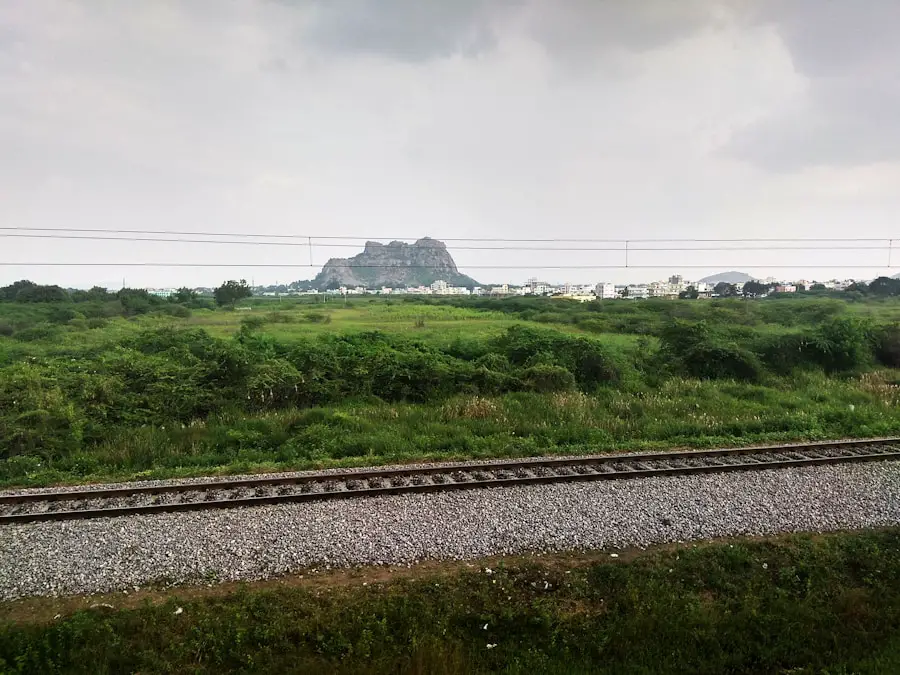
Palau’s quieter, wetter travel period falls broadly from May through October, with November acting as a transition month in many years. Rain becomes more frequent, especially from July through October, but that does not mean it rains continuously. Sunny intervals and full days of usable weather still occur.
The main trade-off is predictability. Heavy showers, wind, and swell can occasionally force boat operators to change a route or postpone an exposed dive site. Inner lagoons and sheltered reefs may remain usable when an outer reef is uncomfortable.
Travelers willing to accept that flexibility may find easier hotel and tour availability during quieter stretches. Some businesses also run seasonal promotions, but discounts are not guaranteed, so compare the actual rates for your travel dates rather than assuming every May-to-October trip will be dramatically cheaper.
The additional rainfall also keeps Palau’s forests intensely green, making this period appealing for travelers interested in Babeldaob’s waterfalls, forests, cultural sites, and scenery as well as marine activities.
Warning: Palau is less frequently struck by typhoons than many parts of the western North Pacific, but damaging storms are possible. Super Typhoons Bopha in 2012 and Haiyan in 2013 both affected Palau, and Haiyan passed directly over Kayangel. Historical NOAA analysis has placed Palau’s greatest low-latitude typhoon risk roughly from mid-October into mid-January, so do not equate “rainy season” with “typhoon season.” Check current marine and tropical-cyclone advisories before boat trips at any time of year.
Best Time for Diving and Snorkeling
Palau Diving At a Glance
| Best Overall Visibility | November to April is generally the most reliable window; visibility at favorable outer-reef sites can exceed 100 ft (30 m) |
| Manta Rays | Seen around German Channel and other sites throughout the year; feeding, cleaning, tides, plankton, and currents matter more than a guaranteed calendar date |
| Whale Sharks | Possible but not reliable enough in Palau to build a trip around a claimed “whale shark season” |
| Water Temperature | About 81–86°F (27–30°C) through the year |
| Signature Dive Sites | Blue Corner, German Channel, Ulong Channel, Blue Holes, walls, and World War II wrecks |
| Jellyfish Lake | Snorkeling attraction rather than a scuba dive site; check current jellyfish conditions before visiting |
Palau is one of the Pacific’s best-known diving destinations, with steep walls, channels, wrecks, sharks, schooling fish, turtles, and manta-ray cleaning stations. The Palau Visitors Authority’s diving guide notes that visibility remains good throughout the year but changes with tide, wind, and weather.
November through April generally provides the best combination of visibility and relatively settled conditions. Blue Corner is famous for reef sharks, jacks, barracuda, Napoleon wrasse, and strong current-fed action, while German Channel is particularly well known for manta rays.
Diving does not stop during the wetter months. May through October can still produce excellent days, and additional plankton in the water can support pelagic activity. The trade-off is that visibility and access to exposed outer reefs may be less predictable after rain, wind, or swell.
Note: Jellyfish Lake conditions can change dramatically. The Coral Reef Research Foundation’s July 14, 2026 monitoring update reported more than 100,000 golden jellyfish, with numbers increasing compared with the previous three months. Check the live monitoring page again close to your travel date rather than relying on old photographs or trip reports.
Warning: Famous sites such as Blue Corner can have strong and rapidly changing currents. Choose a reputable dive operator, be honest about your experience level, follow the dive guide’s site briefing, and expect the day’s plan to change when tides or sea conditions make another site safer.
Festivals and Events
Palau’s national calendar offers two particularly useful dates for travelers interested in culture. Constitution Day is July 9, commemorating the 1980 ratification of the Constitution of the Republic of Palau. The constitution later took effect on January 1, 1981.
Independence Day is October 1. On October 1, 1994, Palau’s trusteeship ended and the Compact of Free Association with the United States entered into force, marking Palau’s full independence. The history is documented by the U.S. Department of State Office of the Historian.
Holiday programming varies from year to year and can include official ceremonies, traditional performances, music, sporting events, food, and community gatherings. Travelers planning specifically around a celebration should check that year’s local schedule rather than assuming the same parade or event lineup occurs every year.
The Belau National Museum and other cultural organizations also give visitors ways to learn about Palauan history, carving, weaving, traditional meeting houses, navigation, dance, and contemporary island life outside the national-holiday dates.
Wildlife and Nature Sightings
Terrestrial Treasures
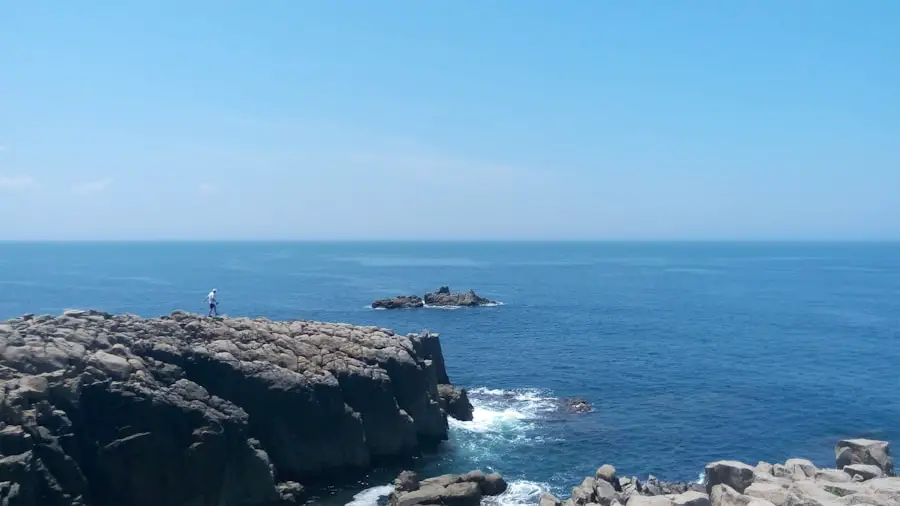
Palau’s forests support an unusually high level of endemism. Birdwatchers can look for species such as the Palau fruit dove, Palau kingfisher, Palau owl, Palau fantail, and other birds found only in the archipelago or the wider Micronesian region.
Rainier months keep vegetation lush, but forest walks can also become hotter, muddier, and more humid. Lightweight footwear with grip and rain protection is useful for waterfall and jungle outings.
Marine Marvels
Underwater biodiversity is one of Palau’s strongest reasons to visit. The UNESCO-listed Rock Islands Southern Lagoon covers 100,200 hectares and contains 445 limestone islands, extensive coral reefs, marine lakes, sharks, manta rays, giant clams, sea turtles, and hundreds of fish and coral species.
UNESCO describes the Rock Islands Southern Lagoon as an area of exceptional marine-habitat diversity, with the world’s highest concentration of marine lakes.
Unforgettable Encounters
Snorkelers and divers regularly look for sea turtles, reef sharks, Napoleon wrasse, schooling jacks, barracuda, colorful reef fish, and manta rays. Individual encounters are never guaranteed, and tides and currents often matter as much as the month on the calendar.
German Channel is one of Palau’s best-known manta locations because mantas use cleaning stations and also move through the channel to feed. Whale sharks can occur in Palauan waters, but sightings are not predictable enough to promise a dependable July-to-October season.
Budget-Friendly Travel Times
Travelers trying to reduce costs should compare dates from May through October, when tourism demand can be softer than during the popular winter and spring diving period. Hotel and activity promotions sometimes appear during quieter months, and tour availability may be easier.
Do not assume every low-season date is automatically inexpensive, however. Palau has limited airline seats and accommodation inventory, and a holiday, group booking, new flight schedule, or special event can change prices quickly.
A better strategy is to compare several sets of dates, book flights before locking in nonrefundable activities, and ask dive or tour operators whether they offer packages that combine multiple days rather than paying separately for every excursion.
Tips for Planning Your Trip to Palau
Check Entry Requirements Before You Fly
Visa and passport rules depend on nationality, so confirm the requirements that apply to your passport before paying for nonrefundable travel. The Palau Visitors Authority currently requires travelers to complete the digital Palau Entry Form within 72 hours or less before arrival and present the resulting QR code or completed form.
For U.S. citizens, the U.S. Department of State’s current Palau guidance says a tourist visa is not required and the passport must have at least six months of validity at entry. Travelers using other passports should verify their own nationality-specific rules with Palau immigration or their government’s travel authority.
Check Current Flight Routes
Palau remains remote, but access is better than many older guides suggest. As of 2026, the Palau Visitors Authority lists scheduled links involving Guam, Tokyo, Taipei, Brisbane, Manila, and other regional services. Airline schedules can change, so confirm the current timetable before designing the rest of the itinerary.
Pack for Rain, Sun, and Palau’s Sunscreen Rules
Bring lightweight tropical clothing, swim gear, a hat, reusable water bottle, and a compact waterproof jacket even during the relatively drier months. Strong tropical sun is possible between showers.
Palau also restricts reef-toxic sunscreens. Under the Republic’s official sunscreen regulations, products containing prohibited reef-toxic ingredients can be confiscated. Palau tourism guidance recommends compliant mineral sunscreen using zinc oxide and/or titanium dioxide as the active ingredients without prohibited preservatives.
Note: Do not rely only on the marketing phrase “reef safe.” Check the ingredient list against Palau’s current rules before packing sunscreen, because the legal standard is based on ingredients rather than the wording on the front of the bottle.
Use Local Guides Where Conditions Matter
Local guides are particularly valuable for diving, kayaking, Rock Islands trips, and remote hikes because tides, currents, marine warnings, permits, and trail conditions can change. A good operator can move an excursion to a safer or more rewarding site rather than forcing the original plan when conditions deteriorate.
Respect for local communities and the environment is equally important. Palau’s tourism model places unusual emphasis on conservation, and arriving visitors are asked to support that responsibility through the Palau Pledge and the country’s environmental rules.
Frequently Asked Questions
What is the best time to travel to Palau?
December through April is the best overall time for travelers who want relatively drier weather, strong diving visibility, and reliable access to outdoor activities. November can also be a good transition month, while May through October suits travelers who do not mind more rain and variable sea conditions.
What is the weather like in Palau during the best time to travel?
Palau stays warm and humid all year, with an annual mean temperature of about 82°F (27°C). December through April is relatively drier, but rain can still fall on any day, so pack for both sunshine and showers.
When is Palau’s rainy season?
The main wetter period is roughly May through October, with rain particularly frequent from July through October. Rainfall occurs year-round, however, and weather can vary significantly from one year to another.
When is the best time to dive in Palau?
Diving is possible throughout the year. November through April generally offers the most reliable combination of visibility and weather, while wetter months can still deliver excellent diving when wind, currents, and rainfall cooperate.
Is Jellyfish Lake worth visiting in 2026?
Conditions have improved substantially. Coral Reef Research Foundation monitoring on July 14, 2026 reported more than 100,000 golden jellyfish and an increasing population. Because numbers can change quickly with water temperature and other environmental conditions, check the latest monitoring update shortly before your trip.
Are there events or festivals worth planning a Palau trip around?
Yes. Constitution Day is July 9 and Independence Day is October 1. Both are national holidays, though the exact ceremonies, performances, sports, and community events vary from year to year.
What are the popular activities to do in Palau during the best time to travel?
Diving, snorkeling, kayaking, Rock Islands boat trips, cultural tours, World War II history excursions, waterfall hikes, and wildlife watching are all popular. The relatively drier months are especially convenient when you want to combine several outdoor activities in one trip.
Are there any travel restrictions or considerations to keep in mind when visiting Palau?
Check the visa and passport rules for your nationality, complete Palau’s digital Entry Form within 72 hours before arrival, follow the country’s reef-toxic sunscreen restrictions, and verify marine or tropical-weather advisories before boat activities. Popular Rock Islands areas also require the appropriate permits.
Sources
- World Bank: Climate Risk Country Profile — Palau — 1991–2020 climate data, temperatures, rainfall seasonality, and ENSO effects.
- Palau Visitors Authority: Travelers Tips — official climate, rainfall, currency, packing, and sunscreen guidance.
- U.S. Department of State: Palau Travel Information — current U.S.-traveler passport, visa, entry-form, safety, and weather information.
- Coral Reef Research Foundation: Jellyfish Lake Conditions and Forecast — current scientific monitoring of golden-jellyfish numbers and lake conditions.
- UNESCO World Heritage Centre: Rock Islands Southern Lagoon — World Heritage status, marine habitats, biodiversity, and conservation significance.
- Republic of Palau: Regulations Prohibiting Reef-Toxic Sunscreens — official restrictions governing sunscreen ingredients brought into and used in Palau.