
Last Updated on July 27, 2026 by Daniel Globe
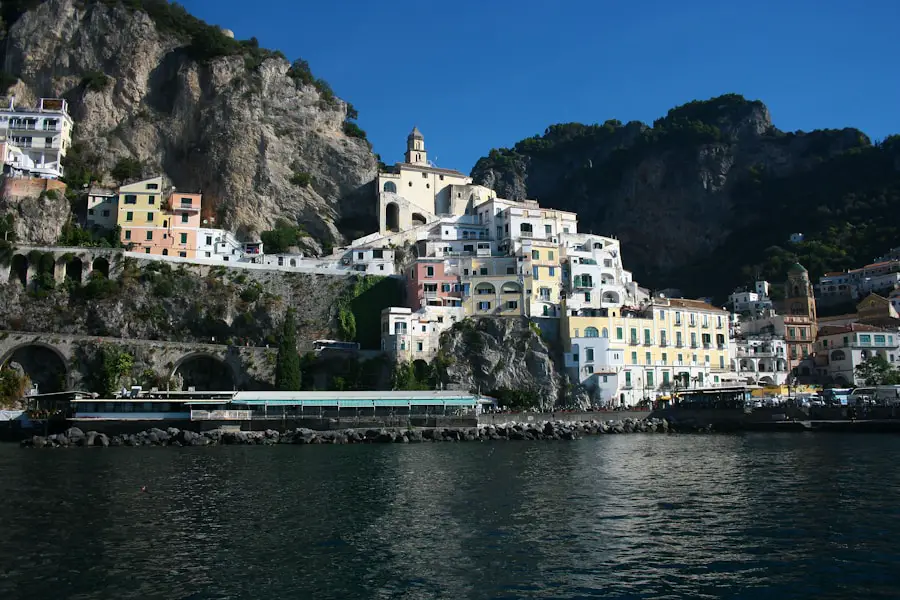
The Amalfi Coast, a UNESCO World Heritage site located in Italy’s Campania region, is a 50-kilometer stretch of soaring coastal cliffs, pastel-colored villages, and Mediterranean waters. Navigating this coastal corridor—home to iconic towns like Positano, Amalfi, and Ravello—requires understanding how seasonal weather, tourist crowds, and regional transport options shift throughout the year.
Quick Answer
The best time to visit the Amalfi Coast is during the shoulder seasons of May to June and September to October. These months offer ideal Mediterranean weather with temperatures averaging 20°C to 26°C (68°F–79°F), fully operational passenger ferries, active hiking trails, and significantly smaller crowds than during the peak summer months of July and August.
Key Takeaways
- Shoulder Season Priority: May, June, September, and October provide the optimal balance of warm weather, open attractions, and manageable crowds.
- Peak Summer Challenges: July and August bring high heat (exceeding 30°C/86°F), severe traffic on the narrow SS163 road, and peak accommodation prices.
- Winter Low Season Closures: November through March offers quiet surroundings and lower hotel rates, but many seasonal hotels, restaurants, and ferry services close.
- Cultural Events: Plan around major gatherings like the Feast of St. Andrew in Amalfi (June 27 & Nov 30) and the Ravello Music Festival (July–September).
At a Glance: Amalfi Coast Travel Seasons
| Best Time to Visit | May–June & September–October (Shoulder Seasons) |
| Average Temperatures | Summer: 26°C–32°C (79°F–90°F) | Spring/Fall: 18°C–25°C (64°F–77°F) | Winter: 8°C–15°C (46°F–59°F) |
| Primary Transport | Passenger Ferries (Travelmar, NLG) & SITA Sud Coastal Buses |
| Key Highlights | Path of the Gods hiking, Villa Rufolo, Amalfi Cathedral, boat tours |
Disclosure: As an Amazon Associate I earn from qualifying purchases. Some links on this page are affiliate links, at no extra cost to you.
Weather and Climate Breakdown
The climate along the Sorrentine Peninsula is Mediterranean, defined by hot, dry summers and mild, wet winters. Summer temperatures regularly reach 30°C (86°F) or higher during July and August. Sea breezes provide moderate relief along the water, encouraging outdoor dining and swimming in the Tyrrhenian Sea.
In contrast, winter temperatures range from 8°C (46°F) to 15°C (59°F). While rainfall increases between November and February, temperatures remain mild compared to inland Europe. Spring (April to June) and autumn (September to October) offer daytime temperatures between 18°C and 25°C (64°F–77°F), creating comfortable conditions for sightseeing and trekking.
Peak Tourist Season (July to August)
The peak tourist season on the Amalfi Coast spans from late June through August. Vacationers flock to cliffside towns like Positano and Amalfi to enjoy warm weather, bustling beach clubs, and vibrant nightlife.
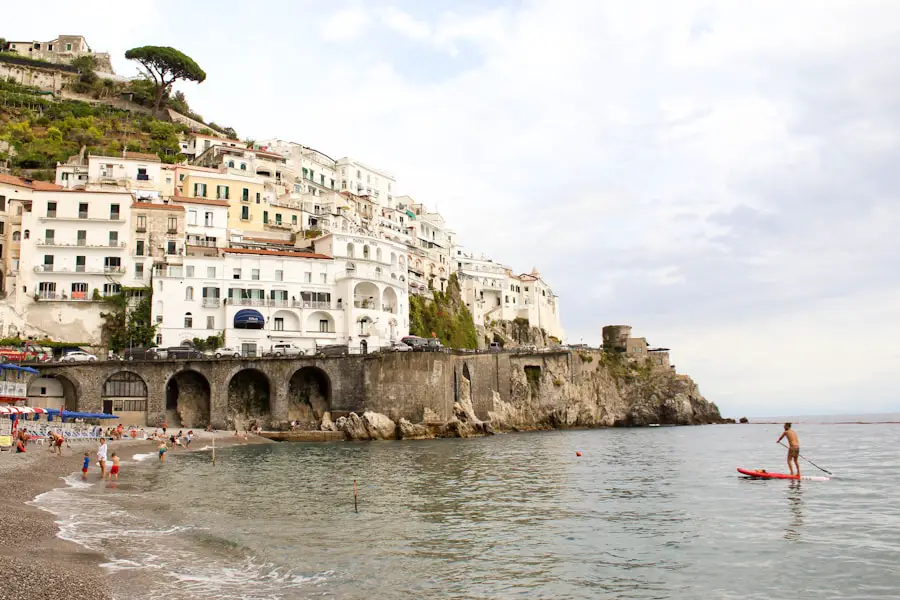
Traveling during peak summer requires advance planning. Accommodations sell out months ahead, and daily rates reach their yearly highs. Popular attractions, ferries, and narrow town stairways experience heavy foot traffic, while vehicular traffic along the single-lane coastal road (SS163) can cause severe delays.
Off-Peak and Low Season Breakdown
Understanding the difference between the shoulder season and the true winter low season helps set realistic travel expectations.
| Seasonal Metric | Shoulder Season (Apr–May, Sep–Oct) | Winter Low Season (Nov–March) |
|---|---|---|
| Crowd Levels | Moderate; pleasant town exploration | Very Low; quiet local atmosphere |
| Average Temperature | 18°C–25°C (64°F–77°F) | 8°C–15°C (46°F–59°F) |
| Ferry Availability | Fully operational daily schedules | Suspended or limited weather-dependent routes |
| Hotel Rates | 20%–30% savings vs. peak rates | Up to 50% discount (many properties closed) |
From November through March, the region slows down significantly. Many boutique hotels, cliffside restaurants, and passenger ferries close for winter maintenance. However, visitors during this time enjoy quiet towns, open access to historic sites like the Cathedral of St. Andrew, and lower lodging prices.
Special Events and Cultural Festivals
The Amalfi Coast hosts several historic cultural celebrations throughout the year:
- The Feast of Saint Andrew (Amalfi): Celebrated twice annually on June 27th (commemorating the 1544 sea miracle with processions and midnight fireworks) and November 30th (the solemn liturgical feast day of Amalfi’s patron saint).
- Ravello Festival (Ravello): Running from early July through early September, this world-renowned classical and jazz music festival hosts open-air concerts on the cliffside stage of Villa Rufolo overlooking the sea.
- Regatta of the Historical Marine Republics: Held every four years in Amalfi (rotating with Venice, Genoa, and Pisa), featuring traditional rowed galleon races and medieval pageantry.
Best Time for Outdoor Activities and Hiking
Spring (April to June) and autumn (September to October) offer optimal weather for outdoor recreation across the peninsula.
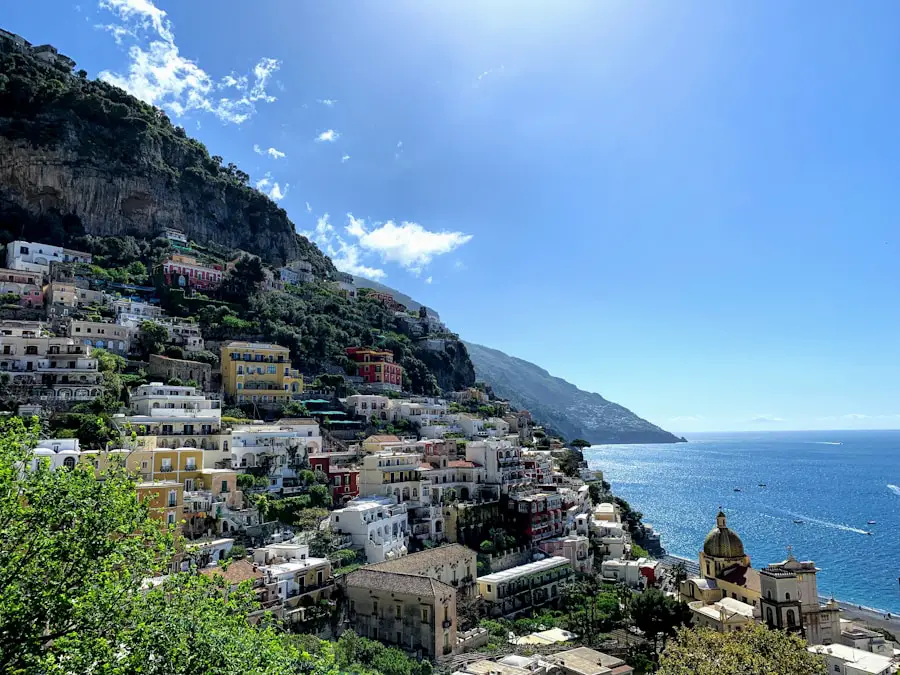
The region’s famous trail, the Path of the Gods (Sentiero degli Dei), stretches roughly 7.6 kilometers from Bomerano (in Agerola) down to Nocelle above Positano. Hiking during spring provides blooming wildflowers and clear views, while early autumn offers warm Mediterranean sea temperatures for post-hike swims.
Pro Tip: Hike the Path of the Gods from east to west—starting in high-altitude Bomerano di Agerola and walking toward Nocelle. This direction provides a mostly downhill gradient while keeping views of the Mediterranean and Positano directly in front of you.
Budget Considerations and Accommodation Strategy
Travel expenses along the Amalfi Coast vary depending on location and seasonality:
- High-Demand Towns: Positano, Amalfi, and Ravello command premium prices for cliffside views and direct beach access.
- Budget-Friendly Bases: Towns like Praiano, Maiori, Minori, and Vietri sul Mare offer more affordable hotels, family-run trattorias, and easier ferry connections.
- Dining Smart: Local trattorie and pizzerias situated off the main plazas offer authentic regional seafood and pasta dishes at lower prices than waterfront restaurants.
Getting Around: Practical Logistics and Tips
Navigating the Amalfi Coast requires choosing the right transit methods based on the season:
Warning: Avoid driving a rental car along the narrow SS163 coastal road during peak months. Tight turns, heavy tour bus traffic, limited parking (€5–€10/hour), and strict summer alternate-license-plate rules (Targa Alternata) make driving challenging.
- Passenger Ferries (April–October): Regional ferry lines (such as Travelmar and NLG) connect Salerno, Positano, Amalfi, Minori, and Maiori. Ferries bypass road traffic and offer scenic views from the water.
- SITA Sud Buses: Public buses run along coastal routes and climb to hilltop villages like Ravello and Bomerano. Purchase tickets at local tabacchi shops before boarding.
- Luggage Handling: Porters are available at ferry docks in Positano and Amalfi to transport heavy bags up steep town stairs to your hotel for a per-bag fee.
FAQs
What is the best time to travel to Amalfi Coast, Italy?
The best time to travel to the Amalfi Coast is during the spring (May to June) and fall (September to October). During these shoulder seasons, the weather is warm, local businesses and ferry routes are fully open, and crowd levels are far lower than in July and August.
What is the weather like in Amalfi Coast during the best time to travel?
During the May–June and September–October shoulder seasons, weather is mild and sunny with average daytime temperatures between 18°C and 25°C (64°F–77°F). Rainfall is low, and sea temperatures remain suitable for swimming through October.
When is the peak tourist season in Amalfi Coast?
Peak tourist season occurs during July and August. During these months, temperatures frequently exceed 30°C (86°F), beach clubs and hotels reach full capacity, and traffic along the coastal road increases significantly.
What are the top outdoor activities to enjoy on the Amalfi Coast?
Popular outdoor activities include hiking the scenic Path of the Gods trail, taking passenger ferry excursions between Positano and Capri, exploring the gardens of Villa Rufolo in Ravello, and swimming along cove beaches.
Are there any major festivals or events during the best time to travel?
Yes, key cultural events include the Feast of Saint Andrew in Amalfi (celebrated June 27 and November 30) and the Ravello Music Festival, which features cliffside classical concerts from July through September.
Sources
- UNESCO World Heritage Centre — Costiera Amalfitana designation and cultural landscape details
- Azienda di Soggiorno e Turismo di Amalfi — Official dates and history for the Feast of St. Andrew
- Ravello Festival Official Portal — Annual concert programs and Villa Rufolo venue details
- Celebrity Cruises Travel Insights — Amalfi Coast climate data and monthly seasonal breakdowns
