
Last Updated on July 28, 2026 by Daniel Globe
Choosing the best time to visit Rwanda comes down to what you want to do. The main dry season makes gorilla trekking and safari drives easier, while the wetter months bring greener scenery, fewer visitors, and rewarding birdwatching. Rwanda’s high elevation also keeps temperatures milder than many travelers expect from an equatorial destination.
Quick Answer
The best time to visit Rwanda is generally June through September, when rainfall is lower and trekking trails are easier to navigate. January and early February offer another useful drier window. Visit during wetter months for greener landscapes, fewer tourists, and excellent birding, but expect muddier forest trails.
Key Takeaways
- June to mid-September is Rwanda’s main dry period and the easiest time for gorilla trekking, hiking, and many outdoor activities.
- January and early February can provide another relatively dry window with generally good trekking conditions.
- Gorilla tracking operates year-round; dry weather mainly makes trails firmer and less muddy rather than guaranteeing a better sighting.
- The wetter seasons bring lush scenery, good birdwatching, and fewer visitors, but forest trails can become slippery.
- For 2026 travel, check current health, entry, and regional security guidance shortly before departure because conditions involving neighboring DRC can change.
Disclosure: As an Amazon Associate I earn from qualifying purchases. Some links on this page are affiliate links, at no extra cost to you.
Rwanda Weather and Seasons
Rwanda lies just south of the Equator, but much of the country is at high elevation. That gives it a mild tropical highland climate rather than the consistently hot conditions many travelers associate with equatorial Africa. According to Visit Rwanda’s official weather guidance, Kigali averages about 21°C (70°F) per day, while Akagera is generally warmer and the Virunga mountains are cooler.
The official tourism site describes two main rainy periods, from roughly mid-February to May and from mid-September to mid-December. The principal dry period runs from June to mid-September. Conditions vary with altitude, and rain is still possible even during the drier months.
| Period | Typical Conditions | Best For |
| January to early February | Relatively drier interlude, although showers remain possible | Gorilla trekking, hiking, mixed itineraries |
| Mid-February to May | Long rainy period; greener scenery and muddier trails | Fewer crowds, photography, birding, flexible travelers |
| June to mid-September | Main dry season; paths and roads are generally easier | Gorillas, safaris, hiking, first-time visitors |
| Mid-September to mid-December | Second rainy period with frequent showers | Green landscapes, birding, lower-demand travel |
Peak Tourist Seasons in Rwanda
Optimal Weather Conditions
June through September is the most dependable period for travelers who want easier outdoor conditions. Rainfall is generally lower, and roads and footpaths tend to be easier to navigate. That matters most in highland forests such as Volcanoes National Park, where rain can turn steep trails muddy and slippery.
For gorilla trekking, the dry season improves the trekking conditions rather than the biological likelihood of gorillas being present. Mountain gorilla tracking operates throughout the year, and ranger teams monitor the habituated groups regardless of the month.
Gorilla Permits and Advance Planning
Gorilla trekking is one of Rwanda’s most tightly controlled tourism experiences. As of July 2026, Visit Rwanda lists a standard gorilla permit at US$1,500 per person per day. The minimum tracking age is 15.
As of July 2026, the standard international gorilla permit costs US$1,500 per person per day, and trekkers must be at least 15 years old.
Pro Tip: If gorilla trekking is the main reason for your trip, secure your permit before committing to nonrefundable lodging. June through September is especially popular, and the permit date determines the rest of a Volcanoes National Park itinerary.
Prices and Crowds
Higher demand during the main dry season can make popular lodges and guided itineraries more expensive or harder to book. The tradeoff is easier trekking, more dependable road conditions, and a lively tourism atmosphere in Kigali, Musanze, and the national parks.
January and early February can be a useful alternative for travelers who want relatively dry conditions outside the main June-to-September window. Late December and early January can still be busy because of holiday travel.
Off-Peak Tourist Seasons in Rwanda
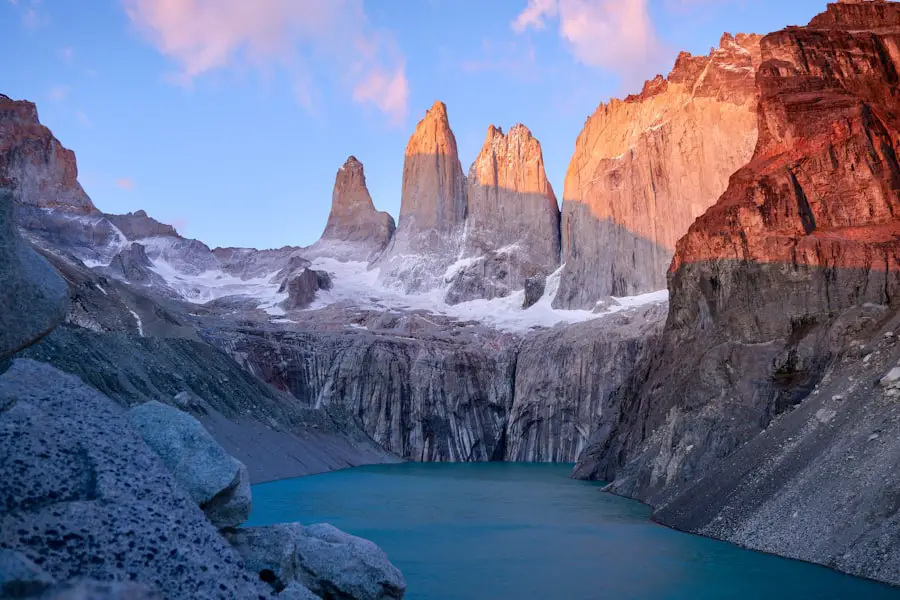
Rwanda’s wetter periods, roughly mid-February through May and mid-September through mid-December, appeal to travelers who value green landscapes and a quieter atmosphere more than perfectly dry trails.
Rain transforms the hills and forests into vivid shades of green, making this a rewarding time for landscape photography. Rwanda also offers outstanding birdwatching in habitats ranging from the montane forest of Nyungwe to the lakes, wetlands, and savannah of Akagera. Visit Rwanda’s official birdwatching guide highlights both parks as major birding destinations.
The main disadvantage is trail condition. Steep paths can become muddy, especially in rainforest areas. The Nyungwe Canopy Walkway, for example, remains open year-round, but Visit Rwanda specifically advises suitable footwear and a lightweight raincoat because paths become muddy after rain.
Traveling outside the busiest dry-season months can sometimes bring lower accommodation demand and a calmer experience, although discounts are not guaranteed. Check actual lodge and tour prices rather than assuming every operator reduces rates during the rains.
Note: Rain rarely means an entire day is lost. Rwanda’s weather varies by elevation and region, so build some flexibility into trekking and photography plans instead of treating the wet season as a complete washout.
Rwanda Month by Month
| Month | What to Expect | Best For |
| January | Relatively dry, mild highland weather | Gorillas, hiking, mixed itineraries |
| February | Often drier early in the month; rains generally increase later | Trekking before the long rains |
| March | Long rains become established | Green scenery, fewer visitors |
| April | Deep in the long rainy season; trails can be very muddy | Flexible travelers and photography |
| May | Rainy conditions gradually transition toward the dry season | Shoulder-season travel |
| June | Main dry season begins | Gorillas, hiking, safaris |
| July | Dry conditions and strong tourism demand | First-time visits and outdoor activities |
| August | Dry season continues; Umuganura takes place in early August | Wildlife, trekking, culture |
| September | Often dry early, with rains returning around mid-month | Kwita Izina, gorillas, cultural travel |
| October | Short rainy season | Green scenery and birding |
| November | Regular rain and lush vegetation | Birders and quieter travel |
| December | Short rains generally ease around mid-month | Holiday trips and late-month trekking |
Special Events and Festivals in Rwanda
| Event | Location | 2026 Timing / Status | Why It Matters |
| Kwita Izina | Kinigi, Musanze District | September 4, 2026 | Annual mountain gorilla naming and conservation celebration |
| Umuganura | Nationwide | August 7, 2026 | National harvest and cultural celebration |
| FESPAD | Historically hosted in Rwanda | No reliable official 2026 date confirmed | Do not plan a trip around older recurring-date claims without a current official announcement |
One of Rwanda’s most important traditional celebrations is Umuganura, the harvest festival. It celebrates gratitude, cultural heritage, shared achievement, food, music, and community. The holiday traditionally falls on the first Friday in August, which is August 7 in 2026.
For wildlife and conservation travelers, the standout event is Kwita Izina. The official 2026 program confirms that the 21st Gorilla Naming Ceremony will take place on Friday, September 4, 2026, in Kinigi, Musanze District near Volcanoes National Park. Related conservation and cultural events take place around the main ceremony.
Older travel information sometimes lists FESPAD as a fixed recurring event. Because no reliable official 2026 edition or date could be confirmed, travelers should not book flights around that event unless an official organizer publishes a current schedule.
Wildlife Viewing Opportunities
Rwanda’s compact size makes it possible to combine very different wildlife experiences in one trip. Volcanoes National Park is the country’s signature mountain gorilla destination, while Akagera National Park protects savannah, lakes, wetlands, and populations of lion, leopard, elephant, rhino, buffalo, giraffe, zebra, and other wildlife.
Products Worth Considering

COMPACT AND LIGHTWEIGHT – thanks to the compact and lightweight design, the Safari 10 x 26 is the ideal companion when travelling, sports or on long hikes

Size details: the jungle binoculars measure approximately 11 x 10.5 x 4 cm/4.3 x 4.13 x 1.57 inches, perfect for little hands. Its compact size allows it to be easily thrown into a bag and taken with you, making it the perfect companion for outdoor camping. Additionally, 4x magnification allows your child to easily observe and discover the world around them within a range of 328-492 feet under favorable weather conditions
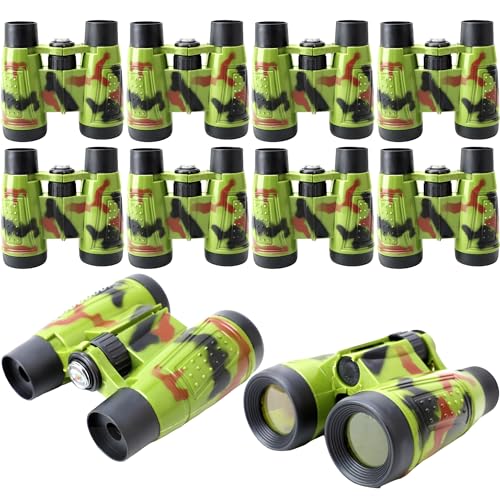
Size details: the jungle binoculars measure approximately 11 x 10.5 x 4 cm/ 4.3 x 4.13 x 1.57 inches, designed for little explorers with a compact and lightweight design that's easy to hold and carry. Whether they're exploring the backyard or going camping, this pair of binoculars will be their trusted partner
Gorilla Trekking
The most comfortable period for gorilla trekking is generally June through September, with January and early February providing another useful option. The biggest seasonal difference is underfoot: wet-season treks can involve deep mud and slippery slopes.
Gorillas can be tracked throughout the year. Travelers should therefore choose dates based on preferred trail conditions, crowds, scenery, and budget rather than assuming that gorillas disappear during the rains.
Akagera Safaris
Akagera offers Rwanda’s classic savannah safari environment and is the country’s Big Five destination. The dry season is especially practical for game drives because vegetation is generally less lush and road conditions are more predictable. Wetter months trade easier visibility for greener scenery and strong birding opportunities.
Chimpanzees and Other Primates
For travelers interested in primates beyond gorillas, Nyungwe National Park supports chimpanzee tracking as well as colobus, L’Hoest’s, blue, vervet, and other monkeys. Tracking starts early and can take anywhere from about an hour to several hours depending on where the chimpanzees are found.
Nyungwe is a rainforest, so wet conditions are possible at any time of year. Solid hiking footwear and a light waterproof layer are useful even during Rwanda’s drier periods.
Cultural Experiences
Rwanda’s cultural experiences deserve time alongside its wildlife. Community visits can introduce travelers to local crafts, food, farming traditions, dance, and everyday life. Experiences vary widely, so choose operators that explain how fees support local participants and communities.
The Kigali Genocide Memorial is also an important place of remembrance and learning. It documents the 1994 Genocide against the Tutsi and Rwanda’s subsequent journey of remembrance and reconciliation. Because it is both a memorial and burial site, visitors should allow enough time for the experience and behave respectfully.
The dry season is comfortable for combining cultural visits with outdoor sightseeing, but Kigali and most cultural attractions can be visited throughout the year.
Tips for Traveling During the Best Time
Products Worth Considering

Waterproof & Breathable: The men's rain jacket interior is laminated TPU membrane with 5000mm waterproofing and 3000g/m2/24hr breathability, durable enough to withstand anything. Ventilation system in the back enhanced breathability that helps keep you cool and dry.

☔【High-Quality Material】Made of high-density Nylon with a PVC coating on the back, ensuring excellent waterproof performance. It is lined with polyester mesh fabric for added comfort. And all seams of the raincoat are taped, enhancing its waterproof capabilities and ensuring you stay dry even in heavy rain.
Book Trekking Permits Before Building the Rest of the Trip
If mountain gorillas are your priority, start with permit availability. Once the date is confirmed, arrange Musanze lodging, transport, and the rest of the itinerary around it.
Pack for Rain Even in the Dry Season
Bring sturdy walking shoes or boots, a lightweight waterproof jacket, long trousers for forest trekking, sun protection, and layers for cool mornings at higher elevations. Kigali and Akagera can feel warm during the day, while the Virunga highlands can feel noticeably cooler.
Lightweight everyday clothing is suitable for much of the country. A compact hand warmer is rarely essential but could be useful to travelers who feel the cold strongly during chilly high-altitude mornings. Hard-sided spinner luggage can be convenient at airports and hotels, although a manageable duffel or soft bag is often easier for multi-stop road itineraries.
Check Visa Rules Before Departure
Rwanda’s Directorate General of Immigration and Emigration states that nationals of all countries can obtain a visa on arrival, although exemptions and fees vary by nationality. The standard holiday visa is currently listed at US$50 for single entry and US$70 for multiple entry, while eligible nationalities may qualify for fee waivers. Travelers should carry a passport or other accepted travel document valid for at least six months.
Check Health Requirements
The CDC’s Rwanda traveler guidance currently recommends malaria-prevention medication for travelers to Rwanda and provides destination-specific vaccine guidance. Yellow-fever certificate requirements depend in part on where you are arriving from, so check the current rules for your itinerary and discuss appropriate preventive care with a healthcare professional before travel.
Warning: Travel conditions around Rwanda and neighboring DRC are unusually fluid in 2026. As of July 28, 2026, Rwanda’s Ministry of Health reports no Ebola cases in Rwanda, but foreign nationals who have traveled to or transited through DRC during the previous 30 days are subject to enhanced entry restrictions. Check the Rwanda Ministry of Health immediately before travel because these measures can change.
Current Travel Advisory: As of July 28, 2026, the U.S. State Department lists Rwanda at Level 3: Reconsider Travel because of health, crime, and unrest concerns and advises against travel within 10 km of the DRC border. Its guidance specifically notes that the main Volcanoes National Park tourism infrastructure is outside that increased-risk area. Travelers should also review advice issued by their own government and insurer.
Choosing the Best Time for Your Trip
For most first-time visitors, June through September offers the easiest combination of gorilla trekking, hiking, road travel, and safari conditions. January and early February are another good option if you cannot travel in the middle of the year.
The rainy seasons should not automatically be ruled out. Mid-February through May and mid-September through mid-December bring greener landscapes and generally fewer tourists, while birders and photographers may prefer the richer vegetation and dramatic skies. The tradeoff is mud, rain, and less predictable trail conditions.
Travelers planning around culture can consider Umuganura in August or the September 4, 2026 Kwita Izina ceremony. Those focused on gorillas should prioritize permit availability above everything else.
Ultimately, Rwanda works as a year-round destination because temperatures change less dramatically than rainfall. Match your dates to the experience you value most rather than searching for one perfect month for every part of the country.
Products Worth Considering

Used Book in Good Condition
Frequently Asked Questions
What is the best time to travel to Rwanda?
June through September is the best all-around period for most travelers because it is Rwanda’s main dry season and paths are generally easier to navigate. January and early February offer another relatively dry window.
What is the weather like during the best time to visit Rwanda?
The main June-to-mid-September dry season usually brings less rain and easier road and trail conditions. Kigali averages about 21°C (70°F) across the year, while Akagera is generally warmer and the Virunga highlands are cooler.
What are the main attractions to visit in Rwanda?
Major highlights include mountain gorilla trekking in Volcanoes National Park, chimpanzee tracking and the canopy walkway in Nyungwe, Big Five safaris in Akagera, Kigali’s cultural attractions and Genocide Memorial, and the shores of Lake Kivu.
When is Kwita Izina in 2026?
The official 21st Kwita Izina Gorilla Naming Ceremony is scheduled for Friday, September 4, 2026, in Kinigi, Musanze District, near Volcanoes National Park.
Can you go gorilla trekking during Rwanda’s rainy season?
Yes. Gorilla tracking operates year-round. Rainy-season treks can be harder because trails become muddy and slippery, but the gorillas do not disappear during wet weather. Timing mainly affects comfort and trail conditions.
How much is a Rwanda gorilla permit?
As of July 2026, Visit Rwanda lists the standard international gorilla tracking permit at US$1,500 per person per day. The minimum tracking age is 15. Always verify the current rate when booking.
What should I pack for Rwanda?
Bring lightweight everyday clothing, layers for cool highland mornings, sturdy hiking shoes, long trousers for forest trekking, insect repellent, sun protection, and a lightweight waterproof jacket. Rain is possible even during the dry season.
Sources
- Visit Rwanda — Weather — Rwanda’s climate, rainfall seasons, regional temperature differences, and Kigali’s average daily temperature.
- Visit Rwanda — Come Visit the Gorillas — current gorilla permit price, minimum tracking age, and responsible trekking information.
- Official Kwita Izina — confirmed September 4, 2026 Gorilla Naming Ceremony date and location.
- Rwanda Directorate General of Immigration and Emigration — visa-on-arrival eligibility and current visa rules.
- Rwanda Ministry of Health — current 2026 Ebola-prevention and DRC-related entry measures.
- U.S. Department of State — Rwanda Travel Advisory — current security, health, border, and tourism-safety guidance.
