

Last Updated on July 28, 2026 by Daniel Globe
Spain does not have one perfect travel month for every visitor. The best time depends on whether you want mild sightseeing weather, beach days, festivals, hiking, winter sports, or lower crowds. Because the climate changes sharply between the Atlantic north, the central plateau, Mediterranean coasts, mountain regions, and the Canary Islands, choosing the right region is just as important as choosing the season.
Quick Answer
For most travelers, the best time to visit Spain is April to May or September to October. These months usually bring milder weather for sightseeing, hiking, and outdoor dining with fewer peak-summer crowds. Choose June to September for beaches, and winter for ski trips, city breaks, or milder Canary Islands weather.
Key Takeaways
- April–May and September–October offer one of the best combinations of mild weather and manageable crowds for sightseeing.
- Summer is best for Mediterranean and island beach trips, but inland and southern cities can become extremely hot.
- Spring and early fall are excellent for hiking, city walks, outdoor dining, and many major cultural festivals.
- Winter works well for quieter city breaks, Christmas traditions, skiing in mountain regions, and winter sun in the Canary Islands.
- Major festivals can create peak-season crowds and prices even during otherwise quieter shoulder months.
Best Time to Visit Spain at a Glance
| Season | Best For | Typical Experience | Main Trade-Off |
| Spring | Sightseeing, hiking, flowers, festivals | Mild days, longer daylight, lively terraces | Semana Santa and Feria de Abril can bring heavy demand |
| Summer | Beaches, islands, nightlife, music festivals | Hot, sunny, energetic, long evenings | Heat, coastal crowds, and high demand |
| Fall | Culture, food, wine, hiking, city breaks | Warm early season followed by cooler weather | Rain chances increase in some regions |
| Winter | City breaks, skiing, Christmas, Canary Islands | Cooler and often quieter on the mainland | Cold nights inland and shorter daylight |
Spring: Best Overall for Sightseeing
Spring is one of the easiest seasons for a first trip to Spain. Temperatures become milder, flowers appear across gardens and countryside, and restaurant terraces fill as daylight increases. Spain’s official tourism site describes spring as one of the best times for exploring the country, although conditions still vary considerably by region. See the official Spain in spring guide for seasonal ideas.
April and May are especially useful for city sightseeing in Madrid, Barcelona, Seville, Granada, and Valencia. Early June can also work well in coastal or northern destinations, but heat is already building in southern and inland Spain.
For spring flowers, it helps to distinguish between two famous displays. Madrid’s El Retiro has an avenue of almond trees that normally flower between February and March. For Spain’s best-known cherry blossom scenery, head to Extremadura’s Jerte Valley, where flowering typically occurs for a short period from mid-March into early April depending on the weather.
Spring also brings some of Spain’s most important festivals. Semana Santa, or Holy Week, falls in March or April and is especially famous in Seville. Soon afterward comes the Feria de Abril. The exact schedule changes with Easter; official Seville tourism guidance notes that the fair is generally held one or two weeks after Holy Week.
At the Feria, visitors see decorated casetas, traditional dress, sevillanas dancing, riders, and horse-drawn carriages. Many casetas are private, but public casetas are also available. Check Visit Sevilla’s Feria de Abril information before booking because festival dates can sharply increase accommodation demand.
Pro Tip: April and May are excellent general-purpose months, but they are not automatically quiet or cheap. Check Semana Santa, Feria de Abril, local holidays, and major events in each city before comparing hotel and train prices.
Summer: Ideal for Beach Lovers
Products Worth Considering
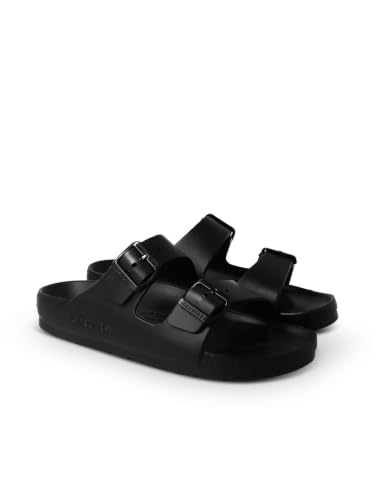
Premium Genuins Comfort Design - Genuins sandals feature ergonomic cork footbed construction with anatomical arch support, making them ideal comfort footbed slides for all-day wear, walking, travel, and standing work comfort.


Beach Life and Water Sports
Summer is the natural choice for travelers focused on beaches, swimming, sailing, and water sports. Mediterranean destinations such as the Costa Brava, Costa Blanca, Costa del Sol, and the Balearic Islands enter their busiest period, with long sunny days and warm evenings.
June can offer a useful compromise because beach weather has arrived in many places before the biggest July and August holiday crowds. July and August bring the most intense summer atmosphere but also higher demand in popular coastal resorts.
Festivals and Cultural Events
The night of San Juan is one of the season’s most distinctive celebrations. Festivities take place on the night of June 23–24, with fire playing a central role in destinations such as Alicante and A Coruña. Bonfires, music, fireworks, and seaside celebrations vary by local tradition.
Barcelona also has a major warm-weather music calendar. Primavera Sound normally takes place in late May or early June, while other large festivals continue through June and July. Travelers planning around a specific event should confirm that year’s dates before booking.
How to Make a Summer Trip Work
Summer can be excellent when the itinerary matches the climate. The Atlantic north—including Galicia, Asturias, Cantabria, and the Basque Country—often provides a milder alternative to Spain’s hotter interior. Beach destinations are also more comfortable for travelers who can spend the hottest part of the afternoon near the water.
In contrast, cities such as Seville can be extremely hot. AEMET climate normals for Sevilla Airport show an average daily maximum of about 36°C (96.8°F) in July and 35.5°C (95.9°F) in August.
Warning: Summer heat in southern and inland Spain can be intense. Plan long walks for morning or evening, carry water, use sunscreen and a hat, take shaded or indoor breaks, and check local AEMET forecasts and heat warnings before strenuous outdoor activities.
Fall: Experience Spain’s Rich Culture and Festivals

As summer fades, fall brings cooler conditions to much of Spain and an excellent mix of food, wine, festivals, and outdoor sightseeing. September can still feel summery in many destinations, while October offers a more noticeable transition into autumn.
La Rioja is particularly appealing around the grape harvest. Logroño celebrates the Rioja Wine Harvest Festival, also known as the San Mateo festivities, in September. Traditional events include grape treading and the presentation of the first must, alongside music, parades, and other celebrations. Official dates are published through the Spain.info Rioja Wine Harvest Festival calendar.
Barcelona’s La Mercè is another major September event, centered around September 24. Its program includes concerts, street performances, correfoc fire runs, parades of gegants or giant festival figures, and castells—the famous Catalan human towers. These are separate traditions, rather than gegants being human figures. Check the official tourism listing for La Mercè for the year’s schedule.
Later in fall, Spain observes Todos los Santos, or All Saints’ Day, on November 1. Traditionally, many families visit cemeteries and place flowers at relatives’ graves. This should not be confused with Mexico’s Día de los Muertos. Spain’s autumn traditions also include seasonal foods such as chestnuts, mushrooms, stews, and harvest products.
Winter: Enjoy a Cozy Getaway in Spain
Winter reveals how different Spain’s regional climates can be. The values below are approximate January monthly means from Spain’s State Meteorological Agency, AEMET. They are long-term climate normals rather than weather forecasts for a particular trip.
| Destination | Typical January Mean | Accommodation Pattern | Good Winter Activities |
| Barcelona | About 9°C (48°F) | Often below summer demand outside major holidays and events | Gaudí architecture, museums, markets, food |
| Madrid | About 6°C (43°F) | Can be attractive outside Christmas, New Year, and major events | Royal Palace, Prado-area museums, tapas, Christmas events |
| Seville | About 11°C (52°F) | Often calmer than spring festival periods | Real Alcázar, cathedral area, neighborhoods, flamenco shows |
In Asturias and Galicia, winter can be cool, damp, and atmospheric, making museums, historic towns, traditional taverns, stews, and coastal drives appealing between spells of rain. Inland Spain experiences colder nights, while the mountains provide opportunities for winter sports when snow conditions allow.
Andalusia is usually milder than the interior, so cities such as Seville, Málaga, and Cádiz can work well for winter sightseeing. Travelers primarily seeking warmth should also consider the Canary Islands, where Spain’s official tourism site describes mild, spring-like conditions through much of the year.
The Christmas period brings lights, markets, seasonal foods, and sweets such as turrón. Three Kings Day, or Epiphany, is January 6, but the famous Three Kings parades usually take place on the evening of January 5 before gifts are traditionally exchanged.
Note: Climate averages describe what is typical over many years. They are not a substitute for checking the actual forecast shortly before your trip.
Shoulder Seasons: The Best of Both Worlds
Spring and fall are often called Spain’s shoulder seasons because they sit outside the busiest midsummer period. For many travelers, April–May and September–October provide the best balance of comfortable temperatures, outdoor activities, and less intense peak-season pressure.
Spring combines longer days, flowering landscapes, festivals, and pleasant city walks. Fall brings harvest foods, wine celebrations, cooler hiking weather, and cultural events. Spain’s official tourism guidance also highlights mushrooms, chestnuts, harvest festivals, and colorful landscapes as autumn attractions.
Prices can be lower than at the summer peak in some destinations, but there is no universal shoulder-season discount. Semana Santa, the Feria de Abril, La Mercè, major sporting events, conferences, and local holidays can temporarily make hotels and transport more expensive or harder to find.
For a first sightseeing trip, April–May and September–October are the most reliable all-around windows—but always check the local festival calendar before booking.
Weather Considerations for Each Season

Spain’s climate cannot be summed up with one national temperature range. According to Spain’s official tourism weather guide, the country has strong regional and seasonal contrasts.
Spring generally brings milder conditions, but cool evenings and showers are still possible. Layers are useful, especially in inland cities where daytime and nighttime temperatures can differ noticeably.
Summer is hottest in July and August. Southern and central inland areas can become uncomfortable for long afternoon walks, while coastal destinations benefit from maritime influence. Early mornings, late evenings, and air-conditioned museums make summer city trips easier.
Fall begins warm in many parts of Spain and gradually cools. Rain becomes more important in some regions, so a light waterproof layer is useful. Winter conditions range from relatively mild Mediterranean and southern destinations to cold inland nights and snow in mountain areas.
How Spain’s Weather Changes by Region
| Region | What to Expect | Good Travel Window |
| Central Spain Madrid, Toledo, Castilla |
Hot, dry summers and colder winter nights | April–May and September–October |
| Southern Spain Seville, Córdoba, Granada |
Very hot summers; generally milder winters | Spring, fall, and winter city breaks |
| Mediterranean Coast Barcelona, Valencia, Costa Blanca |
Warm summers and comparatively mild winters | Spring/fall for cities; summer for beaches |
| Atlantic North Galicia, Asturias, Cantabria, Basque Country |
Milder summers, greener landscapes, more frequent rain | Late spring through early fall |
| Canary Islands | Mild conditions through much of the year | Year-round; especially useful for winter sun |
Popular Events and Festivals Throughout the Year
Spain’s event calendar can be a reason to choose a travel date—or a reason to avoid one if your priority is lower crowds. Exact schedules can shift, so always confirm the current year’s official dates before booking nonrefundable travel.
| Event | Usual Timing | Where / Why It Matters |
| Semana Santa | March or April | Nationwide; especially famous processions in Seville |
| Feria de Abril | April or May, after Holy Week | Seville; casetas, sevillanas, traditional dress, horses |
| Night of San Juan | June 23–24 | Bonfires and midsummer celebrations in many coastal cities |
| San Fermín | July 6–14 | Pamplona; internationally known festival including bull runs |
| La Tomatina | Last Wednesday of August | Buñol; famous tomato-throwing festival |
| Rioja Wine Harvest / San Mateo | September | Logroño; wine-harvest traditions and celebrations |
| La Mercè | Around September 24 | Barcelona; concerts, castells, gegants, correfoc |
| Fiesta Nacional de España | October 12 | National public holiday with official events |
| Todos los Santos | November 1 | All Saints’ Day; traditional cemetery visits and flowers |
| Three Kings | Parades January 5; holiday January 6 | Nationwide Christmas tradition with elaborate parades |
Best Time to Visit Spain by Travel Style
| Travel Goal | Best General Window |
| City sightseeing | April–May and September–October |
| Mediterranean beach holiday | June–September; June and September can be calmer than July–August |
| Hiking and nature | Spring and fall, adjusted for altitude and local conditions |
| Major cultural festivals | Spring through September, depending on the event |
| Winter sports | Winter, subject to current snow and resort conditions in the Pyrenees or Sierra Nevada |
| Winter sun | Canary Islands throughout winter |
Products Worth Considering

Cosmetic bag size: 9.8″W x 6.7″H, Can store your cosmetics easily, such as makeup brushes, mascara, lipstick, wipes and so on. Smooth zipper in vantage appearance, tight to protect items in, it can ensure your items not easy to fall off. It's a perfect travel bags for Women

Italy Souvenir Gift: A beautifully designed watercolor makeup bag inspired by Italian scenery: a thoughtful keepsake for travelers, friends, moms, sisters, wives, teachers, coworkers, or yourself

Tips for Traveling to Spain in Each Season
Products Worth Considering
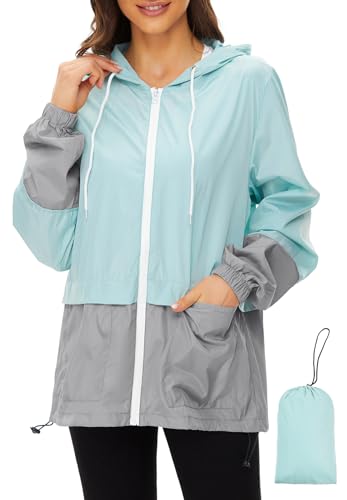
[Pack & Go Convenience] — Designed for convenience, this light rain jacket women is easy to fold and store, making it the perfect travel companion for travel, work, or spontaneous outings. Its compact design fits easily into backpacks or totes, so you're always prepared for unexpected weather. It provides better rain protection than a short rain jacket yet is more flexible than a long raincoat.

【Material】: This windbreaker jacket for women is made of super waterproof material. it's lightweight, packable, comfortable to wear. The raincoat will keep you dry and warm in rainy and windy day. Easy to carry on the road, folded up small enough to be tucked into a backpack.

Waterproof Material: 100% Polyester. It's lightweight, waterproof and packable with a pouch
Spring
Pack layers, comfortable walking shoes, and a compact rain layer. Reserve transport and accommodations well ahead for Semana Santa and the Feria de Abril. Spring is also a strong time for parks, gardens, historic neighborhoods, and hiking at lower elevations.
Summer
Prioritize sun protection, water, breathable clothing, and a schedule that avoids strenuous sightseeing during the hottest part of the afternoon. Beach trips are at their liveliest, while northern Spain can be a useful alternative for travelers who dislike extreme heat.
Fall
Bring layers and light rain protection. Look for wine-harvest celebrations, seasonal mushrooms, chestnuts, and regional food festivals. September can still be hot, so do not assume autumn temperatures begin immediately after August.
Winter
Pack according to the region. Madrid and other inland destinations can have cold mornings and nights, while southern cities are usually milder. Mountain travelers need proper winter clothing and should check snow conditions. Canary Islands visitors can expect a very different climate from mainland Spain.
For additional trip preparation, see this guide on how to choose the best travel guidebook for your next trip. You can also use the Take Travel Info contact page for site-related questions. Before using the site’s services, review its terms and conditions.
Frequently Asked Questions
What is the best time to travel to Spain?
For a general sightseeing trip, April–May and September–October are excellent choices because temperatures are usually more comfortable than midsummer. The best dates still depend on the region and whether a major festival falls during your stay.
What is the weather like in Spain during the best time to travel?
Spring and early fall generally bring milder conditions for walking and outdoor dining, but Spain has no single national weather pattern. Northern Spain is cooler and wetter, inland areas have greater temperature swings, and the Mediterranean and south are generally warmer.
Are there festivals to consider when planning a trip to Spain?
Yes. Major examples include Semana Santa in March or April, Seville’s Feria de Abril in April or May, San Fermín in July, La Tomatina in August, La Mercè and the Rioja Wine Harvest Festival in September, and Three Kings celebrations in January. Exact dates should be confirmed each year.
Is it more expensive to visit Spain in spring and fall?
Not necessarily. Some destinations are less expensive outside the July–August peak, but major festivals and events can push rates up even in spring or fall. Compare your exact dates rather than assuming every shoulder-season week will be cheaper.
What are popular destinations in Spain during the best travel months?
Madrid, Barcelona, Seville, Granada, Valencia, and the Balearic Islands are popular choices, but the ideal destination depends on the season. Northern Spain is especially appealing in warmer months, while Andalusia becomes easier to explore when temperatures are milder.
What is the best time to visit Spain for beaches?
June through September is the main beach period for Mediterranean Spain and the Balearic Islands. June and September can provide warm beach weather with less peak-season pressure than July and August, although conditions vary by coast and year.
Is Spain worth visiting in winter?
Yes. Winter is useful for museums, historic cities, Christmas traditions, skiing when snow conditions are suitable, and milder southern destinations. Travelers seeking warmer winter weather can consider the Canary Islands.
Sources
- Spain.info — The climate in Spain — regional and seasonal climate guidance.
- AEMET — Barcelona climate normals, Madrid climate normals, and Seville climate normals — official long-term temperature data.
- Visit Sevilla — The April Fair — Feria timing, traditions, and visitor information.
- Spain.info — Jerte Valley and Tourism Madrid — El Retiro almond trees — spring blossom information.
- Spain.info — Autumn in Spain — harvest season, seasonal foods, and All Saints’ Day traditions.
- Spain.info — La Mercè and Rioja Wine Harvest Festival — official festival descriptions and annual dates.
