

Last Updated on July 27, 2026 by Daniel Globe
Planning a trip to East Asia requires an understanding of the region’s diverse seasonal transitions. From the delicate pink cherry blossom canopies of spring to the crisp autumn breezes and energetic night markets, each season presents distinct opportunities for travelers across Japan, Taiwan, South Korea, and China.
Quick Answer
The overall best time to visit East Asia is during spring (March to May) for cherry blossoms and mild temperatures, or autumn (September to November) for dry weather, clear skies, and brilliant fall foliage. Avoid peak typhoon season from July through September if outdoor trekking or coastal activities are your primary focus.
Key Takeaways
- Spring (March–May): Highlights cherry blossom viewing (Hanami), comfortable weather (10°C–20°C), and cultural festivals like Japan’s Takayama Spring Festival.
- Summer (June–August): Best for lively festivals like Kyoto’s Gion Matsuri and night markets, though coastal regions experience high heat, humidity, and monsoon rainfall.
- Fall (September–November): Peak season for hiking and sightseeing with clear skies and stunning foliage across Kyoto, Seoraksan, and Alishan.
- Winter (December–February): Ideal for snow festivals in Sapporo and Harbin, hot spring resorts, and mild city exploration in Taipei and Southern China.
- Lunar New Year: Features vibrant community celebrations, though early booking is mandatory due to high domestic travel volume.
Disclosure: As an Amazon Associate I earn from qualifying purchases. Some links on this page are affiliate links, at no extra cost to you.
Spring: Cherry Blossoms and Mild Weather
Spring in East Asia is heralded by the breathtaking bloom of cherry blossoms, a phenomenon that draws both locals and international travelers alike. The delicate pink and white petals create a stunning visual spectacle, transforming public parks, temples, and city streets into ethereal landscapes. In Japan, the cherry blossom season—known as Hanami—is celebrated with festive picnics beneath the blooming trees, while South Korea hosts lively festivals in Seoul and Jinhae.
Families and friends gather to enjoy traditional seasonal foods while soaking in the beauty of nature. The mild weather during this season, with temperatures typically ranging from 10 to 20 degrees Celsius, makes it an ideal time for outdoor activities. The gentle warmth encourages visitors to venture outside for leisurely strolls through historical gardens or vigorous pursuits like cycling and mountain hiking.
In addition to cherry blossoms, spring represents a time of renewal and growth across the region. Botanical gardens burst into life with vibrant azaleas and wisteria, while municipal farmers’ markets showcase fresh seasonal produce. This period is also marked by significant cultural celebrations, such as the Takayama Spring Festival in Japan, which features elaborate handcrafted floats and traditional puppet performances that attract travelers from across the globe.
Summer: Festivals and Outdoor Activities
Vibrant Festivals and Celebrations
In Japan, the Gion Matsuri in Kyoto stands as one of East Asia’s most famous summer events. Running throughout July, this grand celebration culminates in a spectacular procession of massive yamaboko floats adorned with intricate tapestry work. The surrounding streets close to traffic, coming alive with traditional music, lantern light, and food stalls offering local delicacies, creating an atmosphere of shared joy and cultural pride.
Outdoor Adventures Abound
The warm summer months offer ample opportunities for outdoor adventure and coastal travel. Beaches along Taiwan, South Korea’s Jeju Island, and Japan’s Okinawa archipelago become bustling hubs for sunbathing, swimming, and water sports. Mountainous trails attract adventure seekers eager to escape urban heat. In Taiwan, the dramatic marble cliffs of Taroko Gorge offer stunning gorges and challenging trekking routes that draw outdoor enthusiasts year-round.
Night Markets and Street Foods
Summer evenings across East Asia are best spent at open-air night markets. Visitors can sample an array of regional street foods—from Taiwanese stinky tofu and fresh seafood skewers to Korean tteokbokki—while enjoying live street performances and local craft stalls under twinkling lights.
Fall: Cool Breezes and Stunning Foliage
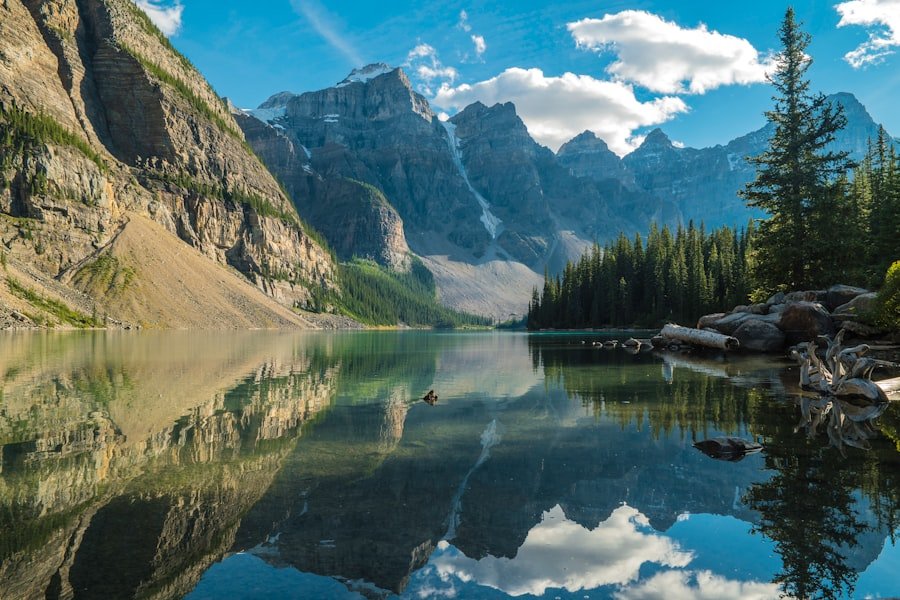
As summer fades into autumn, a crisp shift in temperature brings optimal weather for exploring East Asia. The cool breezes signal a time of transition as forest canopies transform into brilliant displays of crimson, gold, and amber. In destinations like Kyoto (Japan), Seoraksan National Park (South Korea), and Alishan (Taiwan), autumn leaf-peeping draws visitors seeking to immerse themselves in nature’s changing palette.
Scenic railway tours and mountain hikes become popular pastimes. The crisp, low-humidity air creates ideal conditions for outdoor excursions, cultural photography, and visiting roadside orchards for seasonal apple picking. Fall is also a season of thanksgiving and harvest festivals across Asia, such as Chuseok in South Korea and the Mid-Autumn Festival celebrated across China, Taiwan, and Vietnam with mooncakes and lantern displays.
Winter: Festive Markets and Mild Climate
East Asian Winter Destinations at a Glance
| Tokyo, Japan | Festive holiday illuminations, clear views of Mt. Fuji; Avg Temp: 6°C |
| Taipei, Taiwan | Mild urban exploring, vibrant night markets, hot springs; Avg Temp: 16°C |
| Seoul, South Korea | Ice skating, festive winter markets, nearby ski resorts; Avg Temp: -2°C |
| Sapporo, Japan | Famous Sapporo Snow Festival, world-class skiing; Avg Temp: -4°C |
Winter brings unique seasonal magic to East Asia. Northern regions turn into winter wonderlands characterized by snow festivals, ski resorts, and steamy geothermal hot springs (known as onsen in Japan and wenquan in Taiwan). Cities across Japan and South Korea illuminate their commercial districts with elaborate light displays and pop-up holiday markets.
For travelers seeking escape from severe freezing weather, sub-tropical destinations like Southern Taiwan, Hong Kong, and Okinawa offer pleasant winter climates. Daytime temperatures remain mild, allowing tourists to explore historic districts, botanical gardens, and night markets comfortably without heavy winter gear.
Lunar New Year: Cultural Celebrations and Festive Atmosphere
The Lunar New Year is one of the most significant cultural observances across East Asia, marking the turn of the traditional lunisolar calendar. Steeped in centuries of tradition, this period emphasizes family reunions, ancestral honors, and wishes for future prosperity. In China, Taiwan, and Vietnam, families gather for elaborate reunion dinners on New Year’s Eve, sharing symbolic dishes designed to bring good fortune.
Urban streets erupt with color during public parades featuring energetic dragon and lion dances, traditional drumming, and fireworks displays. Cities like Hong Kong and Taipei host grand public events that attract thousands of spectators. Decorative floats adorned with lanterns and flowers wind through city plazas while vendors serve festive treats such as sweet rice cakes and dumplings. The Lunar New Year serves as a reminder of cultural heritage while fostering a sense of community among those who celebrate it.
Typhoon Season: Weather Considerations and Safety Tips

Typhoon season presents specific travel considerations for those visiting East Asia between June and October. Tropical cyclones forming over the Pacific Ocean can bring heavy rainfall, strong wind squalls, and severe flight delays to coastal regions including Taiwan, Japan, China, and the Philippines.
Pro Tip: Download local official weather applications such as the Japan Meteorological Agency or Taiwan’s Central Weather Administration app when traveling during summer. These provide real-time push notifications regarding storm trajectories and public transport cancellations.
Travelers visiting during these months should stay updated via official weather advisories, secure flexible transit bookings, and pack essential items including rain gear, portable power banks, and necessary medications in case of short travel interruptions.
Shoulder Seasons: Crowds and Prices
The shoulder seasons—typically late spring (May) and mid-autumn (October to early November)—offer an advantageous balance of pleasant weather, lower accommodation costs, and manageable crowd levels. During these months, major sightseeing landmarks are less congested, giving travelers room to explore historic temples, museums, and national parks at an unhurried pace.
In addition to shorter queues, hotels and airlines frequently offer discounted rates outside peak cherry blossom and holiday windows, making shoulder seasons ideal for budget-conscious travelers aiming to maximize their trip quality.
Products Worth Considering

Premium Travel Backpack Purse – Offering style and functionality this anti theft backpack purse provides plenty of interior and exterior pockets for storing an iPad, books,...
Best Time for Specific Activities: Hiking, Shopping, and Night Markets
Timing your visit around intended activities significantly elevates your travel experience:
- Hiking & Outdoor Trekking: Autumn (September–November) provides dry conditions, low humidity, and vibrant natural scenery across destinations like South Korea’s Bukhansan or Taiwan’s Yangmingshan National Park.
- Shopping & Urban Explorations: Winter and mid-summer coincide with major retail sales across Tokyo, Seoul, and Hong Kong, as well as global shopping events like Singles’ Day (11.11).
- Night Markets & Street Food: Late spring and autumn evenings provide the most comfortable weather for outdoor dining at night markets without extreme summer heat or winter chills.
If you are planning a trip to Taipei, considering local weather patterns ensures a seamless trip. According to insights on taketravelinfo.com, the optimal period to visit Taipei spans from September to November when conditions are comfortably dry. Additionally, check out their recommendations on solar-powered camping lanterns for your outdoor excursions in the region.
Products Worth Considering

【5000mAh/3.85V/19.25WH】 USB rechargeable led camping light for outdoor activities, using small size, light weight, high energy polymer lithium-ion batteries, safe and reliable, easy to carry outside.

【Ultra Bright & 12 Hours Run Time 】The solar camping light contains 120 piece LED bulbs of 4000LM, which can light up for 12 hours when fully charged. It takes about 12 hours to fully charge by USB charging. With wireless remote control, convenient to adjust 5 lighting levels, no need to trough the main light

2 IN 1 Lantern/Flashlight: Collapsible lantern design, adopts 6pcs premium LED chips with 300LM Ultra Bright, adjusting brightness by pull up the lantern, provides 360 degree illumination when unfolded. 1pcs super bright LED for flashlight, bring you brightness in the dark, be safe always.
Frequently Asked Questions
What is the best time to travel to Taipei?
The best time to travel to Taipei is during autumn, specifically from September to November. During these months, rainfall declines, temperatures remain warm and pleasant, and humidity drops significantly compared to summer.
What is the weather like in Taipei during the best time to travel?
During the fall months, Taipei experiences mild temperatures averaging between 22°C and 28°C, paired with lower humidity and reduced rainfall, making it comfortable for walking tours, night markets, and hiking.
Are there any festivals or events during the best time to travel to Taipei?
Yes, Taipei hosts numerous autumn events including the Mid-Autumn Lantern Festival, the Taipei Jazz Festival, and seasonal floral displays at the Shilin Official Residence.
Are there any drawbacks to traveling to Taipei during the best time?
Because autumn coincides with peak travel conditions across Taiwan, popular attractions and night markets can experience higher visitor density, and accommodation prices may be slightly higher if not booked in advance.
Sources
- Japan National Tourism Organization (JNTO) — Official seasonal event guides and cherry blossom updates.
- Taiwan Tourism Administration — Information on Taroko Gorge, night markets, and autumn travel safety.
- Korea Tourism Organization — Seasonal travel advisories, foliage guides, and regional festival dates.
- Japan Meteorological Agency — Official climate summaries and typhoon tracking data for East Asia.
