
Last Updated on July 27, 2026 by Ethan Caldwell
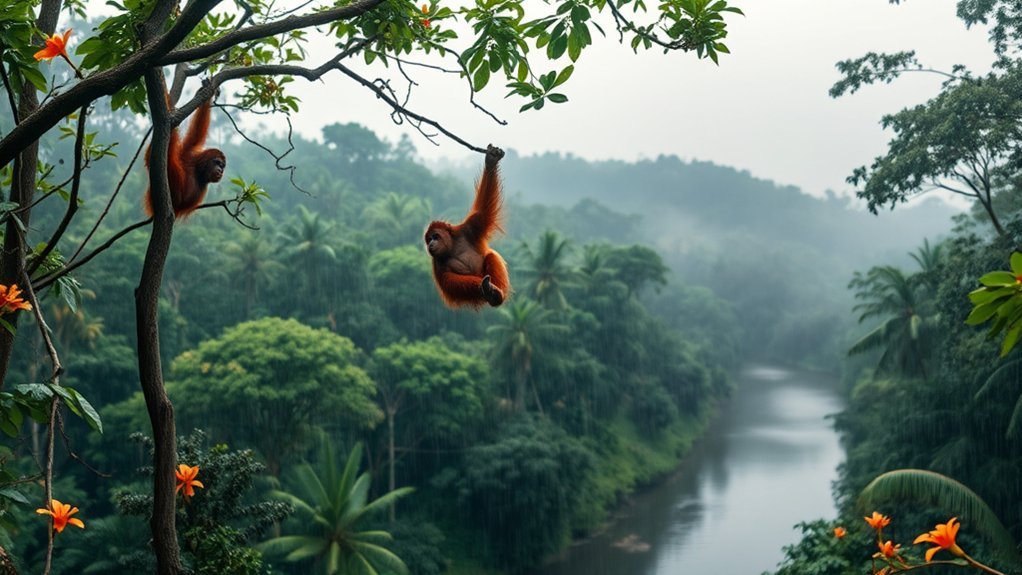
February is a shoulder-season month for Borneo — warmer and drier than January in Sabah, but still quite wet in Sarawak and parts of Kalimantan. It’s an excellent time for fewer crowds, Chinese New Year festivities, and guaranteed wildlife-centre sightings, though wild orangutan spotting in high-canopy fruiting trees is best from May to September.
Quick Answer
Yes, February is a worthwhile time to visit Borneo. Sabah is noticeably drier and warmer than January, hotel rates are lower outside Chinese New Year, and you can reliably see orangutans at sanctuaries like Sepilok and Semenggoh. Sarawak and Kalimantan still experience heavy monsoon rains, so regional planning is key.
Key Takeaways
- Sabah’s weather improves noticeably in February; Sarawak and Kalimantan remain among the wettest regions in Southeast Asia this month.
- Average daytime temperatures sit around 27–28°C across coastal and lowland Borneo, with cooler evenings in highland areas.
- Sanctuary orangutan sightings at Sepilok and Semenggoh are reliable year-round; peak wild forest sightings run May to September.
- Chinese New Year and Chap Goh Mei bring vibrant cultural celebrations — book hotels and flights well in advance.
- Fewer tourists outside festival dates mean quieter national parks, tranquil river safaris, and better photo opportunities.
At a Glance
| Best Region | Sabah (Northern Malaysian Borneo) — rainfall drops to ~150mm |
| Lowland Temperature | 27–28°C daytime average (can drop to 2–10°C near Mt. Kinabalu summit) |
| Wildlife Focus | Sepilok & Semenggoh sanctuaries, Kinabatangan river safaris |
| Cultural Highlights | Chinese New Year lion dances, Open Houses, and Chap Goh Mei |
Disclosure: As an Amazon Associate I earn from qualifying purchases. Some links on this page are affiliate links, at no extra cost to you.
Why February Is a Great Time to Visit Borneo
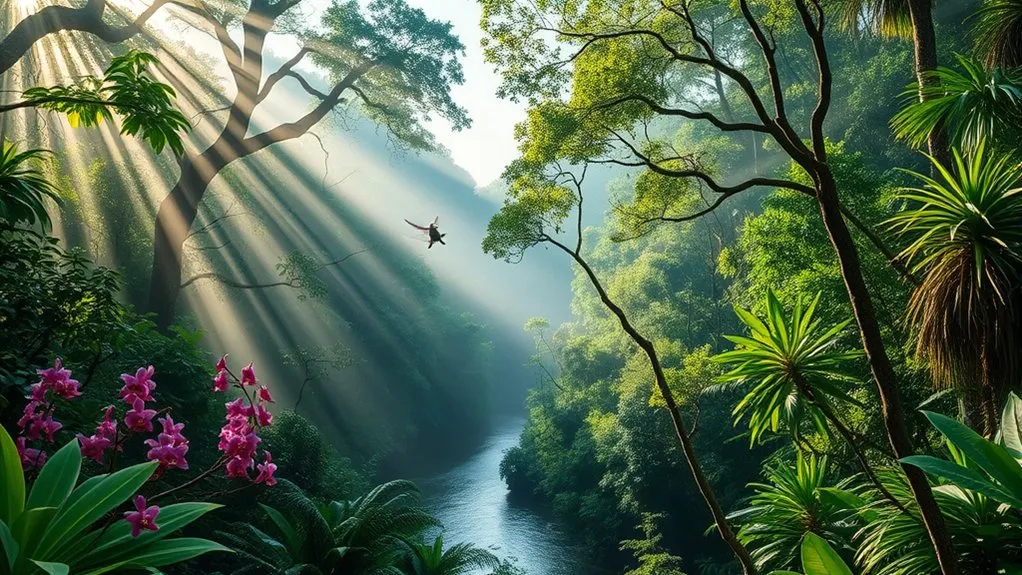
A trip to Borneo in February is a solid choice, particularly in Sabah, where conditions improve markedly compared to January. With lower rainfall and more sunshine in the north, you can comfortably fit in outdoor activities, river cruises, and wildlife photography.
Note: Borneo is the world’s third-largest island and encompasses three nations: Malaysia (Sabah and Sarawak), Brunei, and Indonesia (Kalimantan). Sabah in the north dries out noticeably in February, while Sarawak and Kalimantan stay wet with regular heavy downpours. Plan your itinerary with this regional split in mind.
Fewer tourists head to national parks and wildlife sanctuaries outside the Lunar New Year holiday week, giving you a more tranquil experience among Borneo’s ancient rainforests. February also brings vibrant cultural immersion, with traditional celebrations putting local heritage on full display. With average daytime temperatures around 27–28°C, February offers comfortable conditions for exploring both coastlines and rainforest interiors.
Borneo’s February Weather: Regional Breakdown
Weather in Borneo during February varies significantly by region due to the transition of the Northeast Monsoon:
- Sabah (Northern Malaysian Borneo): Daytime temperatures average around 27–28°C, and rainfall drops to roughly 150mm for the month according to the Malaysian Meteorological Department, a dramatic reduction from January’s 300mm+. Eastern Sabah areas such as Danum Valley and Sipadan Island receive slightly more rain than the northwest coast around Kota Kinabalu and Gaya Island.
- Sarawak (Western Malaysian Borneo): Conditions stay considerably wetter. Average monthly rainfall in Kuching hovers around 520mm, with daytime temperatures near 27°C and frequent showers. Rain here typically arrives in heavy afternoon bursts, so mornings are your best window for outdoor trekking.
- Kalimantan (Indonesian Borneo): Southern and central rainforest regions experience moderate to heavy monsoonal rain, making river water levels high. This makes Tanjung Puting National Park accessible by houseboat (klotok), though jungle trails can be muddy.
- Brunei: Experiences moderate rainfall transitioning into drier weather toward late February, with high humidity and comfortable coastal breezes.
Pro Tip: If your trip centers on drier weather and beach days, base yourself around Kota Kinabalu, Gaya Island, or Lankayan Island in Sabah. If you are exploring Kuching, Mulu Caves, or Tanjung Puting, pack waterproof bags and rain ponchos regardless of the morning forecast.
What Wildlife Can You See in Borneo in February?
Borneo’s biodiversity is active year-round, and February provides excellent wildlife encounters across sanctuaries and river habitats:
- Orangutans: Rehabilitation centres such as Sepilok Orangutan Rehabilitation Centre (Sabah) and Semenggoh Nature Reserve (Sarawak) offer reliable, scheduled viewing sessions twice daily (Sepilok: 10:00 AM and 3:00 PM; Semenggoh: 9:00 AM and 3:00 PM).
- Proboscis Monkeys: High water levels along the Kinabatangan River and Bako National Park bring proboscis monkeys closer to riverbanks during early morning and late afternoon boat cruises.
- Pygmy Elephants: Herds are frequently spotted along the banks of the Kinabatangan River in Sabah as they move through secondary rainforest corridors.
- Hornbills & Birds: Eight species of hornbills and numerous migratory coastal birds inhabit the jungle canopy, making February rewarding for birdwatching.
- Reptiles & Macro Life: Rain-freshened forests bring out vibrant amphibian life, tarsiers, and colorful macro insects during guided night walks.
Warning: If seeing wild orangutans foraging in deep rainforest fruiting trees is your main priority, February isn’t peak season — that runs May through September during the main forest fruiting period. February travelers should prioritize sanctuary and river-based sightings.
Diving and Mountain Trekking in February
For outdoor adventure enthusiasts, February presents specific regional considerations for diving and mountain climbing:
- Mount Kinabalu Trekking: Climbing Mount Kinabalu is active in February. While daytime trail conditions are clear, summit attempts can occasionally be delayed or restricted by rain and mist near the peak. Note that temperatures drop near the summit (2–10°C). Book climb slots months in advance due to strict daily hiker limits.
- Scuba Diving & Snorkeling: Marine visibility around Sipadan and Mabul ranges between 10 to 20 meters in February as monsoon swells clear. Drier spots like Lankayan Island offer calmer sea conditions toward the end of the month. Sipadan permits are capped per day and must be secured well ahead of time.
Top Festivals Celebrated in Borneo During February
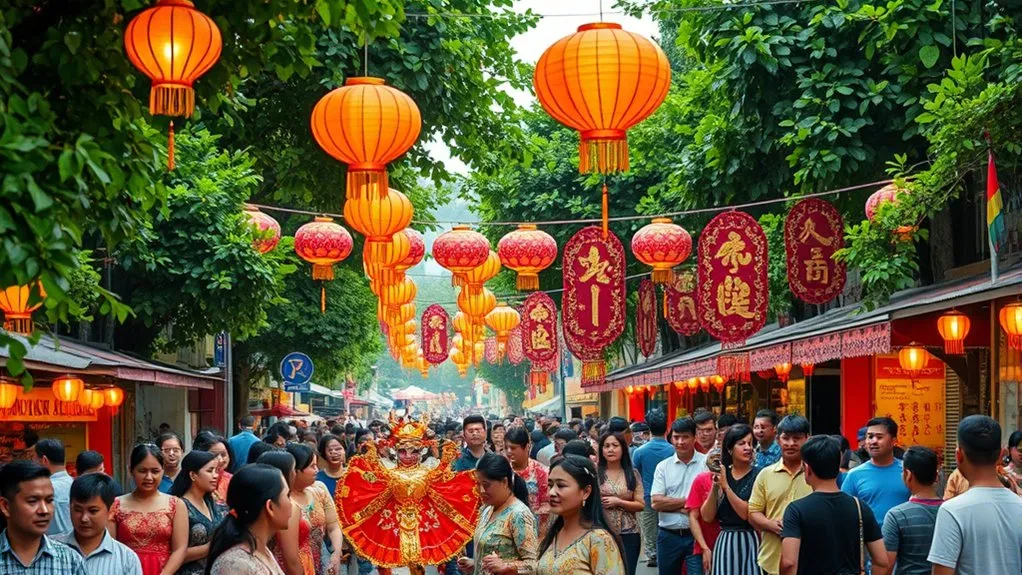
Borneo comes alive with celebrations around Chinese New Year, particularly in urban hubs with significant Chinese heritage like Kuching, Kota Kinabalu, and Sandakan. Expect street parades, lion dance performances, and festive night markets.
Chinese New Year Celebrations
Chinese New Year festivities are a major cultural highlight for visitors in February. Key highlights include:
- Vibrant lion and dragon dances filling city streets with drumbeats and energy
- Festive markets offering traditional treats like Kek Lapis Sarawak (layered cake), Nian Gao (sticky rice cakes), and dumplings
- The unique Sarawakian Open House tradition, where families welcome neighbors and travelers of all backgrounds to share festive meals
- Fireworks displays lighting up waterfront promenades in Kuching and Kota Kinabalu
Community spirit runs high, but transport and hotel availability tighten during the holiday week — book accommodation and flights well in advance.
Chap Goh Mei Festivities
Chap Goh Mei, celebrated on the 15th night of the Lunar New Year, marks the official conclusion of festivities. Lanterns light up night skies, and traditional ceremonies are held along riverbanks and temples to welcome prosperity and good fortune.
| Activity | Description | Cultural Significance |
|---|---|---|
| Lantern Release | Releasing illuminated lanterns into the sky and water | Symbolizing new beginnings and letting go of the past |
| Lion Dance | Energetic drum-backed acrobatics | Warding off bad energy and bringing good fortune |
| Food Stalls | Traditional treats, rice cakes, and street food | Celebrating community unity and heritage |
| Fireworks | Coastal display lightshows | Celebrating festive joy |
| Temple Parades | Colorful processions through cultural quarters | Uniting locals and visitors in celebration |
Travel Tips for Your February Trip to Borneo
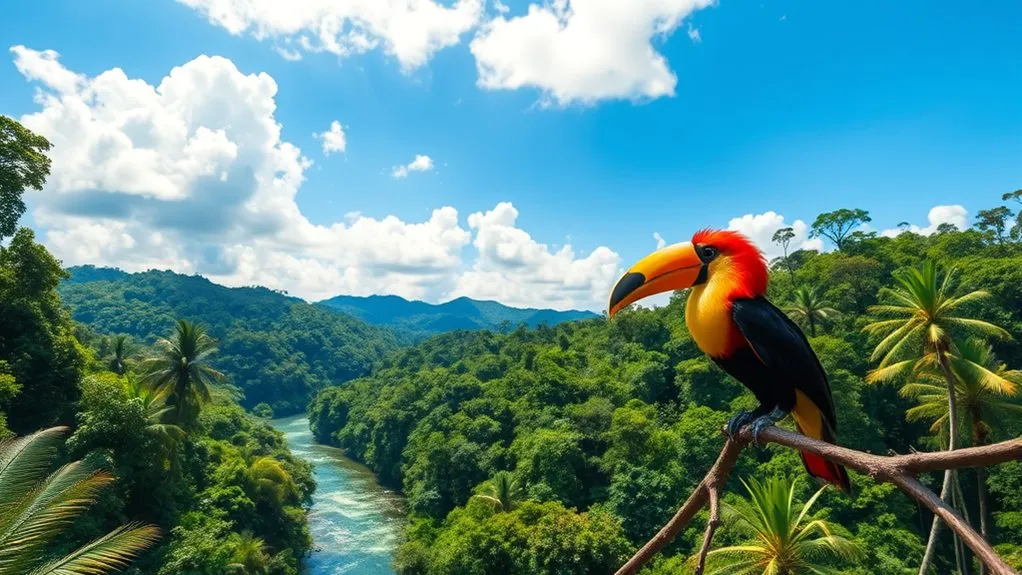
Proper packing and flexible scheduling will help you get the most out of Borneo’s microclimates in February.
Weather & Gear Considerations
Daytime temperatures hover around 27–28°C across lowlands. Keep these gear items in mind:
- Pack breathable, quick-drying clothing to handle high tropical humidity.
- Bring lightweight leech socks if trekking rainforest trails in Sarawak, Danum Valley, or Bako National Park.
- Carry a sturdy waterproof dry bag to protect cameras and electronics during riverboat safaris.
- Use DEET or natural insect repellent for protection during dawn/dusk wildlife outings.
- Keep a compact rain jacket or poncho handy for sudden tropical downpours.
- Bring compact binoculars (8×42 or 10×42) for canopy birdwatching and riverboat wildlife spotting.
Wildlife Viewing Opportunities
Wildlife viewing in February is highly rewarding along waterways. River cruises along the Kinabatangan River offer cooler morning air and excellent vantage points for spotting wild primates, elephants, and tropical birds. Quieter national park trails mean fewer crowds on boardwalks and viewing platforms.
Must-Visit Destinations in Borneo This February
February in Borneo invites you to experience vibrant culture and striking nature — a good time for exploration if you plan around the regional weather split.
- Kuching: Sarawak’s cultural capital, featuring heritage waterfronts, historic temples, and easy access to Bako National Park.
- Sepilok & Labuk Bay (Sabah): World-renowned sanctuaries for viewing rescued orangutans and proboscis monkeys up close.
- Semenggoh Nature Reserve: Reliable semi-wild orangutan viewing sessions near Kuching.
- Mulu Caves: Spectacular UNESCO-listed limestone karst caverns and bat exodus displays in Sarawak.
- Bako National Park: Coastal rainforest trails featuring proboscis monkeys, bearded pigs, and pitcher plants.
- Kinabatangan River: Premier destination for gentle wildlife boat cruises in Sabah.
- Danum Valley Conservation Area: Primary lowland rainforest offering luxury eco-lodge stays and canopy walkways.
Top Activities to Experience in Borneo This February
February supports a mix of soft adventure, nature photography, and cultural events across the island:
| Activity | Description | Best Location |
|---|---|---|
| Jungle Trekking | Explore diverse rainforest ecosystems and coastal cliffs | Bako National Park / Danum Valley |
| River Safaris | Spot pygmy elephants, proboscis monkeys, and birds | Kinabatangan River / Tanjung Puting |
| Cultural Festivals | Experience Chinese New Year lion dances and street food | Kuching / Kota Kinabalu |
| Wildlife Photography | Capture images of semi-wild orangutans during feeding times | Sepilok / Semenggoh |
| Island Hopping & Diving | Snorkeling and diving in marine park waters | Tunku Abdul Rahman Marine Park / Sipadan |
Frequently Asked Questions
Is Borneo Worth Visiting in February?
Yes, particularly in Sabah, where weather improves noticeably compared to January. You’ll find vibrant cultural festivals, lower crowds outside Chinese New Year, and reliable sanctuary-based wildlife encounters. Sarawak and Kalimantan remain wetter, so plan itineraries accordingly.
When to Avoid Borneo?
The heaviest monsoon downpours fall from November through January, occasionally bringing trail closures and localized flooding in western Sarawak and Kalimantan. The peak dry travel window island-wide runs from March through October.
Can You See Orangutans in Borneo in February?
Yes, sanctuaries like Sepilok and Semenggoh offer reliable, scheduled orangutan feedings year-round, including February. For peak wild foraging in forest fruiting trees, May through September is the recommended window.
What’s the Weather Like in Borneo in February?
Expect average daytime temperatures around 27–28°C. Sabah is noticeably drier than in January, while Sarawak and Kalimantan still experience frequent, sometimes heavy downpours throughout the month.
Conclusion
Borneo is a destination of extraordinary biodiversity — home to over 15,000 plant species and thousands of unique animals. February brings a workable mix of drying weather in Sabah, lively cultural festivals, and reliable sanctuary visits. Whether you are trekking ancient rainforest trails, cruising the Kinabatangan River, or enjoying Chinese New Year in Kuching, accounting for the regional weather split ensures an unforgettable adventure.
Sources
- Malaysian Meteorological Department (MetMalaysia) — Official climate, rainfall, and regional weather forecast statistics for Sabah and Sarawak
- Sabah Wildlife Department — Orangutan conservation updates, sanctuary feeding schedules, and Sepilok visitor guides
- Sarawak Forestry Corporation — Semenggoh Nature Reserve and Bako National Park visitor guidelines
- Selective Asia — Borneo Weather in February — Regional weather and seasonal travel comparison
- Responsible Travel — Best Time to See Orangutans — Seasonal wild vs. sanctuary orangutan viewing insights