
Last Updated on September 10, 2026 by Daniel Globe
Choosing the best time to visit French Polynesia can shape nearly every part of your trip. Weather affects lagoon visibility, hiking comfort, surf conditions, inter-island travel, hotel prices, and crowd levels. Festival dates and whale migrations add another layer, so the right month depends on whether you value dependable sunshine, lower costs, cultural events, or marine life.
Quick Answer
The best time to visit French Polynesia is May through October, when the Society Islands are generally drier, less humid, and breezier. May, June, September, and October offer the best balance of weather and crowds. July is ideal for Heiva celebrations, while November through April usually brings lower prices, more rain, and cyclone-season flexibility.
French Polynesia consists of 118 islands and atolls spread across five archipelagos: the Society, Tuamotu, Marquesas, Austral, and Gambier Islands. Tahiti, Moorea, and Bora Bora are the best-known destinations, but weather patterns and ideal travel months vary across this enormous area of the South Pacific.
The islands combine Polynesian traditions with French influences in their languages, food, music, dance, art, and daily life. The ocean remains central to local culture, with fishing, sailing, paddling, diving, and traditional va’a canoe racing playing important roles.
Because the archipelagos stretch across a wide area, there is no single perfect month for every island and activity. The dry-season pattern is most useful for planning trips to the Society Islands, while destinations such as the Marquesas and Gambier Islands follow somewhat different cycles.
Key Takeaways
- May through October is the main dry season in Tahiti, Moorea, Bora Bora, and much of the Society Islands.
- June through September usually brings the strongest demand, with July especially busy because of Heiva celebrations.
- May, September, and October often provide a useful balance of drier weather, slightly lighter crowds, and good outdoor conditions.
- The wet and cyclone season runs from November through April, bringing higher humidity, heavier showers, and more need for flexible plans.
- Whales are generally present from July through November, with August through October offering the strongest planning window.
- Surf conditions depend on the coast and swell direction, so calm-water advice for snorkeling and lagoon trips does not also apply to surfing.
Disclosure: As an Amazon Associate I earn from qualifying purchases. Some links on this page are affiliate links, at no extra cost to you.
Best Months to Visit French Polynesia at a Glance
The following guide is most directly applicable to Tahiti, Moorea, Bora Bora, and the other Society Islands. Conditions can differ in the Tuamotu, Marquesas, Austral, and Gambier archipelagos.
| April | A transition month with warm weather, lingering humidity, and improving conditions. It can offer better value than peak dry-season months. |
| May–June | One of the best overall windows for lower humidity, comfortable hiking, lagoon trips, and generally lower demand than July and August. |
| July–August | Peak dry-season demand, cooler evenings, major cultural events, strong southern swells, and the beginning of the main whale-watching period. |
| September–October | Excellent for whale watching, diving, beaches, and outdoor trips. October becomes warmer as the wet season approaches. |
| November–December | Warmer and wetter, with fewer visitors outside the Christmas and New Year period. November may still offer whale sightings. |
| January–March | The hottest, most humid part of the year, with heavier rain and cyclone-season risk. It can suit flexible travelers seeking lush scenery and lower resort prices. |
Weather and Climate in French Polynesia
French Polynesia has a tropical oceanic climate, with warm air and water throughout the year. According to the official Tahiti Tourisme seasonal guide, typical monthly maximum temperatures are about 29°C to 32°C (84°F to 90°F), while typical minimums are about 22°C to 25°C (72°F to 77°F). Water temperatures commonly remain near 27°C to 29°C (81°F to 84°F).
The wet season runs from November through April. Temperatures and humidity rise, and tropical showers become more frequent. Rain may arrive in a short, heavy burst, but longer wet spells are also possible. Boat tours, hiking trips, domestic flights, and lagoon excursions may be delayed or canceled during poor conditions.
The dry season runs from May through October. It generally brings lower humidity, lighter rainfall, and cooling trade winds. These conditions make hiking, sightseeing, beach days, and lagoon activities more comfortable, especially in the Society Islands.
How Weather Varies by Archipelago
- Society Islands: Tahiti, Moorea, Bora Bora, Huahine, Raiatea, and Taha’a have the clearest May–October dry-season pattern.
- Tuamotu Islands: Rangiroa and Fakarava are especially popular for diving from roughly April through November, although currents and wildlife encounters vary by pass and lunar cycle.
- Marquesas Islands: Their more equatorial position produces a different rainfall pattern. September through December is often recommended for hiking and cultural exploration.
- Austral Islands: These southern islands can feel cooler, particularly from July through October, which is also a prime whale-watching period around Rurutu.
- Gambier Islands: Their southeastern location produces cooler and more seasonal conditions, with March through October often favored for outdoor travel.
Note: Humpback whales generally migrate through French Polynesian waters from July through November. August through October is the most dependable planning window around Tahiti, Moorea, and the Austral Islands, but sightings are never guaranteed.
High Season in French Polynesia
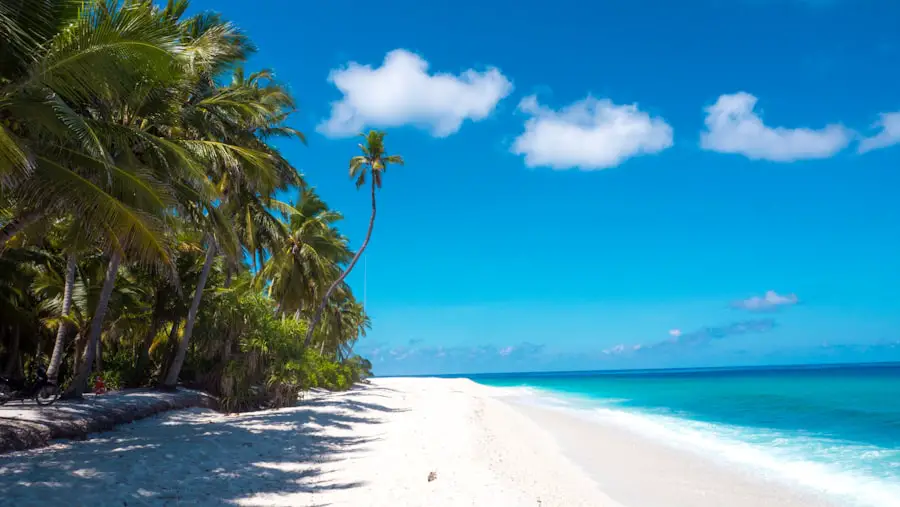
High season overlaps with the dry season, with the greatest demand usually occurring from June through September. July and August are especially popular because they combine drier weather with school holidays in Europe and North America.
Flights, overwater bungalows, popular guesthouses, inter-island connections, and small-group excursions may cost more or have limited availability. Travelers with fixed dates should reserve early, especially when combining Tahiti, Moorea, and Bora Bora.
Late December and early January can create a second period of high demand even though these months fall within the wet season. Travelers should not assume that every November–April date will carry low-season prices.
Pro Tip: If you want to visit during July, reserve flights and preferred accommodations as soon as your dates are firm. Small resorts, overwater bungalows, and event-night tickets can sell out well before larger standard hotel rooms.
July is also associated with Heiva i Tahiti, one of the territory’s most important cultural celebrations. The official 2026 listing recorded the event from July 2 through July 18 at Place To’ata in Papeete. The 2026 edition has now ended, and future dates should be confirmed through the official events calendar.
Low Season in French Polynesia
| Typical Dates | November through April, excluding periods of strong holiday demand |
| Crowds | Generally lighter at resorts, beaches, and major attractions |
| Prices | Often lower, although Christmas and New Year rates may rise sharply |
| Weather | Hotter, more humid, and wetter, with a greater chance of disrupted outdoor plans |
| Best For | Flexible travelers, lush scenery, waterfalls, quieter resorts, and value-focused trips |
The low season usually falls from November through April. Some travelers avoid these months because of higher humidity and more frequent rain, but the season can still offer good value and long periods of sunshine.
Hotels and guesthouses may offer lower rates outside holiday weeks. Beaches and attractions are also less crowded, and the additional rain makes valleys, gardens, and waterfalls especially green.
The tradeoff is greater uncertainty. Heavy rain can affect visibility, trail safety, boat departures, and domestic flights. Travelers should leave room in the itinerary to move weather-dependent activities to another day.
Warning: The official cyclone season runs from November through April. Risk varies by year and archipelago, but travelers should monitor French Polynesia’s official cyclone alerts and use flexible flight, hotel, and excursion policies.
Low season works best for travelers who can accept changing plans. It is less suitable for a short trip built around one nonrefundable lagoon tour, a demanding hike, or a tightly scheduled series of inter-island flights.
Best Time for Water Activities in French Polynesia
Warm ocean temperatures allow swimming and many water activities throughout the year. However, visibility, currents, wind, swell, and rainfall change by season and island.
Best Time for Snorkeling and Diving
May through October generally provides comfortable conditions for lagoon excursions in the Society Islands. Tahiti Tourisme reports that dry-season diving visibility can reach about 30 to 40 meters in favorable conditions, although actual visibility varies by site, tide, weather, and current.
The Tuamotu atolls, including Rangiroa and Fakarava, are often favored from April through November. Divers should choose sites and operators based on experience level because pass dives may involve strong currents.
Moorea and Bora Bora offer lagoon areas known for rays, reef sharks, turtles, and tropical fish. Choose a responsible operator that follows wildlife rules and does not pressure guests to touch or chase marine animals.
Best Time for Whale Watching
Humpback whales generally arrive in French Polynesian waters from July through November to reproduce and care for their calves. August through October is usually the strongest planning period around Tahiti and Moorea, while Rurutu in the Austral Islands is another well-known seasonal destination.
Book with an authorized guide and follow all required approach distances and instructions. Even during peak months, tours cannot guarantee a sighting because the animals move freely.
Best Time for Surfing
Surf conditions cannot be summarized with one destination-wide season. Swell direction and reef orientation matter more than whether the weather is classified as wet or dry.
According to the official Tahiti Tourisme surfing guide, north-facing locations such as Papenoo often receive their best conditions from November through March. Southern locations follow southern swell patterns, and some breaks such as Taharuu can work throughout the year.
Teahupo’o is famous for its powerful reef break, but it is extremely dangerous and reserved for highly experienced surfers. Beginners should use a qualified local instructor and choose protected breaks suited to their ability.
Best Time for Paddleboarding, Kayaking, and Sailing
May through October is usually the easiest period for calm lagoon activities, particularly during the morning before afternoon winds strengthen. Conditions can still change quickly, so follow local forecasts and tour-operator instructions.
Best Time for Cultural Festivals in French Polynesia
Heiva i Tahiti: A Signature July Celebration
Heiva i Tahiti was created in 1881 and remains one of the most important annual celebrations on the territory’s cultural calendar. It brings together dance groups, singers, athletes, artisans, and communities from across French Polynesia.
The official 2026 event ran from July 2 through July 18 at Place To’ata in Papeete. Dates, ticket sales, performance schedules, sports competitions, and craft events change each year, so future visitors should consult the official Tahiti Tourisme calendar before booking.
What Visitors Can Expect
Heiva events may include group dance and singing competitions, traditional sports, va’a racing, stone lifting, fruit carrying, craft exhibitions, and food stalls. Some performances require tickets, while related markets or community events may be free.
Visitors should arrive early, follow photography rules, and treat the event as a living cultural celebration rather than only a tourist show. Learning about the meaning of the chants, costumes, instruments, and choreography makes the experience more rewarding.
Other Events to Consider
The annual calendar may also include Miss Tahiti, the Tahiti Moorea Sailing Rendez-Vous, local island Heiva celebrations, arts festivals, and va’a competitions. Their dates are not fixed to the same week every year.
For travelers visiting later in 2026, Hawaiki Nui Va’a is scheduled for October 28 through October 30, 2026. The three-day outrigger canoe race travels through the Society Islands from Huahine toward Raiatea, Taha’a, and Bora Bora.
Tips for Traveling to French Polynesia
Check Entry Requirements Before Departure
U.S. citizens traveling as tourists do not need a visa for stays of less than 90 days within a six-month period. Current U.S. State Department guidance calls for a regular passport valid for six months, at least one blank page, and a return ticket.
Requirements depend on nationality, trip purpose, transit route, and length of stay. Recheck the rules shortly before departure, particularly if you will transit another country or enter French Polynesia by sea. The existing guide to travel documents for minors may also help families prepare supporting paperwork.
Review Current Health Guidance
Consult the CDC French Polynesia traveler page before departure for current health notices, vaccine guidance, mosquito-bite prevention, medication advice, and destination-specific packing recommendations.
Travelers with medical conditions or prescription medicines should prepare enough medication for the full trip and confirm that restricted medicines can be brought into the territory.
Pack for Sun, Rain, and Wind
- Lightweight, breathable clothing for warm days
- A light sweater or jacket for dry-season evenings, boat rides, and higher elevations
- A compact rain jacket and dry bag, especially from November through April
- Water shoes for rocky shorelines and lagoon entries
- Insect repellent and long, loose clothing for mosquito protection
- A hat, sunglasses, and broad-spectrum, water-resistant SPF 30 or higher sunscreen
The FDA recommends combining sunscreen with shade, protective clothing, and other sun-safety measures. Reapply according to the product instructions, especially after swimming or sweating.
Build Flexibility Into an Island-Hopping Trip
Domestic aircraft and boats serving smaller islands have limited capacity. Weather can also disrupt connections, particularly during the wet season. Avoid placing an important international departure immediately after a weather-sensitive boat trip or a separate domestic booking.
Travel insurance and flexible cancellation terms can be especially useful from November through April. Read the policy carefully because standard coverage may exclude foreseeable storms, named cyclones, or changes made only because of concern about the weather.
Choosing the Best Time to Visit French Polynesia
For the most dependable Society Islands weather, plan a trip between May and October. May and June are strong choices for comfortable conditions before the busiest July and August weeks. September and October combine dry-season advantages with excellent whale-watching potential.
Choose July when Heiva events are a priority and higher prices or larger crowds are acceptable. Choose November through April when lower rates, lush landscapes, and a quieter atmosphere matter more than dependable weather.
Travelers focused on a specific archipelago should look beyond the broad Society Islands seasons. The Tuamotu atolls, Marquesas, Austral Islands, and Gambier Islands each have their own ideal windows. The best trip comes from matching the month not only to the weather, but also to the islands and activities you plan to experience.
Frequently Asked Questions
What is the best time to travel to French Polynesia?
May through October is generally the best period for Tahiti, Moorea, Bora Bora, and the other Society Islands. The weather is usually drier, less humid, and more comfortable for beaches, hiking, sightseeing, and lagoon excursions.
What is the weather like during the dry season?
Dry-season days are normally warm with lower humidity and cooling trade winds. Typical destination-wide maximum temperatures are about 29°C to 31°C (84°F to 88°F), while evenings can feel cooler on boats, in the mountains, and during windy weather.
When is Heiva i Tahiti?
Heiva i Tahiti is normally held in July. The 2026 edition ran from July 2 through July 18 at Place To’ata in Papeete. Future dates and performance schedules should be confirmed through the official Tahiti Tourisme events calendar.
What are the peak tourist seasons?
Demand is generally strongest from June through September, especially in July and August. Late December and early January may also be expensive because of holiday travel, even though they fall within the wetter season.
When is the cheapest time to visit French Polynesia?
Lower hotel prices are most common during the wetter November–April period outside Christmas and New Year. January through March may offer strong value, but travelers must accept higher humidity, heavier rain, and more weather-related disruption.
When is the best time for whale watching?
Whales are generally present from July through November, with August through October offering the most dependable planning window. Moorea, Tahiti, and Rurutu are popular bases, but sightings cannot be guaranteed.
Are April and November good months to visit?
They can be good transition months for flexible travelers. April often improves as the wet season ends, while November becomes warmer and wetter but may still offer whale sightings. Conditions are less dependable than in the middle of the dry season.
Is the best time the same for every archipelago?
No. May through October is most useful for planning the Society Islands. The Tuamotu atolls are often favored from April through November, the Marquesas from September through December, the Austral Islands from July through October, and the Gambier Islands from March through October.
What should travelers consider during high season?
Expect higher prices and limited availability for popular flights, overwater bungalows, guesthouses, and small-group tours. Book early, leave enough time between separate flight reservations, and confirm festival tickets before finalizing a July itinerary.
Sources
- Tahiti Tourisme — When to Visit The Islands of Tahiti — official seasonal, temperature, activity, and archipelago guidance
- Tahiti Tourisme — Heiva i Tahiti 2026 — official 2026 event dates, location, and activities
- Tahiti Tourisme — Surfing Guide — surf seasons, break orientation, beginner safety, and local conditions
- U.S. Department of State — French Polynesia Travel Information — passport, visa, return-ticket, safety, and entry guidance for U.S. travelers
- High Commission of the Republic in French Polynesia — Cyclone Alerts — official cyclone-season period and alert information
- CDC — French Polynesia Traveler View — current travel-health notices, vaccine guidance, and health preparation
