Last Updated on July 27, 2026 by Daniel Globe
The best hiking gear is not necessarily the biggest, heaviest, or most expensive setup. A safe kit matches the trail, weather, trip length, terrain, and distance from help. For most hikes, start with comfortable footwear, a properly fitted pack, weather-ready layers, navigation, water, food, first aid, sun protection, a light source, basic repair gear, and emergency shelter.
Quick Answer
A practical hiking gear checklist should cover the Ten Essentials: navigation, sun protection, extra clothing, illumination, first aid, fire, repair tools, food, water, and emergency shelter. Add comfortable footwear and a properly fitted backpack, then adjust everything for the trail, weather, season, trip length, and availability of help.
Key Takeaways
- Choose hiking footwear for the terrain and fit of your feet rather than assuming everyone needs heavy boots.
- Carry a backpack large enough for water, food, layers, navigation, first aid, emergency gear, and any overnight equipment.
- Dress in moisture-managing layers so you can adjust as temperature, wind, rain, and exertion change.
- Carry reliable navigation and know how to use it before leaving the trailhead.
- Treat water from lakes, rivers, and streams unless an authority specifically identifies it as potable.
- Pack food, sun protection, a first-aid kit, illumination, repair tools, and emergency shelter even when a hike appears straightforward.
- Check trail conditions and weather, share your trip plan with someone you trust, and adjust the checklist for the specific route.
Disclosure: As an Amazon Associate I earn from qualifying purchases. Some links on this page are affiliate links, at no extra cost to you.
Footwear
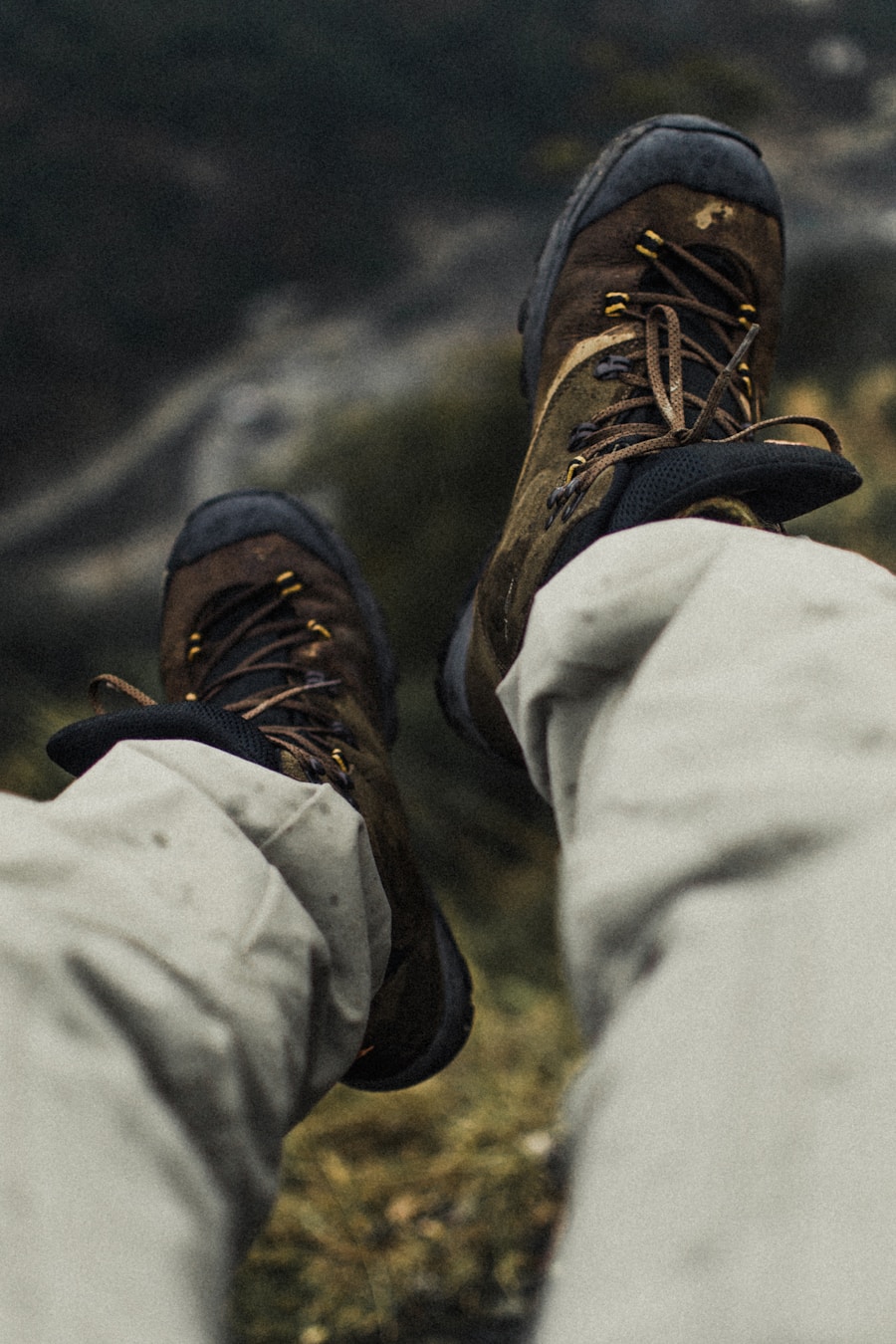
Footwear is one of the most important pieces of hiking equipment because poor fit can quickly turn a pleasant trip into an uncomfortable one. Choose shoes or boots based on the terrain, weather, pack weight, and your own feet.
On rocky, loose, or rough trails, sturdy hiking shoes or boots with durable rubber outsoles can provide useful traction and protection. Higher-cut boots can add coverage and support, while lower hiking shoes and trail-running shoes are lighter and often feel more agile on maintained trails. The National Park Service hiking-safety guidance recommends choosing sturdy footwear appropriate for the route rather than relying on sandals, flip-flops, or other footwear that offers little trail protection.
Waterproof footwear can be useful in sustained rain, mud, wet vegetation, or shallow snow, but it is not mandatory for every hike. In warm, dry conditions, breathable footwear may be more comfortable. Brands such as Merrell and Salomon make hiking boots, hiking shoes, and trail-running options, but fit should matter more than the logo on the shoe.
Your toes should have room to move without sliding excessively inside the shoe, and your heel should stay reasonably secure. Wear the same type of socks you plan to hike in when testing footwear. Wool or synthetic hiking socks usually manage moisture better than slow-drying cotton and can help reduce friction.
Pro Tip: Do not make a long or remote hike the first serious outing for stiff new boots. Wear them on shorter walks first and address any rubbing or hot spots before they develop into blisters.
Backpack
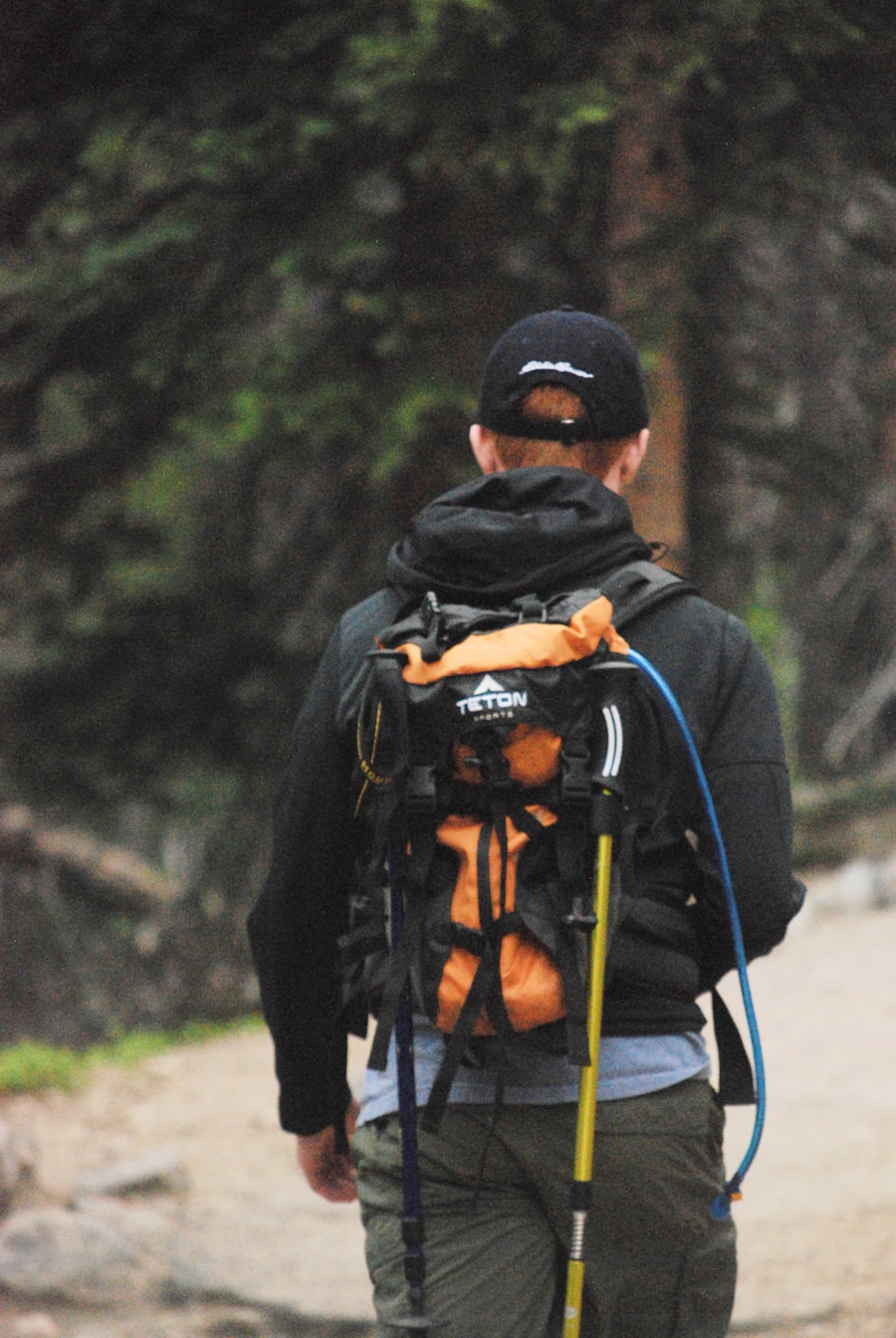
A well-designed backpack carries your supplies while keeping the load stable and comfortable. Pack size should be based on the gear you actually need rather than choosing the biggest bag available.
Small daypacks in roughly the 15- to 30-liter range work for many day hikes. Longer outings, cold-weather hikes, or trips requiring more water may need more room. Overnight and multi-day hikers often need larger packs for shelter, sleeping gear, food, cooking equipment, and extra clothing. Current Deuter pack-sizing guidance, for example, places many hiking packs around 14 to 32 liters for day and weekend use, with larger capacities needed as gear requirements increase.
Brands such as Osprey and Deuter offer packs in a wide range of capacities and torso fits. More important than the brand is how the pack sits on your body. Adjustable shoulder straps, a correctly positioned hip belt, and a suitable torso length can make a substantial difference once the bag is loaded.
Useful backpack features include accessible water-bottle pockets, hydration-reservoir compatibility, compression straps, attachment points, and compartments that help separate first aid, rain gear, food, and emergency supplies. Ventilated back panels can also improve comfort in warm conditions.
Note: A two-hour day hike and a three-day backpacking trip require very different loads. Choose capacity only after deciding what must be carried for the actual route and conditions.
Clothing
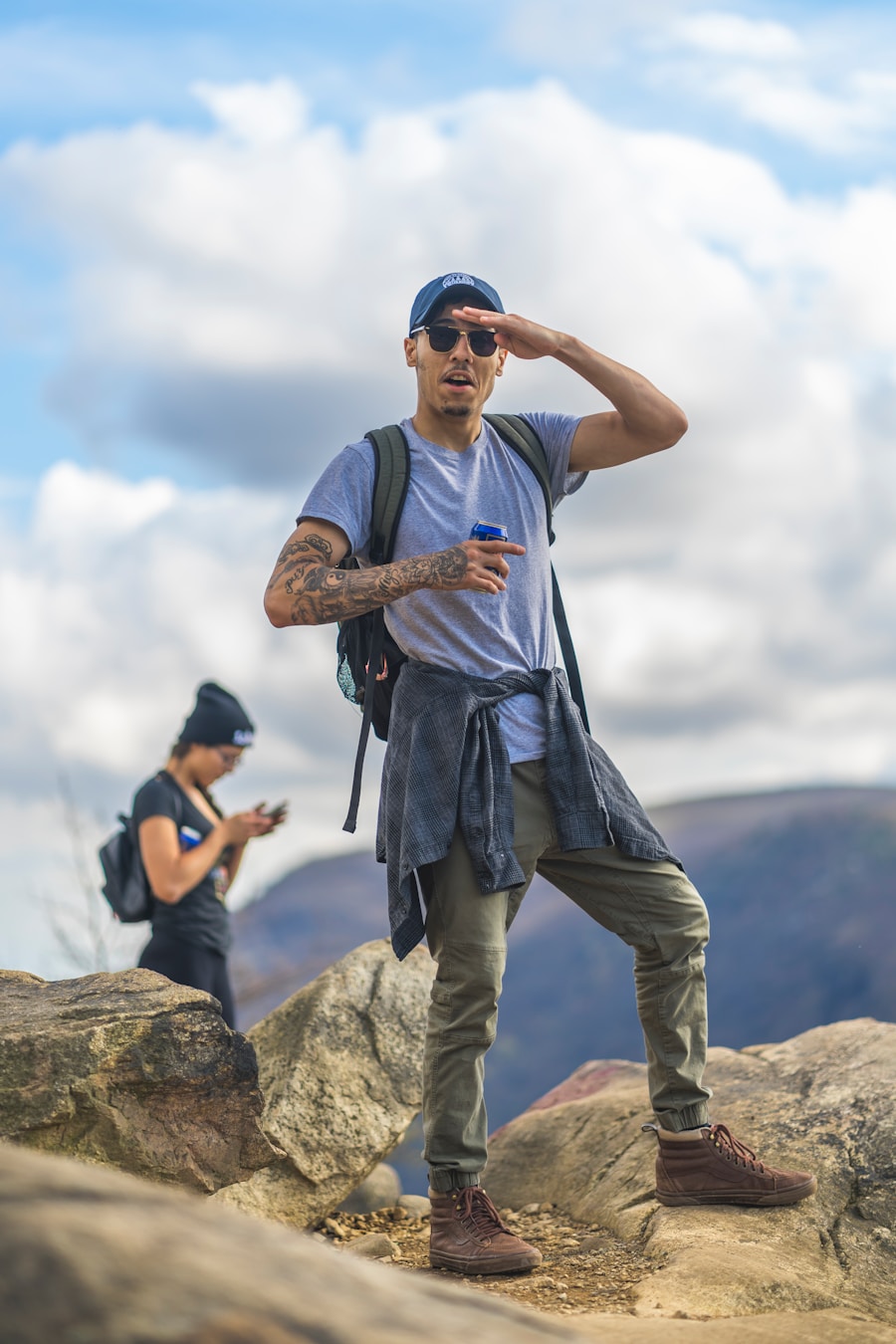
Hiking clothing should help manage sweat, temperature changes, wind, rain, and sun exposure. Layering works well because you can add or remove clothing as conditions change.
Base layer
The layer against your skin should move moisture away from the body and dry reasonably quickly. Merino wool and synthetic fabrics are common choices. Cotton can remain wet for a long time, which can become uncomfortable when temperatures drop.
Insulating layer
A fleece, synthetic-insulated jacket, or down layer can add warmth. The amount of insulation should match the forecast and the coldest conditions you could realistically encounter rather than just the temperature at the trailhead.
Outer layer
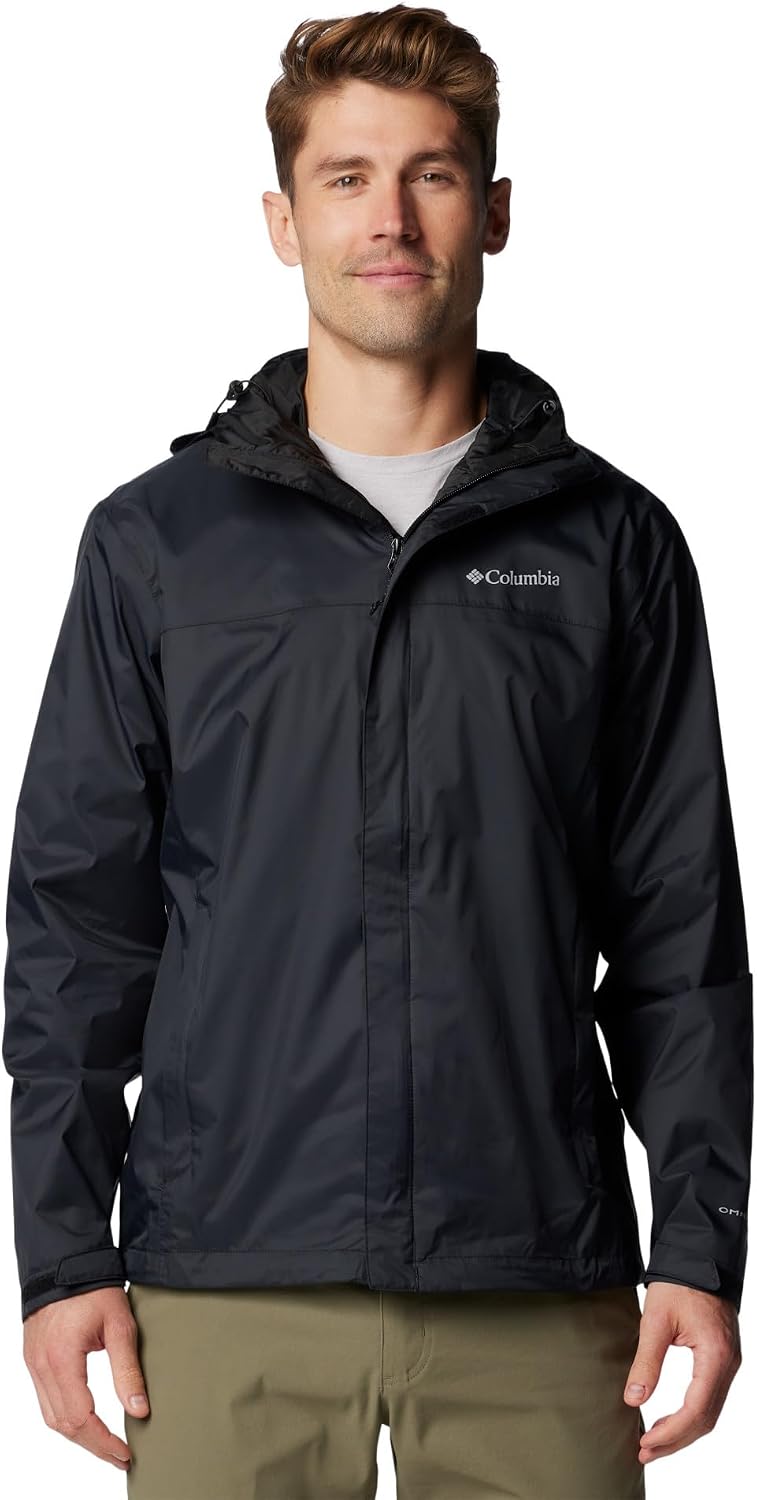
A rain shell or wind-resistant jacket protects against changing weather. For wet climates, a waterproof shell with ventilation features can help reduce rain exposure without trapping as much heat during exertion.
Hiking pants should allow easy movement and resist abrasion. Convertible pants that zip into shorts can be convenient in variable temperatures, although standard lightweight hiking pants work just as well for many people.
Also consider a hat, gloves, neck gaiter, spare socks, and other accessories based on the season. Conditions at higher elevations or exposed ridges can be much colder and windier than the parking area.
Navigation tools
Navigation equipment is vital when trails are poorly marked, visibility drops, routes intersect, or electronic devices fail. Smartphone navigation can be useful, but hikers should not assume cellular service will be available throughout the route.
| Navigation Tool | Best Use | Key Limitation |
|---|---|---|
| Topographic or trail map | Seeing the whole route, terrain, junctions, water sources, and alternate routes | Requires map-reading skills and must be kept protected from damage |
| Compass | Orienting a map and determining direction without batteries | Useful only when the hiker knows how to use it |
| GPS device or offline phone map | Checking position, recording tracks, following routes, and marking waypoints | Depends on battery power and can be damaged or lost |
The National Park Service Ten Essentials specifically identifies a map, compass, and GPS system as navigation tools and recommends learning how to use them before heading out.
If you use a smartphone, download the route for offline use before leaving home and begin with a fully charged battery. A small power bank can be useful on longer trips, but carrying extra power does not replace knowing the route.
Water and hydration
Carry enough water for the expected distance, temperature, elevation gain, exposure, and your personal needs. A commonly used starting point for moderate hiking is about 1 liter for every two hours, but hot weather, high altitude, strenuous climbing, or long stretches without water may require more.
The National Park Service lists at least 1 liter of water per two hours of hiking as a practical starting point for hikers in Great Smoky Mountains National Park, while emphasizing that trip conditions can change how much you need.
Water bottles are simple and easy to monitor, while hydration reservoirs such as CamelBak-style bladders allow frequent drinking without removing your pack. Whichever system you choose, verify that it does not leak before starting the hike.
Treat natural water before drinking it
Do not assume a clear stream, spring, river, or lake is safe to drink. According to the CDC’s current backcountry water-treatment guidance, boiling is the most reliable method for killing disease-causing germs. If boiling is not practical, filtering and then disinfecting the filtered water is generally the next-best option.
Portable treatment products differ. Some filters, including compact products from brands such as Sawyer, are designed to remove certain bacteria and parasites, but many backpacking filters do not remove viruses. Chemical disinfectants can kill many bacteria and viruses but may be less effective against some parasites. Always follow the specific filter or treatment manufacturer’s instructions and contact time.
Warning: Never assume that a filter or purification tablet removes every possible contaminant. Water containing harmful chemicals, toxins, or radioactive contamination cannot be made safe simply by boiling, filtering, or adding ordinary disinfectant tablets.
Food and extra nutrition
Food is part of the Ten Essentials because even a day hike can last longer than expected. Pack food that is easy to eat, does not require complicated preparation, and provides enough energy for the planned effort.
Common trail foods include sandwiches, dried fruit, nuts, nut or seed butter, trail mix, energy bars, jerky, crackers, and other compact foods that tolerate being carried in a pack. Choose foods that suit your dietary needs and expected temperatures.
For long or remote hikes, bring additional food in case the trip is delayed. The National Park Service advises hikers to consider extra food that does not need cooking when preparing for unexpected delays.
Store food appropriately in areas where wildlife regulations require bear-resistant containers, food lockers, or other approved storage methods. Requirements differ by location, so check the rules for the trail or park before leaving.
Sun protection
Sun protection belongs in a hiking kit even when the temperature is cool. Exposure can be significant on open ridges, at elevation, near water, and in snow-covered terrain.
Use a combination of protective clothing, sunglasses with UV protection, a brimmed hat, and sunscreen on uncovered skin. The American Academy of Dermatology recommends broad-spectrum, water-resistant sunscreen with SPF 30 or higher and reapplication about every two hours, as well as after swimming or heavy sweating.
Do not forget commonly missed areas such as the ears, back of the neck, exposed scalp, hands, and tops of the feet.
First aid kit
A first-aid kit is an essential part of a hiking gear checklist because cuts, blisters, sprains, insect bites, and other problems can occur far from immediate help.
A basic kit may include:
- Adhesive bandages in several sizes
- Sterile gauze pads
- Medical or adhesive tape
- Antiseptic wipes
- Blister treatment or moleskin
- Tweezers
- Small scissors
- Disposable gloves
- Any personal medications you may need
- Pain relievers such as acetaminophen or ibuprofen when medically appropriate for the person using them
Customize the kit for the size of your group, trip length, allergies, medical needs, and distance from emergency services. Check expiration dates periodically and replace used or damaged items.
Basic wilderness first-aid training can be more valuable than simply carrying more supplies because equipment is useful only when you understand when and how to use it.
Warning: A first-aid kit is not a substitute for emergency medical care. Serious bleeding, severe allergic reactions, major fractures, confusion, loss of consciousness, breathing difficulty, or signs of severe heat or cold illness require prompt emergency action.
Shelter and sleeping gear
If your trip includes an overnight stay, shelter and sleeping equipment become major parts of your load. Lightweight backpacking tents are designed to balance weather protection, packed size, and durability.
Choose a tent suited to the season and expected weather. Waterproof materials and adequate ventilation help keep occupants protected while reducing condensation. Practice pitching a new tent before relying on it in the backcountry.
A sleeping bag should be appropriate for the temperatures you expect to encounter. Down insulation provides excellent warmth for its weight but must be protected from moisture, while synthetic insulation generally tolerates damp conditions better.
A sleeping pad adds comfort but also reduces heat loss to the ground. Its insulating value becomes increasingly important in cold weather.
Even on a day hike, carrying a lightweight emergency shelter such as a bivy sack, tarp, or emergency blanket can provide protection if injury, weather, or navigation problems unexpectedly keep you outside after dark.
Trip planning, weather, and communication
Good gear cannot compensate for poor planning. Before leaving, check the route distance, elevation gain, trail difficulty, expected hiking time, access restrictions, water availability, current closures, and weather.
The National Park Service Trip Planning Guide recommends leaving a trip plan with a trusted person who is not joining the hike. Include your route, trailhead, group members, vehicle information when useful, expected return time, and what the trusted person should do if you do not check in.
Set a reasonable turnaround time before the hike. Turning back because of slow progress, worsening weather, fatigue, trail damage, rising water, or another hazard is a good safety decision, not a failed hike.
Watch for thunderstorms
Check the forecast before leaving and continue watching changing conditions. The National Weather Service warns that there is no safe place outdoors when thunderstorms are nearby.
Warning: If thunder is audible, move toward a substantial enclosed building or a hard-topped vehicle when one is accessible. Do not shelter beneath an isolated tree, and get off exposed summits and ridgelines before a storm arrives whenever possible.
Safety and emergency equipment
Emergency equipment provides options when a straightforward hike turns into an unexpected delay, injury, navigation problem, or night outside.
Illumination
Carry a headlamp or flashlight even if you expect to return before dark. A headlamp keeps both hands free, making it especially useful for hiking, first aid, and setting up shelter. Bring spare batteries when the device uses replaceable cells.
Whistle and signaling
A whistle is lightweight and can help attract attention if you become lost or injured. Keep it somewhere you can reach easily rather than buried at the bottom of your pack.
Repair tools
A small knife or multi-tool can help with gear repairs and food preparation. Brands such as Leatherman make compact multi-tools, but a simple tool that covers the needs of your trip is usually sufficient. A small amount of repair tape can also be useful for torn fabric or damaged gear.
Fire supplies
Waterproof matches, a lighter, and compact fire starter are traditionally included in the Ten Essentials. Fire can provide warmth and an emergency signal in appropriate circumstances.
Note: Check current fire restrictions before your trip. Open fires may be prohibited because of wildfire danger, location, season, or land-management rules. Do not make an open fire your only emergency-warmth plan.
Emergency shelter
A lightweight emergency bivy, tarp, or space blanket can reduce exposure if you unexpectedly spend extra time outside. This is valuable even for day hikers because injuries, route-finding problems, and weather can delay a return.
Communication in remote areas
A phone is useful where service exists, but many backcountry locations have little or no cellular coverage. For remote routes, hikers may choose a satellite messenger or personal locator beacon as an additional communication tool. Learn how the device works, charge it before departure, and understand that it supplements rather than replaces a trip plan and navigation skills.
If your hiking trip is part of a larger vacation, seasonal conditions and family transportation requirements may also affect your planning. You can review this seasonal guide to the best time to travel to Puerto Rico, the guide to the US Virgin Islands, and information about traveling with a car seat when those topics apply to your trip.
Frequently Asked Questions
What should men wear for hiking?
Men can use the same basic layering system recommended for any hiker: a moisture-managing shirt or base layer, comfortable hiking pants or shorts suited to the trail, an insulating layer when needed, and a rain or wind shell. Add hiking footwear, wool or synthetic socks, sun protection, and seasonal accessories such as gloves or a warm hat.
What materials are best for hiking clothing?
Merino wool, polyester, nylon, and other quick-drying synthetic blends work well for many hiking layers because they manage moisture and dry faster than ordinary cotton. The best fabric depends on temperature, rain, wind, durability needs, and personal comfort.
Should men wear sunscreen while hiking?
Yes. Sun protection is useful for hikers of every gender. The American Academy of Dermatology recommends a broad-spectrum, water-resistant sunscreen with SPF 30 or higher on exposed skin and reapplication about every two hours, as well as after swimming or heavy sweating. Protective clothing, sunglasses, and a brimmed hat add additional protection.
What type of footwear is best for hiking?
The best hiking footwear fits your feet and matches the terrain. Hiking boots can provide additional protection and support on rough, loose, or wet trails, while hiking shoes and trail-running shoes may be comfortable choices on maintained trails. Prioritize fit, traction, toe room, and comfort rather than assuming one style is best for everyone.
Are hats and sunglasses necessary for hiking?
They are strongly recommended when sun exposure is possible. A brimmed hat helps shade the face and neck, while sunglasses with UV protection reduce ultraviolet exposure to the eyes. They are especially useful on exposed terrain, at elevation, near water, and around snow.
What are the Ten Essentials for hiking?
The National Park Service organizes the Ten Essentials into navigation, sun protection, insulation, illumination, first-aid supplies, fire, repair kit and tools, food, hydration, and emergency shelter. The exact items within each category should be adjusted for the route, weather, trip length, and distance from help.
How much water should I bring on a hike?
About 1 liter for every two hours of moderate hiking can be a useful starting estimate, but it is not a universal rule. Heat, humidity, altitude, pace, body size, route exposure, and access to reliable water can substantially change your needs. Carry more when conditions or the route demand it.
Is a smartphone enough for hiking navigation?
A smartphone with an offline trail map can be extremely useful, but it should not be your only plan on remote or difficult routes. Batteries can die, screens can break, and phones can be lost. Carry navigation appropriate for the route and know how to use it before you leave.
Sources
- U.S. National Park Service — Ten Essentials — navigation, sun protection, first aid, food, water, emergency shelter, illumination, fire, and repair equipment.
- U.S. National Park Service — Trip Planning Guide — route preparation, trusted contacts, and emergency planning.
- Centers for Disease Control and Prevention — Backcountry Water Treatment — boiling, filtration, disinfection, and treatment limitations.
- American Academy of Dermatology — How to Apply Sunscreen — SPF, broad-spectrum protection, and reapplication guidance.
- National Weather Service — Lightning Safety — thunderstorm and outdoor lightning precautions.
- Deuter — Backpack Sizes and Fits — current manufacturer guidance on hiking-pack capacities and fit.