
Last Updated on July 28, 2026 by Daniel Globe
The United States Virgin Islands offers three distinct Caribbean experiences in one U.S. territory: St. Thomas for shopping, nightlife, and a busy cruise port; St. John for national-park beaches and trails; and St. Croix for historic towns, diving, and cultural festivals. The best month for your trip depends on whether you value dry weather, lower prices, smaller crowds, or a particular island celebration.
Quick Answer
The best time to visit the U.S. Virgin Islands is April through May. These months are normally warm and mostly dry, with fewer visitors and better rates than winter. March offers drier conditions, while June can provide good value but falls inside Atlantic hurricane season, which begins June 1.
Key Takeaways
- Best overall: April and May combine mostly dry weather with lighter crowds and better availability than winter.
- Best weather: December through March is generally dry and breezy, but it is also the busiest and most expensive period.
- Best deals: June through November is the low season, with the deepest discounts often appearing in September and October.
- Highest storm risk: Atlantic hurricane season runs June 1 through November 30, with most activity from mid-August through mid-October.
- Best for festivals: Visit St. Thomas in late April or early May, St. John in June and early July, or St. Croix from late December into early January.
- Travel documents: U.S. citizens do not need a passport when arriving directly from the mainland or Puerto Rico, but a passport is still the simplest document to carry.
Disclosure: As an Amazon Associate I earn from qualifying purchases. Some links on this page are affiliate links, at no extra cost to you.
Peak Season: December to March
December through March brings the territory’s driest and mildest weather. According to the official Visit USVI seasonal weather guide, winter temperatures typically reach highs around 85°F and lows around 74°F. Lower humidity and steady trade winds make this a comfortable time for beaches, sailing, hiking, and outdoor sightseeing.
The tradeoff is cost and crowd size. Hotels, vacation rentals, tours, rental cars, and popular restaurants can book well ahead, especially over Christmas, New Year’s, Presidents Day weekend, and spring-break travel dates. St. Thomas is particularly active when several cruise ships are in port, while St. John’s limited lodging supply can make desirable rooms expensive.
This is a strong period for snorkeling and hiking because rainfall is generally lower. Conditions still vary by beach, wind direction, and daily marine forecasts, so swimmers should never assume that every bay will be calm.
Pro Tip: For a winter trip, reserve lodging and a rental car several months ahead. On St. Thomas, checking the cruise-ship schedule can also help you plan major attractions for quieter times of day.
Shoulder Season: April to May

April and May offer the strongest balance of weather, value, and manageable crowds. Typical spring conditions remain mostly dry, with highs near 86°F and lows around 76°F. Winter visitors begin to leave, but the wetter and more humid part of the year has not fully settled in.
This is an excellent window for hiking in Virgin Islands National Park on St. John, snorkeling from protected beaches, or taking a boat trip to Buck Island Reef National Monument off St. Croix. April and May can also bring better room availability than the winter peak, although rates vary by island, property, and event dates.
Late April and early May are not quiet on St. Thomas when its largest annual celebration is underway. St. Thomas Carnival features parades, pageants, J’ouvert, music, food, and Carnival Village events in Charlotte Amalie. Dates change each year, so check the official calendar before booking.
Pro Tip: Reserve St. Thomas lodging early when Carnival dates overlap your trip. Shoulder-season prices do not necessarily apply to rooms near major festival events.
Low Season: June to November
Low Season at a Glance
| Weather | Hotter and more humid, with scattered showers and a wetter pattern in early fall |
| Crowds | Generally lighter, except around major festivals and holiday weekends |
| Typical Value | Better hotel availability and some of the year’s lowest promotional rates |
| Storm Risk | Hurricane season runs June 1–November 30; climatological activity is highest from mid-August to mid-October |
June to August
Summer brings hotter days, warmer nights, higher humidity, and scattered tropical showers. Typical highs can reach about 90°F, with lows near 80°F. June marks the beginning of both the low season and the official Atlantic hurricane season, although tropical activity is normally more concentrated later in the year.
June and July may suit travelers who want warm water, fewer winter visitors, and lower room rates. St. John becomes busier around its annual Celebration, while other areas may remain comparatively quiet.
September to October
September and October are normally the wettest and quietest months. They can bring the lowest accommodation prices, uncrowded beaches, and easy restaurant reservations, but they also overlap the most active part of the Atlantic hurricane season.
Some rain arrives as short showers, but tropical systems can produce prolonged disruption, rough seas, flight changes, ferry cancellations, and temporary business closures. A direct hurricane impact is never guaranteed, yet travelers should plan around the consequences rather than focus only on the odds of landfall.
Warning: The Atlantic hurricane season runs June 1 through November 30 and climatologically peaks around September 10. Before buying a low-season trip, review named-storm exclusions, purchase deadlines, cancellation benefits, and the refund policies for every hotel, flight, ferry, and tour.
November
November is a transition month. It remains within hurricane season through November 30, but the weather often begins moving toward the drier winter pattern. Late November can be a useful compromise for travelers who want improving conditions before peak winter prices fully take hold.
Month-by-Month Planning Guide
January and February
Choose January or February for some of the driest, breeziest weather. Expect high demand, limited last-minute lodging, and premium winter rates.
March
March remains mostly dry and is excellent for beaches, hiking, and sailing. Spring-break dates can keep flights and family-friendly accommodations busy.
April and May
These are the best overall months for most visitors. Weather remains favorable, winter crowds thin out, and more lodging choices may be available. Check St. Thomas Carnival dates before assuming every week will be quiet.
June
June offers warm water and low-season value, but it is not outside hurricane season. Flexible reservations make it a better choice for travelers comfortable with some weather uncertainty.
July and August
Expect hot, humid weather and periodic showers. Early July is festive on St. John, while August generally brings lighter visitor numbers and increasing tropical-weather awareness.
September and October
These are usually the quietest, wettest, and highest-risk months for tropical disruption. They work best for flexible travelers who prioritize low prices and can change plans if necessary.
November and December
November gradually shifts toward drier conditions. December begins the peak winter period, with rising demand around Christmas and New Year’s.
Best Time to Visit by Travel Priority
Best Overall Weather and Value
April and May offer the best combination of mostly dry weather, warm temperatures, lighter crowds, and better availability than winter.
Best for the Driest Conditions
January through March is the safest seasonal choice for travelers who place reliable dry weather above price and crowd size.
Cheapest Time to Visit
September and October often bring the lowest promotional rates and smallest crowds. The savings come with higher rainfall and tropical-storm risk, so flexible plans are essential.
Best for Snorkeling and Diving
Late winter through spring generally provides a favorable mix of lower rainfall and comfortable weather. However, visibility, currents, wind, and waves can change daily. Follow local operator advice and National Park Service guidance rather than choosing a site from the calendar alone.
Best for Hiking
January through May usually offers lower humidity and less frequent heavy rain. Start early, carry water, and use sun protection because exposed trails can become hot even during the dry season.
Best for Festivals
Choose late April or early May for St. Thomas Carnival, June through July 4 for the St. John Celebration, or late December through early January for the Crucian Christmas Festival on St. Croix.
Weather and Climate in the US Virgin Islands
The USVI has a warm tropical maritime climate. Official tourism guidance lists an average winter temperature around 77°F and an average summer temperature around 82°F. Seasonal daytime highs are commonly in the mid-80s during winter and spring and near 90°F during summer.
The driest pattern generally occurs from winter into spring. Rain chances and humidity rise during summer, while September through November is normally the wettest period. Rainfall can vary between islands and from one side of an island to another, so a territory-wide forecast may not describe conditions at every beach.
Trade winds help moderate the heat, but the Caribbean sun remains intense. Heat, dehydration, and sunburn are possible throughout the year, including on cloudy days.
April and May offer nearly winter-quality weather with fewer peak-season visitors, making them the strongest all-around value window for a USVI trip.
How Timing Differs by Island
St. Thomas
St. Thomas has the territory’s busiest airport, cruise port, shopping areas, and nightlife. Winter is lively and convenient but crowded. Late April and early May become busy around Carnival, even though the wider territory is entering shoulder season.
St. John
St. John has no commercial airport, so most visitors arrive by ferry from St. Thomas. Much of the island is protected by Virgin Islands National Park, making dry-season and spring weather appealing for trails, beaches, and snorkeling. Lodging is more limited than on St. Thomas or St. Croix, so festival and winter dates can sell out early.
St. Croix
St. Croix is larger and more spread out, making a rental car especially useful. It is a strong choice for history, diving, and trips to Buck Island Reef National Monument. The island’s Crucian Christmas Festival creates a lively peak around late December and early January.
Special Events and Festivals
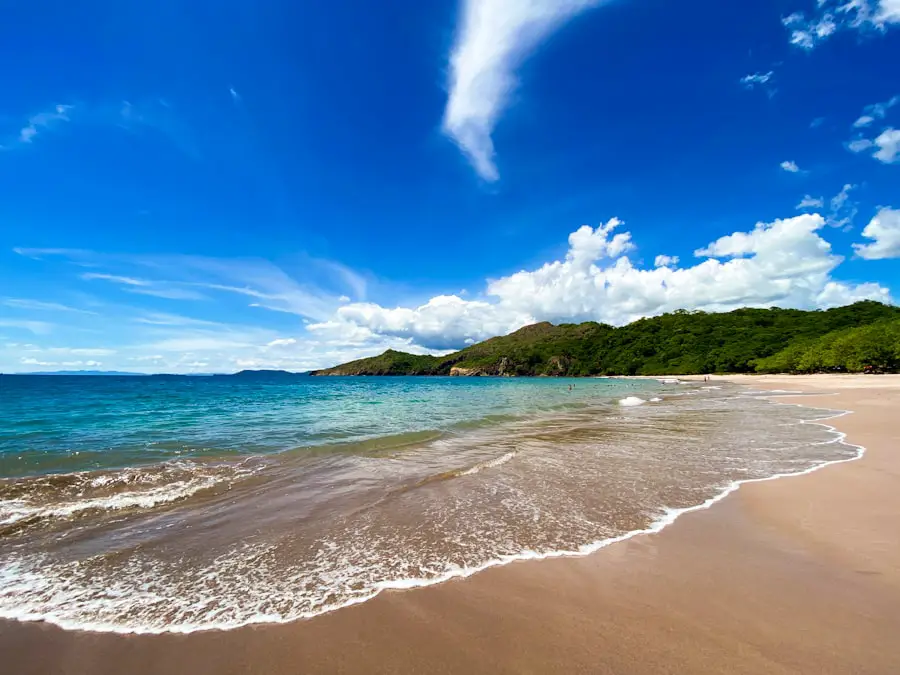
Each island holds a major celebration at a different time of year. Exact dates, venues, and schedules change, so confirm them through the official USVI festivals calendar.
- St. Thomas Carnival: Normally held in late April or early May, with J’ouvert, parades, pageants, music, a food fair, boat races, and Carnival Village events in Charlotte Amalie.
- St. John Celebration: A multiweek June and early July program tied to Emancipation Day and the Fourth of July, with food, music, J’ouvert, a parade, and fireworks over Cruz Bay.
- St. Croix Crucian Christmas Festival: Held from late December into early January, with Festival Village entertainment, local food, music, children’s and adults’ parades, and other cultural events.
Food fairs are an important part of the major island celebrations, offering a better-defined culinary experience than a single territory-wide “food festival.” Smaller music, art, food, and community events also occur throughout the year.
Tips for Traveling to the US Virgin Islands
Passports, Citizenship Documents, and REAL ID
U.S. citizens traveling directly from the U.S. mainland or Puerto Rico do not need a passport to visit the USVI. A passport is still the simplest document because it establishes both identity and citizenship.
Official USVI travel guidance says travelers who do not carry a passport should be prepared to show evidence of citizenship when departing, such as an acceptable birth certificate together with government-issued photo identification. Non-U.S. citizens should verify passport, visa, and immigration requirements with U.S. Customs and Border Protection before booking.
Note: For normal domestic airport screening, travelers age 18 or older should carry a REAL ID-compliant license or another document on the TSA accepted-identification list, such as a passport. REAL ID is an airport identification standard; it should not be confused with proof of U.S. citizenship.
Getting Between the Islands
Frequent passenger ferries and car barges connect St. Thomas and St. John. St. John has no airport, so most visitors fly into Cyril E. King Airport on St. Thomas and continue by taxi and ferry. Check the Virgin Islands Port Authority ferry information and the operator’s current schedule before traveling.
St. Croix is farther south and is not part of the same frequent public-ferry system. Most travelers move between St. Thomas and St. Croix by scheduled flight or seaplane. Leave extra time between separate ferry and flight reservations because weather or marine conditions can cause delays.
Renting a Car
A rental car provides the most flexibility for remote beaches, trailheads, historic sites, and restaurants outside the main towns. Roads can be narrow, steep, and sharply curved.
Warning: Drivers use the left side of the road in the U.S. Virgin Islands, although most rental vehicles have left-hand steering. Slow down at curves, watch for pedestrians, and do not assume another driver will yield.
What to Pack
Pack lightweight, breathable clothing, swimwear, a hat, sunglasses, comfortable walking shoes, insect repellent, and a reusable water bottle. A compact lightweight layer can be useful in heavily air-conditioned spaces or during breezy evening boat trips.
Only compliant mineral sunscreen should be used in the territory. Avoid products containing oxybenzone, octinoxate, or octocrylene; official USVI guidance recommends non-nano mineral sunscreen made with zinc oxide or titanium dioxide. Rash guards and other sun-protective clothing reduce the amount of sunscreen needed.
Travelers who prefer to bring their own grooming kit can also pack a compact travel razor rather than relying on limited hotel or convenience-store selections.
Booking During Hurricane Season
Choose refundable or changeable reservations where possible. Read the full travel-insurance policy before purchase because coverage may depend on when a storm is named, whether the airline cancels, whether the accommodation becomes uninhabitable, and whether the policy includes trip interruption or only trip cancellation.
During an active weather threat, follow the National Hurricane Center, local emergency officials, your airline, your hotel, and ferry operators. Do not rely on an old forecast screenshot or a general weather app alone.
Choosing the Best Time to Visit
For most travelers, April and May are the best months to visit the U.S. Virgin Islands. They offer warm, mostly dry weather without the highest winter prices and crowds. Choose January through March when weather reliability matters more than cost, or September and October when low prices matter more than storm risk.
Festival dates can change the usual crowd pattern. St. Thomas becomes busy around Carnival, St. John fills around its June–July Celebration, and St. Croix attracts holiday visitors for the Crucian Christmas Festival. Check annual dates before purchasing flights or assuming a shoulder-season week will be quiet.
With the right expectations, the islands can work in every season. The key is matching your month to your budget, preferred activities, tolerance for heat and rain, and ability to change plans if tropical weather develops.
Frequently Asked Questions
What is the best month to visit the U.S. Virgin Islands?
April is the best month for many travelers because it normally combines warm, mostly dry weather with fewer visitors than the winter peak. May offers similar value but can be slightly warmer and wetter.
When is the cheapest time to visit the U.S. Virgin Islands?
September and October often have the lowest hotel rates and smallest crowds. They are also among the wettest months and fall within the most active part of Atlantic hurricane season.
When is hurricane season in the U.S. Virgin Islands?
Atlantic hurricane season runs from June 1 through November 30. Tropical activity is possible throughout that period, but climatological activity is highest from mid-August through mid-October.
Is June a good time to visit the USVI?
June can be a good-value month with warm water and fewer winter visitors. However, humidity and showers increase, and hurricane season begins on June 1, so flexible reservations are recommended.
Do U.S. citizens need a passport for the U.S. Virgin Islands?
U.S. citizens traveling directly from the mainland or Puerto Rico do not need a passport, but a passport is the simplest document to carry. Travelers without one should verify what proof of citizenship and photo identification they need for departure.
Which US Virgin Island is best for a first visit?
St. Thomas is the easiest base for flights, shopping, nightlife, and ferry access to St. John. Choose St. John for national-park beaches and a quieter setting, or St. Croix for historic towns, diving, and a more spread-out island experience.
What activities are best during April and May?
April and May are well suited to snorkeling, diving, sailing, beach days, and hiking. St. Thomas Carnival may also fall within this period, so confirm festival dates and book early if you want to attend.
Sources
- Visit USVI — U.S. Virgin Islands Weather — seasonal temperatures, rainfall patterns, crowds, and value periods
- National Hurricane Center — Tropical Cyclone Climatology — Atlantic hurricane-season dates and climatological peak
- Transportation Security Administration — Acceptable Identification — current airport identification requirements
- Visit USVI — Travel Tips and Frequently Asked Questions — passports, citizenship documents, driving, currency, and sunscreen guidance
- Virgin Islands Port Authority — Ferry and Cargo Schedules — official St. Thomas and St. John ferry information
- Visit USVI — Carnivals and Festivals — official event timing and annual celebration listings

