Last Updated on July 28, 2026 by Daniel Globe
Nassau, the capital of The Bahamas, sits on New Providence and combines beaches, historic streets, museums, markets, restaurants, and easy access to the surrounding water. The city works as both a destination in its own right and a gateway for travelers exploring more of the Bahamian islands.
Its history is more nuanced than the familiar pirate stories suggest. According to The Bahamas’ official history, Nassau was established around 1670 as a commercial port and was later overrun by pirates during the late 1600s and early 1700s. Today, visitors can explore that history alongside places such as the National Art Gallery of The Bahamas, the Queen’s Staircase, Fort Fincastle, the Straw Market, and the Pirates of Nassau Museum.
The best time to visit depends on what matters most to you. Winter and early spring bring the most comfortable weather but also the strongest demand. Summer offers warmer water and a livelier local-event calendar, while fall can bring quieter hotels at the cost of greater tropical-weather uncertainty.
Quick Answer
The best time to visit Nassau is generally December through April, when conditions are cooler, less muggy, and usually drier than summer. January through March is busiest; late April, May, and November can offer a better balance of weather and crowds. Hurricane season runs June 1 through November 30.
Key Takeaways
- December through April is the strongest overall window for comfortable beach and sightseeing weather.
- Late April and May can mean lighter demand than peak winter, although May becomes noticeably wetter.
- June through November overlaps with Atlantic hurricane season; the climatological peak falls in September.
- Summer brings hotter, more humid conditions and very warm ocean water, along with seasonal cultural events.
- Boxing Day and New Year’s Day are the prime dates for experiencing Nassau’s largest Junkanoo parades.
Disclosure: As an Amazon Associate I earn from qualifying purchases. Some links on this page are affiliate links, at no extra cost to you.
Best Time to Visit Nassau by Travel Style
There is no single perfect month for every traveler. Use the comparison below to match Nassau’s seasons to the kind of trip you want.
| Priority | Best Window | Why |
| Most comfortable weather | December–April | Cooler and generally drier than the summer wet season. |
| Weather + fewer peak-season crowds | Late April | Warm beach weather after much of the winter rush, before the wetter summer pattern is fully established. |
| Warmest swimming | June–September | Ocean temperatures are at their warmest, but heat, humidity, rain, and tropical-weather risk are also higher. |
| Quieter, lower-demand trip | May or November | Demand is often softer than mid-winter, though both months require more weather flexibility. |
| Junkanoo | December 26 and January 1 | Nassau hosts the country’s largest major Junkanoo parades on Bay Street. |
Winter Travel in Nassau
Winter in Nassau, especially December through February, is the most popular period for travelers escaping colder climates. Official Bahamas travel guidance describes winter as the cooler part of the year, with average winter lows around 70°F (21°C). Rainfall is generally lower than during the summer wet season, although brief showers can still occur.
The comfortable weather is well suited to walking around downtown Nassau, visiting forts and museums, spending time on the beach, or booking a boat or snorkeling excursion. The trade-off is demand: Christmas, New Year’s, and the broader winter escape season can bring fuller hotels, busier attractions, and higher rates.
Winter also includes Nassau’s biggest cultural event. Junkanoo fills Bay Street with elaborate costumes, drums, cowbells, whistles, horns, dance, and competition on Boxing Day, December 26, and again on New Year’s Day.
Pro Tip: Book Nassau accommodations and major holiday activities well ahead of a Christmas or New Year’s trip. Travelers specifically coming for Junkanoo should also verify the parade route, start time, and ticket or viewing arrangements before arrival.
Snorkeling and scuba diving are possible year-round, but winter travelers should remember that the ocean is cooler than it is in late summer. Conditions and underwater visibility also vary with wind, swell, rainfall, and the individual dive site, so avoid assuming one season guarantees perfect visibility.
Spring Travel in Nassau
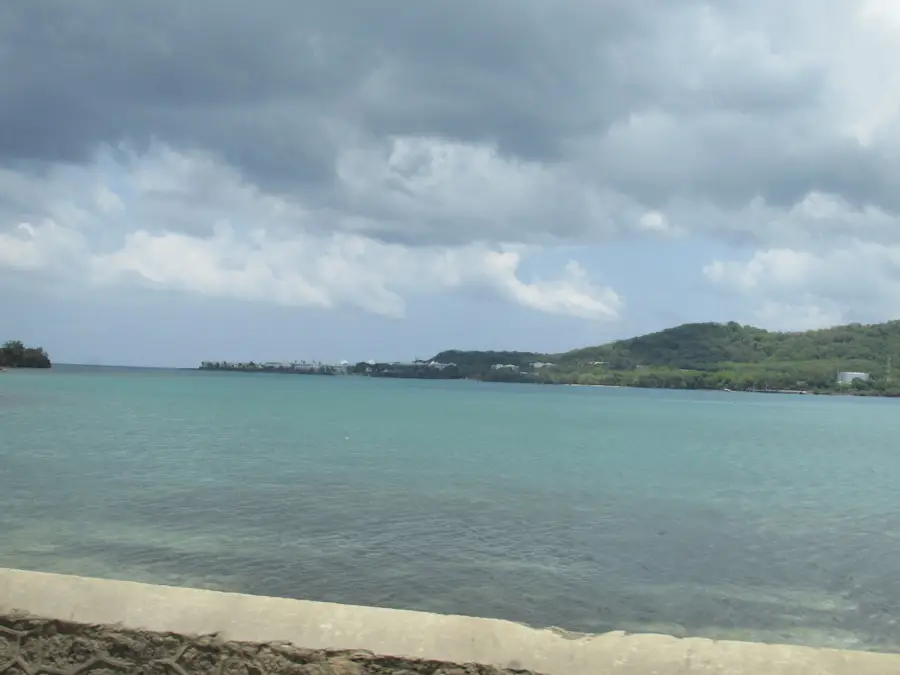
Spring warms gradually from March into May. March and April can still deliver many of the weather advantages of winter, while May marks a more noticeable transition toward the wetter and more humid part of the year.
Spring is not automatically quiet. The Bahamas’ official travel FAQ describes its broader spring-break season as running from late February to mid-April. That can bring a livelier atmosphere to beaches and resorts, particularly around U.S. school and university breaks.
Late April is one of the most attractive compromise periods for many visitors. The weather is warm, much of the winter peak has eased, and the wetter summer pattern has not yet reached its full strength. May can also offer good value, but travelers should be more prepared for rain.
Spring is a good time to mix beach days with sightseeing. Blue Lagoon Island and other nearby excursion areas offer beaches, swimming, snorkeling, and marine-animal programs, while New Providence has gardens, parks, historic sites, and coastal areas that can be explored without committing every day to the beach.
Summer Travel in Nassau
| Month | Typical Pattern | Planning Note |
| June | Hot, humid, wetter | Atlantic hurricane season begins June 1; build flexibility into outdoor plans. |
| July | Very warm air and ocean | Good for swimming, but showers and thunderstorms are more common than in winter. |
| August | Among the hottest, most humid periods | Tropical-cyclone activity begins moving toward its climatological peak. |
Summer in Nassau is hot and humid, with the warmest ocean conditions of the year. Official Bahamas travel guidance describes summer highs generally in the 80–90°F (26–32°C) range. Rain and thunderstorms become more frequent, but conditions can vary greatly from one day to another.
Warning: Atlantic hurricane season runs from June 1 through November 30. NOAA says the climatological peak is September 10, with most activity occurring from mid-August through mid-October. During hurricane season, monitor official forecasts and consider travel insurance that covers the disruptions you are concerned about.
The hotter weather works well for travelers whose priority is swimming, boating, paddleboarding, sailing, or other water-based activities. When booking jet skis, boats, water taxis, or similar excursions, use licensed and reputable operators. Current Bahamas tourism guidance specifically advises visitors to use licensed operators on land and water, and the U.S. State Department identifies additional safety concerns around independently operated personal watercraft on New Providence and Paradise Island.
Summer can also be rewarding for cultural events. Official Junkanoo information notes that summer celebrations take place on many Saturdays, although schedules vary by island and year. Bahamas Carnival also takes place during the warmer season; the 2026 Bahamas Carnival calendar included major Nassau events in early June.
Fishing charters operate from Nassau as well, and offshore trips may target species such as tuna, mahi-mahi, wahoo, or billfish depending on the season, conditions, regulations, and the type of charter booked.
Fall Travel in Nassau
September and October remain hot, humid, and relatively wet. They also overlap with the climatologically most active portion of Atlantic hurricane season, making flexibility especially important for travelers considering an early-fall trip.
NOAA places the climatological peak of Atlantic hurricane activity on September 10, with most activity occurring from mid-August through mid-October.
By November, conditions are moving toward the drier winter pattern and demand may still be lighter than it is around Christmas and New Year’s. That makes November attractive to travelers who want a quieter trip without going deep into summer heat.
Note: Hurricane risk is generally lower in November than during the August–October peak, but the official Atlantic hurricane season does not end until November 30. Keep flexible booking terms and monitor forecasts even on a late-November trip.
Fall is also a pleasant time to explore Nassau’s historical attractions at a slower pace. The Queen’s Staircase, Fort Fincastle, downtown Nassau, museums, markets, and waterfront areas provide alternatives on days when beach conditions are less predictable.
Preparations for the major winter Junkanoo parades also build during this part of the year. Groups spend months designing costumes and rehearsing music and dance, giving the months before Christmas a growing sense of anticipation even before the main parades arrive.
Festivals and Events in Nassau
Junkanoo: A Celebration of Color and Rhythm
Junkanoo is Nassau’s signature cultural celebration. The largest parades take place on Bay Street on Boxing Day, December 26, and New Year’s Day. Performers spend months creating elaborate costumes and rehearsing dance and music built around drums, cowbells, whistles, and horns.
The Bahamas Ministry of Tourism also lists Junkanoo celebrations during the summer. Exact summer schedules can change, so check the current event calendar rather than planning around a generic Saturday.
A Showcase of Cultural Heritage
The Bahamas International Film Festival adds another reason to consider December. The festival’s current 2026 schedule lists programming in Harbour Island from December 7–9 and Nassau from December 10–14. The festival presents Bahamian and international films while bringing filmmakers, screenwriters, and audiences together.
Caribbean Music and Culture Take Center Stage
Bahamas Carnival brings soca, masquerade events, parties, and other Caribbean cultural programming to Nassau. Dates vary rather than falling on one permanent weekend; in 2026, the principal event calendar included festivities in early June. Travelers planning around Carnival should confirm the next year’s dates before booking flights or hotels.
Tips for Traveling to Nassau
Choose your travel dates around your priorities first. Travelers who care most about predictable beach weather will usually prefer December through April. Those who can tolerate more heat and rain may find softer demand outside the winter peak, while late April and November can provide particularly useful compromises.
Pack lightweight, breathable clothing, swimwear, sun protection, and comfortable walking shoes year-round. A light layer is useful for breezy winter evenings and strongly air-conditioned restaurants. During the wetter months, add a compact rain jacket or umbrella and protect electronics from sudden downpours.
Entry rules deserve a current check before every international trip. Requirements vary by nationality and residency status. For U.S. citizens, the U.S. State Department’s Bahamas information page currently says passports must remain valid throughout the stay and that U.S. tourists generally do not need a visa for visits of up to 90 days. Other travelers may be subject to different validity or visa requirements, so verify the rules that apply to your citizenship before departure.
The Bahamian dollar is maintained at the same value as the U.S. dollar, and both currencies are widely accepted. Credit cards are common in Nassau, although carrying some cash can still be convenient.
Tipping is customary. Official Bahamas travel guidance suggests about 15% for many servers, taxis, and similar services. Check the bill before adding a tip because many establishments already include gratuity.
Use licensed taxis, boat operators, jet-ski providers, and excursion companies. The U.S. State Department’s current Bahamas travel advisory also recommends increased caution and includes specific information on crime, swimming, boating, and personal-watercraft risks.
Finally, explore beyond the resort strip when your schedule allows. Downtown Nassau, the Queen’s Staircase, historic forts, galleries, local restaurants, markets, and Bahamian cultural programs provide a fuller picture of New Providence than a beach-only itinerary.
Nassau offers a different trade-off in every season. Winter and early spring provide the easiest weather but bring peak demand. Late spring can offer a useful balance, summer favors travelers who prioritize warm water and can accept heat and rain, and fall rewards flexibility with quieter conditions. Planning around both weather and major events makes it much easier to choose the right trip for you.
Frequently Asked Questions
What is the best time to travel to Nassau?
December through April is generally the best period for travelers who want Nassau’s cooler, less humid, and typically drier weather. Late April can be especially appealing for visitors looking for good weather after much of the winter peak.
What is the weather like in Nassau during the best time to travel?
During December through April, Nassau is generally cooler and drier than it is in summer. Days remain warm enough for beaches and sightseeing, while evenings can feel breezier, especially in mid-winter.
Are there any major events or festivals during the best time to travel to Nassau?
Yes. Nassau’s biggest Junkanoo parades take place on Boxing Day, December 26, and New Year’s Day on Bay Street. The Bahamas International Film Festival also schedules Nassau programming in December.
What are the peak tourist seasons in Nassau?
Winter and early spring are Nassau’s main high-demand period, particularly around Christmas, New Year’s, spring break, and other school-holiday dates. Accommodation rates and attraction crowds can be higher during these periods.
Are there any drawbacks to traveling to Nassau during the best time?
The main drawbacks are higher demand and less spontaneity. Hotels, popular excursions, restaurants, and holiday events can book earlier during the December-to-April period, particularly around Christmas and New Year’s.
What is the best time to visit Nassau for fewer crowds or better value?
Late April, May, and November can be useful alternatives to peak winter. May is warmer and wetter, while November still falls within hurricane season through the end of the month, so flexible booking terms are valuable.
Is it a bad idea to visit Nassau during hurricane season?
Not necessarily, but the trip requires more flexibility. Hurricane season runs June 1 through November 30, and Atlantic activity is climatologically highest from mid-August through mid-October. Monitor NOAA forecasts, understand hotel and airline cancellation terms, and consider suitable travel insurance.
Sources
- The Islands of The Bahamas — Travel and Entry FAQs — official guidance on weather, currency, transportation, licensed operators, and visitor planning.
- NOAA National Hurricane Center — Tropical Cyclone Climatology — official Atlantic hurricane-season dates and climatological peak.
- U.S. Department of State — The Bahamas International Travel Information — passport, visa, insurance, safety, and entry guidance for U.S. travelers.
- The Islands of The Bahamas — Our History — Nassau’s establishment, piracy era, and historical background.
- The Islands of The Bahamas — Junkanoo — official information on Boxing Day, New Year’s Day, and summer Junkanoo celebrations.
- Bahamas International Film Festival — current festival dates and Nassau programming.