
Last Updated on July 27, 2026 by Daniel Globe
Nassau, the capital of The Bahamas on New Providence Island, combines beaches, historic landmarks, Bahamian food, nightlife, and easy access to the water. Its roots reach back to the 17th century, when the settlement developed into a port and later became notorious during the age of piracy. Today, landmarks such as the Queen’s Staircase and Fort Fincastle sit alongside modern resorts and a culture shaped strongly by African and British influences as well as the islands’ earlier Lucayan history. Choosing when to visit matters because Nassau’s weather, crowds, prices, hurricane exposure, and festival calendar change noticeably through the year.
Quick Answer
For the best mix of dry weather and comfortable temperatures, visit Nassau from December through April. Mid-December to mid-April is also the busiest and often priciest period. May and November are useful shoulder months for fewer crowds, but November remains within Atlantic hurricane season, which officially ends November 30.
Key Takeaways
- December through April gives Nassau its most consistently comfortable combination of warm weather and relatively low rainfall.
- Mid-December to mid-April is high season, so hotels, flights, beaches, and major attractions can be busier and more expensive.
- May and November can offer a useful balance of warm weather, fewer visitors, and better-value rates, although November is still within hurricane season.
- June through August is hotter, wetter, and more humid. Deals can be easier to find than in winter, but school vacations can still keep family resorts busy.
- Atlantic hurricane season runs June 1 through November 30, with most activity occurring from August through October and a climatological peak around September 10.
- Festival travelers should consider late December and New Year’s for Junkanoo or check the current year’s calendar for Bahamas Carnival and the Bahamas International Film Festival.
Disclosure: As an Amazon Associate I earn from qualifying purchases. Some links on this page are affiliate links, at no extra cost to you.
Best Time to Visit Nassau at a Glance
| Travel Priority | Best Time |
| Best overall weather | December through April |
| Best weather/crowd balance | Late April through May |
| Best for Junkanoo | December 26 and January 1 |
| Best chance of lower seasonal rates | May and parts of June-November, outside major holidays; rates vary by property and demand |
| Hottest, most humid period | June through September |
| Highest tropical-storm concern | August through October, with the Atlantic climatological peak around September 10 |
December to April: Peak Season and the Best Overall Weather
Products Worth Considering

220°+ Wide View for an Immersive Underwater Experience: Whether you're a beginner or a seasoned snorkeler, this 3-side lens snorkeling gear for adult delivers over 220° of panoramic clarity for exploring coral reefs during beach vacations or family snorkeling trips, it eliminates image distortion and dizziness so you can fully enjoy the ocean world

AFTER SALES SERVICE:As long as you are our customers,since the day you buy snorkel set. We will provide 24-hour uninterrupted service. We sincerelly believe we will bring the customers the most satisfied buying experience.

AFTER SALES SERVICE:As long as you are our customers,since the day you buy snorkel set. We will provide 24-hour uninterrupted service. We sincerelly believe we will bring the customers the most satisfied buying experience.
Comfortable Weather for Beaches and Sightseeing
Nassau’s high season generally runs from mid-December to mid-April. These months combine warm days with less rainfall than the wetter part of the year, making them especially convenient for beaches, snorkeling, diving, boat trips, and walking around downtown Nassau.
Temperatures are not locked into a single 70–80°F band: warmer spring days can climb into the low-to-mid 80s°F. Even so, this period is less hot and oppressive than midsummer. The Bahamas Ministry of Tourism notes that winter lows average about 70°F (21°C), while summer highs typically reach 80–90°F (26–32°C).
Junkanoo, Holidays, and Spring Break Crowds
The busiest winter weeks also contain some of Nassau’s biggest cultural celebrations. Junkanoo fills Bay Street with costumes, music, dancing, drums, horns, whistles, and cowbells on Boxing Day and New Year’s Day. The festival was added to UNESCO’s Representative List of the Intangible Cultural Heritage of Humanity in 2023.
Crowds do not disappear immediately after the winter holidays. The Bahamas Ministry of Tourism identifies the local Spring Break period as roughly late February through mid-April. Travelers visiting during those weeks should expect stronger demand at some resorts, beaches, attractions, and nightlife venues.
Pro Tip: For Christmas, New Year’s, Junkanoo, or popular spring-break weeks, reserve flights and accommodation several months ahead when possible. Rather than relying on a fixed “book 2–3 months ahead” rule, compare flexible dates and refundable rates because pricing changes quickly with demand.
What to Pack in Winter
Daytime clothing can stay light, but December through February can feel breezy after sunset. Bahamas tourism specifically recommends bringing a jacket or sweater for cooler winter evenings. A light layer is also useful on air-conditioned boats, restaurants, and indoor attractions.
Late April to May: A Strong Shoulder-Season Choice
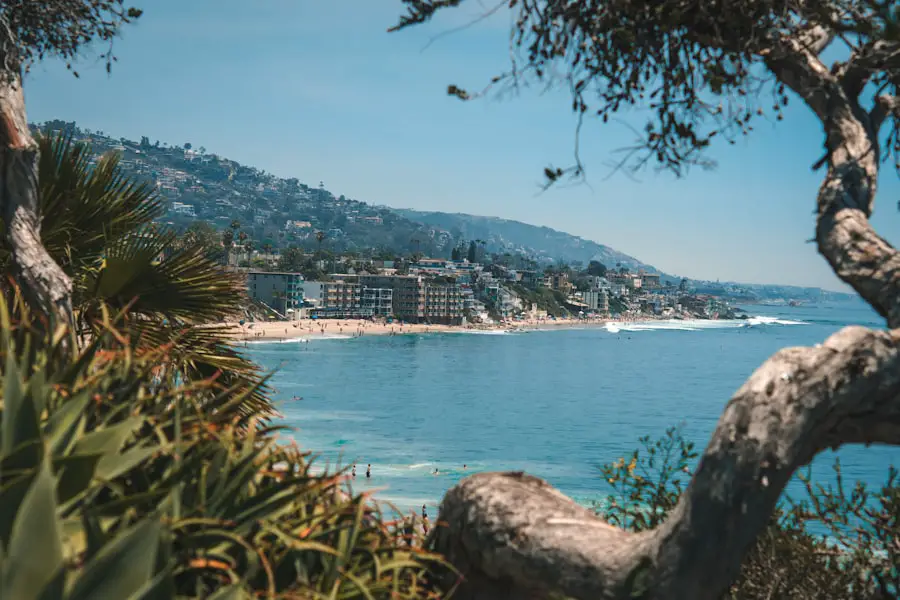
Late April and May can be one of Nassau’s most appealing compromises. The heaviest winter and spring-break crowds begin to ease, while the weather remains warm enough for swimming, snorkeling, boat trips, and sightseeing.
May is also a transition toward the wetter part of the year. Temperatures and humidity rise, and showers become more frequent. That does not mean an entire day will be washed out, but travelers should build some flexibility into outdoor plans.
For nature-focused sightseeing, New Providence has several protected areas managed by the Bahamas National Trust, including Primeval Forest National Park and Bonefish Pond National Park. Primeval Forest has boardwalks and trails through old-growth coppice and limestone formations. The gardens at Ardastra Gardens & Wildlife Conservation Centre are another easy option for travelers interested in tropical plants and wildlife.
Spring and early summer can also work well for boating, fishing, and reef excursions. Because conditions at sea can change even on otherwise sunny days, check the marine forecast before leaving and use licensed operators.
Note: Bahamas Carnival dates change from year to year. In 2026, the Fete Weekend calendar included events from June 4 through June 7 in Nassau. Travelers planning a future trip should check the current festival calendar before booking.
June to August: Hotter, Wetter, and Often Better Value
| Metric | June-August Pattern |
| Hotel Prices | Often below winter holiday peaks, although resort demand and special events affect rates |
| Tourist Traffic | Mixed; some periods are quieter, while school vacations can keep family resorts busy |
| Flight Costs | Variable by origin, holiday dates, and booking demand; compare flexible dates |
| Weather | Hot and humid, with more frequent showers and thunderstorms than winter |
| Storm Consideration | Atlantic hurricane season begins June 1, although the climatological peak comes later |
June through August brings Nassau’s hotter and more humid weather. Daytime temperatures commonly reach the upper 80s°F and can push into the low 90s°F, while rainfall and thunderstorms become more frequent than during winter.
These months can still be attractive for travelers who prioritize warm water, swimming, boating, paddleboarding, kayaking, and beach time. Some hotels and tour operators offer more competitive rates outside the winter high season, although summer should not be treated as universally empty or cheap. Families traveling during school vacations can create busy periods of their own.
When booking jet skis, boats, snorkeling trips, or other water activities, use established licensed operators and pay attention to local marine conditions. The U.S. Department of State’s Bahamas travel information advises travelers to follow local weather and marine alerts and notes that safety standards among watercraft operators can vary.
Summer also carries an active cultural calendar. The Bahamas celebrates Independence Day on July 10, marking independence in 1973, and Junkanoo performances or summer celebrations may appear at national and community events. Exact schedules vary each year.
September to November: Storm Risk First, Shoulder-Season Value Later
September and October
September and October deserve the greatest weather caution. The Atlantic hurricane season officially runs from June 1 through November 30, but the NOAA Climate Prediction Center notes that most Atlantic tropical storms and hurricanes occur during August through October. The climatological peak occurs around September 10.
A hurricane does not strike Nassau every year, and long stretches of good weather are possible even during the peak months. The drawback is uncertainty: tropical systems can alter flights, cruise itineraries, excursions, and hotel operations with relatively little notice.
Warning: If you book Nassau between June and November, read the cancellation terms before paying. Travel insurance does not automatically cover every hurricane-related problem. Check the policy’s rules for named storms, trip cancellation, delays, medical evacuation, and when coverage must be purchased.
Atlantic hurricane season lasts six months, but risk is not evenly distributed: NOAA says most activity occurs from August through October, with the climatological peak around September 10.
November
November is more nuanced. It remains inside official hurricane season until November 30, but it is also widely treated as a shoulder month as tropical activity generally declines and the drier winter pattern approaches. Travelers comfortable with some residual storm risk may find fewer crowds and more competitive accommodation rates than during the Christmas and New Year’s period.
For weather-sensitive trips such as destination weddings or non-refundable luxury stays, December through April remains the safer planning choice. For flexible travelers who value quieter conditions, November can be appealing when paired with refundable reservations and suitable insurance.
Special Events and Festivals Throughout the Year
Junkanoo: Nassau’s Signature Cultural Celebration
Junkanoo’s major Nassau parades take place on December 26, Boxing Day, and January 1, New Year’s Day. Groups spend months preparing elaborate costumes, choreography, music, and performances before rushing through Bay Street in the early hours.
UNESCO inscribed Junkanoo on the Representative List of the Intangible Cultural Heritage of Humanity in 2023, describing it as the national cultural festival of The Bahamas with traditions rooted in the country’s African heritage.
Smaller Junkanoo celebrations can also occur during summer and around major national events, including Independence celebrations. Check the current event schedule rather than assuming every summer weekend has a parade.
Bahamas International Film Festival
The Bahamas International Film Festival brings filmmakers, screenings, industry events, and cinema fans to The Bahamas. For 2026, the official BIFF schedule lists Harbour Island events from December 7–9 and Nassau events from December 10–14. Future editions may use different dates, so check the festival website before choosing flights.
Bahamas Carnival
Bahamas Carnival adds another lively period to Nassau’s calendar with fetes, J’ouvert-style events, music, food, and parties. The 2026 Bahamas Carnival calendar placed its main Fete Weekend activity in early June, including events from June 4 through June 7. Dates and individual events change annually.
Bahamian Independence Day
July 10 is Bahamian Independence Day, commemorating the country’s independence in 1973. Celebrations can include concerts, cultural performances, food, fireworks, and Junkanoo-related events. Travelers interested in local culture may find early July more engaging than a typical resort-only summer stay.
Tips for Traveling to Nassau in Any Season
Book according to demand, not just weather. Christmas, New Year’s, Junkanoo, spring-break weeks, and major events can push up demand even within an otherwise favorable season. Compare several nearby dates before committing.
Pack for the season. Lightweight clothing, sunscreen, a hat, and water are useful year-round. Bring a light sweater or jacket for breezy December-February evenings. From late spring through fall, include a compact rain layer or umbrella.
Build weather flexibility into water activities. A sunny morning does not guarantee calm seas all day. Check local marine forecasts and avoid treating an excursion reservation as more important than a weather warning.
Understand hurricane-season cancellation rules. Refundable hotel rates and flexible airfare can be especially valuable from June through November. The U.S. Department of State recommends travel insurance and advises travelers to check trip-cancellation and evacuation coverage rather than assuming a policy covers every disruption.
Use licensed transportation. Getting around Nassau is relatively straightforward. Official Bahamas tourism guidance confirms that jitney buses operate on New Providence and that licensed taxis are widely available at hotels, airports, and tourist areas. Jitney schedules are more limited in the evening, so taxis are often more practical after dark. App-based taxi availability can change, so verify any service before relying on it.
Leave room for indoor alternatives. A passing shower does not have to end the day. Museums, galleries, restaurants, historic buildings, shops, and resort facilities give you useful backup options when beach conditions are poor.
Products Worth Considering

7' SAND ANCHOR BEACH UMBRELLA: Offers UPF 50+ sun protection and features a stylish design that makes it easy to mark your spot on the beach or stay shaded on your patio or during any outdoor excursion

WINDPROOF & FLIP-SAFE DESIGN: Engineered with 8 reinforced fiberglass ribs and fail safe flip technology; resists high winds by inverting-not breaking-under pressure; say goodbye to flimsy umbrellas that snap in a gust. This heavy duty stick umbrella offers safety from rain, and offers big shade on clear days too - portable, sturdy, and dependable, it’s your reliable shield against rain whenever you’re on the go

7.5 ft canopy coverage – Provides wide shade for one or more people
Choosing the Best Time to Visit Nassau
The best month depends on what you value most. For the easiest weather and lowest exposure to the Atlantic hurricane season, December through April is the safest all-around recommendation. For a better balance between warm weather and crowds, late April through May is especially attractive. November can also offer shoulder-season value, but travelers must remember that hurricane season does not officially end until November 30.
Festival-focused travelers have a different calendar. Late December and New Year’s bring Nassau’s largest Junkanoo celebrations, while early-summer visitors can look for Bahamas Carnival and Independence events. Budget-focused travelers can compare May and summer-to-fall dates, but lower rates should be weighed against extra humidity, rainfall, and storm uncertainty.
Rather than choosing Nassau solely by a generic “high season” or “low season” label, match your dates to the trade-off you are comfortable making among weather, price, crowds, and flexibility. That approach gives you a much better chance of getting the Nassau trip you actually want.
Products Worth Considering

Nassau Bahamas Sticker – Express your personality with a fun design that stands out! This 4 Inch waterproof vinyl sticker 2-pack is made for anyone who loves humor, personality and good vibes and is an easy way to personalize laptops, water bottles, tumblers, notebooks, luggage and more.

COMPLETE 4-PIECE TRAVEL SET: Includes 28" large suitcase, 22" carry-on, boarding tote, and travel kit

Nassau Bahamas Sticker – Celebrate a favorite place and keep travel memories close! This 4 Inch waterproof vinyl sticker is made for travelers, adventure seekers and souvenir collectors and is an easy way to personalize laptops, water bottles, tumblers, notebooks, luggage and more.
Frequently Asked Questions
What is the best time to travel to Nassau, Bahamas?
December through April is the best overall period for travelers who prioritize comfortable weather and lower rainfall. Mid-December to mid-April is also Nassau’s busiest high season, so expect stronger demand for flights and hotels.
What is the weather like during Nassau’s best travel season?
December through April is generally warm, breezy, and drier than the summer months. Winter evenings can occasionally feel cool in the breeze, while daytime temperatures become progressively warmer toward April.
When is hurricane season in Nassau?
Atlantic hurricane season officially runs from June 1 through November 30. NOAA says most Atlantic tropical-storm and hurricane activity occurs from August through October, with a climatological peak around September 10.
What are the best months for fewer crowds and good weather?
Late April and May are especially useful for balancing warm weather with fewer peak-season visitors. November can also be quieter, but it remains inside hurricane season through the end of the month.
When is Spring Break in Nassau?
The Bahamas Ministry of Tourism describes Spring Break season as running from late February through mid-April. Travelers seeking quieter beaches and nightlife may prefer late April or May instead.
Are there festivals during the best time to visit Nassau?
Yes. Nassau’s largest Junkanoo celebrations take place on Boxing Day, December 26, and New Year’s Day, January 1. The Bahamas International Film Festival also holds events in December, although exact dates vary by year.
Is Nassau more expensive from December through April?
It often is because the most comfortable weather overlaps with holiday travel, winter escapes, and Spring Break. Rates vary considerably by resort and departure city, so compare flexible dates rather than assuming every winter week costs the same.
What are the best activities during Nassau’s dry season?
Popular choices include snorkeling, diving, beach days, boat trips, walking through downtown Nassau, and visiting historic sites such as the Queen’s Staircase, Fort Fincastle, and Fort Charlotte. Always check local marine conditions before water-based excursions.
Sources
- Bahamas Ministry of Tourism — Travel FAQs — climate, Spring Break timing, transportation, packing, hurricane season, and travel basics
- NOAA Climate Prediction Center — Atlantic Hurricane Season — official season dates and the August-October concentration of tropical activity
- UNESCO — Junkanoo — cultural history and 2023 inscription on the Representative List of the Intangible Cultural Heritage of Humanity
- U.S. Department of State — The Bahamas International Travel Information — hurricane preparation, travel insurance, marine conditions, and watercraft safety
- Bahamas International Film Festival — current festival dates and Nassau programming
- Bahamas Carnival — current Carnival and Fete Weekend event scheduling
