
Last Updated on September 10, 2026 by Daniel Globe
Buying hiking gear online gives you access to specialist outdoor stores, discount retailers, direct-from-brand shops, used equipment, and huge marketplaces. The best place to shop depends on what matters most to you: expert advice, technical gear, low prices, easy returns, fast delivery, sustainability, or second-hand value. The important part is choosing a reputable seller and buying equipment that matches your trail, weather, trip length, and fit needs.
Quick Answer
For most U.S. hikers, REI is the best all-around place to buy hiking gear because it combines a broad selection, expert guidance, member benefits, and used-gear options. Backcountry is strong for technical gear, Sierra for off-price finds, Amazon for selection and fast eligible delivery, and Outdoor Gear Exchange for used gear. Moosejaw itself is no longer operating.
Key Takeaways
- REI is the strongest all-around choice for hikers who value broad selection, expert advice, member benefits, and used gear.
- Backcountry is especially useful when shopping for technical clothing, backpacking equipment, and specialist brands.
- Amazon offers enormous selection and fast delivery on many Prime-eligible products, but shoppers should verify the seller and return terms.
- Moosejaw is no longer an independent retailer. Its former online shopping destination has been integrated with Public Lands.
- Sierra and Outdoor Gear Exchange are worth checking when price or used gear matters more than having every size, color, or model available.
Disclosure: As an Amazon Associate I earn from qualifying purchases. Some links on this page are affiliate links, at no extra cost to you.
Best Places to Buy Hiking Gear Online Compared
| Retailer | Best For | Main Advantage | Watch For |
|---|---|---|---|
| REI | Best all-around option | Expert advice, member benefits, new and used gear | Some benefits require membership |
| Backcountry | Technical and premium gear | Specialist brands and Gearhead assistance | Used and unused returns have different terms |
| Amazon | Selection and fast delivery | Huge marketplace and many Prime-eligible items | Seller, warranty, and return terms can vary |
| Public Lands | Former Moosejaw shoppers | Broad outdoor catalog and Moosejaw transition | Moosejaw itself is no longer a separate store |
| Patagonia | Buying Patagonia gear direct | Repairs, Worn Wear, environmental programs | Limited to Patagonia’s own product range |
| Sierra | Off-price bargains | Discounted brand-name outdoor products | Inventory, sizes, and colors change quickly |
| Outdoor Gear Exchange | New and used outdoor gear | Consigned gear and specialist outdoor selection | Previously used products are generally final sale |
The best hiking-gear store is not always the one with the lowest price. Fit, return terms, seller reliability, product support, and whether the gear suits your actual trail can matter far more.
REI — Best All-Around Store for Hiking Gear
REI has been serving outdoor customers since 1938 and remains one of the most complete places to shop for hiking and backpacking equipment. Its catalog covers hiking footwear, backpacks, trekking poles, tents, sleeping systems, water-treatment equipment, navigation products, apparel, cooking gear, and many other outdoor categories.
One advantage is the amount of education surrounding the products. REI publishes detailed Expert Advice guides on footwear, packs, layering, camping, navigation, and other outdoor topics, which can make the site easier to use when you do not already know exactly what you need.
The optional REI Co-op membership currently costs $30 for a lifetime membership. Benefits include member rewards on eligible purchases, member offers, standard shipping benefits, used-gear access through Re/Supply, and an extended satisfaction-guarantee return period subject to REI’s exclusions and current terms.
REI’s Re/Supply program is also useful for hikers trying to lower costs. Members can shop selected used items and trade qualifying gear for an REI gift card.
Pro Tip: REI is particularly useful for footwear and backpacks when you are unsure about fit. Measure carefully, use the same socks you expect to hike in, and test new footwear indoors before committing it to a trail.
Backcountry — Best for Technical Hiking Gear and Apparel
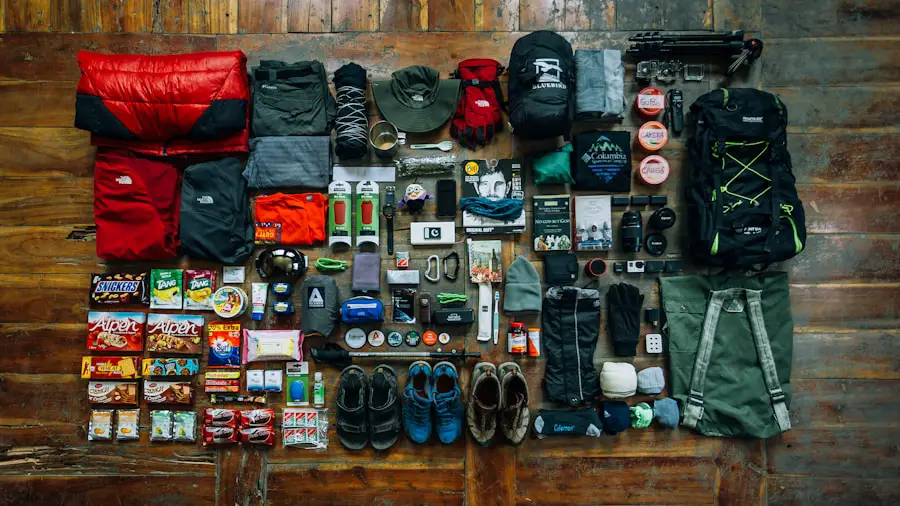
Backcountry is a strong option for hikers and backpackers looking for technical clothing, lightweight equipment, premium outdoor brands, packs, shelters, footwear, and equipment for more demanding trips. It is especially useful when you already know the performance features you need and want to compare several specialist brands in one place.
A notable feature is Backcountry’s Gearhead expert service. Gearheads can help shoppers compare products, work through technical questions, and choose equipment for a specific activity.
Return terms are worth checking before ordering. Under Backcountry’s current return policy, qualifying unused gear can generally be returned within 90 days of delivery. Qualifying used, undamaged gear has a shorter 30-day window and is refunded as store credit. Exceptions and fees can apply.
Backcountry also runs seasonal discounts and clearance promotions, so it can be worth comparing its price with REI, direct brand websites, and off-price retailers before buying expensive equipment.
Amazon — Best for Selection and Fast Delivery
Amazon can be convenient when you need common hiking essentials such as socks, basic trekking accessories, water bottles, headlamps, first-aid supplies, storage bags, camp kitchen accessories, and products from brands that use Amazon as an authorized sales channel.
Its biggest strengths are selection and delivery. Amazon states that Prime members can receive Same-Day, One-Day, or Two-Day delivery on millions of eligible products. That does not mean every hiking product will arrive in two days, so check the delivery promise shown for the exact item and address before relying on it for an upcoming trip.
Customer reviews can provide useful real-world clues about sizing, durability, and common problems, but star ratings should not replace checking specifications, warranty coverage, and the identity of the seller.
Warning: On marketplace listings, check who is actually selling and shipping the product. For expensive, technical, or safety-related equipment, buying from the manufacturer or a clearly authorized retailer can make warranty support and product verification easier.
Prime shipping details and eligibility can be checked through Amazon’s current Prime information.
Moosejaw Is Closed — Public Lands Is the Current Alternative
Older hiking-gear guides often recommend Moosejaw, but that recommendation is no longer current. DICK’S Sporting Goods acquired Moosejaw from Walmart in 2023 and later integrated its outdoor operations with Public Lands. Moosejaw’s remaining stores closed during the 2024 fiscal year, and its former web destination now directs shoppers toward Public Lands.
Public Lands explains the transition by telling former Moosejaw shoppers that many of the outdoor brands and equipment categories they bought through Moosejaw can now be found through Public Lands.
Public Lands sells hiking and camping equipment, packs, trekking poles, footwear, outdoor clothing, tents, sleeping systems, water-treatment products, and other outdoor gear. Its current program also includes in-store rental options at participating locations and a used-gear selling program through its partner.
Note: Articles that still describe Moosejaw as a functioning standalone retailer are outdated. Check Public Lands rather than searching for a current Moosejaw online store.
Patagonia — Best for Buying Patagonia Gear Direct
Commitment to Sustainable Practices
Patagonia is a good choice for shoppers who specifically want Patagonia outerwear, base layers, packs, trail clothing, and other products while buying directly from the manufacturer. Buying direct also makes it easy to use the company’s repair, guarantee, and Worn Wear resources.
Patagonia’s environmental structure is more specific than simply donating “a portion of profits.” Under the company’s ownership model announced in 2022, the Patagonia Purpose Trust holds the voting stock while Holdfast Collective holds the nonvoting stock. Patagonia says money remaining after reinvestment in the business can be distributed to Holdfast Collective for environmental work.
Product Line and Conservation Efforts
Patagonia also maintains a separate commitment to contribute 1% of sales to environmental organizations. That is different from the company’s excess-profit ownership structure, and separating the two gives shoppers a more accurate picture of its environmental commitments.
For hikers, Patagonia is strongest in clothing, weather protection, trail apparel, insulation, packs, and related outdoor products rather than being a complete one-stop source for every piece of hiking and camping equipment.
A Loyal Following
Many outdoor shoppers choose Patagonia because they value its repair-oriented product philosophy, environmental programs, direct product support, and long-running presence in the outdoor industry. The tradeoff is that a manufacturer store gives you only one brand, so it is harder to compare competing footwear, packs, jackets, or equipment side by side.
Sierra — Best for Discounted Hiking Gear and Apparel
Sierra, historically known as Sierra Trading Post, is worth checking when price matters and you are flexible about color, model year, or exact product availability. Rather than describing itself simply as an overstock seller, Sierra identifies itself as an off-price retailer carrying a frequently changing assortment of brand-name and other outdoor products.
That changing inventory is both the benefit and the drawback. You may find a strong price on hiking shoes, layers, packs, camping accessories, or outdoor clothing, but a particular size or color can disappear quickly.
Sierra’s current return policy generally allows qualifying online purchases to be returned in original condition within 40 days of the order date and qualifying in-store purchases within 30 days. Return shipping charges and other conditions may apply.
For budget-conscious hikers, Sierra works best when you already know what type of product you need and can judge whether the discount outweighs the smaller or less predictable assortment.
Outdoor Gear Exchange — Best for New and Used Outdoor Gear
Outdoor Gear Exchange, often shortened to OGE, is a specialist outdoor retailer that sells new gear as well as selected used and consigned products. This makes it appealing to hikers who want to stretch a budget, keep usable equipment in circulation, or hunt for models that may be difficult to find through mainstream retailers.
Its used-gear system should be described accurately. OGE operates a consignment program, not a simple instant trade-in. Customers submit accepted gear, OGE lists it for sale, and payment is generated after the item sells. Under the current program, consignors receive 60% of the selling price as store credit and can choose a lower cash payout instead.
The program accepts many types of outdoor equipment depending on season, condition, and current inventory. OGE’s published list also excludes certain products with greater safety or hygiene concerns, including climbing harnesses and ropes, helmets, used water bottles, and used water filters.
Its return policy states that previously used, consigned, blemished, and demo products are final sale, while qualifying unused new products have different return terms. Read the condition description carefully before ordering second-hand gear.
How to Choose Where to Buy Hiking Gear
The retailer is only one part of the decision. Before comparing prices, decide what your hike actually requires. The National Park Service Ten Essentials organizes basic preparedness around navigation, sun protection, insulation, illumination, first aid, fire, repair tools, food, hydration, and emergency shelter.
You may need more or less equipment depending on the route, season, weather, remoteness, elevation, and duration of your trip. A short maintained trail close to town does not require the same equipment as a remote overnight backpacking route.
1. Match the Store to What You Are Buying
For hiking boots or a fitted backpack, a retailer with strong sizing help and easy returns can be more valuable than saving a few dollars. For a replacement headlamp or common accessory, selection and fast shipping may matter more. For an expensive technical shell or ultralight shelter, specialist advice and manufacturer support may be the priority.
2. Check Return Terms Before Ordering
Return policies vary widely. Some retailers allow extended returns for members, while others distinguish sharply between unused and used products. Discount or consigned products may be final sale.
Always confirm the current policy before taking tags off, using footwear outdoors, pitching a tent on dirty ground, or otherwise changing an item from new condition.
3. Pay Extra Attention to Hiking Footwear
Online footwear shopping is convenient, but fit matters more than the size printed on the box. Hiking footwear should feel secure without painful pressure and leave enough room for your toes, especially during descents.
REI’s current hiking footwear guidance recommends considering foot length, width, volume, hiking socks, expected terrain, and how feet swell during the day. A familiar brand or model may also be easier to size online.
Try new hiking shoes or boots indoors first. Walk on stairs if possible, check for heel movement, make sure your toes do not hit the front on a downhill angle, and confirm there are no pressure points before wearing them outdoors.
4. Compare the Seller, Not Just the Product
The same backpack, stove, or pair of trekking poles may appear on several websites. Compare:
- Final delivered price, including shipping.
- Whether the retailer is an authorized seller.
- Return shipping costs.
- Warranty support.
- Availability of replacement parts.
- Expected delivery date.
- Whether the item is new, returned, demo, refurbished, or used.
5. Decide Whether Used Gear Makes Sense
Used backpacks, tents, trekking poles, cookware, and some clothing can provide excellent value when they are clean, complete, and structurally sound. Check zippers, buckles, seams, coatings, elastic, poles, fasteners, and any included parts before relying on them outdoors.
Warning: Be much more cautious with used equipment whose safety or sanitation depends on an unknown history. Water-treatment equipment, protective helmets, climbing ropes, and similar items may not reveal damage or contamination through a quick visual inspection.
6. Compare Direct Brand Stores With Multi-Brand Retailers
Buying directly from brands such as Patagonia, Osprey, Merrell, Salomon, Black Diamond, Columbia, or The North Face can make warranty and product-support information easy to find. The drawback is that you cannot compare as many competing products in one place.
Multi-brand stores such as REI and Backcountry are better when you want to compare several packs, footwear designs, jackets, tents, or trekking poles without moving between multiple manufacturer websites.
Which Hiking Gear Store Is Best for Different Shoppers?
- Beginner hikers: REI is a strong starting point because product selection is paired with educational material and expert assistance.
- Backpackers and technical users: Backcountry makes it easy to compare specialist outdoor brands and performance-focused equipment.
- Last-minute shoppers: Amazon can work well when the exact product is Prime-eligible and the seller is trustworthy.
- Former Moosejaw customers: Public Lands is the current destination to check.
- Patagonia shoppers: Buying directly from Patagonia gives the clearest access to its repair, guarantee, Worn Wear, and environmental programs.
- Bargain hunters: Sierra is worth checking when you can be flexible about exact color and inventory.
- Used-gear shoppers: Outdoor Gear Exchange and REI Re/Supply provide structured alternatives to buying from an unknown individual seller.
Pro Tip: For expensive gear, compare the same model at two or three reputable stores before buying. A slightly higher purchase price may be worth it when it comes with easier returns, better warranty support, or professional fitting help.
If you are building out a broader camping setup, you may also find the site’s guide to portable camping stoves useful when comparing cooking equipment for future trips.
Frequently Asked Questions
What is hiking gear?
Hiking gear includes the clothing and equipment used to stay comfortable, prepared, and safe on a hike. Depending on the trip, that can include hiking footwear, a backpack, layers, rain protection, navigation tools, water and treatment equipment, food, a headlamp, first-aid supplies, trekking poles, and emergency equipment.
Where can I buy hiking gear?
Hiking gear is available from specialist outdoor retailers, manufacturer websites, off-price stores, used-gear retailers, department stores, local outfitters, and large online marketplaces. REI and Backcountry are strong multi-brand options, while Patagonia is an example of buying directly from a manufacturer.
What are some popular outdoor retailers for hiking gear?
Current U.S. options include REI, Backcountry, Public Lands, Sierra, Outdoor Gear Exchange, Amazon, and direct brand stores such as Patagonia. The best choice depends on whether you prioritize expert help, technical equipment, discounts, fast shipping, used gear, or a particular brand.
What should I consider when buying hiking gear?
Start with the terrain, weather, trip duration, pack weight, and distance you expect to cover. Then consider fit, weight, durability, required safety features, warranty coverage, return terms, and whether you can test the item before committing to it.
Are there specific brands known for hiking gear?
Common hiking and backpacking brands include Osprey, Merrell, Salomon, Black Diamond, Patagonia, Arc’teryx, The North Face, Gregory, KEEN, and others. No single brand is automatically best for every hiker, so compare fit, intended use, product design, warranty support, and price rather than buying on brand reputation alone.
Can I buy hiking gear online?
Yes. Most major outdoor retailers and manufacturers sell hiking gear online. Online shopping works especially well when you know the exact product or size you need. For footwear, fitted backpacks, and other size-sensitive equipment, use detailed measurements and choose a retailer with a practical return policy.
Is Moosejaw still in business?
No. Moosejaw is no longer operating as a standalone outdoor retailer. DICK’S Sporting Goods acquired it in 2023, later closed its remaining stores, and integrated its online outdoor business with Public Lands. Former Moosejaw shoppers should check Public Lands instead.
Is it safe to buy hiking boots online?
Yes, provided you measure carefully and can return a poor fit. Wear your normal hiking socks, test the boots indoors, check that your heel is secure, make sure your toes have room, and confirm that your toes do not strike the front when moving downhill. A brand or model you have worn successfully before can be easier to size online.
Sources
- U.S. National Park Service — Ten Essentials — hiking preparedness and essential gear categories.
- REI Co-op Membership — current membership price and member benefits.
- Backcountry Return Policy — current return windows and conditions for unused and used gear.
- Public Lands — Welcome Former Moosejaw Shoppers — current Moosejaw/Public Lands transition.
- Patagonia Ownership — Patagonia Purpose Trust, Holdfast Collective, and the company’s current excess-profit structure.
- Outdoor Gear Exchange Consignment — used-gear acceptance, sales process, and consignor payouts.

