
Last Updated on September 10, 2026 by Daniel Globe
How much water you should take hiking depends on the length of the hike, weather, trail difficulty, altitude, available water sources, and how much you personally sweat. Hydration helps your body regulate temperature and maintain physical and mental performance, but more water is not always better. The safest plan is to carry enough for the conditions without forcing yourself to drink a fixed amount.
Quick Answer
For day-hike planning, start around 0.5 liter (17 ounces) per hour in mild conditions and allow up to about 1 liter (34 ounces) per hour in hot, strenuous conditions. Treat this as a carry-planning estimate, not a drinking quota. Start hydrated, drink to thirst, and carry extra for delays or unreliable refill points.
Key Takeaways
- About 0.5 liter per hour is a useful starting estimate for carrying water on a moderate hike in mild weather; hot, strenuous hiking may require planning for closer to 1 liter per hour.
- The Wilderness Medical Society recommends beginning activity well hydrated and using a drink-to-thirst approach during exercise rather than forcing a rigid drinking schedule.
- Heat, humidity, pace, elevation gain, altitude, clothing, pack weight, and individual sweat rate can all change your needs.
- For long or sweaty hikes, normal food, salty snacks, or an electrolyte drink can help replace sodium, but electrolytes do not make excessive drinking safe.
- Never assume stream, lake, or spring water is safe. CDC guidance recommends boiling when possible or using an appropriate combination of filtration and disinfection.
- Confusion, collapse, seizures, or severe changes in mental status during a hike are emergencies and can occur with heat stroke or severe exercise-associated hyponatremia.
Note: This guide is for generally healthy hikers. If a clinician has told you to restrict fluids or sodium because of a heart, kidney, endocrine, or other medical condition, follow that medical plan rather than a general hiking guideline.
Disclosure: As an Amazon Associate I earn from qualifying purchases. Some links on this page are affiliate links, at no extra cost to you.
Factors Affecting Water Needs While Hiking
There is no single water amount that works for every hiker. The most important factors are how long you will be moving, how hard you will work, and the conditions on the trail.
Hike Duration and Intensity
A steep climb with a heavy pack usually creates more heat and sweat than an easy walk on level ground. Longer hikes also give you more time to lose fluid, so water planning becomes increasingly important as the hours add up.
Temperature and Humidity
Hot weather raises the risk of heat illness and usually increases sweat loss. High humidity creates another problem: sweat does not evaporate as efficiently, so the body has a harder time releasing heat. The Wilderness Medical Society’s 2024 heat-illness guideline notes that adequate hydration is important but cannot, by itself, prevent dangerous heat buildup when exertion and environmental heat are too high.
Altitude and Cold Weather
Cold conditions can reduce the urge to drink even though you are still losing water. At higher elevations, dry air, faster breathing, and increased urine output can contribute to fluid loss. The National Park Service’s high-altitude hiking guidance specifically warns that hydration can suffer at elevation.
That does not mean you should force extra water to prevent altitude sickness. Forced overhydration does not prevent acute mountain sickness and can increase the risk of dangerously low blood sodium.
Your Individual Sweat Rate
Two hikers on the same trail may need different amounts of water. Pace, fitness, heat acclimatization, clothing, pack weight, body size, medications, and natural differences in sweat rate all matter. Use general hourly amounts to plan what you carry, then refine your plan from experience on similar hikes.
Water Availability on the Route
A reliable potable-water station can reduce how much you need to carry at once. A seasonal creek marked on a map cannot. Before leaving, check current park or land-manager information and plan each section between dependable water sources.
Pro Tip: Plan water by the longest stretch between dependable sources, not simply by total trail mileage. Carry enough to reach the next source safely and leave a reserve for wrong turns, slower travel, heat, or an unexpectedly dry source.
Recommended Water Intake for Hiking
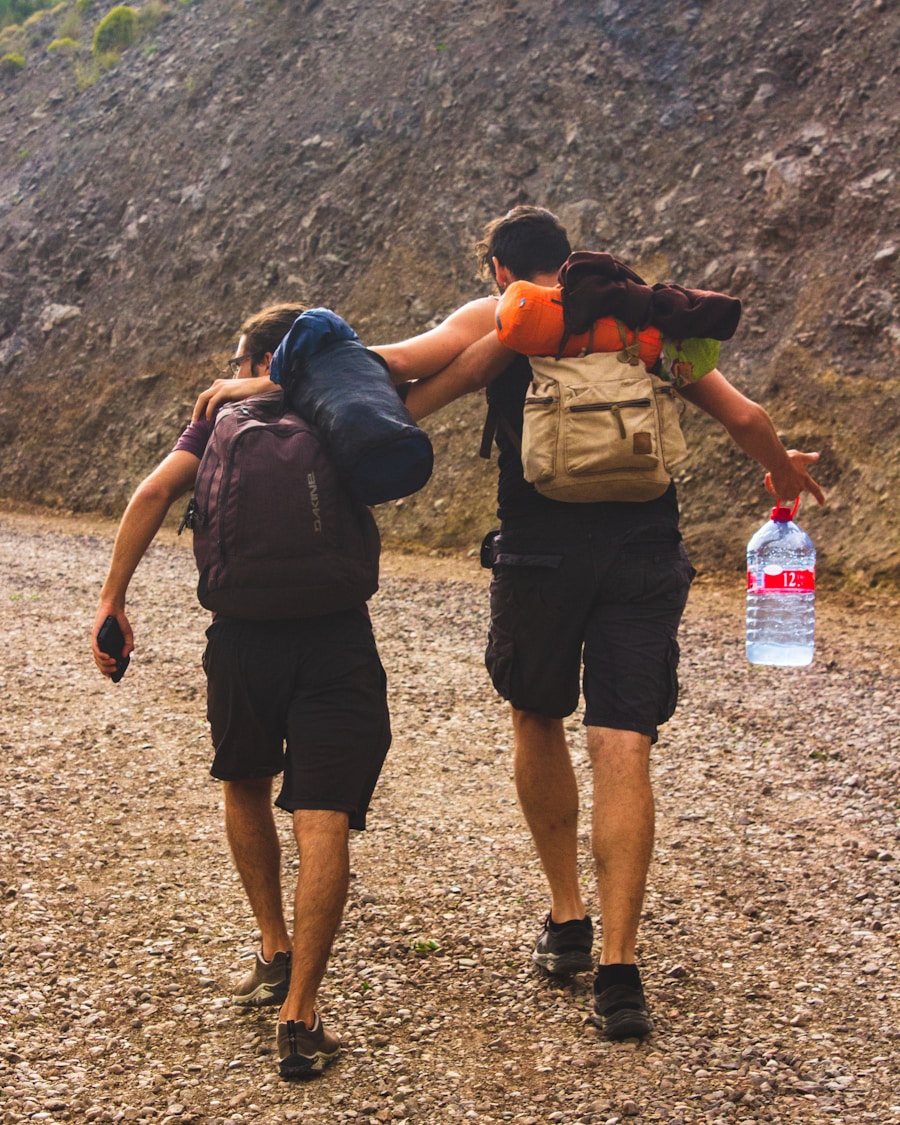
A practical starting estimate for a moderate hike in mild weather is about 0.5 liter (17 ounces) of water per hour. In hot, dry, or strenuous conditions, hikers may need to plan for closer to 1 liter (34 ounces) per hour. For example, the National Park Service’s Saguaro National Park hiking guidance advises about 1 quart of water per hour during hot, dry summer hiking.
These figures are best used to estimate how much water to carry. They are not a command to drink that exact amount every hour. The Wilderness Medical Society recommends starting activity adequately hydrated and drinking to thirst during activity while avoiding excessive dehydration.
| Hiking Conditions | Starting Carry Estimate | Planning Notes |
|---|---|---|
| Cool to mild, moderate hiking | About 0.5 L (17 oz) per hour | Adjust for your thirst, sweat rate, pace, and refill options. |
| Hot, dry, or strenuous hiking | Plan for up to about 1 L (34 oz) per hour | Heat may also require a slower pace, shade breaks, an earlier start, or a shorter route. |
| Long or backcountry hike | Calculate each stretch between reliable sources | Bring appropriate treatment equipment and extra capacity for delays or dry sources. |
How to Calculate How Much Water to Carry
- Estimate your hiking time. Include climbing, breaks, and a realistic pace rather than using only mileage.
- Choose a planning range. About 0.5 L per hour is a reasonable mild-weather starting point; hot or strenuous hiking can push planning closer to 1 L per hour.
- Check reliable water sources. Note exactly where you can refill and whether those sources are currently flowing.
- Plan for uncertainty. Do not expect to finish your last drop exactly as you reach the car. Delays, navigation errors, injuries, or dry water sources can extend a hike.
- Adjust from experience. After several similar hikes, you will have a better idea of how much you typically drink under different conditions.
For example, a four-hour moderate hike in mild conditions might lead you to start planning around 2 liters of water if there are no refill points. The same four-hour outing in intense summer heat could require substantially more water, a reliable refill strategy, or a change in route or start time rather than simply carrying and forcing down a huge volume.
The right amount of water is enough to match the hike and your body’s needs—not the largest amount you can force yourself to drink.
Signs of Dehydration and Overhydration
Dehydration and exercise-associated hyponatremia can produce some of the same symptoms, so no single field symptom can reliably diagnose the cause. History matters: too little fluid and heavy losses point more toward dehydration, while prolonged heavy drinking can raise concern for exercise-associated hyponatremia.
| Possible Dehydration Clues | Possible Overhydration / Hyponatremia Clues |
|---|---|
| Thirst | Bloated or puffy feeling |
| Dry mouth | Nausea or vomiting |
| Dark or unusually small amounts of urine | Headache |
| Dizziness or lightheadedness | Swelling or puffiness after heavy fluid intake |
| Fatigue or unusually high effort | Little or no thirst despite prolonged heavy drinking |
| Confusion in severe cases | Confusion, seizure, or altered mental status in severe cases |
Dark yellow urine can be a useful clue that you may need more fluid, but urine color is not a perfect real-time hydration meter. Food, vitamins, medications, and the delay between drinking and urination can all affect what you see.
Exercise-associated hyponatremia occurs when blood sodium falls during or after prolonged physical activity, commonly because fluid intake exceeds the body’s ability to excrete it. According to the Wilderness Medical Society guideline summary published by American Family Physician, preventing overhydration by drinking in response to thirst is an important way to reduce this risk.
Warning: Confusion, collapse, seizures, severe loss of coordination, or other major changes in mental status during exertion are emergencies. Heat stroke and severe hyponatremia can look similar but require different medical treatment. Call 911 or activate local search-and-rescue services, move the person out of the heat, and begin rapid cooling when heat stroke is suspected. Do not force oral fluids into someone who is confused, vomiting repeatedly, having a seizure, or cannot swallow safely.
Tips for Staying Hydrated While Hiking
Good hydration starts before you reach the trailhead, but “pre-hydrating” does not mean drinking an excessive amount at once. Begin the hike normally hydrated, keep water easy to reach, and respond to thirst as you walk.
- Check the route before leaving. Know where dependable drinking-water or refill points are located.
- Carry water where you can reach it. Bottles in side pockets and hydration hoses make drinking easier without stopping to unpack.
- Drink to thirst rather than racing a clock. Hourly figures are useful for planning how much to carry, not for forcing a set volume into your body.
- Eat during long hikes. Normal trail food contributes sodium and other nutrients as well as calories.
- Use electrolytes when they add value. Long, hot, sweaty hikes may justify electrolyte drinks or salty foods, but they do not protect against hyponatremia if you continue to overdrink.
- Adjust your pace in heat. Shade breaks, an early start, slower climbing, and avoiding the hottest part of the day can reduce heat strain.
- Watch your overall condition. Thirst, urine pattern, unusual fatigue, dizziness, pace, and mental status together tell you more than any single sign.
Note: If your water supply is becoming dangerously low, the answer is not simply to ration tiny sips while continuing a difficult hike. Reduce exertion, seek shade or cooler conditions, turn around when appropriate, and move toward a known safe water source or assistance.
Hydration Gear for Hiking
Hydration Packs and Additional Storage
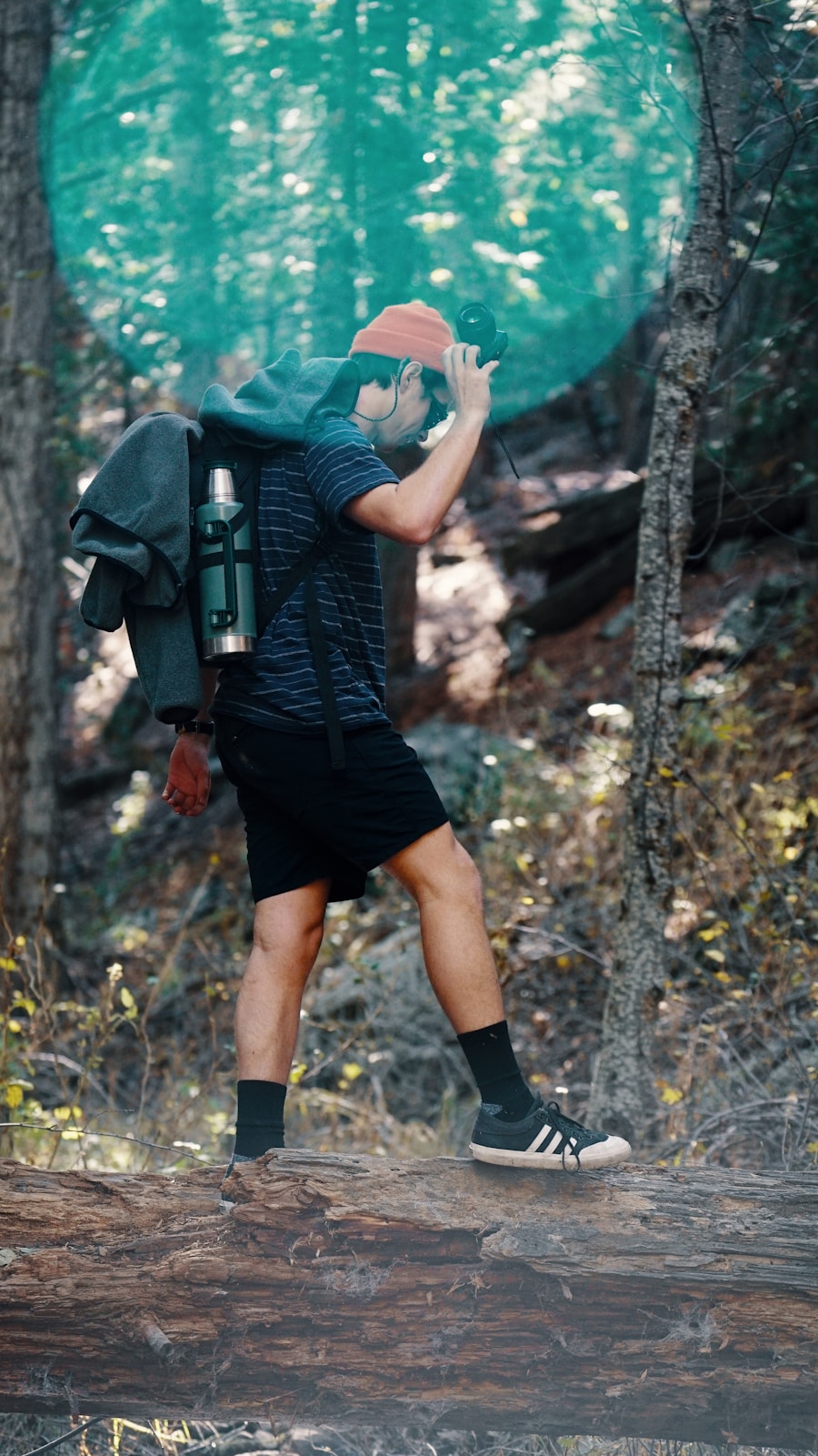
Hydration packs keep a drinking hose close at hand, which can make small, comfortable drinks easier while walking. Many also include storage compartments for snacks, rain gear, a first-aid kit, and other day-hiking essentials.
The main drawback is that it can be harder to see exactly how much water remains in a bladder. Check the reservoir during breaks instead of discovering late in the hike that it is nearly empty.
Water Bottles: Simple, Lightweight, and Easy to Monitor
Reusable bottles are inexpensive, easy to refill, and make it obvious how much water you have left. Choose durable bottles that fit securely in your pack. Collapsible bottles can also be useful as extra capacity because they take up little room when empty.
For remote routes, carrying water in more than one container provides some redundancy if a bottle leaks or a hydration reservoir is punctured.
Safe Drinking Water: Filters, Purifiers, and Disinfection
Do not assume a clear mountain stream is safe to drink. Human and animal waste can introduce bacteria, viruses, and parasites that are invisible to the eye.
The CDC’s current backcountry water-treatment guidance says boiling is the best general method for killing germs. Bring clear water to a rolling boil for 1 minute; above 6,500 feet (2,000 meters), boil it for 3 minutes.
If boiling is not practical, CDC guidance generally favors filtering the water and then disinfecting it. Many ordinary backpacking filters remove parasites and some bacteria but do not remove viruses, so read the manufacturer’s specifications instead of assuming that every filter handles every pathogen.
Warning: Boiling, filtering, or disinfecting does not make water contaminated with fuel, toxic chemicals, harmful algal toxins, or radioactive material safe. Use a different water source when chemical contamination is suspected.
Hydration Strategies for Different Types of Hikes
Short Day Hikes
On a short hike in comfortable weather, a bottle or small hydration reservoir may be enough. Even then, consider whether a wrong turn, injury, or longer-than-expected stop could keep you out for several extra hours.
Hot or Desert Hikes
Heat can sharply increase both water demand and the risk of heat illness. Desert parks may recommend planning around roughly a quart or liter per hour during hot summer hiking. Carrying water is only one part of the strategy: start early, use shade, lower your pace, and be willing to shorten or cancel the hike when conditions are extreme.
High-Altitude Hikes
Dry air and faster breathing can increase water loss at altitude, while altitude symptoms such as headache, fatigue, and nausea may resemble dehydration. Maintain normal hydration, but do not force excessive fluid in an attempt to prevent altitude sickness.
Cool and Cold-Weather Hikes
You may sweat less in cool weather, but you still lose water through breathing and activity. Because thirst can be less noticeable, keep water accessible rather than burying it deep in your pack. In freezing weather, prevent bottles and hydration hoses from freezing.
Multi-Day and Backcountry Hikes
Long trips require a water-source plan rather than simply carrying every liter from the trailhead. Check current source reports, know the distance between sources, carry enough storage for the driest section, and bring an appropriate treatment method plus a backup when failure would leave you without safe water.
When Electrolytes Make Sense
Sweat contains sodium, so hikers exercising for a long time in hot conditions may benefit from sodium-containing food or drinks. You do not necessarily need a sports drink for a short, easy hike; ordinary meals and snacks often provide plenty of electrolytes.
Most importantly, adding electrolytes does not cancel the risk of drinking excessive fluid. Even sports drinks can contribute to exercise-associated hyponatremia when consumed far beyond what the body needs.
Importance of Rehydrating After Hiking
Rehydration after a hike helps replace fluid lost through sweat and breathing and supports normal recovery. There is no need for every hiker to follow the same “1–2 cups within 30 minutes” rule. Your needs depend on the length of the hike, weather, how heavily you sweated, and how much you drank along the way.
After an ordinary hike, drink according to thirst over the next several hours and eat a normal meal or snack. After a long, hot, sweaty hike, food or an electrolyte-containing drink can also help replace sodium. Avoid trying to correct a perceived fluid deficit by rapidly drinking a very large volume at once.
Urine gradually returning toward its usual pale-yellow appearance can be one practical clue that hydration is returning to normal, although urine color should not be used as the only measure.
If dizziness, vomiting, severe headache, confusion, unusual weakness, or other significant symptoms persist despite rest and cooling, seek medical care rather than assuming that drinking more water will solve the problem.
When planning a hiking trip, do not rely on a universal rule such as “two liters for every day hike.” Check the expected hiking time, temperature, elevation gain, exposure to sun, current water-source status, and distance between reliable refills. A route with no dependable water may require carrying the entire supply, while a backcountry route with reliable sources requires suitable treatment equipment and enough storage to travel safely from one source to the next.
Love travel? Join Our Facebook Community For More Tips.
Frequently Asked Questions
How much water should I take hiking?
For planning purposes, about 0.5 liter (17 ounces) per hour is a reasonable starting point for moderate hiking in mild weather. Hot, dry, or strenuous hiking may require planning for closer to 1 liter (34 ounces) per hour. These are carry estimates, not mandatory drinking quotas. Start hydrated and drink to thirst during the hike.
What factors should I consider when determining how much water to take hiking?
Consider expected hiking time, temperature, humidity, direct sun, elevation gain, altitude, pace, pack weight, your usual sweat rate, and the location and reliability of water sources. Always allow for delays or a water source that is unexpectedly dry.
What are the risks of not taking enough water while hiking?
Too little fluid can contribute to dehydration, increased physical strain, dizziness, fatigue, and heat illness. Severe heat illness can become life-threatening. Hydration helps, but water alone cannot make strenuous hiking safe in extreme heat.
How can I ensure I stay properly hydrated while hiking?
Begin the hike normally hydrated, carry enough water for the route and conditions, keep it easy to reach, and drink in response to thirst. On long or hot hikes, eat regularly and consider salty foods or an electrolyte drink when you are sweating heavily. Avoid forcing large amounts of fluid simply to meet an hourly target.
Are there any tips for conserving water while hiking?
The safest approach is to reduce how quickly you lose water rather than deliberately restricting needed fluid. Hike during cooler hours, slow your pace, rest in shade, choose a shorter route in extreme heat, and plan dependable refill points. If your supply is unexpectedly low, turn back or move toward a known safe water source instead of continuing strenuous hiking while dehydrated.
Do I need electrolytes when hiking?
Not always. Water and normal food are usually adequate for short, moderate hikes. Salty foods or electrolyte drinks become more useful during prolonged, hot, sweaty activity. Electrolytes do not prevent hyponatremia if you drink substantially more fluid than your body needs.
Is stream or lake water safe to drink while hiking?
Untreated surface water should not be assumed safe. CDC guidance recommends boiling when possible. If boiling is not practical, an appropriate filtration method followed by disinfection is generally the next-best option. Follow the treatment-product instructions because different filters and disinfectants remove different types of germs.
Sources
- Wilderness Medical Society Clinical Practice Guidelines for the Prevention and Treatment of Heat Illness: 2024 Update — hydration, heat illness, and drink-to-thirst guidance.
- American Family Physician: Exercise-Associated Hyponatremia — Updated Wilderness Medical Society Guidelines — overhydration, symptoms, and prevention.
- CDC: Water Treatment Options When Hiking, Camping, or Traveling — boiling, filtration, disinfection, and backcountry water safety.
- National Park Service: Saguaro National Park Hiking Safety — hot, dry-weather hiking and water planning.
- National Park Service: Hiking at High Altitudes — altitude, dry air, and hydration considerations.
- National Institute of Diabetes and Digestive and Kidney Diseases: Bladder Health and Hydration — urine color and individual fluid considerations.
