
Last Updated on August 26, 2026 by Daniel Globe
Sicily is one of Italy’s most distinctive food destinations, with recipes shaped by the island’s Mediterranean location, agricultural traditions, fishing culture, and centuries of contact with Greek, Roman, Arab, Norman, Spanish, and other peoples. From sweet-and-sour caponata and crisp arancine to pasta alla Norma, cannoli, granita, and seafood specialties, the best Sicilian foods are closely tied to particular cities and regions.
Quick Answer
Some of the most traditional Sicilian foods to try are caponata, arancine or arancini, pasta alla Norma, sfincione, pasta con le sarde, panelle, couscous alla trapanese, cannoli, cassata, granita with brioche, and bottarga. What you find changes across Palermo, Catania, Trapani, southeastern Sicily, and the island’s coastal towns.
Key Takeaways
- Palermo is especially famous for street foods such as arancine, panelle, crocchè, sfincione, and pani câ mèusa.
- Catania is the home of pasta alla Norma, made with tomato, fried aubergine, basil, and ricotta salata.
- Western Sicily and Trapani are known for fish couscous, busiate pasta, almonds, tuna products, and other North African-influenced flavors.
- Cannoli, cassata, and granita are among the island’s signature sweets, while granita with brioche is also a classic Sicilian breakfast.
- Sicilian recipes vary by town, so the same food may have a different name, shape, filling, or preparation as you travel around the island.
Disclosure: As an Amazon Associate I earn from qualifying purchases. Some links on this page are affiliate links, at no extra cost to you.
Discover the Richness of Sicilian Cuisine
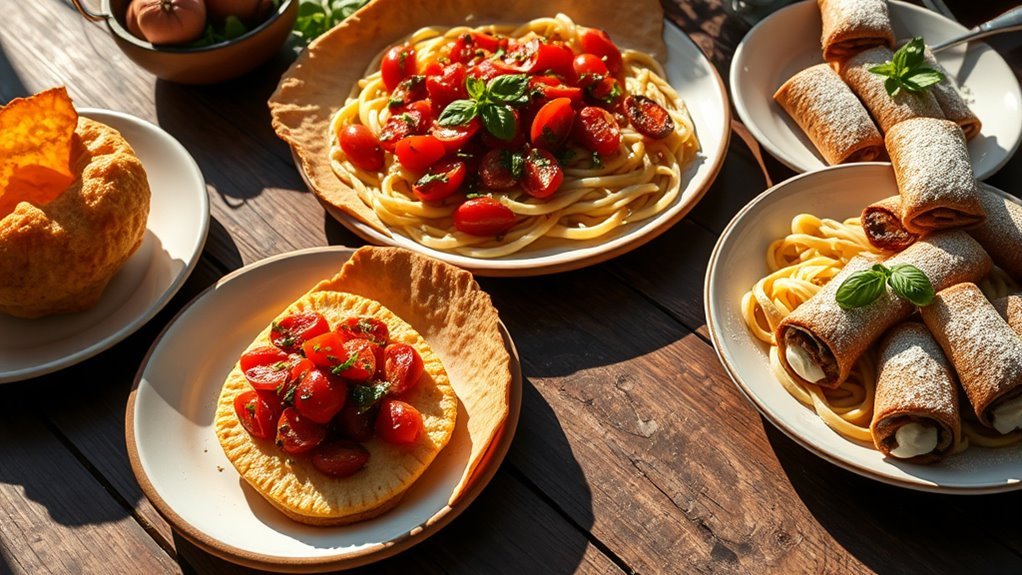
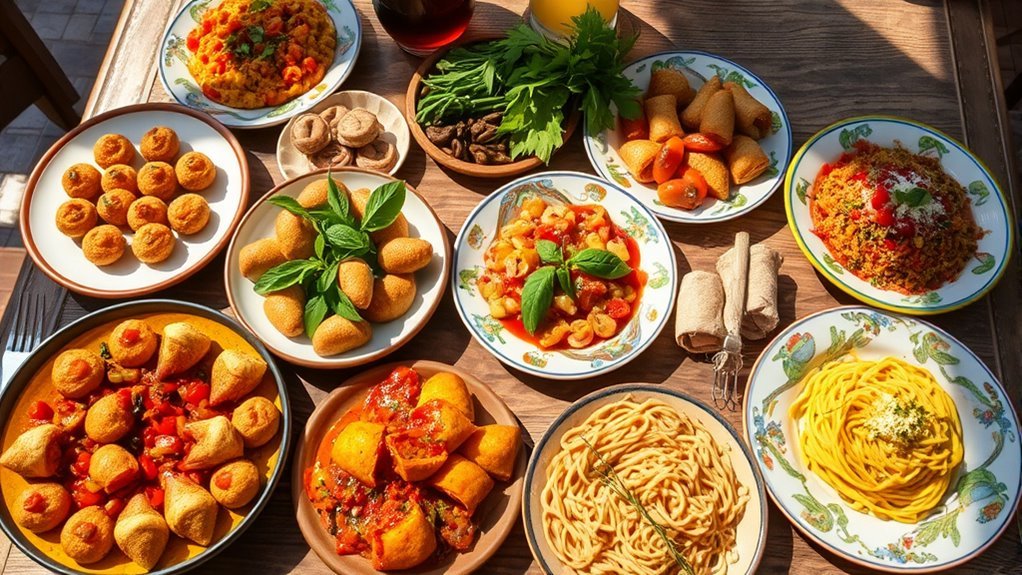
Sicilian cuisine combines produce, grains, cheeses, seafood, preserved ingredients, sweets, and street food in ways that reflect the island’s geography and long history. Italy’s official tourism portal highlights influences from Phoenicians, Greeks, Romans, Arabs, Normans, and Spaniards, along with ingredients such as citrus, tomatoes, pistachios, almonds, saffron, fish, and vegetables. You can explore that overview on Italia.it’s guide to typical Sicilian dishes.
Some foods are strongly associated with one place. Pasta alla Norma belongs to Catania, while Palermo is famous for its markets and fried street food. Trapani and western Sicily have strong couscous, tuna, almond, and pasta traditions. That regional identity is one reason it is worth trying the same category of food in more than one Sicilian city.
Wine is part of the experience too. Sicily produces Nero d’Avola, Nerello Mascalese, Marsala, Moscato di Pantelleria, and many other styles, so local restaurants can usually suggest a regional pairing for seafood, pasta, meat, or dessert.
Note: The fried rice specialty may be called arancina or arancino. Western Sicily, including Palermo, commonly uses the feminine form, while eastern Sicily commonly uses the masculine form. Both are part of Sicilian food culture.
Caponata: A Must-Try Sicilian Dish
Caponata is a sweet-and-sour vegetable preparation built around aubergine. A classic Palermo-style version combines fried aubergine with celery, onion, tomato, olives, capers, vinegar, and sugar, producing the characteristic agrodolce balance of savory, acidic, and sweet flavors.
The dish is often served as an antipasto or side and is commonly enjoyed at room temperature. Recipes differ across the island. Visit Sicily notes versions associated with Palermo, Agrigento, Catania, Messina, and Trapani, with additions that can include peppers, almonds, pine nuts, raisins, honey, garlic, or potatoes. See the official Visit Sicily caponata guide for the regional variations.
Caponata also shows why simple origin stories can be misleading. One official Sicilian account connects the name with caponada and capone, a term used for lampuga, or mahi-mahi, which was served with a sweet-and-sour dressing before less expensive aubergine became central to the preparation. Whatever version you encounter, the key experience is the contrast between silky aubergine, salty capers and olives, and the vinegar-and-sugar dressing.
Arancini: Iconic Stuffed Rice Balls
Arancine and arancini are among Sicily’s best-known street foods: cooked rice is shaped around a filling, coated in breadcrumbs, and fried until crisp. Classic fillings include meat ragù and peas or a “butter” style containing béchamel, ham, and cheese. Today you will also see versions with pistachio, mushrooms, seafood, aubergine, and other ingredients.
Origin and History
The exact origin is not settled. Visit Sicily’s official history of arancine and arancini describes them as early-medieval or possibly Arabic in origin, noting the use of saffron-flavored rice with meat and vegetables. Later stories connect breading and frying with the need to make portions easier to carry, but these accounts should be treated as culinary tradition rather than precisely documented invention dates.
The regional naming difference is easier to observe today. In Palermo, round versions are commonly called arancine. In eastern Sicily, especially around Catania, conical forms are common and arancini or singular arancino is widely used.
Popular Fillings
- Ragù: meat sauce, peas, and cheese in one of the most traditional versions.
- Al burro: typically béchamel, cooked ham, and cheese; the name refers to the style rather than a ball filled only with butter.
- Alla Norma: a modern variation inspired by aubergine, tomato, and cheese flavors associated with pasta alla Norma.
- Pistachio and other contemporary fillings: widely offered by modern rosticcerie and bakeries.
Best Places to Enjoy
Look for arancine or arancini at busy bakeries, rosticcerie, bars, and street-food counters where batches are fried regularly. In Palermo, the Ballarò, Capo, and Vucciria market areas are well-known places to explore the city’s street-food culture. Visit Sicily’s Palermo street-food guide identifies these historic markets and the city’s range of fried snacks.
Pro Tip: Do not worry about choosing between “arancina” and “arancino” before your trip. Follow the local wording where you are eating—the naming difference is part of the fun of traveling across Sicily.
Pasta Alla Norma: A Classic Sicilian Staple
Pasta alla Norma is closely associated with Catania. Its defining combination is tomato sauce, fried aubergine, fresh basil, and grated ricotta salata. The result is rich without requiring a complicated sauce: sweetness from tomato and aubergine is balanced by the salty, firm cheese.
Ingredients and Preparation
The official Visit Sicily Pasta alla Norma recipe describes the dish as originating in Catania and commonly uses macaroni, with penne rigate or similar short pasta also listed. The aubergine is fried, tomato sauce is flavored simply with garlic and basil, and ricotta salata is grated over the finished pasta.
The dish’s name is traditionally linked with Vincenzo Bellini’s opera Norma, although several anecdotes compete to explain exactly how the name was coined. It is safer to treat those stories as part of Catania’s culinary folklore rather than as one fully proven account.
Regional Variations Explored
You may encounter different pasta shapes, quantities of aubergine, tomato preparations, or modern reinterpretations around Sicily. However, tomato, fried aubergine, basil, and ricotta salata remain the benchmark ingredients. Versions that replace those elements substantially are better understood as adaptations rather than the traditional Catania preparation.
Sfincione: Sicily’s Unique Thick-Crust Pizza
Sfincione is a soft, bread-like Sicilian pizza strongly associated with Palermo and the surrounding area. Instead of the thin, blistered base many travelers associate with Neapolitan pizza, sfincione has a thicker, airy crumb and is often baked in large trays.
The Palermo version typically combines tomato, slowly cooked onion, anchovy or salted sardine, caciocavallo, oregano, and breadcrumbs. The crumbs are added near the end of baking and help give the surface a distinctive texture. Visit Sicily’s official sfincione guide also explains that the nearby Bagheria version differs, including versions with ricotta and fresh cheese.
You can find sfincione in bakeries, markets, street-food stalls, and traditional food shops. It works equally well as a quick snack or as part of a larger Palermo street-food tasting.
Products Worth Considering

10 oz organic rustic white pizza crust

1 pack of 3 pizza crusts

One 13.8-ounce container of Original Pizza Crust
Pasta Con Le Sarde: A Must-Try Seafood Dish
Pasta con le sarde is one of Sicily’s most distinctive pasta dishes, combining the sea with ingredients from the island’s interior. A traditional version uses pasta such as bucatini with fresh sardines, wild fennel, raisins, pine nuts, onion, and olive oil. Some recipes also use salted sardines, saffron, toasted breadcrumbs, or tomato depending on the area.
The combination is deliberately complex: sardines bring saltiness and richness, wild fennel adds anise-like freshness, raisins add sweetness, and pine nuts add texture. Visit Sicily’s official pasta con le sarde recipe notes that Sicilian versions may be made in bianco, with tomato, or baked.
| Ingredient | What It Adds |
|---|---|
| Fresh sardines | Rich, savory seafood flavor |
| Wild fennel | Fresh, aromatic, anise-like notes |
| Raisins | Sweet contrast |
| Pine nuts | Nutty flavor and texture |
Products Worth Considering

Authentic pasta con sarde seasoning Imported from Italy


Cannoli: The Sweetest Sicilian Indulgence
Cannoli are crisp fried pastry shells filled with sweetened ricotta, traditionally sheep’s-milk ricotta. Common finishing touches include dark chocolate, candied orange, chopped pistachios, and powdered sugar.
Visit Sicily’s cannoli guide describes them as desserts that were once associated particularly with Carnival but are now made throughout the year. It also notes that pieces of cane were historically used as molds for the tubular shells, helping explain the dessert’s name.
For the best texture, look for cannoli filled close to serving time. A freshly filled shell stays crisp against the creamy ricotta, while one that has sat filled for a long period can soften.
Cassata Siciliana: A Festive Cake
Cassata Siciliana is one of the island’s most elaborate traditional desserts. The familiar decorated version combines sponge cake, sweetened ricotta, almond paste or marzipan, icing, and brightly colored candied fruit.
Its history is complicated. Visit Sicily notes that even the name has competing explanations: one possibility connects it with Arabic qas’at, meaning a basin, while another connects it with the Latin caseum, or cheese. The dessert itself changed over centuries as Sicily’s pastry traditions absorbed new ingredients and techniques. See the official Cassata Siciliana guide.
You may also encounter cassata al forno, particularly around Palermo. It is a less ornate baked version with pastry and a ricotta-based filling rather than the colorful exterior associated with classic decorated cassata.
Granita: A Refreshing Summer Dessert
Sicilian granita is a semi-frozen preparation made from water, sugar, and flavoring ingredients such as lemon, almond, coffee, pistachio, strawberry, peach, or mulberry. Its texture varies around the island but is generally finer and creamier than a simple cup of shaved ice.
Origin and Tradition
Sicily has a long tradition of using mountain snow for frozen refreshments. According to Visit Sicily’s history of granita, workers known as nivaroli collected winter snow from mountains including Etna and stored it in insulated neviere. Snow was later used in the preparation of chilled fruit drinks and frozen sweets, and the techniques evolved into the granita enjoyed today.
Granita is not limited to dessert. In many parts of Sicily it is a breakfast ritual, especially when served with a soft brioche topped with its characteristic tuppo. The brioche can be torn into pieces and dipped directly into the granita.
Flavor Variations Available
Popular flavors include lemon, almond, pistachio, coffee, mulberry, strawberry, chocolate, and seasonal fruit. Flavor preferences and textures differ by town, so trying granita in more than one part of eastern Sicily can be worthwhile.
If you want a distinctly Sicilian morning experience, order granita with brioche rather than treating it only as an after-dinner sweet.
Bottarga: The Unique Fish Roe Experience
Bottarga is fish roe that has been salted and cured until firm enough to slice or grate. Sicily is particularly associated with tuna bottarga in coastal areas with long tuna-fishing traditions. Visit Sicily specifically recommends tuna bottarga in Marzamemi, while western Sicily also has a strong tradition of using tuna and its preserved products.
Bottarga has a concentrated salty, marine flavor, so a small amount can transform otherwise simple food. Common ways to try it include:
- Grated over pasta with olive oil.
- Shaved thinly as part of an antipasto.
- Served with lemon or another acidic element to balance its salinity.
- Combined with simple bread, pasta, or vegetables that allow the cured roe to remain the dominant flavor.
If you enjoy anchovies, cured fish, or other strong seafood flavors, bottarga is worth seeking out. If you prefer mild seafood, start with a small serving because its flavor is concentrated.
More Traditional Sicilian Foods Worth Trying
Panelle and Crocchè
Panelle are thin chickpea-flour fritters closely associated with Palermo. They are commonly eaten inside bread with salt, pepper, and a squeeze of lemon. Crocchè, also called cazzilli, are fried potato croquettes and are often served alongside them. The official Visit Sicily panelle and crocchè guide identifies both as classic Palermo street foods.
Pani Câ Mèusa
Pani câ mèusa, or bread with spleen, is one of Palermo’s most distinctive street foods. It traditionally consists of a soft sesame-topped roll filled with cooked calf spleen and other offal. It is not for every traveler, but anyone interested in Palermo’s historic working-class food culture will encounter it repeatedly in market and street-food discussions.
Couscous Alla Trapanese
Western Sicily’s proximity and historical links to North Africa are especially visible in Trapani’s couscous tradition. Unlike many North African meat or vegetable couscous preparations, the Trapani version is strongly associated with fish and seafood broth. It is one of the clearest examples of why Sicilian food should be explored region by region rather than treated as one uniform cuisine.
Busiate With Pesto Trapanese
Busiate are spiral-shaped pasta associated with western Sicily. One classic pairing is pesto alla trapanese, a raw-style sauce built around tomatoes, garlic, basil, almonds, olive oil, and often local cheese. It gives travelers another important Sicilian pasta experience beyond pasta alla Norma and pasta con le sarde.
Sarde a Beccafico
Sarde a beccafico are sardines prepared with a seasoned breadcrumb filling that may include raisins and pine nuts. The precise style differs around Sicily, but the dish reflects the island’s habit of combining fish with sweet, savory, aromatic, and crunchy ingredients.
Modica Chocolate
Chocolate from Modica is another Sicilian specialty worth seeking out, especially in southeastern Sicily. Its traditional processing leaves a noticeably grainy sugar texture rather than the uniformly smooth finish of many modern chocolate bars. Italy’s national tourism portal includes Modica chocolate among Sicily’s notable food products.
What to Eat Where in Sicily
| Area | Foods to Look For |
|---|---|
| Palermo | Arancine, panelle, crocchè, sfincione, pani câ mèusa, pasta con le sarde, cannoli, cassata |
| Catania and eastern Sicily | Pasta alla Norma, arancini, granita with brioche, pistachio-based sweets and dishes |
| Trapani and western Sicily | Fish couscous, busiate with pesto trapanese, tuna products, bottarga, cassatelle |
| Modica and Ragusa area | Modica chocolate, local cheeses, scacce and southeastern baked specialties |
| Marzamemi and southeastern coast | Tuna, tuna bottarga, preserved seafood, tomatoes and seafood dishes |
Warning: Sicilian foods frequently contain wheat, dairy, eggs, pistachios or other nuts, fish, shellfish, or ingredients fried in shared oil. If you have a serious food allergy, tell the restaurant or vendor clearly and ask about both ingredients and cross-contact before ordering.
Frequently Asked Questions
What Are the Best Restaurants to Try Sicilian Dishes?
There is no single best restaurant for all Sicilian food because dishes are highly regional. Look for busy local trattorias, bakeries, rosticcerie, pastry shops, and market stalls serving the specialty associated with that town. Palermo’s historic markets are strong for street food, while Catania is an obvious place for pasta alla Norma and eastern-style arancini.
Are There Vegetarian Options in Sicilian Cuisine?
Yes. Caponata, panelle, many vegetable dishes, and pasta alla Norma are common choices, although cheese and preparation methods vary. Always confirm that a supposedly vegetarian dish does not contain anchovies, fish stock, meat, or shared frying ingredients.
How Does Sicilian Cuisine Differ From Mainland Italian Cuisine?
Sicilian cooking reflects the island’s own agriculture, fishing traditions, and long history of Mediterranean cultural exchange. Ingredients and combinations such as citrus, almonds, pistachios, raisins, pine nuts, saffron, wild fennel, sweet-and-sour sauces, couscous, seafood, and ricotta give many dishes a character distinct from other Italian regions.
What Local Ingredients Are Essential in Sicilian Cooking?
Common ingredients include aubergines, tomatoes, citrus, olives, capers, almonds, pistachios, ricotta, pecorino-style cheeses, durum wheat, sardines, tuna, swordfish, wild fennel, raisins, pine nuts, and extra-virgin olive oil. The exact mix changes considerably by province and season.
Can I Find Sicilian Dishes Outside of Sicily?
Yes. Sicilian restaurants and bakeries around the world serve dishes such as arancini, pasta alla Norma, cannoli, and caponata. However, regional ingredients, local ricotta, fresh seafood, traditional pastry methods, and the setting can make the experience in Sicily noticeably different.
What Is the Most Famous Food in Sicily?
Arancine or arancini, cannoli, pasta alla Norma, caponata, and granita are among Sicily’s most internationally recognized foods. No single dish represents the whole island because Palermo, Catania, Trapani, Messina, Ragusa, Siracusa, and other areas have distinct specialties.
What Should I Eat for Breakfast in Sicily?
A classic warm-weather choice is granita with brioche, especially in eastern Sicily. Coffee, pastries, and other Italian breakfast foods are also widely available, but granita and a soft brioche with a “tuppo” make one of the island’s most memorable breakfast experiences.
Conclusion
Sicilian cuisine is best understood as a collection of local traditions rather than one fixed menu. Start with icons such as caponata, arancine or arancini, pasta alla Norma, pasta con le sarde, sfincione, cannoli, cassata, and granita, then look for the foods tied to the area you are visiting. Palermo’s street food, Catania’s Norma and granita culture, Trapani’s couscous and busiate, and Sicily’s coastal seafood traditions each reveal a different side of the island.
Sources
- Italia.it — Typical Sicilian Products and Dishes — overview of Sicily’s culinary influences, signature dishes, produce, sweets, and wines.
- Visit Sicily — Arancino and Arancina — regional naming, shapes, fillings, and qualified historical background.
- Visit Sicily — Pasta alla Norma — Catania origin, traditional ingredients, and preparation.
- Visit Sicily — Caponata — ingredients, agrodolce preparation, history, and regional variations.
- Visit Sicily — Pasta con le Sarde — traditional ingredients and regional preparation differences.
- Visit Sicily — Official Sicilian Recipes — regional reference collection covering traditional street foods, pasta, pastries, and other specialties.
