
Last Updated on July 24, 2026 by Daniel Globe
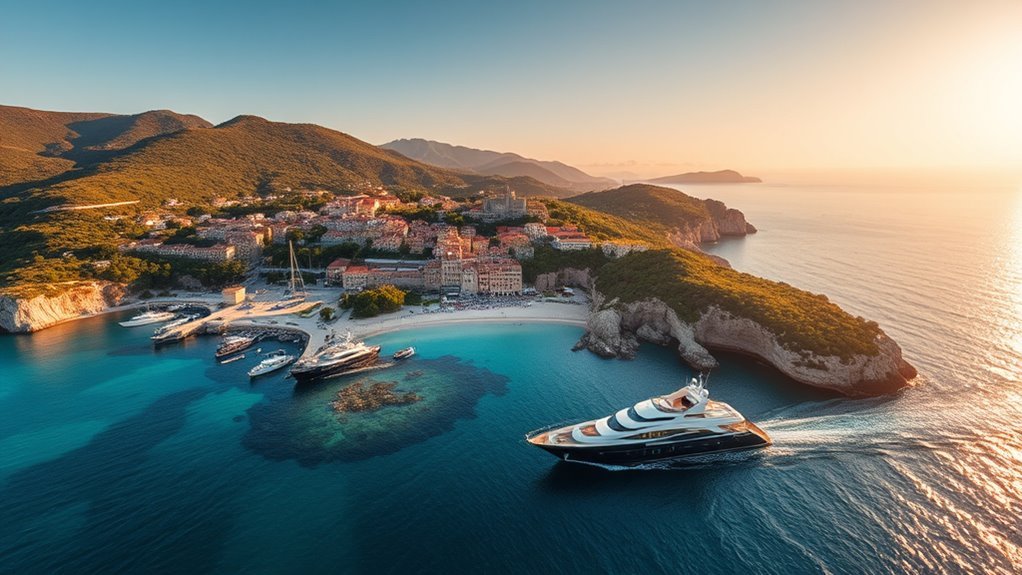
Sardinia is a Mediterranean gem packed with unforgettable travel experiences. From Alghero’s Catalan heritage and historic sea ramparts to Bosa’s pastel-colored streets, the island balances rich cultural history with stunning natural landscapes. Whether you want to relax on the turquoise shores of La Pelosa Beach in Stintino, explore medieval fortresses like Doria Castle in Castelsardo, or sail through the pristine La Maddalena Archipelago, Sardinia offers destinations for every type of traveler. This comprehensive travel guide covers the absolute best places to visit across Sardinia, complete with insider tips, historical insights, and practical 2026 visitor guidelines.
Quick Answer
The best places to visit in Sardinia depend on your travel style. Head to Alghero and Bosa for Catalan-gothic architecture, colorful historic centers, and coastal history. For world-class beaches and aquatic sports, prioritize La Pelosa in Stintino, the La Maddalena Archipelago, and Villasimius. History enthusiasts should explore the ancient seaside Nora Ruins in Pula and Doria Castle in Castelsardo.
Key Takeaways
- Northwest Coast: Alghero and Castelsardo combine medieval fortresses, coral craftsmanship, and coastal scenic routes.
- Beach Regulations: Famous spots like La Pelosa Beach require mandatory online advance reservations (€3.50 fee) and rigid straw mats under towels.
- Sailing & Islands: Renting a boat in Palau or taking a charter through La Maddalena Archipelago provides access to secluded coves.
- Southern Charm: Pula and Villasimius offer ancient Phoenician-Roman archaeological sites alongside protected marine areas.
Disclosure: As an Amazon Associate I earn from qualifying purchases. Some links on this page are affiliate links, at no extra cost to you.
Alghero: Catalan Heritage and Coastal Beauty
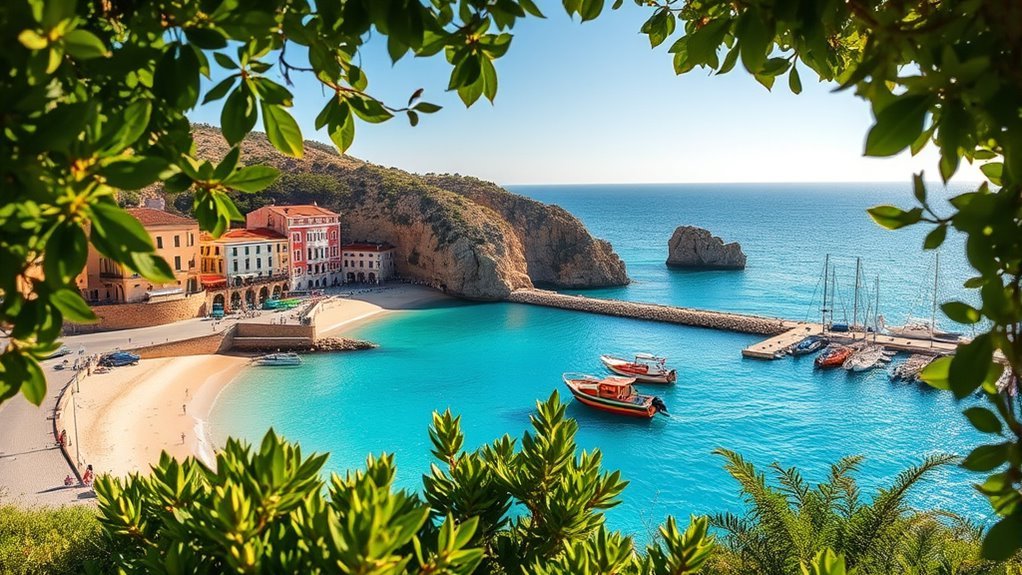
When you step into Alghero, you are immersing yourself in a unique blend of Catalan heritage and Mediterranean coastal scenery. Often referred to as Barceloneta (Little Barcelona), Catalan influences remain vibrant here—from the local dialect still spoken by residents to the seafood-centric cuisine served along the waterfront.
Walking along the well-preserved 16th-century sea ramparts (Bastioni) offers breathtaking views over the Mediterranean, making it one of the top spots on the island for catching sunset. History enthusiasts can explore nearby archaeological landmarks such as the Nuraghe Palmavera and the Anghelu Ruju Necropolis, which reveal Sardinia’s prehistoric Nuragic civilization dating back to 1500 BC.
After a day of sightseeing, relax on local sandy stretches like Maria Pia Beach and Lido San Giovanni, famous for their gentle pine-lined shores and clear waters. Do not miss Alghero’s Coral Museum, where you can learn about the traditional red coral craftsmanship (Corallium rubrum) that has defined the local artisan economy for centuries.
Pro Tip: Take a short drive or boat ride from Alghero port to Capo Caccia to explore Neptune’s Cave (Grotte di Nettuno). You can access this dramatic marine cavern by sea or by descending the famous Escala del Cabirol—a cliffside staircase carved into the rock face with 654 steps.
Bosa: Pastel Architecture and River Charm
Nestled along the western bank of the Temo River—Sardinia’s only navigable river—Bosa captivates visitors with its hillside rainbow of pastel houses, cobblestone alleyways, and laid-back atmosphere.
Must-See Landmarks in Bosa
The defining landmark of Bosa is the 12th-century Malaspina Castle (Castello Serravalle), perched atop Serravalle Hill. Climbing up to the fortress rewards you with panoramic views across the tiled roofs of the historic Sa Costa district, the Temo River, and the surrounding green valleys. Down by the coast, Bosa Marina offers dark volcanic sands that create a striking visual contrast to Sardinia’s typical white beach shores.
Vibrant Local Culture & Artisan Heritage
Bosa’s culture comes alive in its artisan quarters. Across the river lies Sas Conzas, 19th-century industrial tanneries that are now recognized as a national historic monument. Local markets and boutique shops showcase traditional Sardinian crafts, including handmade filet lace, intricate ceramics, and woven textiles. To explore regional travel guides and cultural preservation itineraries, visit the official portal at Sardegna Turismo.
Culinary Highlights & Malvasia Wine
Bosa is a culinary haven for food lovers seeking authentic Sardinian flavors. Local trattorias specialize in freshly caught spiny lobster, sea urchin pasta, and cured cheeses. Accompany your meal with a glass of chilled Malvasia di Bosa, a prestigious DOC dessert wine cultivated on the sunny hillsides surrounding the town.
La Pelosa Beach, Stintino: Paradise with Protected Dunes
Located on the northwestern tip of Sardinia overlooking the Gulf of Asinara, La Pelosa Beach in Stintino is world-famous for its shallow turquoise waters and white quartz sand that resemble the Caribbean. The backdrop is framed by the historic 16th-century watchtower, Torre della Pelosa, standing on an islet just off the coast.
The calm, shallow conditions make La Pelosa ideal for families, swimmers, and paddleboarders. However, due to its global popularity and delicate ecosystem, local authorities strictly regulate visitor access during peak summer months.
Warning: To protect the beach from sand erosion, entry to La Pelosa is strictly capped at 1,500 visitors per day between May 15 and October 15. Tickets cost €3.50 per person (free for children under 12). You must book online via the official Spiaggia La Pelosa Booking Portal. Additionally, placing towels directly on the sand is illegal—you must place a rigid straw or bamboo mat underneath your towel to prevent taking sand away. Fines for non-compliance start at €100.
Products Worth Considering

VERSATILE GROUND MAT: This big mat can be used for a picnic, for relaxing under an umbrella at the beach, as an RV outdoor mat, for concerts, or reading outside under a blanket. It can be used on the interior as a play pad for kids and their toys.

Package Included:This set contains 6 pieces of practical straw beach mat. Each sunbathing mat measures 24 x 70 inches, a proper dimension for single use or casual sharing.

Thicker EVA Soles and Unisex Design: Features 1.5cm and above EVA soles, unisex styling, big size availability, suitable for wider feet, Japanese style, lightweight yet sturdy construction for floor, indoor, bedroom, home, living room, spa, beach, holiday, casual, and house use
Castelsardo: Medieval History at Doria Castle
Perched dramatically on a rocky promontory jutting into the Gulf of Asinara, the medieval town of Castelsardo is recognized as one of Italy’s most picturesque fortified villages.
Doria Castle History & Architecture
Built in the 12th century by the powerful Genoese Doria family, Doria Castle was designed as an impenetrable stronghold against pirate raids and naval invaders. Walking through its narrow stone passages offers a real sense of medieval military engineering. Inside the castle walls, you will find the Museo dell’Intreccio Mediterraneo (Museum of Mediterranean Weaving), dedicated to Sardinia’s tradition of basket weaving using local dwarf palm fibers.
Coastal Panoramas & Sunset Views
The castle ramps and upper bastions provide 360-degree views across the Gulf of Asinara. On clear days, you can see all the way to the southern coastline of Corsica. Sunsets here transform the sea and stone ramparts into warm shades of gold and amber, making it an incredible location for photography.
Craftsmanship & Nearby Landmarks
As you descend the winding stairways of the old town, local artisans can often be seen weaving traditional baskets outside their doorway shops. Just outside Castelsardo along the main road toward Sedini, make sure to stop at the Elephant Rock (Roccia dell’Elefante)—a natural trachyte rock formation eroded by wind to resemble an elephant, which also houses prehistoric Neolithic tombs (domus de janas) inside.
Santa Teresa Gallura: Granite Landscapes and Family Beaches
Santa Teresa Gallura sits at Sardinia’s northernmost tip, directly across the Strait of Bonifacio from Corsica. Known for its clear waters, dramatically shaped granite rocks, and coastal hiking trails, it serves as an ideal base for active travelers and families.
Rena Bianca is the town’s main beach, famous for its soft white sand tinted with fine pink coral specks. Its shallow entry and sheltered position make it exceptionally safe for young swimmers. For panoramic views across the strait to the white chalk cliffs of Corsica, take a short hike up to the 16th-century Longosardo Tower.
A short drive west leads to Capo Testa, a peninsula featuring giant granite boulders sculpted into surreal shapes by wind and sea. Winding footpaths lead through Mediterranean scrub to hidden coves like Valle della Luna, a secluded granite valley favored by nature lovers.
Villasimius: Marine Protected Reserves and Nightlife
Situated on Sardinia’s southeastern tip, Villasimius seamlessly combines relaxing beach days, outdoor water sports, and energetic evening entertainment.
Nightlife Hotspots in Villasimius
When the sun sets, Villasimius transforms into a lively social hub. The central piazza and coastal avenues fill with open-air lounge bars, seafood restaurants, and beach clubs. Popular spots like Tiki Club and local seaside lounges host live music and DJ sets late into the summer night.
Water Sports & Coastal Adventures
During the day, beaches like Porto Giunco and Simius Beach serve as launch points for windsurfing, kitesurfing, and stand-up paddleboarding. Steady coastal winds create ideal conditions for beginner and experienced riders alike.
Capo Carbonara Marine Protected Area
Villasimius is renowned for the Capo Carbonara Marine Protected Area. Clear underwater visibility makes this a premier destination in Sardinia for scuba diving and snorkeling. Guided boat excursions offer the chance to explore underwater granite pinnacles, shipwreck sites, and dense seagrass beds populated by barracudas, groupers, and sea turtles.
La Maddalena Archipelago: Island Hopping & Pristine Coves
The La Maddalena Archipelago consists of seven main islands and dozens of smaller granite islets scattered off the northeastern coast of Gallura. Designated as a national park, the area is celebrated for its turquoise waters, secluded coves, and pristine natural environment.
To start your journey, take the short 15-minute car ferry ride from Palau to the main island of La Maddalena. From there, cross the road bridge to the neighboring island of Caprera, famous for pine forests, hidden coves like Cala Coticcio (often nicknamed “Tahiti”), and the historic museum estate of Italian national hero Giuseppe Garibaldi.
Note: The best way to explore smaller islands like Spargi, Budelli, and Razzoli is by boat. Boat tours range from group catamaran cruises (€60–€100/person) to self-drive rubber dinghy (gommone) rentals (€180–€400/day plus fuel depending on the season). For park rules, anchor zone maps, and official guidelines, consult the Parco Nazionale dell’Arcipelago di La Maddalena Portal.
Porto Cervo: Luxury Dining & Costa Smeralda Glamour
Conceived in the 1960s by Prince Shah Karim Al-Husseini (Aga Khan IV), Porto Cervo serves as the glamorous heart of the Costa Smeralda (Emerald Coast). Famous for its distinct architectural blend of organic Mediterranean shapes, rustic whitewashed walls, and luxury amenities, Porto Cervo attracts high-end travelers and superyachts from across the globe.
The village center features designer boutiques, art galleries, and manicured piazzas overlooking the mega-yacht marina. Dining in Porto Cervo is a high-end experience, with venues like rooftop lounge Zuma serving gourmet Asian fusion alongside fine Sardinian wines, and fine-dining trattorias offering modern interpretations of traditional island seafood dishes.
Pula & Nora: Ancient Coastal History and Beaches
Located on the gulf of Cagliari along Sardinia’s southern shore, Pula combines historical heritage with coastal charm.
Just outside the town center lies the archaeological site of Nora, widely recognized as one of Sardinia’s oldest settlements. Founded by Phoenicians in the 8th century BC and later expanded by Carthaginians and Romans, Nora features remarkably intact mosaic floors, ancient thermal baths, and a Roman stone theater set directly beside the blue sea.
After touring the ruins, visit Spiaggia di Nora or drive short distance west to the stunning white dunes and turquoise waters of Chia Beach. Pula’s vibrant town square hosts summer cultural events, open-air concerts, and bustling artisan night markets.
Golfo Aranci: Clear Waters and Dolphin Watching
Situated just north of Olbia, Golfo Aranci sits on a scenic peninsula overlooking a clear turquoise bay. Once a quiet fishing village, it has grown into a favorite destination for water sports and marine wildlife enthusiasts.
Key highlights include relaxing on Spiaggia Bianca, kayaking along the dramatic limestone cliffs of Cape Figari, and taking guided boat excursions around Tavolara Island—a massive limestone table mountain rising 500 meters out of the sea. The waters surrounding Golfo Aranci are also home to a resident pod of bottlenose dolphins, making dolphin-watching tours a favorite activity for visitors of all ages.
Frequently Asked Questions
What is the most beautiful part of Sardinia to visit?
Choosing the most beautiful area depends on what you want to experience. For dramatic granite landscapes, luxury, and pristine coves, the Northeast (Costa Smeralda & La Maddalena) is top-rated. For colorful historic towns and dramatic sunsets, explore the Northwest (Alghero & Bosa). For uncrowded nature and historic ruins, head to the South (Pula, Chia & Villasimius).
What should you not miss when visiting Sardinia?
You should not miss sailing through the La Maddalena Archipelago, exploring the historic ramparts of Alghero, seeing the ancient sea amphitheater at the Nora Ruins, and spending a day at world-famous beaches like La Pelosa in Stintino. Also make sure to sample traditional dishes like culurgiones (stuffed pasta) and local Vermentino wine.
What regional produce and fruits is Sardinia known for?
Sardinia is famous for its sweet summer melons, prickly pears (fichi d’india), fresh figs, citrus fruits, and myrtle berries (used to brew the island’s signature digestif, Mirto). The island also cultivates local wine grape varieties such as Cannonau, Vermentino, and Nuragus.
How many days in Sardinia is enough for a complete trip?
A 7 to 10-day itinerary is ideal for exploring a specific region (such as the North or the South) at a comfortable pace. If you wish to road trip across the entire island from North to South, plan for at least 12 to 14 days to allow time for scenic coastal drives and ferry trips.
Conclusion
Sardinia is a Mediterranean destination unlike any other, where pristine natural landscapes exist alongside deep ancient traditions. From the sun-soaked shores of La Pelosa and the wild coves of La Maddalena to the historic cobblestone streets of Alghero and Bosa, every destination on this island offers a distinct window into Sardinian life. By planning your itinerary ahead—especially securing necessary beach reservations and boat permits—you can experience the absolute best that this island treasure has to offer.
Sources
- Sardegna Turismo Official Portal — Official island tourism board guide on regional culture, archaeology, and coastal destinations.
- Spiaggia La Pelosa Official Booking System — Official portal for entrance reservations, rules, and daily ticket allocations.
- Parco Nazionale dell’Arcipelago di La Maddalena — National park environmental guidelines, marine permit rules, and island maps.
- Ministero della Cultura (Italy) — Official archaeological documentation on Nuragic sites, Doria Castle, and Nora Ruins.
