
Last Updated on July 29, 2026 by Daniel Globe
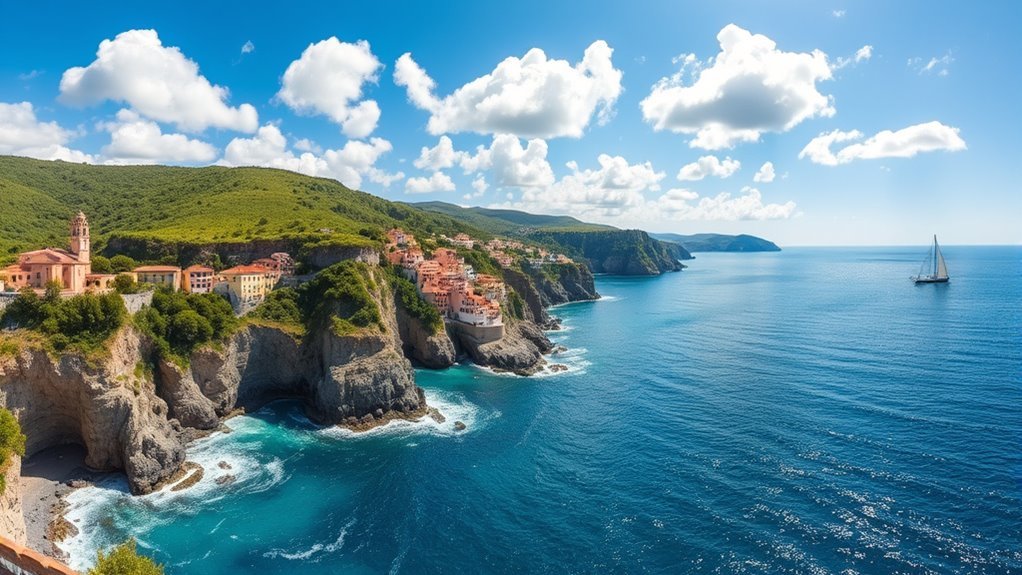
Sardinia’s north coast combines pale-sand beaches, granite headlands, historic towns, protected islands, and lively resort communities. You can explore Alghero’s Catalan heritage, swim near Stintino, sail through La Maddalena, hike at Capo Testa, or use Olbia as a base for Costa Smeralda and San Teodoro. Careful planning matters, however, because several famous beaches now require reservations.
Quick Answer
The top things to do in North Sardinia include visiting La Pelosa Beach, exploring Alghero and Castelsardo, sailing through La Maddalena, hiking Capo Testa, seeing Costa Smeralda, and taking a boat to Tavolara. Allow at least seven days, use two bases, and reserve regulated beaches before arrival.
Key Takeaways
- North Sardinia is too spread out for every major attraction to be a comfortable day trip from one hotel.
- Alghero or Stintino works best for the northwest, while Palau, Santa Teresa Gallura, or Olbia better serves the northeast.
- La Pelosa, Cala Brandinchi, Lu Impostu, and protected sites such as Cala Coticcio have booking or access rules.
- A rental car offers the greatest flexibility, but boat excursions remain weather-dependent.
- May, June, September, and early October usually provide a better balance of warm weather and manageable crowds than peak summer.
At a Glance
| Ideal Trip Length | 7–10 days for two regions; 12–14 days for a broader north-coast circuit |
| Best Time | May–June and September–early October for warm conditions and fewer peak-season crowds |
| Best Bases | Alghero, Stintino, Santa Teresa Gallura, Palau, Olbia, or San Teodoro |
| Getting Around | Rental car for coastal travel, plus ferries or organized boat excursions for the islands |
| Advance Booking | Essential for selected beaches, protected trails, summer boat trips, and popular restaurants |
Disclosure: As an Amazon Associate I earn from qualifying purchases. Some links on this page are affiliate links, at no extra cost to you.
Plan Your North Sardinia Trip
Best Time to Visit
July and August bring the hottest weather, warm water, the widest selection of boat tours, and the largest crowds. Accommodation prices and parking pressure also peak during these months.
For most travelers, late May through June and September through early October offer a better balance. The weather is generally suitable for beaches and sightseeing, while roads, towns, and coastal paths are less congested. Some seasonal services operate less frequently outside the main summer period, so confirm boat schedules and restaurant opening days.
How Many Days Do You Need?
Seven days is enough for two carefully chosen areas. For example, you could divide the trip between Alghero or Stintino in the northwest and Palau, Santa Teresa Gallura, or Olbia in the northeast.
Allow 10 to 14 days if you want to include Alghero, La Pelosa, Castelsardo, Costa Paradiso, Capo Testa, La Maddalena, Costa Smeralda, Olbia, Tavolara, and San Teodoro without spending most of the trip in the car.
Choosing the Best Base
- Alghero: Best for a walkable historic center, restaurants, nearby archaeological sites, and access to Capo Caccia.
- Stintino: Best for travelers focused on La Pelosa and possible excursions toward Asinara.
- Santa Teresa Gallura: Best for Capo Testa, nearby beaches, and ferry connections toward Corsica.
- Palau: Best for boat trips and ferry access to La Maddalena.
- Porto Cervo or nearby Costa Smeralda: Best for luxury hotels, marinas, designer shopping, and polished resort beaches.
- Olbia: Best for airport convenience, city services, Costa Smeralda day trips, and access to Tavolara.
- San Teodoro: Best for beach-focused stays, water sports, and evening entertainment.
Pro Tip: Use at least two accommodation bases. Driving from Alghero to the Olbia or Costa Smeralda area and back on the same day leaves little time for beaches, historic centers, or boat trips.
Airports, Driving, and Boats
Alghero Airport is convenient for the northwest, while Olbia Costa Smeralda Airport is the most practical arrival point for Costa Smeralda, Tavolara, and San Teodoro. Public transportation serves the larger towns, but a rental car is usually the simplest way to reach remote beaches, archaeological sites, and trailheads.
Road distances can look short on a map, yet coastal routes, summer traffic, and parking searches add time. Avoid scheduling a long drive immediately before a fixed boat departure.
Ferries and excursions serve La Maddalena, Tavolara, Asinara, and other coastal destinations. Wind and sea conditions can alter or cancel departures, so keep one flexible day in your itinerary.
Note: Beach limits, fees, parking systems, ferry schedules, and protected-area regulations can change between seasons. Recheck official websites shortly before each visit rather than relying on an older social-media post or travel blog.
Discover the Pristine Beaches of La Pelosa
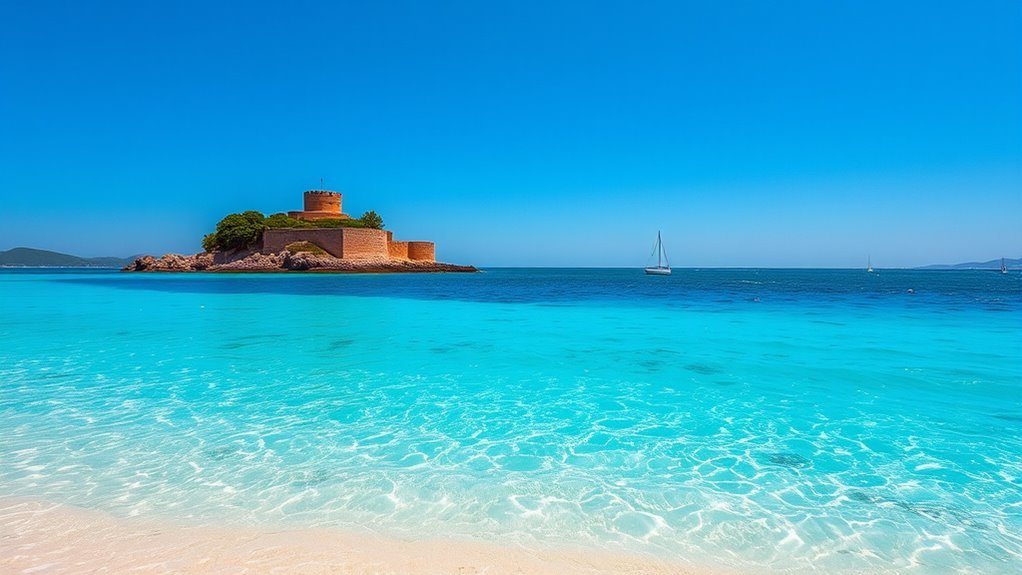
When you arrive at La Pelosa Beach near Stintino, its shallow turquoise water and pale sand immediately explain its popularity. The protected bay is attractive to families and swimmers, while the late-16th-century Torre della Pelosa gives the landscape a distinctive historic focal point.
The clear, shallow water can be suitable for swimming and snorkeling when conditions are calm. However, this is a fragile and heavily visited shoreline rather than an unrestricted beach where you can simply arrive at any time.
Warning: La Pelosa uses controlled summer access. For the 2026 season, reservations are mandatory from May 15 through October 15, with a daily visitor limit and QR-code checks. Visitors must also place a mat beneath beach towels to reduce sand loss. Review the current rules and reserve through the official La Pelosa website.
Reserve before traveling, arrive with the required mat, and follow posted restrictions on smoking, animals, waste, and the removal of sand or shells. Early morning can still provide softer light and a calmer atmosphere, but it does not replace a reservation.
Products Worth Considering

DURABLE & VERSIZED: This beach blanket is made of 600D Oxford cloth with WATERPROOF bottom and triply stitched sides & joints, won’t rip or tear no matter how hard it is rubbed. 80*60” size fits up to 4-6 persons, perfect for family and friends gathering

✔ OVERSIZED AND COMPACT-10‘x9'(300cmX280cm) over 30% bigger than competing beach / picnic blanket, will comfortably fit 7 person, only weights 14 oz. Come with 5 metal stakes in a pouch for 4 anchor loops so you will have 1 spare one just in case.
✔ LARGE AND COMPACT-7'x7'(210cmX210cm) will comfortably fit 1-3 adults, making it one of the most practical beach essentials. Come with 5 metal stakes in a pouch for 4 anchor loops so you will have 1 spare one just in case.
Explore Alghero on Sardinia’s North Coast
Alghero combines a walkable old town, a strong Catalan identity, sea-facing walls, beaches, archaeological sites, and one of northern Sardinia’s most famous coastal caves. It is one of the region’s most practical bases because you can enjoy restaurants and evening walks without driving after every excursion.
Must-See Attractions
Walk along the historic Bastioni near sunset, then explore the lanes around the cathedral and harbor. Outside the center, the Palmavera Nuragic Complex preserves towers and village remains that help explain Sardinia’s prehistoric culture.
The Anghelu Ruju necropolis provides another look at the island’s ancient past. For beach time, Maria Pia is known for pale sand and a pine-backed setting, while Lido San Giovanni is convenient to the city and easier to combine with a short stay.
Alghero’s restaurants reflect both Sardinian and Catalan influences. Look for seafood, lobster prepared in the local style, pasta, regional cheeses, and Sardinian wines rather than relying only on generic resort menus.
Cultural Heritage Sites
Alghero’s Catalan heritage remains visible in local place names, architecture, traditions, and language. Its sea walls and towers are among the most memorable places for an evening walk.
The Cathedral of Santa Maria began taking shape in the 16th century and includes architectural additions from later periods. The Coral Museum explains the town’s long relationship with Mediterranean red coral and local craftsmanship. Before buying coral jewelry, choose a reputable seller that can explain the material’s lawful origin.
Stunning Beaches Nearby
Maria Pia offers soft sand and shallow sections that appeal to families, although wind and sea conditions still require normal caution. Lido San Giovanni has a livelier urban-beach atmosphere and easier access to services.
For a quieter coastal stop, consider Cala Dragunara or other coves toward Capo Caccia. The headland is also the land entrance to Neptune’s Grotto. The dramatic Escala del Cabirol route descends 654 steps, while seasonal boats approach the cave from the sea.
Warning: The stair route to Neptune’s Grotto requires a strenuous return climb and may close in unsafe weather. Boat access is also weather-dependent. Check tickets, opening conditions, and transport through the official Neptune’s Grotto page.
Experience Luxury in Porto Cervo
Porto Cervo sits at the center of Costa Smeralda’s luxury-resort scene. Its marina, curving pedestrian lanes, boutiques, galleries, and Mediterranean-style buildings attract yacht travelers and visitors looking for polished surroundings.
You can walk around the marina, browse designer shops, stop for an aperitivo, or reserve a table at one of the area’s seasonal restaurants. Dining options and nightlife venues change, so confirm current openings rather than building a trip around one restaurant name.
Nearby beaches include Spiaggia del Principe, Capriccioli, Romazzino, and stretches around the Gulf of Pevero. Parking spaces are limited in summer, and some beach clubs charge premium rates. Arrive early or use an authorized shuttle where available.
Porto Cervo is worth seeing even without a luxury-hotel budget, but travelers seeking traditional neighborhood life may prefer Olbia, Alghero, or Castelsardo as an overnight base.
Products Worth Considering

Relax at the Stunning Costa Paradiso
Costa Paradiso is known for weathered pink and red granite, small coves, clear water, and rugged coastal scenery. The landscape is particularly striking near Li Cossi, which is reached by a walking path rather than direct roadside access.
- Visit Li Cossi: Follow the marked approach to the cove and carry what you need for the walk.
- Explore coastal paths: Choose a route suited to the heat, wind, and your footwear rather than assuming every rocky path is an easy stroll.
- Photograph the granite formations: Morning and late-afternoon light brings out the coast’s colors and textures.
- Choose a self-contained stay: Villas and apartments can be convenient, but check walking distances to shops, restaurants, parking, and beaches.
Some coves are sheltered on calm days, but conditions can change quickly. Rocky entries, currents, and waves make water shoes and careful swimming decisions useful.
Top Activities to Enjoy in the Maddalena Archipelago
La Maddalena National Park protects an archipelago of more than 60 islands and islets. The main inhabited island is reached by ferry from Palau, while organized boat trips visit selected coves and channels around islands such as Caprera, Spargi, Santa Maria, and Budelli.
Take a Boat or Sailing Trip
A full-day boat excursion is one of the easiest ways to see several islands without managing your own vessel. Typical trips combine scenic cruising, authorized swimming stops, and time near beaches or coves. Group boats are usually more affordable, while smaller sailboats and private charters provide a quieter experience.
Swimming stops depend on wind, sea conditions, park zoning, and the captain’s approved route. Boats operating in protected waters must follow national park rules.
Snorkel or Kayak in Permitted Areas
Clear water and sheltered coves can make snorkeling and kayaking rewarding, but not every famous location is open for direct access. Use an authorized operator and follow instructions about no-entry zones, anchoring, wildlife, and seagrass.
Warning: Budelli’s Spiaggia Rosa is under strict protection. Visitors may not land on the beach or swim, anchor, or moor in the prohibited area directly in front of it. Treat it as a protected landscape to observe from authorized viewpoints or routes, not as a swimming stop.
Visit Caprera and Cala Coticcio Responsibly
Caprera combines beaches, pine and scrub landscapes, military history, and sites associated with Giuseppe Garibaldi. Cala Coticcio is one of its most photographed coves, but terrestrial access through the protected zone is regulated.
Check the official Cala Coticcio access instructions and arrange an authorized environmental hiking guide when required. Do not follow informal tracks or assume that an old online route description reflects current rules.
Note: Asinara is not part of La Maddalena National Park. It is a separate national park off northwestern Sardinia and is better planned from the Stintino or Porto Torres side of the island.
Step Back in Time in Castelsardo
Castelsardo rises above the Gulf of Asinara in a compact maze of steep lanes, stone buildings, viewpoints, churches, and artisan workshops. Its hilltop setting makes it one of the most atmospheric historic stops on the north coast.
Stunning Medieval Architecture
- Doria Castle: The medieval stronghold crowns the old town and houses the Museo dell’Intreccio Mediterraneo, which focuses on Mediterranean basketry and weaving.
- Concattedrale di Sant’Antonio Abate: The church stands near the edge of the fortified center and contains notable religious artworks.
- Old-town lanes: Arches, steps, small squares, and sea views reward a slow walk.
- Defensive viewpoints: The elevated position provides broad views over the Gulf of Asinara.
Rich Cultural Heritage
The Doria Castle and weaving museum explain both the fortified settlement and the region’s continuing craft traditions. Shops around the old town sell baskets, ceramics, textiles, and other locally made goods, although quality and origin vary.
Religious festivals and Holy Week traditions remain important to local identity. Check Castelsardo’s official event calendar for dates rather than assuming that annual programs remain identical.
Note: Castelsardo’s historic center has steep streets, steps, and uneven paving. Travelers with limited mobility should research accessible parking and routes before driving to the upper town.
Discover Unique Hikes in Capo Testa
Capo Testa, west of Santa Teresa Gallura, offers granite formations, coastal views, coves, lighthouse scenery, and paths leading toward Valle della Luna. Routes vary from short rocky walks to longer outings over exposed terrain.
Capo Testa rewards slow exploration: short distances can take longer than expected because the granite terrain is uneven, exposed, and full of tempting viewpoints.
- Cala Spinosa: Follow the steep approach toward a small cove framed by granite. Wear stable footwear and avoid carrying excessive beach equipment.
- Valle della Luna: Explore weathered rock formations and coastal vegetation on established paths while respecting private areas and local signs.
- Capo Testa Lighthouse Area: Walk around permitted public areas for views toward the Strait of Bonifacio.
- Santa Teresa and Longonsardo Tower: Add this historic viewpoint in town as a separate stop rather than treating it as part of the Capo Testa trail network.
- Rena Majore: Visit this beach and coastal area as a separate drive east of Santa Teresa Gallura, not as a Capo Testa footpath.
Warning: Capo Testa has exposed granite, little shade, strong wind, and limited water along the paths. Carry drinking water, use sun protection, wear shoes with reliable grip, and avoid exposed routes during extreme heat or severe wind.
Check Out the Enchanting Island of Tavolara
Tavolara rises dramatically from the sea off Porto San Paolo. Its limestone cliffs, protected waters, beach area, and marine environment make it a memorable day trip from northeastern Sardinia.
Stunning Natural Beauty
The island’s appeal comes from the contrast between its high limestone ridge and the clear water below. Visitors can enjoy views of the cliffs, relax near the accessible beach area, and observe the protected landscape without attempting the technical upper routes.
- Look up at Tavolara’s steep limestone profile from the shore.
- Swim or snorkel only in permitted areas and suitable conditions.
- Walk the easier low-level paths available to ordinary visitors.
- Enjoy views across the Tavolara–Punta Coda Cavallo Marine Protected Area.
Seasonal passenger boats generally depart from Porto San Paolo. Confirm current sailing times, return departures, and weather conditions before leaving the mainland.
Outdoor Activities Galore
Tavolara offers activities for different ability levels, but its coastal walks and summit routes should not be grouped together. Easy beach time and guided snorkeling suit many visitors, while the high ridge requires experience and, on technical sections, specialized guidance and equipment.
| Activity | What to Expect | Planning Advice |
|---|---|---|
| Low-Level Walking | Shorter routes and island scenery near accessible areas | Wear sturdy shoes and carry water |
| Technical Summit Route | Exposed terrain and protected climbing sections | Use a qualified guide and appropriate equipment |
| Kayaking or Paddleboarding | Coastal exploration in suitable sea conditions | Use an authorized operator and follow marine zoning |
| Snorkeling | Fish, rocky habitat, and seagrass in permitted areas | Avoid touching wildlife or standing on seagrass |
| Wildlife Watching | Possible seabird and marine-animal sightings | Sightings are never guaranteed; keep a respectful distance |
Warning: Do not attempt Tavolara’s exposed upper route based only on a general travel description. Review the route with a qualified local guide and honestly assess your fitness, balance, equipment, and comfort with heights.
Rich Marine Life
Tavolara lies within the Tavolara–Punta Coda Cavallo Marine Protected Area, which includes Tavolara, Molara, and Molarotto and stretches along the coasts of Olbia, Loiri Porto San Paolo, and San Teodoro.
- Fish and rocky habitat: Snorkel without chasing, feeding, or touching marine animals.
- Seagrass meadows: Posidonia is valuable habitat, not waste. Avoid trampling it or anchoring over it.
- Dolphins and sea turtles: Sightings are possible but should never be promised.
- Protected zones: Follow signs, buoy markings, guide instructions, and restrictions on navigation or anchoring.
Explore Local Culture in Olbia
Olbia is more than an airport gateway. Its center includes historic churches, archaeological remains, shops, cafes, and a waterfront that makes a convenient start or finish to a northeastern Sardinia trip.
The city’s principal Romanesque landmark is the Basilica of San Simplicio, built between the 11th and 12th centuries. The Church of San Paolo is another important city landmark, known for its colorful tiled dome, but it should not be confused with the Romanesque basilica.
Archaeology enthusiasts can visit the city’s museum and look for remains connected to Olbia’s Phoenician, Punic, Roman, and later history. Corso Umberto and the surrounding streets provide cafes, boutiques, evening walks, and access toward the waterfront.
The annual Feast of San Simplicio brings religious observances, processions, music, and community events. Dates and programs change each year, so check the current municipal calendar.
Markets and specialty shops provide opportunities to try Sardinian cheeses, bread, cured meats, seafood, sweets, and regional wine. Confirm market days and opening hours locally, especially outside summer.
Enjoy Watersports and Relaxation in San Teodoro
San Teodoro combines long beaches, shallow-water areas, water sports, restaurants, and summer nightlife. La Cinta is the town’s best-known beach and is popular with families, swimmers, walkers, and visitors seeking equipment rentals.
- Windsurfing: Take a lesson from an established operator and choose conditions suited to your ability.
- Kitesurfing: Use designated operating areas and maintain distance from swimmers.
- Snorkeling: Select sheltered, permitted locations and avoid touching marine life.
- Tavolara excursions: Join a trip toward the protected marine area from an appropriate northeastern departure point.
- Lagoon wildlife: Observe birds from a distance without entering closed or sensitive areas.
After the beach, the town offers restaurants, evening markets, bars, and seasonal entertainment. Fresh seafood is common, but inland dishes, pasta, cheeses, and Sardinian desserts are also worth trying.
Warning: Cala Brandinchi and Lu Impostu use controlled summer access. For the 2026 season, reservations are required from June 1 through September 30, and booking opens at 6:00 p.m. two days before the visit. Check availability and current instructions through the official San Teodoro beach portal.
Sample Seven-Day North Sardinia Itinerary
This route balances the northwest and northeast. It assumes that you have a rental car and change accommodation once.
- Day 1 — Alghero: Explore the historic center, cathedral area, ramparts, harbor, and local restaurants.
- Day 2 — Capo Caccia: Visit Palmavera and continue toward Neptune’s Grotto if weather, opening conditions, and fitness allow.
- Day 3 — Stintino and La Pelosa: Use a confirmed beach reservation, follow the mat rule, and stay for the coastal scenery.
- Day 4 — Castelsardo and Transfer East: Walk the medieval center, visit the weaving museum, and continue to Santa Teresa Gallura or Palau.
- Day 5 — Capo Testa: Explore Cala Spinosa, the lighthouse area, and an appropriate section of Valle della Luna.
- Day 6 — La Maddalena: Take a ferry or authorized boat excursion, following all national park restrictions.
- Day 7 — Costa Smeralda or Tavolara: Choose beaches and villages around Costa Smeralda, or travel to Porto San Paolo for a weather-dependent Tavolara trip.
With additional days, add Costa Paradiso between Castelsardo and Santa Teresa, spend a night on La Maddalena, or continue through Olbia to San Teodoro.
Responsible Travel and Safety
- Do not remove sand, shells, stones, plants, or marine life. Sardinia’s beaches and protected areas are not sources of souvenirs.
- Use a beach mat where required. At La Pelosa, placing a mat beneath your towel helps prevent sand from clinging to fabric and leaving the beach.
- Respect Posidonia seagrass. It supports marine ecosystems and protects coastlines. Do not treat naturally deposited seagrass as litter.
- Carry water on coastal walks. Shade can be limited, and heat reflected from granite increases discomfort.
- Check wind forecasts. Strong wind can affect ferries, small boats, swimming, and exposed hikes.
- Use established paths. Informal shortcuts cause erosion and may enter protected or private land.
- Never rely on guaranteed wildlife sightings. Choose operators that maintain distance and avoid feeding or pursuing animals.
- Leave time for parking. Summer beach lots can fill early, even when the beach itself uses reservations.
Frequently Asked Questions
What should you not miss in North Sardinia?
Prioritize at least one historic town, one island or boat excursion, and one major beach area. A strong first trip might combine Alghero, La Pelosa, Castelsardo, Capo Testa, and La Maddalena. Add Costa Smeralda, Tavolara, or San Teodoro when your schedule allows.
What is the best town to stay in North Sardinia?
There is no single best town. Choose Alghero for history and restaurants, Stintino for La Pelosa, Santa Teresa Gallura for Capo Testa, Palau for La Maddalena, Porto Cervo for luxury, Olbia for transport convenience, or San Teodoro for beaches and nightlife.
Which side of Sardinia is most beautiful?
Beauty depends on what you value. Northern Sardinia is known for granite scenery, turquoise coves, islands, and resort beaches. The west feels wilder, the east has long beaches and dramatic coves, and the south combines urban culture with broad coastal landscapes.
What is the north coast of Sardinia like?
The north coast includes pale beaches, granite headlands, protected islands, medieval towns, marinas, archaeological sites, and both quiet and lively resorts. Conditions range from sheltered shallow bays to windy, exposed cliffs, so every beach and trail has a different character.
How many days do you need in North Sardinia?
Allow at least seven days for two areas and 10 to 14 days for a broad north-coast circuit. A shorter trip is more enjoyable when you choose one base and avoid crossing the entire region for day trips.
Do you need a car in North Sardinia?
You can visit larger towns by public transportation, but a car makes it much easier to reach beaches, archaeological sites, trailheads, and smaller communities. Travelers staying only in Alghero or Olbia and taking organized tours may manage without one.
Which North Sardinia beaches need reservations?
La Pelosa uses controlled seasonal admission, while Cala Brandinchi and Lu Impostu use San Teodoro’s summer reservation system. Protected places such as Cala Coticcio have separate guided-access requirements. Rules can change, so verify each official website before traveling.
Conclusion
Sardinia’s north coast offers far more than a single famous beach. You can walk Alghero’s sea walls, explore Castelsardo’s medieval lanes, hike among Capo Testa’s granite formations, sail through La Maddalena, experience Costa Smeralda, and visit Tavolara’s protected waters.
The most rewarding trip is not the one that covers the greatest distance. Choose two compatible bases, leave room for wind or changing boat schedules, reserve regulated beaches early, and spend enough time in each place to enjoy it without rushing. With that approach, North Sardinia delivers a memorable mix of scenery, culture, food, and outdoor adventure.
Sources
- Official La Pelosa Beach website — seasonal reservations, visitor rules, fees, and access requirements
- Alghero Experience: Neptune’s Grotto — cave access, stairs, boats, tickets, and visitor conditions
- La Maddalena National Park — regulated access to Cala Coticcio and Cala Brigantina
- Tavolara–Punta Coda Cavallo Marine Protected Area — protected-area boundaries, islands, and managing municipalities
- Sardegna Cultura: Basilica of San Simplicio — Olbia’s Romanesque basilica and historical context
- Official San Teodoro Beaches portal — reservations and seasonal access for Cala Brandinchi and Lu Impostu
