
Last Updated on July 28, 2026 by Daniel Globe
Parma rewards travelers who enjoy food, art, music, and an easy-to-explore historic center. In one compact Italian city, you can see Romanesque landmarks, walk through a vast museum complex, attend opera, relax in a formal park, and taste two of the world’s best-known protected foods: Parmigiano Reggiano and Prosciutto di Parma.
Quick Answer
The best things to do in Parma include visiting the Cathedral and Baptistery, exploring Palazzo della Pilotta, seeing Teatro Regio, walking through Parco Ducale, and tasting local cheese, cured ham, and filled pasta. Most central sights fit into one full day, while two days allow time for a food-producer tour.
Key Takeaways
- Parma combines major art and architecture with a food culture recognized by the UNESCO Creative Cities Network.
- The Cathedral, Baptistery, Palazzo della Pilotta, Teatro Regio, and Piazza Garibaldi are all in or near the walkable historic center.
- Allow about three hours for the full Pilotta museum route and book dairy, ham-producer, opera, or theater visits in advance.
- Check official opening hours before your trip because museum schedules, church access, performances, and ticket prices can change.
Parma at a Glance
| Ideal Visit | One full day for central sights; two days if you want a countryside food tour |
| Getting Around | Walking works well in the center; use a tour, taxi, rental car, or arranged transfer for rural producers |
| Best For | Food lovers, art and architecture fans, opera visitors, couples, and families |
| Book Ahead | Teatro Regio performances, guided theater visits, food tours, and producer visits |
Disclosure: As an Amazon Associate I earn from qualifying purchases. Some links on this page are affiliate links, at no extra cost to you.
Why Visit Parma?
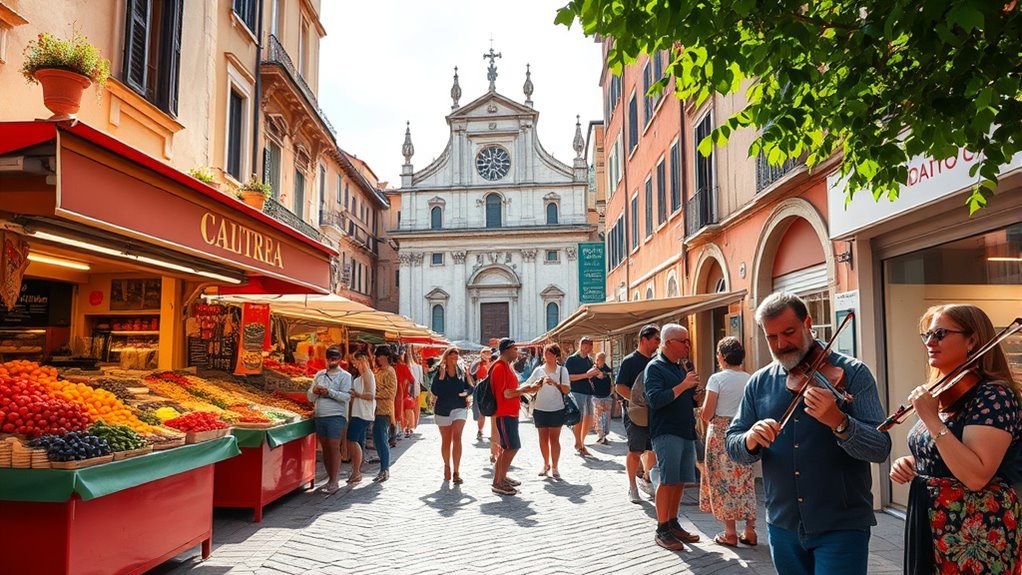
Parma is a strong choice for travelers who want a smaller Italian city with substantial cultural attractions. It joined the UNESCO Creative Cities Network as a Creative City of Gastronomy in 2015, reflecting the importance of food production, culinary education, and local tradition to the city and its surrounding province.
The appeal extends beyond food. Parma Cathedral and the Baptistery form one of northern Italy’s most memorable medieval ensembles. Palazzo della Pilotta contains several museums in a single monumental complex, while Teatro Regio represents the city’s deep connection to opera. Parco Ducale and the central squares provide space to slow down between visits.
Parma is best experienced as a meeting point of gastronomy, Romanesque art, Renaissance painting, and opera—not as a food stop alone.
Explore the Historic Palazzo della Pilotta
Palazzo della Pilotta is an essential stop for art and history lovers. The vast complex developed for the Farnese court between the 16th and 17th centuries. It now brings together the National Gallery, National Archaeological Museum, Teatro Farnese, Palatine Library, and Bodoni Museum under one museum system.
The National Gallery includes works connected with artists such as Correggio, Parmigianino, Leonardo da Vinci, and Canova. Teatro Farnese, designed for the Farnese court and completed in 1618, is a landmark of European Baroque theater. Its present wood appearance is more restrained than the original painted and gilded decoration, but the enormous auditorium, deep stage, and monumental proscenium remain striking.
Do not rush this stop. The museum’s official visitor information estimates about three hours for the complete route. The complex is generally open Tuesday through Sunday, but galleries can close temporarily for maintenance, exhibitions, or conservation work.
Pro Tip: Visit Palazzo della Pilotta before late afternoon. The full route is much larger than it appears from outside, and arriving early gives you time for the National Gallery as well as Teatro Farnese.
Admire the Baptistery of Parma
The octagonal Baptistery of Parma stands beside the Cathedral in Piazza Duomo. Construction began in 1196 under Benedetto Antelami and was completed in the early 14th century. Its pink Verona marble, carved portals, open loggias, and sculptural program show the transition from Romanesque to Gothic art.
Inside, look for Antelami’s sculptures of the months, seasons, and zodiac signs, along with medieval frescoes and the image of Christ in Glory above the altar. Correggio did not paint the Baptistery dome; his famous Assumption of the Virgin is in the neighboring Cathedral.
The Baptistery is not a UNESCO World Heritage site. It is a protected historic and religious monument within Parma’s cathedral complex. Admission is paid and is commonly bundled with the Diocesan Museum. Check the official page for current prices, last-entry time, and group-booking rules.
Visit the Iconic Parma Cathedral
Parma Cathedral, also called the Duomo di Parma, was begun in the 11th century, consecrated in 1106, and rebuilt after the earthquake of 1117. Its sandstone façade, arcaded galleries, sculpted entrance lions, and Romanesque form create a powerful first impression.
The cathedral’s most famous work is Correggio’s illusionistic Assumption of the Virgin, painted in the dome in the 16th century. Also look for Benedetto Antelami’s marble relief of the Deposition, dated 1178, and the later fresco cycles covering the interior.
Individual entry is generally free, although group rules may differ. This is an active place of worship, so sightseeing may pause during Mass, ceremonies, or other liturgical activity.
Warning: Do not enter restricted areas or continue taking photos during worship. Dress respectfully, silence your phone, and follow instructions from cathedral staff.
Relax in Parco Ducale
Parco Ducale offers a calm break west of the Parma River. The historic garden covers about 21 hectares—not 7.7 square miles—and contains broad tree-lined avenues, lawns, sculptures, the Ducal Palace, and a large pond with the Trianon fountain on its island.
| Feature | What to Expect | Ideal For |
|---|---|---|
| Pond and Trianon Fountain | A scenic focal point with an island fountain | Photography and quiet walks |
| Tree-Lined Avenues | Long, mostly level paths through the formal garden | Walking and cycling |
| Children’s Area | A playground and seasonal pedal carts or small rides | Families with children |
| Lawns and Benches | Open areas for resting and informal picnics | Couples, groups, and solo travelers |
Entry is free, and opening hours change by season. The park can be lively in warm weather, especially near children’s activities and refreshment points, but its long avenues also provide quieter areas for a slow walk.
Explore the Castello dei Burattini Puppet Museum
The Castello dei Burattini – Museo Giordano Ferrari preserves one of Italy’s important collections of puppet theater. The museum’s holdings include thousands of puppets, marionettes, stage pieces, scripts, backdrops, photographs, and archival items. Around 500 objects are displayed at a time and rotated periodically.
The collection grew from the work of Parma puppeteer, carver, and researcher Giordano Ferrari. Exhibits trace Emilian puppet traditions, major Italian companies, regional forms of the Opera dei Pupi, and modern television puppetry. The compact museum is especially suitable for families and visitors interested in theater crafts.
General admission is not always free. Current visitor information lists a standard paid ticket, with free entry for certain age groups, residents, students, visitors with disabilities, and designated free-admission days. Review the official museum listing before going because summer and weekend hours can differ.
Experience Opera at Teatro Regio
Teatro Regio di Parma is one of the city’s defining cultural landmarks. Commissioned by Duchess Maria Luigia, designed by Nicola Bettoli, and built between 1821 and 1829, the neoclassical theater opened on May 16, 1829, with Vincenzo Bellini’s Zaira.
Giuseppe Verdi was born at Le Roncole near Busseto, in the province of Parma—not in Parma itself—but the city developed a powerful connection to his work. Today, Teatro Regio presents opera, concerts, dance, educational events, and the annual Festival Verdi.
What to Expect at a Performance
The auditorium has 1,092 seats, with an elliptical stalls area, tiers of boxes, a gallery, white-and-gold decoration, and a large historic chandelier. Production details vary, including language support and surtitles, so check the individual event page rather than assuming English text will be available.
The Festival Verdi usually brings performances and related events to Parma and nearby Busseto around late September and October. Programs and dates change each year, and popular productions may sell out.
Historic Venue and Guided Tours
You do not need an opera ticket to see part of the theater. Guided visits normally include spaces such as the foyer, auditorium when available, and Ridotto hall. Some special tours add the stage, costume workshop, gallery, or royal box. Standard visits are short, so they fit easily into a city itinerary.
Note: Rehearsals, performances, technical work, and seasonal closures can change the guided-tour route. Reserve through the official theater and confirm which rooms will be accessible.
Savor Parma’s Protected Local Products
Parma’s food reputation rests on protected products with strict production rules. Parmigiano Reggiano is made from milk, salt, and rennet and must mature for at least 12 months. Longer aging creates a drier, more crumbly texture and stronger nutty and savory flavors.
Prosciutto di Parma is a protected cured ham made in the designated Parma production area. Authentic hams carry the Parma Crown mark. The official method prohibits additives such as nitrates and nitrites and relies on pork, sea salt, air, and time.
Producer visits usually take place outside the historic center, often early in the day because cheese production begins in the morning. Book an authorized tour or contact a producer in advance; do not expect to arrive at a dairy or curing facility without a reservation.
| Delicacy | Description | Good Pairing |
|---|---|---|
| Parmigiano Reggiano | Firm PDO cheese with flavors that deepen as it ages | Local honey, balsamic vinegar, or sparkling wine |
| Prosciutto di Parma | Delicate PDO cured ham marked with the Parma Crown | Bread, melon, figs, or Parmigiano Reggiano |
| Lambrusco | Sparkling red wine made in several styles | Cured meats and rich filled pasta |
| Tortelli d’Erbetta | Filled pasta traditionally made with ricotta and greens | Butter and grated Parmigiano Reggiano |
| Anolini | Small filled pasta often served in broth | A traditional winter meal |
Products Worth Considering

Aged 24 months.

All cheeses from the Whole Foods Market Cheese department are exclusively selected and passionately sourced from farmers and producers around the world; Here s what you can count on with this selection:

Origin: Italy
Experience Piazza Garibaldi
Piazza Garibaldi is Parma’s civic and social center. The Town Hall, Governor’s Palace, cafés, shops, and main pedestrian routes meet around the square. It works well as an orientation point, an aperitivo stop, or a place to observe local life between museum visits.
History and Architecture
The square has served as a center of political power since medieval times and occupies part of the area associated with the Roman forum. The Governor’s Palace combines buildings of 13th-century origin and was redesigned in the 18th century. Its tower and 19th-century sundials add detail to the long façade.
| Landmark | Date or Period | Why It Matters |
|---|---|---|
| Garibaldi Monument | Erected in 1893 | Honors Giuseppe Garibaldi and the unification of Italy |
| Governor’s Palace | Medieval origins; later redesigns | A historic seat of civic power and exhibition venue |
| Town Hall | Historic civic complex | Keeps the square at the center of municipal life |
| Cafés and Shops | Modern use | Make the square an active meeting place throughout the day |
Events, Markets, and Aperitivo
Piazza Garibaldi hosts or borders changing programs of food events, public celebrations, markets, and seasonal activities. Festival Verdi events take place at several venues across Parma and Busseto rather than only in this square. Christmas programming and New Year celebrations also vary from year to year.
For an everyday experience, visit in the early evening and join the local aperitivo rhythm. Order a drink and ask what snacks are included or available; customs differ by venue, and a full aperitivo is not guaranteed with every drink.
Plan a One-Day Parma Itinerary
A well-paced day can cover the main historic-center attractions without turning the visit into a race.
- Morning: Start in Piazza Duomo with Parma Cathedral and the Baptistery. Allow extra time if you want the Diocesan Museum.
- Late morning: Walk to Palazzo della Pilotta and focus on Teatro Farnese plus the National Gallery. A complete museum visit can take about three hours.
- Lunch: Choose a trattoria or deli serving local cured meats, Parmigiano Reggiano, tortelli d’erbetta, or anolini.
- Afternoon: Cross Ponte Verdi for a walk in Parco Ducale, then return toward the center through the Oltretorrente area.
- Evening: Stop at Piazza Garibaldi for aperitivo, take a guided Teatro Regio visit, or attend a performance if the calendar and your booking allow.
Travelers who prioritize food production should use a second day for a dairy and ham-producer tour. Those visits are outside central Parma and can take half a day or longer when transport and tastings are included.
Indulge in Traditional Parma Dishes
Protected products are only part of Parma’s food story. Local menus often feature tortelli d’erbetta, filled with ricotta and greens and served with butter and Parmigiano Reggiano. Anolini are small stuffed pasta rounds commonly served in broth, especially during colder months and holidays. You may also find cappelletti, tortelli di zucca, horse-meat specialties, and regional cured meats.
For a simple tasting, order a mixed plate of salumi with Parmigiano Reggiano and bread, then add one filled-pasta course. Lambrusco or a wine from the Colli di Parma can match the richness of cured meats and cheese, while non-drinkers can enjoy the meal without a pairing.
The Parma Ham Festival is associated with Langhirano, the main center of Prosciutto di Parma production, and is usually scheduled in September. Dates, producer openings, tours, and ticket rules change, so confirm the current program before planning a trip around it.
Products Worth Considering
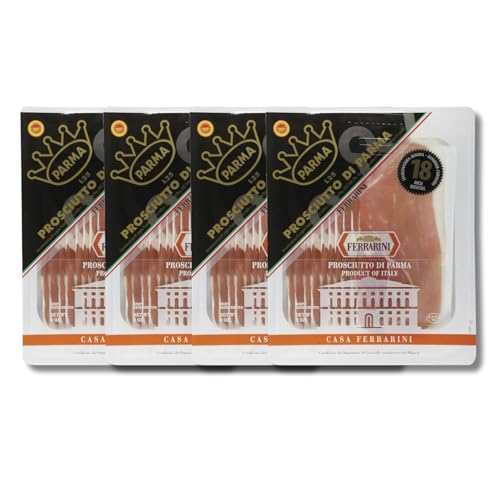
Authentic Italian Delicacy: Enjoy Prosciutto di Parma's rich, savory flavor, made from the finest pork and cured to perfection in Italy. DOP Certified: Guaranteed quality and...
Practical Tips for Visiting Parma
Products Worth Considering

Lightweight Ease: These flat sandals are crafted to feel light on the feet. Easy to walk in, whether you’re heading out for a casual day in the city or spending time by the water.


Getting Around
Parma’s central attractions are close enough to link on foot. The train station is roughly a 10- to 15-minute walk from the edge of the historic center, and most major sights sit between the station, Piazza Duomo, Piazza Garibaldi, Palazzo della Pilotta, and the Parma River. Comfortable shoes are useful on stone paving and during long museum visits.
When to Visit
Spring and early autumn are comfortable for walking and outdoor dining. Autumn has strong appeal for food and opera events, including Festival Verdi, but it can also bring higher demand for rooms and performance tickets. Summer can be hot, and individual museums or businesses may use reduced hours or seasonal closures.
Booking and Etiquette
Reserve timed attractions, performances, and food tours before arrival. Churches can close to visitors during services, museums may restrict large bags, and producer facilities may require closed shoes or protective clothing. Visitors with mobility needs should review the accessibility page for each attraction rather than assuming every historic space has step-free access.
Pro Tip: Build your schedule around the least flexible booking—usually a food tour, theater performance, or guided visit—then fit churches, squares, and the park around it.
Frequently Asked Questions
Is Parma, Italy worth visiting?
Yes. Parma is especially worthwhile for travelers interested in Italian food, Romanesque architecture, Renaissance art, and opera. Its compact center makes it easier to combine major cultural sights and relaxed meals than in many larger cities.
What should I do in Parma for one day?
Visit the Cathedral and Baptistery in the morning, explore Teatro Farnese and the National Gallery at Palazzo della Pilotta, eat a local lunch, walk through Parco Ducale, and finish with Piazza Garibaldi or Teatro Regio.
What is Parma best known for?
Parma is best known internationally for Parmigiano Reggiano and Prosciutto di Parma. It is also known for the Cathedral, Baptistery, Palazzo della Pilotta, Teatro Regio, and its strong connection to Giuseppe Verdi’s music.
Is Parmigiano Reggiano made only in Italy?
Authentic Parmigiano Reggiano PDO must be produced and matured in its legally defined area in northern Italy under the product specification. “Parmesan” sold elsewhere may be a different cheese, especially outside the European Union.
How many days do I need in Parma?
One full day is enough for the central highlights. Two days are better if you want a detailed Pilotta visit, an opera or theater tour, and a half-day excursion to a Parmigiano Reggiano dairy or Prosciutto di Parma producer.
Is Parma easy to explore on foot?
Yes. The historic center is compact, and the main squares, Cathedral, Baptistery, Pilotta complex, Teatro Regio, and Parco Ducale are within a practical walking area. Rural food producers require separate transport.
Conclusion
Parma offers more than a list of famous foods. Its medieval cathedral complex, Correggio frescoes, Farnese collections, opera tradition, civic squares, and green spaces create a balanced city break. Spend one day on the historic center, or stay two days to add a producer visit and a performance. Either way, verify live schedules and leave enough time to enjoy the meals rather than treating them as another attraction to rush through.
Sources
- UNESCO Creative Cities Network: Parma — Creative City of Gastronomy status and food-culture context.
- Parma Welcome — official city visitor information for attractions, hours, rates, events, and itineraries.
- Monumental Complex of the Pilotta — palace history, collections, Teatro Farnese, and visitor guidance.
- Teatro Regio di Parma — performances, Festival Verdi, ticketing, and guided visits.
- Consorzio del Prosciutto di Parma — PDO production rules and authenticity marks.
- Consorzio del Formaggio Parmigiano Reggiano — ingredients, production, aging, and quality controls.
