Last Updated on September 10, 2026 by Daniel Globe
As of July 28, 2026, Argentina is in winter, not spring. Because Argentina is in the Southern Hemisphere, its seasons are opposite those in the United States, Canada, and Europe. Winter currently runs through September 20 on Argentina’s official tourism calendar, with spring beginning September 21. If you’re planning ahead for spring, expect everything from warm, humid weather around Iguazú to cool, windy conditions in the far south.
Quick Answer
Argentina is in winter as of July 28, 2026. Argentina’s official tourism calendar places winter from June 21 to September 20 and spring from September 21 to December 20. For spring travel, pack light layers, rain protection, and region-specific gear because conditions vary sharply from north to south.
Key Takeaways
- As of July 28, 2026, Argentina is in winter; spring begins September 21 on the national tourism calendar.
- Weather guides often group spring as September through November, so you may see both conventions used.
- Northern Argentina and the Littoral warm quickly in spring, while southern Patagonia and Tierra del Fuego remain much cooler.
- Iguazú, Buenos Aires, Mendoza, and parts of Patagonia are all strong spring destinations, but for different reasons.
- Mendoza’s main grape-harvest and Vendimia season is in late summer and early autumn, not spring.
Disclosure: As an Amazon Associate I earn from qualifying purchases. Some links on this page are affiliate links, at no extra cost to you.
What Season Is It in Argentina Right Now?
Argentina is currently in winter. The country’s official tourism site lists the seasons as winter from June 21 to September 20, spring from September 21 to December 20, summer from December 21 to March 20, and autumn from March 21 to June 20.
You may also see weather guides describe spring simply as September through November. That is a useful climate-based grouping, but it is different from the date ranges used on Argentina’s general tourism calendar.
| Season | Argentina Tourism Calendar |
|---|---|
| Summer | December 21–March 20 |
| Autumn | March 21–June 20 |
| Winter | June 21–September 20 |
| Spring | September 21–December 20 |
Note: Those dates describe the season, not today’s forecast. Argentina stretches more than 4,000 km from north to south, so check the Servicio Meteorológico Nacional for the latest weather in the exact city or park you’re visiting.
Argentina in Spring: What to Expect
Spring brings warmer days, blooming vegetation, and longer stretches of daylight, but there is no single “Argentina spring climate.” The country spans subtropical areas in the north, temperate plains around Buenos Aires, dry Cuyo landscapes around Mendoza, and cold Patagonian environments in the south.
Argentina’s national tourism weather guide describes spring temperatures around 15–25°C (59–77°F) in Jujuy and roughly 20–30°C (68–86°F) across several other northern, Littoral, central, Buenos Aires, and Cuyo locations. Farther south, conditions can be dramatically cooler; Tierra del Fuego remains around 0–10°C (32–50°F) in the same broad guide.
Rainfall also depends on where you go. Spring generally becomes wetter across much of northern and eastern Argentina, including Misiones and Buenos Aires, while Mendoza remains comparatively dry. In Patagonia, the dry steppe and wetter Andean mountain areas should not be treated as the same climate.
Argentina’s official tourism authority specifically recommends spring and autumn for Buenos Aires and highlights spring travel to destinations including Iguazú Falls.
Note: September can straddle two seasonal conventions. Argentina’s general tourism calendar places September 1–20 in winter and starts spring on September 21, while climate guides commonly group the whole month with September–November spring weather.
Argentina’s Spring Weather by Region
For regional travel planning, it is more useful to compare major climate zones than to rely on one national temperature range. Conditions in Iguazú, Buenos Aires, Mendoza, Bariloche, and Ushuaia can be completely different on the same day.
Northern Spring Climate
Northern Argentina warms quickly during spring. Jujuy generally stays cooler because of its elevation, while Salta, Tucumán, Santiago del Estero, and nearby lower-elevation areas can become much warmer. Rainfall begins to increase in many northern areas as the season progresses.
The Littoral, including Misiones and Iguazú, is subtropical. Spring brings increasing warmth, frequent rain, and lush vegetation. Official tourism guidance for Iguazú specifically highlights September and October for pleasant walking conditions, greener scenery, and fewer visitors than busier periods.
| Region | Typical Spring Pattern | Travel Planning |
|---|---|---|
| Northwest | Jujuy roughly 15–25°C; several other northern provinces can reach roughly 20–30°C as rain increases. | Carry sun protection and a light rain layer; altitude can make nights much cooler. |
| Littoral / Misiones | Warm and increasingly humid, with frequent rainfall and broad spring temperatures around 20–30°C. | Excellent for Iguazú, especially September and October; pack breathable clothing and rain protection. |
| Buenos Aires / Central | Warmer days and increasing rainfall, with broad tourism guidance around 20–30°C. | Good walking weather, but keep a light jacket and umbrella handy. |
| Mendoza / Cuyo | Warmer and relatively dry; Mendoza’s broad spring range is listed around 20–30°C. | Strong season for wineries and outdoor touring; mountain weather is much colder than the city. |
| Patagonia / Far South | Highly variable. Northern Patagonia warms substantially, while Tierra del Fuego can remain around 0–10°C. | Plan for wind, rapid weather changes, and warmer layers, especially near mountains and in the far south. |
Regional Spring Travel
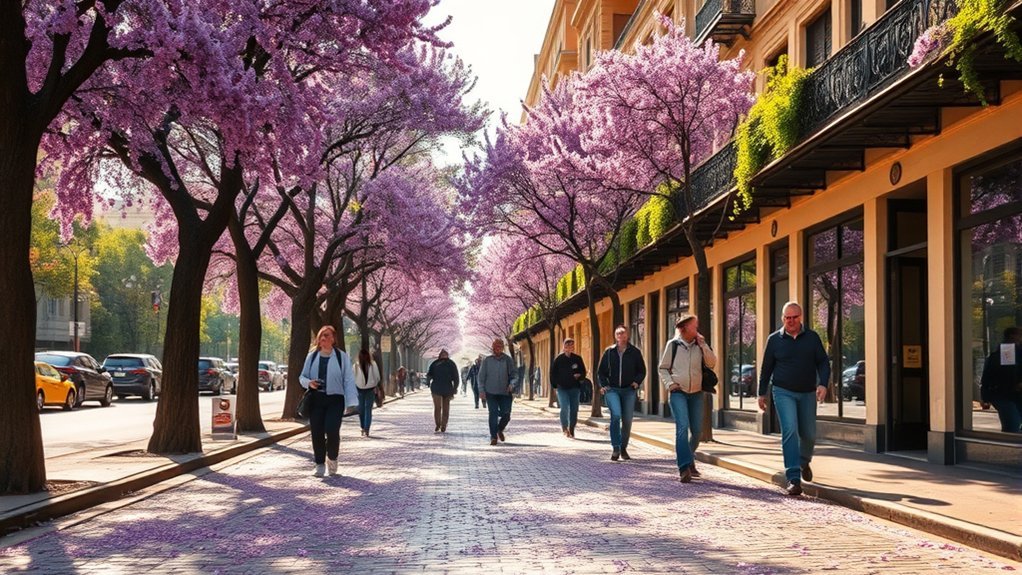
Spring travel has a different rhythm in each part of Argentina. In the north and Littoral, warmer air and returning rainfall support lush landscapes. In Buenos Aires, mild weather makes long neighborhood walks easier, while jacaranda trees add their best-known violet color later in spring, especially around November and December.
Mendoza is also a strong spring destination. The dry climate suits winery tours, cycling routes, and outdoor meals, and Argentina’s tourism authority recommends spring as one of the province’s better visiting seasons. However, spring is not the main grape-harvest season. Vendimia celebrations traditionally build through late summer and culminate around February and March.
Patagonia requires more planning. The extra-Andean steppe can be dry and exposed, while the Andes receive more precipitation. Wind is a major factor across much of the region. Spring also brings distinctive seasonal attractions, including the tulip fields around Trevelin, Chubut, which Argentina’s tourism authority highlights for October and November.
What to Wear in Argentina in Spring
Light layers are the safest starting point for an Argentina spring trip, but your packing list should follow your route rather than the country’s average. Someone visiting Iguazú needs different clothing from someone hiking near El Calafate or exploring Ushuaia.
At a Glance: Spring Packing
| Best Time | Depends on the region; September–October is especially attractive for Iguazú, while Buenos Aires and Mendoza are good spring choices more broadly. |
| Temp Range | Varies widely: warm conditions around 20–30°C are common in many northern and central areas, while the far south can stay close to 0–10°C. |
| Essentials | Light layers, waterproof shell, comfortable walking shoes, sun protection, and warmer clothing for Patagonia or high elevations. |
| Watch Out For | Heavy showers in humid regions, strong Patagonian wind, cool mountain nights, and rapid day-to-day weather changes. |
Light Layers for Changing Days
In Buenos Aires and much of central Argentina, a T-shirt or light long-sleeve layer paired with a sweater or thin jacket works well for spring. Days can feel pleasantly warm while evenings cool down.
In northern and subtropical areas, breathable clothing becomes more important as temperatures climb. In Patagonia and high-elevation parts of the Andes, pack substantially warmer layers because sunshine does not guarantee warm air, especially when the wind rises.
Rain Gear Essentials
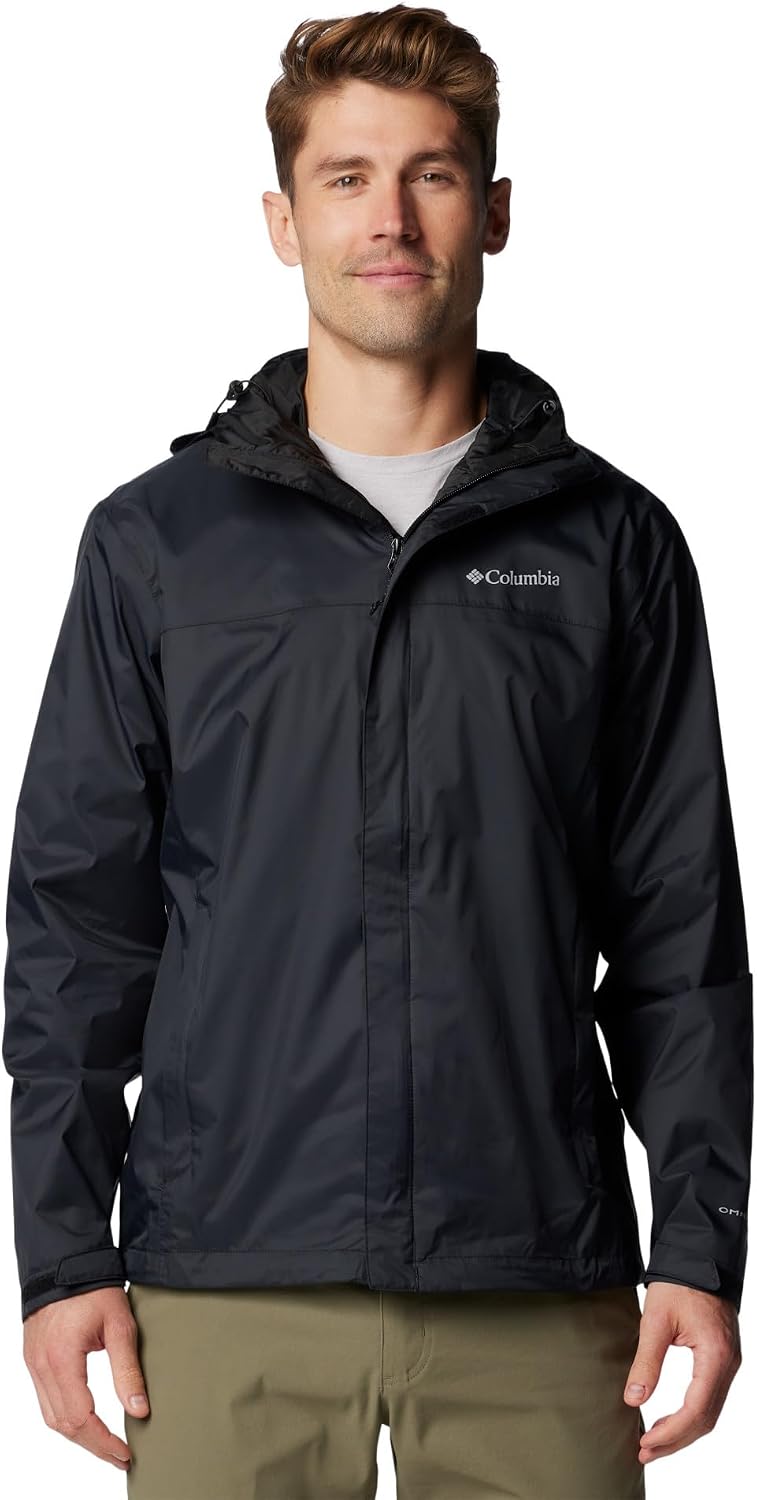
A lightweight waterproof shell is more useful than a bulky coat for most spring itineraries. It can go over warmer layers in the south and over breathable clothing in humid northern areas.
An umbrella is convenient in cities, but a hooded rain shell is usually more practical around waterfalls, hiking trails, and windy Patagonia. Keep electronics and important documents in a water-resistant pouch or bag when visiting places such as Iguazú.
Shoes for Mixed Weather
Choose comfortable walking shoes with dependable grip. Water-resistant shoes are useful around Iguazú and during rainy city days, while trail footwear makes more sense for mountain routes and national parks.
For Patagonia, the combination of wind, cold ground, and changing weather makes good socks just as important as the shoes themselves. Avoid packing only heavy boots if most of your itinerary involves city sightseeing; one comfortable all-day walking pair is often more useful.
Pro Tip: Pack for your coldest stop, then use removable layers everywhere else. A Buenos Aires–Iguazú–Patagonia itinerary can cross several climate zones in one trip, so one fixed “spring outfit” will not cover the whole country.
Best Places to Visit in Argentina in Spring
Iguazú Falls: September and October are particularly appealing. Argentina’s official tourism authority highlights pleasant temperatures, blooming jungle vegetation, moderate rainfall, and fewer visitors during this part of spring.
Buenos Aires: Spring and autumn are among the city’s recommended visiting seasons because of milder temperatures. Later in spring, especially November and December, jacaranda trees add violet blooms to areas such as Palermo, Recoleta, Belgrano, Avenida del Libertador, and Figueroa Alcorta.
Mendoza: Spring is a good time for wineries, cycling routes, mountain views, and outdoor dining. The province’s tourism information recommends both autumn and spring. Just do not confuse a spring winery visit with Vendimia: the main grape harvest and National Harvest Festival belong to late summer and early autumn.
Trevelin and western Chubut: Spring brings one of Patagonia’s most colorful seasonal sights. Tulip fields near Trevelin bloom during October and November, while the surrounding mountains can still look distinctly Patagonian and cool.
There is no single “best spring climate” in Argentina: you can experience subtropical jungle, temperate city weather, dry wine country, and cold Patagonian landscapes on the same trip.
Spring Holidays and Events in Argentina
September and October bring several notable commemorations, but it helps to separate cultural dates from nationwide public holidays.
September 11 — Día del Maestro: Argentina celebrates Teacher’s Day in memory of Domingo Faustino Sarmiento, who died on September 11, 1888. Argentina.gob confirms the annual commemoration. It is worth noting that September 11 falls before the September 21 spring start used by Argentina’s tourism calendar, and Teacher’s Day itself is not one of the country’s general national public holidays.
September 21 — Student’s Day and the tourism-calendar start of spring: September 21 has a strong cultural association with students, outdoor gatherings, and the arrival of spring in Argentina.
October 12 — Día del Respeto a la Diversidad Cultural: This national holiday promotes historical reflection, intercultural dialogue, and recognition and respect for Indigenous peoples. Argentina.gob explains the meaning of the date. It is legally classified as a transferable national holiday, so travelers should confirm the observed date on the official holiday calendar for the year of their trip.
Note: Holiday schedules can affect banks, government offices, transportation, and attraction hours. Check Argentina’s official holiday calendar and individual attraction schedules before making a tight itinerary.
When Argentina’s Next Season Starts
Because Argentina is currently in winter on July 28, 2026, the next season is spring. Argentina’s official tourism calendar starts spring on September 21 and runs it through December 20.
After spring, summer begins December 21. That transition brings hotter conditions to much of the country, including more intense heat and humidity in the north and warmer weather in Patagonia.
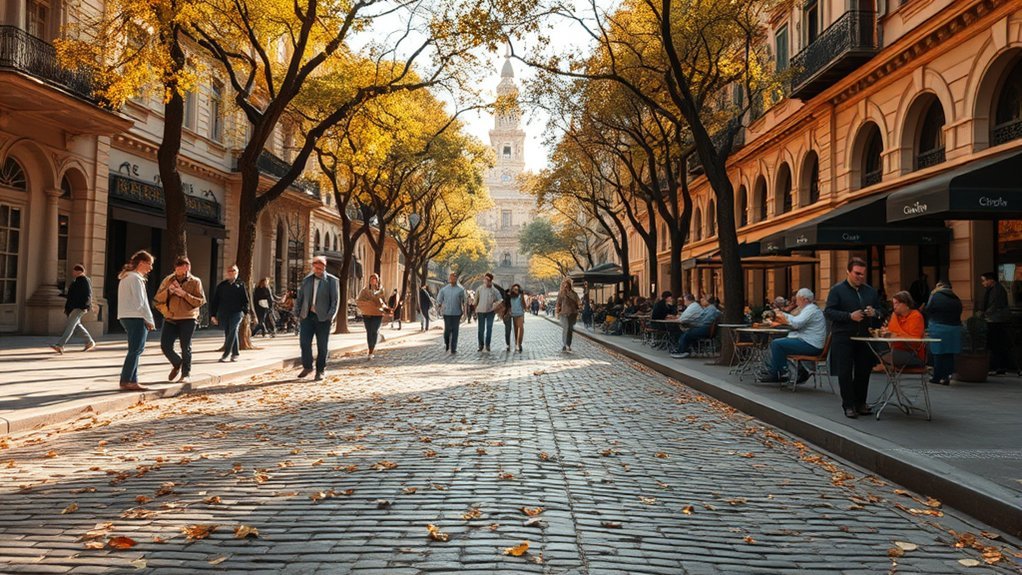
If you’re traveling before September 21, plan primarily for winter conditions. Buenos Aires is generally cool, the Andes can have snow, and Patagonia can be cold enough for winter sports. A trip beginning in late September can feel very different because temperatures and daylight increase quickly as spring develops.
Frequently Asked Questions
How far does $100 go in Argentina?
There is no reliable fixed answer because Argentine prices and exchange rates can change quickly, and costs differ sharply between Buenos Aires, Patagonia, smaller cities, and resort areas. Check the Central Bank of Argentina’s current retail exchange rates close to your travel date and price your actual hotels, meals, and transportation before setting a daily budget.
What’s the best month to go to Argentina?
There is no single best month for the whole country. October is a strong choice for mild spring travel in many areas and is especially attractive for Iguazú, while Buenos Aires is excellent through spring and Mendoza is pleasant in both spring and autumn. Patagonia’s best timing depends on whether you want hiking, wildlife, snow, or fewer crowds.
What’s the coldest month in Argentina?
July is generally one of the coldest months across much of Argentina because it falls in the middle of the Southern Hemisphere winter. Conditions still vary greatly: northern lowlands can stay comparatively mild, while the Andes, Patagonia, and Tierra del Fuego can experience freezing temperatures and snow.
Does Argentina have four seasons?
Yes. Argentina has summer, autumn, winter, and spring. Because the country stretches from subtropical northern areas to sub-Antarctic latitudes, those seasons feel very different depending on the region and elevation.
What season is July in Argentina?
July is winter in Argentina. It is a popular time for skiing and snow activities in mountain destinations, while cities such as Buenos Aires experience cool winter weather.
When does spring start in Argentina?
Argentina’s official tourism calendar starts spring on September 21 and ends it on December 20. Climate guides also commonly use September through November as a simplified spring weather period, so both date ranges may appear in travel information.
Conclusion
As of July 28, 2026, Argentina is still in winter, with spring beginning September 21 on the country’s tourism calendar. Once spring arrives, warmer weather, blooming landscapes, and longer days make destinations such as Iguazú, Buenos Aires, Mendoza, and Patagonia appealing for very different reasons.
The key is to plan by region rather than treating Argentina as one climate. Pack breathable layers and rain protection for the warmer north, versatile city clothing for Buenos Aires and Mendoza, and warmer wind-resistant gear for Patagonia. Spring then runs into summer, which begins December 21.
Sources
- Visit Argentina — About Argentina — official season dates and regional climate overview.
- Visit Argentina — Argentina Weather Guide — regional seasonal temperature and rainfall patterns.
- Visit Argentina — Iguazú Falls in Spring — spring timing, conditions, and travel guidance for Iguazú.
- Visit Argentina — Spring Experiences — Buenos Aires jacarandas and other seasonal attractions.
- Visit Argentina — Institutional Travel Information — seasonal destination guidance and Mendoza harvest timing.
- Argentina.gob.ar — National Holidays — current official holiday calendar and transferable-holiday rules.