
Last Updated on July 27, 2026 by Daniel Globe
Understanding the weather and microclimates of Maui is crucial for travelers seeking to optimize their Hawaiian vacation. Unlike uniform island climates, Maui exhibits distinct weather patterns across its coastlines, valleys, and volcanic peaks that significantly influence travel plans. For instance, the leeward resort areas like Kihei, Wailea, and Kaʻanapali offer warm, dry weather year-round, while windward areas like Hāna receive lush tropical rainfall that feeds the island’s famous waterfalls.
Quick Answer
The best time to visit Maui is during the shoulder seasons of April to May (spring) and September to November (fall). During these months, travelers experience ideal weather with daytime highs in the low-to-mid 80s°F, minimal rainfall in resort areas, smaller crowds, and lower rates on hotels and flights compared to the busy summer and winter peak seasons.
Key Takeaways
- Optimal Weather: Maui enjoys mild, pleasant weather year-round, with warm summers (mid-80s°F) and gentle winters (upper-70s°F).
- Peak Seasons: Winter (December–April) attracts whale watchers and holiday crowds, while Summer (June–August) sees high family vacation traffic.
- Off-Peak Savings: Traveling during spring and fall shoulder months offers substantial savings on accommodations, flights, and rental cars.
- Microclimates Matter: South and West Maui remain dry and sunny, whereas Upcountry and Haleakalā summit can drop below freezing.
- Cultural Events: Maui hosts world-class cultural, culinary, and film festivals alongside seasonal marine events throughout the year.
When planning a trip to Maui, travelers should evaluate average temperatures alongside seasonal ocean conditions and precipitation patterns. Coastal maritime influences keep ocean waters pleasant year-round, but winter swells dramatically alter beach conditions between the north and south shores, directly affecting snorkeling, surfing, and boat tours.
Disclosure: As an Amazon Associate I earn from qualifying purchases. Some links on this page are affiliate links, at no extra cost to you.
Peak Tourist Season in Maui
Winter Surge: Whales and Winter Getaways
Maui experiences its primary peak tourist season from mid-December through April. During these winter months, travelers from colder climates flock to the island for warm weather and the annual humpback whale migration. Thousands of humpback whales return to the shallow Auʻau Channel between Maui, Lānaʻi, and Molokai, making winter the premier season for whale watching excursions. However, this high demand leads to maximum accommodation rates, crowded beaches, and tightly booked tours.
Summer Vacation Rush: Family Travel and Calm Waters
A second peak season occurs during the summer months of June through August, driven largely by family vacations. Summer brings warmer daytime temperatures reaching the upper 80s°F and calm ocean conditions across most shores. Summer is ideal for stand-up paddleboarding, snorkeling at Molokini Crater, and scuba diving, though resort areas in Lahaina, Kaʻanapali, and Wailea experience high occupancy and bustling restaurants.
Pro Tip: If visiting during peak winter or summer periods, reserve rental cars, Haleakalā sunrise passes, and popular dining spots at least 3 to 6 months in advance to avoid steep last-minute pricing and sell-outs.
Planning Ahead: Balancing Weather, Ocean Swells, and Crowds
Understanding seasonal trends allows travelers to make informed decisions about when to visit. While winter delivers spectacular whale watching, north shore beaches like Jaws (Peʻahi) and Hookipa experience massive ocean swells that make swimming dangerous. Conversely, summer offers glassy ocean water ideal for young swimmers, but higher humidity and warmer temperatures overall.
Off-Peak & Shoulder Seasons

Traveling during Maui’s shoulder and off-peak months—specifically April to May and September to November—offers numerous advantages for visitors seeking a more relaxed experience. During these windows, tourist volume drops significantly between major holiday periods, leading to quieter beaches and more authentic interactions with local business owners and communities.
Visiting popular attractions like the Road to Hāna or ʻĪao Valley State Monument during shoulder months lets you explore winding coastal roads and historic hiking trails without encountering heavy tour bus congestion. This peaceful atmosphere allows for unhurried roadside stops at fruit stands, local loaf bakeries, and scenic lookouts.
Additionally, off-peak travel provides substantial financial savings. Airlines and resorts frequently offer promotional packages, lower nightly rates, and car rental discounts during spring and autumn. According to official travel data from the Hawaiʻi Tourism Authority, visiting during shoulder months can reduce overall accommodation expenses by 20% to 35% compared to holiday peak rates.
Events and Festivals in Maui
| Event Name | Typical Timing | Primary Location | Highlight / Focus |
|---|---|---|---|
| Maui Whale Festival | February | South Maui / Kihei | Marine conservation & whale education |
| Kapalua Wine & Food Festival | June | Kapalua Resort | Culinary tastings & master sommeliers |
| Maui Film Festival | June / July | Wailea & Kahului | Open-air cinema under the stars |
| Festivals of Aloha | September / October | Island-wide (Hāna, Wailea) | Native Hawaiian music, hula & crafts |
Cultural events and festivals shape unique travel experiences in Maui, celebrating Native Hawaiian heritage, agricultural roots, and local culinary innovation. Attending these annual gatherings provides visitors with rich cultural insights beyond standard tourist attractions.
In addition to major resort festivals, smaller community events enrich a Maui itinerary. Farmers markets in Kula, art night walks in Lahaina and Makawao, and local slack key guitar concerts showcase island traditions. Engaging with these community celebrations directly supports local craftspeople, farmers, and cultural practitioners.
Budget-Friendly Maui Travel
Exploring Maui on a realistic budget requires strategic planning and resourcefulness. While luxury resorts and helicopter tours command premium prices, visitors can minimize costs without sacrificing experience by making smart transportation and activities choices.
Utilizing public transportation like the Maui Bus system provides an affordable option for traveling between main hubs like Kahului, Kihei, Lahaina, and Upcountry. Renting a fuel-efficient vehicle early and purchasing grocery staples at local markets rather than dining out for every meal also yields major savings.
Furthermore, many of Maui’s most memorable attractions are free or low-cost. Exploring public beaches, self-guided walking tours in historic towns like Makawao, and visiting state parks like Waiʻānapanapa (requires advance booking) offer world-class outdoor recreation for a nominal fee.
Outdoor Activities and Microclimates
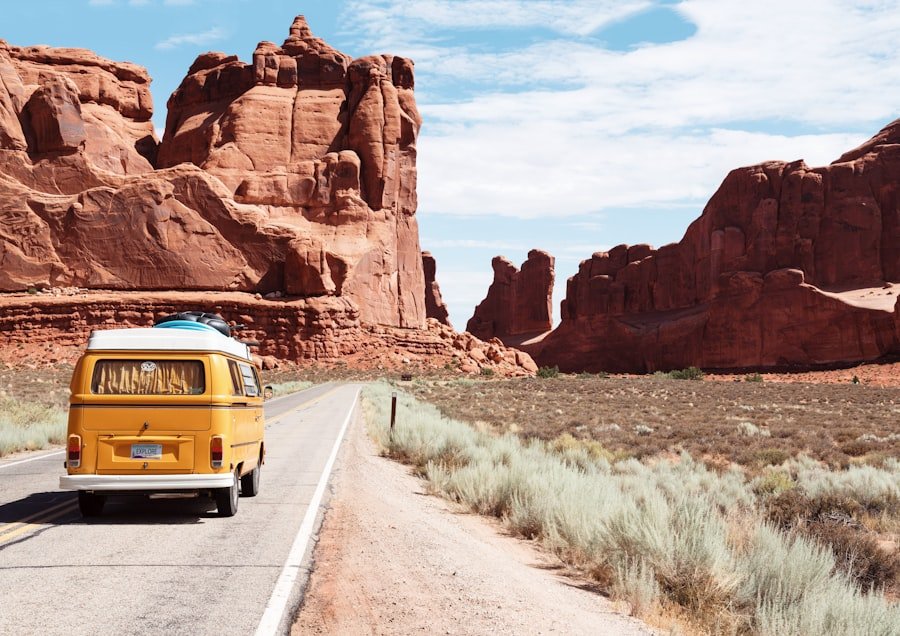
Outdoor recreation is central to the Maui experience. From hiking in high-altitude volcanic craters to snorkeling vibrant coral reefs, Maui’s natural landscape offers endless outdoor exploration.
At Haleakalā National Park, visitors can hike through stark volcanic wilderness at elevations over 10,000 feet. Temperatures at the summit are routinely 20°F to 30°F cooler than sea level and frequently drop below freezing before sunrise.
Warning: When visiting Haleakalā summit for sunrise or hiking high-elevation trails, bring insulated winter jackets, pants, and closed-toe shoes. Rapid altitude changes and cold alpine winds can cause hypothermia without warm outerwear.
Water activities vary greatly depending on location and season. Protected marine reserves like Molokini Crater and Honolua Bay offer exceptional snorkeling conditions with high visibility during calm summer months. Always verify daily surf forecasts and ocean conditions from official weather outlets such as the National Weather Service Honolulu Office before swimming or snorkeling on unprotected beaches.
Accommodation Availability and Booking Tips
Lodging demand in Maui remains consistently high, particularly in popular resort zones like Wailea, Kaʻanapali, and Kapalua. During peak holiday seasons, beachfront hotels routinely reach capacity months in advance.
To secure quality lodging at reasonable rates, book accommodations 4 to 8 months ahead for peak months or target shoulder seasons when availability improves. Condominium rentals in areas like Kihei or Napili offer full kitchens that help cut dining expenses, making them ideal for families or extended stays.
Flexibility with travel dates also improves availability. Mid-week stays often offer lower nightly rates than weekend arrivals, while staying in Upcountry towns like Kula or Makawao provides a peaceful mountain retreat closer to Haleakalā National Park.
Local Cuisine and Dining Experiences
Sampling Maui’s culinary scene is a highlight of any trip. The island’s cuisine reflects a rich blend of Native Hawaiian traditions, Asian immigrant influences, and modern Pacific Rim farm-to-table innovations.
Visiting local fish markets and roadside food trucks allows travelers to enjoy fresh poke (marinated raw fish), mahi-mahi, ʻahi, and traditional Hawaiian plate lunches featuring kalua pork and poi. Upcountry Maui is famous for its rich volcanic soil, yielding fresh strawberries, onions, goat cheese, and locally roasted coffee.
For an immersive food experience, explore weekly farmers markets in Kula or Kahului, where local growers share fresh tropical fruits like papaya, lilikoi (passionfruit), and mango alongside artisanal goods.
Note: Travelers staying in condos or vacation rentals can purchase fresh white noise travel machines or earplugs if staying near coastal areas with loud surf or trade winds, ensuring restful sleep throughout their stay.
Sources
- Hawaiʻi Tourism Authority — Official Maui destination guide, seasonal travel data, and visitor guidelines.
- National Park Service: Haleakalā National Park — Official summit weather advisories, trail maps, and reservation details.
- National Weather Service – Honolulu Office — Marine forecasts, surf warnings, and regional Hawaiian climate data.
Frequently Asked Questions
What is the best time to travel to Maui?
The best time to travel to Maui is during the shoulder seasons of spring (April to May) and fall (September to November). During these months, the weather is warm and sunny, rainfall is low in resort areas, crowds are manageable, and flight and hotel rates are lower than peak winter and summer seasons.
What is the weather like in Maui during the best time to travel?
During the spring and fall shoulder seasons, Maui enjoys daytime temperatures ranging from the upper 70s to mid-80s Fahrenheit. Humidity is comfortable, ocean temperatures hover around 78°F–80°F, and trade winds provide a refreshing coastal breeze with minimal rainfall in South and West Maui.
Are there any specific events or festivals during the best time to travel to Maui?
Yes. Spring features cultural events like the East Maui Taro Festival and Earth Day celebrations. Autumn hosts the Festivals of Aloha, featuring Hawaiian music, hula performance, and cultural workshops across the island.
Is it more expensive to travel to Maui during the best time to travel?
No. Traveling during the spring and fall shoulder seasons is typically less expensive than peak winter (December–April) and peak summer (June–August). While rates remain higher than non-tropical domestic destinations, accommodation and airfare prices drop by 20% to 35% compared to peak holiday periods.
What are the popular activities to do in Maui during the best time to travel?
Popular activities during shoulder seasons include snorkeling at Molokini Crater, driving the Road to Hāna, watching sunrise from Haleakalā summit, exploring Upcountry farms, hiking ʻĪao Valley, and attending traditional luau celebrations on the beach.

