

Last Updated on July 27, 2026 by Daniel Globe
Thailand is one of the world’s most captivating travel destinations, renowned for its golden temples, tropical islands, bustling street markets, and world-class cuisine. However, because the country experiences a tropical monsoon climate, choosing the right month for your trip can drastically affect your overall experience. Whether you are looking for crystal-clear diving conditions, vibrant cultural festivals, or budget-friendly accommodations with fewer crowds, understanding Thailand’s weather patterns ensures you plan the ultimate getaway.
Quick Answer
The best time to visit Thailand is during the cool and dry season from November to February. During these months, temperatures range from 20°C to 30°C (68°F–86°F) across most regions, offering comfortable conditions for sightseeing, island hopping, outdoor trekking, and attending major cultural festivals like Loy Krathong.
Key Takeaways
- Peak Season (November–February): Ideal dry weather, comfortable warmth, and calm seas, but brings higher prices and larger tourist crowds.
- Hot Season (March–May): High temperatures soaring above 35°C (95°F); excellent for celebrating Songkran (Thai New Year) in mid-April.
- Rainy / Off-Peak Season (May–October): Heavy downpours, lush greenery, lower hotel rates, and fewer tourists.
- Coastline Climate Split: The Andaman Coast (Phuket, Krabi) is wettest from May to October, whereas the Gulf Coast (Koh Samui) experiences its heaviest monsoon rain from October to December.
Disclosure: As an Amazon Associate I earn from qualifying purchases. Some links on this page are affiliate links, at no extra cost to you.
Understanding Thailand’s Three Distinct Climate Seasons
Thailand’s climate is governed by a tropical monsoon system, which divides the year into three distinct seasons: the hot season, the rainy season, and the cool season. Temperatures remain warm year-round, typically ranging between 24°C and 35°C (75°F–95°F), but humidity and rainfall levels vary significantly depending on the month and region.
The hot season spans from March to May, with daily temperatures frequently climbing past 35°C (95°F) in central and northern regions like Bangkok, Ayutthaya, and Chiang Mai. High relative humidity during this time can make urban sightseeing exhausting, making coastal breezes and air-conditioned travel essential.
The rainy season, driven by the southwest monsoon, runs from late May through October. Rain usually comes in sudden, intense downpours lasting 1 to 2 hours in the late afternoon or evening rather than all-day drizzles. This precipitation revitalizes the countryside, producing countryside greenery, cascading waterfalls, and vibrant agricultural landscapes.
The cool season, lasting from November to February, delivers the most comfortable climate. Temperatures cool down to a pleasant 20°C to 30°C (68°F–86°F) with low humidity and clear blue skies, making it the preferred window for international travelers.
Note on Microclimates: Thailand’s two major island zones operate on different monsoon schedules. While Phuket and Krabi (Andaman Sea) face heavy rains from May to October, Koh Samui and Koh Phangan (Gulf of Thailand) enjoy relatively sunny weather through July and August, seeing their main rainy monsoon late between October and December.
Peak Tourist Season in Thailand (November to February)
The peak tourist season in Thailand directly coincides with the cool season. During these months, optimal weather draws visitors worldwide to famous destinations including Bangkok, Chiang Mai, Phuket, Krabi, and Koh Samui. Flight schedules and hotel reservations experience high demand during this window.
Travelers visiting during peak months should anticipate higher rates for accommodations, tours, and transportation, along with busier sights at major cultural landmarks like Bangkok’s Grand Palace or Chiang Mai’s Wat Phra That Doi Suthep.
Despite higher prices, the pleasant climate enables outdoor activities such as city walking tours, jungle trekking, and boat excursions without heat exhaustion. Cultural festivities during this period, including Loy Krathong and the Yi Peng Lantern Festival, offer memorable travel experiences.
Off-Peak Season in Thailand (May to October)
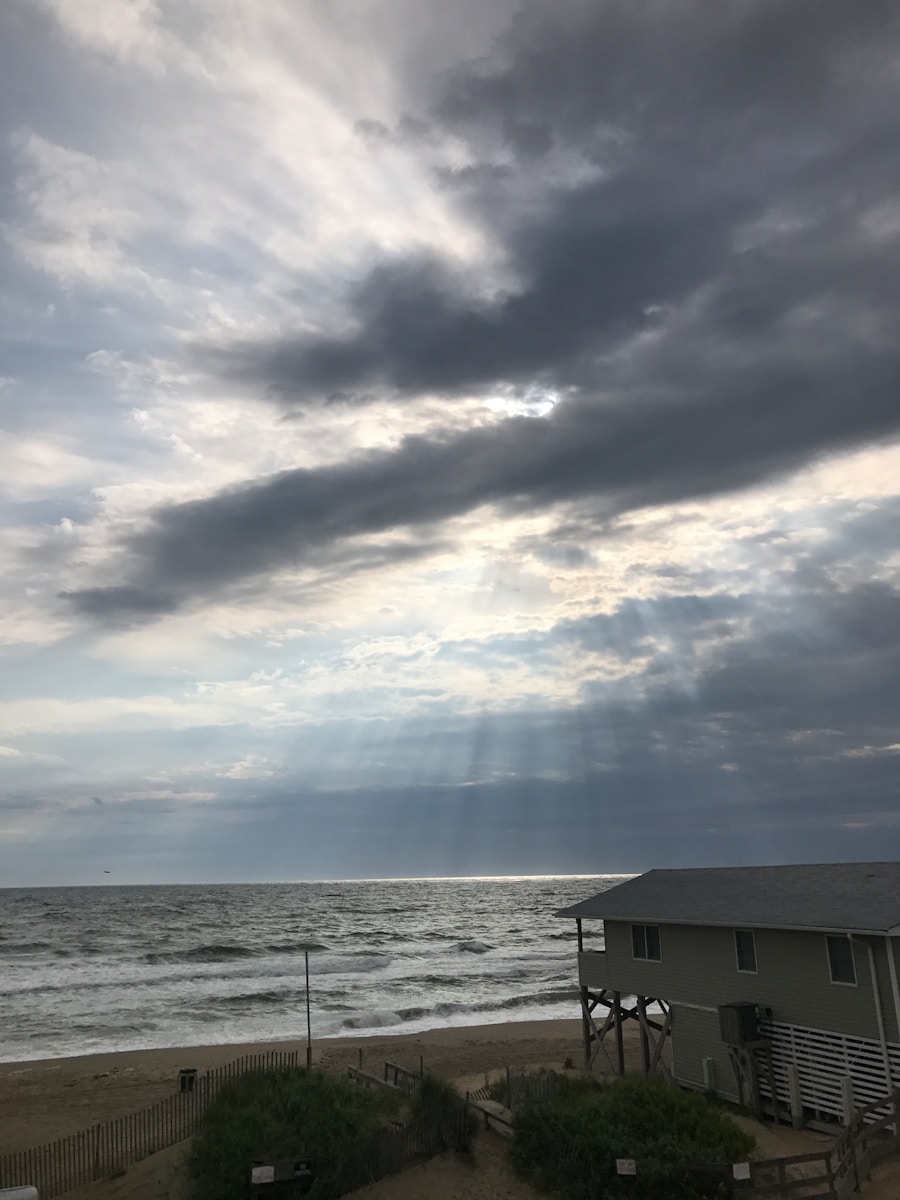
The off-peak season in Thailand runs alongside the rainy monsoon months from May to October. While daily rainfall deters some tourists, traveling during this period provides distinct advantages for flexible and budget-minded travelers. Major heritage sites and national parks are significantly quieter, offering a more tranquil cultural experience.
Hotels, resorts, and tour companies frequently cut rates by 30% to 50% to attract visitors. In addition, rain showers nourish the landscape, creating spectacular views at inland national parks such as Khao Sok, Erawan, and Khao Yai, where rivers and waterfalls reach peak flow.
Pro Tip: Monsoon rain in Thailand often arrives in short, predictable afternoon showers. Plan outdoor sightseeing, temple visits, and island boat trips for the early morning, keeping mid-afternoon hours open for indoor museum visits, cooking classes, or spa treatments.
Major Cultural Festivals and Events in Thailand
Thailand’s calendar is rich with traditional celebrations that give travelers a firsthand look into local heritage and spiritual customs. Aligning your travel dates with these major festivals can transform your vacation.
| Event Name | Primary Location | Date / Period |
|---|---|---|
| Songkran (Thai New Year) | Nationwide (Bangkok, Chiang Mai, Phuket) | April 13–15 |
| Loy Krathong & Yi Peng | Chiang Mai, Sukhothai, Ayutthaya, Bangkok | Full Moon of November |
| Phi Ta Khon (Ghost Festival) | Dan Sai, Loei Province | June or July (Varies) |
| Phuket Vegetarian Festival | Phuket Island | October (9th Lunar Month) |
Songkran, celebrated every April, marks the traditional Thai New Year. Famous for nationwide water fights, participants splash water on locals and tourists alike to symbolize cleansing, renewal, and good fortune for the year ahead.
Loy Krathong occurs during the full moon of the 12th lunar month (November). People release decorated floating baskets (krathongs) onto rivers, canals, and lakes to honor the water spirits and let go of negative energy. In northern destinations like Chiang Mai, this event coincides with Yi Peng, where thousands of lit paper lanterns launch into the night sky.
Best Time for Outdoor Activities, Diving, and Trekking
For outdoor adventurers, weather conditions dictate accessibility and safety across Thailand’s varied eco-regions.
The cool season (November through February) is ideal for mountain trekking, zip-lining, and exploring national parks like Doi Inthanon in Northern Thailand. Cooler mountain air and dry trails create comfortable hiking conditions.
Sea conditions and underwater visibility vary by coast:
- Andaman Sea (Phuket, Krabi, Similan Islands, Koh Lanta): Best underwater visibility and calmest seas run from November to April. The Similan and Surin Islands National Marine Parks are closed to visitors during the monsoon period from mid-May to mid-October.
- Gulf of Thailand (Koh Samui, Koh Tao, Koh Phangan): Clear diving conditions peak from January through August. Koh Tao remains a premier global destination for scuba diving certifications through summer.
Warning: Pay attention to beach warning flags along island shores during monsoon months. Red flags indicate dangerous rip currents and high surf. Do not enter the ocean or board small wooden long-tail boats when red flags are flying.
Budget-Friendly Travel Times in Thailand

Traveling on a budget in Thailand is manageable year-round, but booking during the off-peak monsoon months (May through October) delivers maximum savings on flights, accommodations, and guided tours. Boutique hotels and luxury resorts across Phuket, Krabi, and Chiang Mai frequently drop room rates significantly compared to peak winter months.
In addition to hotel discounts, visiting during shoulder months allows you to explore top attractions like Ayutthaya Historical Park, Sukhothai, and the Grand Palace with minimal crowd interference, making photographing iconic monuments much easier.
Tips for Navigating Crowds and High Season Demand
If your travel schedule requires visiting during peak tourist months (November to February), practical planning strategies can help you avoid long queues and crowded venues:
- Early Morning Sightseeing: Arrive at popular temples and historical sites like Bangkok’s Wat Pho or Wat Phra Kaew right when gates open at 8:00 AM to beat large tour groups.
- Explore Alternative Destinations: Swap high-density tourist centers for quieter secondary provinces. Consider visiting Nan or Chiang Rai instead of central Chiang Mai, or choose quiet coastal spots like Koh Yao Noi and Koh Lanta over crowded Patong Beach.
- Book Intercity Transport Early: High-speed trains, domestic flights, and popular ferry routes sell out quickly around Christmas, New Year’s Eve, and Songkran. Reserve long-distance transport several weeks ahead of time.
Choosing the Perfect Time to Travel to Thailand
Selecting the ideal month for your trip to Thailand comes down to your personal priorities, budget, and planned activities. The cool dry season (November to February) delivers reliable sunshine and comfortable temperatures for outdoor exploration, while the off-peak monsoon season (May to October) suits budget-conscious travelers seeking lower prices and relaxed, crowd-free destinations.
By taking regional microclimates, seasonal weather patterns, and festival schedules into account, you can build a customized itinerary that highlights the best of Thailand’s rich culture, scenic landscapes, and warm hospitality.
Frequently Asked Questions
What is the overall best time to travel to Thailand?
The best time to travel to Thailand is during the cool and dry season from November to February. Weather during this window is generally warm, sunny, and dry, creating ideal conditions for sightseeing, beach holidays, and outdoor activities.
What is the weather like in Thailand during the best travel months?
During the cool season (November to February), day temperatures range between 20°C and 30°C (68°F–86°F). Relative humidity is noticeably lower, skies remain mostly clear, and ocean waters are calm, making outdoor exploration comfortable.
Are there specific events or festivals to consider when planning a trip?
Yes. Major cultural events include Songkran (Thai New Year) in mid-April, famous for countrywide water celebrations, and Loy Krathong / Yi Peng in November, celebrated with floating lanterns and flower floats across Thai rivers and skies.
When are the peak tourist seasons in Thailand?
Peak tourist season occurs between November and February when dry, cool weather attracts international travel. A secondary spike in domestic and regional travel takes place in mid-April during the Songkran holiday week.
Which regions in Thailand are best to visit during peak season?
Popular regions such as Bangkok, Chiang Mai, Phuket, Krabi, and Koh Samui are all ideal to visit from November to February. However, if visiting Koh Samui specifically, summer months (January through August) also offer good beach weather.
Sources
- Tourism Authority of Thailand (TAT) — Official travel guidelines, event dates, and seasonal visitor advisories
- Thai Meteorological Department — Climatological reports, weather statistics, and annual monsoon tracking

