
Last Updated on July 25, 2026 by Daniel Globe
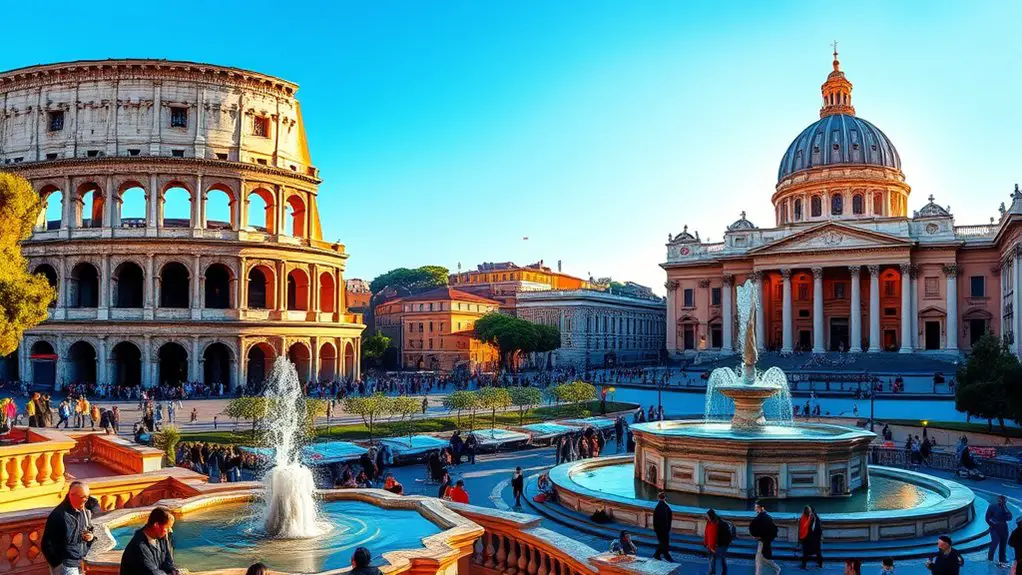
Three days in Rome gives you enough time to see the Colosseum, Roman Forum, Vatican Museums, St. Peter’s Basilica, Pantheon, Trevi Fountain, and several of the city’s most atmospheric neighborhoods without turning the trip into a race. The key is to group sights by area, reserve the busiest attractions in advance, and leave space for meals, gelato, and wandering.
Quick Answer
For a first trip to Rome, spend Day 1 exploring the Colosseum, Roman Forum, and Palatine Hill; Day 2 at the Vatican Museums and St. Peter’s Basilica; and Day 3 walking from the Spanish Steps and Trevi Fountain to the Pantheon, Piazza Navona, and Trastevere.
Key Takeaways
- Reserve the Colosseum and Vatican Museums before your trip rather than relying on same-day availability.
- Keep Ancient Rome, Vatican City, and the historic center on separate days to reduce unnecessary travel.
- St. Peter’s Basilica is separate from the Vatican Museums and normal Basilica admission is free.
- The Pantheon now charges €7 for standard full admission, while the controlled inner area at Trevi Fountain costs €2 for tourists and non-residents.
- Plan to walk a lot, but use Rome’s metro, buses, trams, or contactless Tap & Go when distances become tiring.
At a Glance
| Time Required | 3 full sightseeing days |
| Difficulty | Moderate; expect long periods of walking and standing |
| Tools Needed | Comfortable shoes, phone with offline maps, attraction reservations, and a payment card or transit ticket |
| Cost | Varies by lodging and meals. Current standard admission includes €18 for the Colosseum/Forum/Palatine, €20 plus the official online reservation fee for the Vatican Museums, and €7 for the Pantheon. |
Disclosure: As an Amazon Associate I earn from qualifying purchases. Some links on this page are affiliate links, at no extra cost to you.
3-Day Rome Itinerary Overview
A well-structured itinerary makes a big difference in Rome. Instead of crossing the city several times per day, organize your visit around three areas: Ancient Rome, Vatican City, and the historic center.
Day 1: Colosseum, Roman Forum, Palatine Hill, and Monti
Start your first morning at the Colosseum. The archaeological park currently opens the Colosseum at 8:30 a.m., and admission requires a reserved entry time. Standard tickets for the Colosseum, Roman Forum, and Palatine Hill currently cost €18 and go on sale 30 days before the visit through the official Parco archeologico del Colosseo website.
Allow roughly an hour to 90 minutes inside the Colosseum, depending on your ticket. Then continue through the Roman Forum and Palatine Hill. These sites are extensive, so give them another two to three hours rather than trying to rush through in one hour.
Pro Tip: Wear shoes with good grip on Ancient Rome day. Uneven stone, steps, slopes, and long stretches outdoors make this one of the most tiring days of the itinerary.
After the archaeological area, take a proper lunch break in Monti. This neighborhood sits conveniently near the Colosseum and gives you time to recharge before a lighter afternoon.
Later, stroll along Via dei Fori Imperiali toward Capitoline Hill. From the hill and nearby terraces, you can look back over parts of the Roman Forum without adding another major timed attraction.
Spend your first evening around Monti or take a short ride to Testaccio for dinner. Traditional Roman dishes worth looking for include carbonara, amatriciana, cacio e pepe, saltimbocca, and supplì.
Day 2: Vatican Museums, St. Peter’s Basilica, and the Tiber
Make Day 2 your Vatican day. Reserve an early admission to the Vatican Museums, which include access to the Sistine Chapel. The museums currently open Monday through Saturday from 8:00 a.m. to 8:00 p.m., with final admission at 6:00 p.m. The standard full ticket is €20, while the official reserved-entry ticket adds a €5 reservation charge. Buy only through the official Vatican Museums website.
Give the museums at least three hours. Art lovers can easily spend longer, so resist the temptation to schedule another major museum immediately afterward.
Next, visit St. Peter’s Basilica. Do not assume that a Vatican Museums ticket automatically provides a direct entrance into the Basilica. Unless your specific official or guided visit says otherwise, plan to leave the museums and approach St. Peter’s through the regular visitor entrance and security screening.
Normal admission to the Basilica is free. As of June 2026, it is open daily from 7:00 a.m. to 8:00 p.m., although religious celebrations can affect access. Optional timed booking services and the Dome are separate. Check the official St. Peter’s Basilica opening information before your visit.
Warning: Vatican dress rules are enforced. Cover your shoulders and knees and avoid sleeveless or low-cut clothing, miniskirts, and very short shorts. St. Peter’s publishes additional clothing guidance, so check the current rules before arriving.
If you still have energy, walk toward Castel Sant’Angelo and cross the Tiber for river views. You do not need to tour the interior to enjoy this part of Rome. Finish the day with dinner in Prati or cross the river for an evening walk through the historic center.
Day 3: Spanish Steps, Trevi Fountain, Pantheon, Piazza Navona, and Trastevere
Day 3 is your walking day. Begin around the Spanish Steps before the surrounding streets become busiest, then walk to Trevi Fountain.
Rome introduced controlled paid access to the fountain’s inner monument area in February 2026. Tourists and non-residents currently pay €2 to enter that area during the designated access hours. Check Roma Capitale’s official Trevi Fountain information before your trip because visitor arrangements can change.
Continue west to the Pantheon. Standard full admission increased to €7 on July 1, 2026. The official visitor information also makes an important point: there is no special Pantheon “skip-the-line” admission. Tickets are sold through the official Italian museums system or on site, subject to availability. See the Ministry of Culture’s Pantheon page for current details.
From the Pantheon, it is an easy walk to Piazza Navona. Pause for lunch or gelato rather than trying to pack another museum into the middle of the day.
Continue through Campo de’ Fiori and cross the river into Trastevere. Its smaller streets, churches, restaurants, and evening atmosphere provide a relaxed finish after three days of major monuments.
Three days works best when each day stays geographically focused: Ancient Rome, the Vatican, then the historic center.
What to Book Before Your 3 Days in Rome
The most important reservations should be made before you arrive:
- Colosseum: Reserve the required Colosseum time through the official archaeological park. Current ticket sales open 30 days before the visit.
- Vatican Museums: Buy through the Vatican Museums’ official portal. Popular morning times can disappear well ahead of a busy travel date.
- Pantheon: Check the official calendar once your travel month is available and choose your preferred time.
- Restaurants: Reserve only the dinners you particularly care about. Leaving some meals unplanned gives you flexibility when sightseeing runs long.
Note: Attraction schedules, religious celebrations, strikes, special openings, and security requirements can alter a Rome itinerary. Recheck official attraction websites shortly before each visit rather than relying on an old screenshot or third-party ticket page.
Tips for First-Time Visitors
Start major sightseeing days early, but avoid scheduling every hour. Security lines, heat, meal breaks, and simply stopping to admire a church or piazza can change your timing.
Rome is highly walkable in the center, although the Vatican, Termini, Villa Borghese, and some residential neighborhoods may require public transportation. ATAC operates Rome’s buses, trams, and metro. Its Tap & Go system accepts supported contactless cards and NFC devices across ATAC surface routes and the metro network. Remember to use the same card or device consistently when required by the system.
Learn a few basic Italian phrases such as buongiorno, buonasera, per favore, and grazie. You do not need fluent Italian to visit Rome, but simple greetings are useful.
Wear comfortable footwear. Cobblestones, archaeological surfaces, steps, and long museum corridors make fashionable but unsupportive shoes a poor choice for a full sightseeing day.
During warm weather, carry water, take breaks in the shade, and avoid stacking the most exposed outdoor sights into the hottest part of the afternoon.
For meals, give yourself time to sit rather than treating every lunch as another task. A slower lunch or dinner is also a useful way to recover after hours on your feet.
How to Save Time Without Rushing Rome
The best time-saving strategy is not squeezing more attractions into each day. It is eliminating unnecessary travel and queues.
- Use official reserved tickets instead of arriving without a plan.
- Do not schedule the Vatican and Colosseum on the same day unless your trip gives you no alternative.
- Keep the Pantheon, Piazza Navona, Trevi Fountain, and Spanish Steps together because they are naturally suited to one walking route.
- Allow breaks after long museum or archaeological visits.
- If you fall behind, remove an optional interior visit instead of rushing every remaining stop.
Where to Stay in Rome
Where you stay can save more time than almost any transportation trick. For a first trip, prioritize a location that suits your itinerary rather than choosing a hotel only because of a promotional nightly rate.
Boutique Hotel Galatea is on Via Genova near Via Nazionale. Its central position gives you convenient access to Monti, Ancient Rome, and central transport connections. See the Boutique Hotel Galatea official site for current room rates.
The Hoxton, Rome offers stylish, mid-century-inspired rooms at Largo Benedetto Marcello. It is a good choice if you prefer a more residential setting and do not mind using public transportation or taxis for some of the classic sightseeing route. See The Hoxton Rome official site.
Sofitel Roma Villa Borghese is a luxury option near Villa Borghese, with easy access to the Spanish Steps and Trevi Fountain area. Its rooftop restaurant and elevated position are part of the appeal. Current rates are available from the Sofitel Roma Villa Borghese official site.
The Corner Roma on Viale Aventino works well for travelers who want to stay near Circus Maximus, the Aventine, and the southern side of the historic center.
Hotel rates in Rome change substantially according to dates, room type, events, booking conditions, and demand, so fixed “starting at” prices quickly become outdated. Compare your exact dates before deciding which property fits your budget.
Frequently Asked Questions
What Are the Best Apps for Navigating Rome?
Google Maps is useful for walking directions and downloaded offline maps. For public transportation and digital tickets, use ATAC’s official tools or supported ticket apps listed by ATAC. Download what you need before leaving Wi-Fi so a weak mobile signal does not interrupt navigation.
How Do I Avoid Long Lines at Attractions?
Reserve official timed tickets for the Colosseum and Vatican Museums before your trip and arrive with enough time for security. Be skeptical of sellers advertising vague “secret entrances.” The Pantheon specifically states that skip-the-line admission is not available, and security screening at St. Peter’s Basilica can still create a wait.
What Should I Wear While Exploring the City?
Wear supportive walking shoes and dress for the season. When visiting Vatican sites and churches, choose clothing that covers your shoulders and knees. Vatican Museums guidance prohibits sleeveless or low-cut clothing, shorts above the knee, miniskirts, and hats, while St. Peter’s Basilica publishes its own current dress requirements.
Are There Local Customs I Should Be Aware Of?
Start interactions with a polite buongiorno or buonasera, respect dress requirements in churches, and avoid treating ordinary shops or food markets as places where bargaining is expected. Tipping is not mandatory in the same way it is in the United States, although diners may leave something extra for good service.
What Is the Best Way to Exchange Currency in Rome?
Italy uses the euro. Cards are convenient for many purchases, but check your card issuer’s foreign-transaction and ATM fees before traveling. When a card terminal or ATM offers to convert a euro transaction into your home currency, review the exchange rate and added charges carefully. Visa notes that this service, called dynamic currency conversion, may include additional fees or markup and that you have the right to accept or decline it.
Is 3 Days Enough for Rome?
Three full days are enough for a strong first visit covering Ancient Rome, the Vatican, and the major historic-center sights. You will not see everything. A fourth or fifth day gives you more time for places such as the Borghese Gallery, Appian Way, additional museums, or a slower neighborhood-focused day.
What Should I Book First for a 3-Day Rome Trip?
Prioritize the Colosseum and Vatican Museums. Colosseum timed-entry sales currently open 30 days before the visit. Once those two reservations are fixed, arrange your Pantheon time and any restaurants, tours, or additional museums you consider essential.
Conclusion
Three days in Rome will not uncover every church, ruin, museum, or neighborhood, but it is enough for an excellent first visit. Spend one day in Ancient Rome, one at the Vatican, and one walking through the historic center to Trastevere. Book the busiest sights in advance, wear comfortable shoes, and leave enough unscheduled time to enjoy the city between its monuments.
Sources
- Parco archeologico del Colosseo — official Colosseum opening hours, reservations, and ticket information.
- Vatican Museums — official opening times, admission prices, reservations, and visitor guidance.
- St. Peter’s Basilica — official Basilica and Dome opening information.
- Italian Ministry of Culture — Pantheon — official Pantheon admission, scheduling, and visitor rules.
- ATAC Roma — official Rome contactless public-transport information.
- Roma Capitale — official 2026 Trevi Fountain controlled-access and admission information.
