
Last Updated on July 28, 2026 by Daniel Globe
Italy offers several very different kinds of wellness travel: free outdoor hot springs, maintained thermal parks, historic spa towns, luxury hotel spas, and medical wellness clinics with diagnostics and supervised programs. Choosing the right one depends on whether you want a simple soak, traditional mud or inhalation treatments, a relaxing resort stay, or a structured medical-wellness program.
Quick Answer
Italy’s leading choices include Terme di Saturnia for Tuscan thermal water, Palace Merano and Villa Eden for medical wellness, Palazzo Fiuggi for diagnostics and structured programs, Abano-Montegrotto for thermal mud, Bagni di Pisa for a historic resort, Montecatini for spa-town heritage, and Ischia for seaside thermal parks.
Key Takeaways
- Choose among three main experiences: a natural spring, a maintained thermal resort, or a medically supervised wellness clinic.
- Cascate del Mulino near Saturnia is free, while the nearby Terme di Saturnia resort and thermal park charge admission.
- Palace Merano, Villa Eden, and Palazzo Fiuggi are Italian medical-wellness destinations; SHA Spain, Chenot Palace Weggis, and Buchinger Wilhelmi are outside Italy.
- Thermal bathing may ease pain or stiffness for some people, but it is not a proven cure and should not replace medical treatment.
- Program prices, inclusions, opening dates, and medical eligibility can change, so confirm everything directly before booking.
Disclosure: As an Amazon Associate I earn from qualifying purchases. Some links on this page are affiliate links, at no extra cost to you.
Top Medical Spas and Thermal Springs in Italy
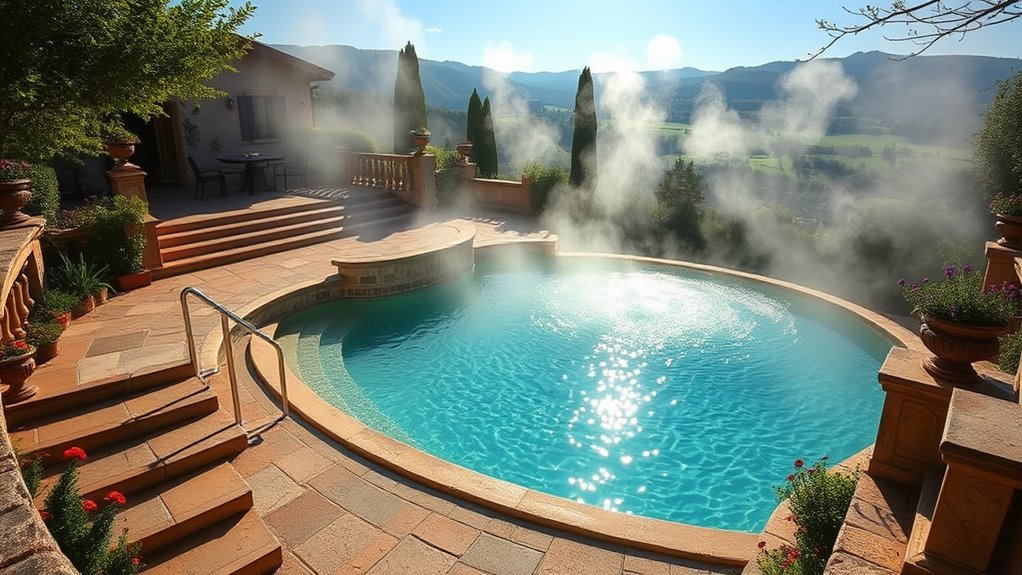
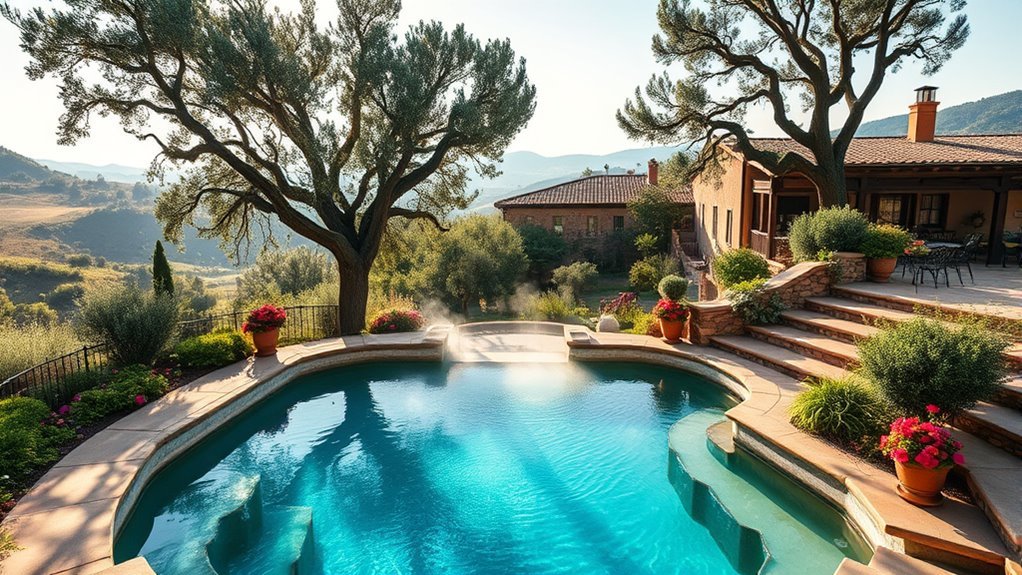
Italy’s best wellness destinations are not interchangeable. Some are built around naturally heated mineral water, while others focus on medical assessments, nutrition, movement, stress management, or longevity programs. The comparison below shows which type of trip each destination suits best.
| Destination | Location | Best For | Experience |
|---|---|---|---|
| Terme di Saturnia | Tuscany | Thermal bathing and resort treatments | Paid resort and thermal park near a free outdoor waterfall |
| Palace Merano | South Tyrol | Structured detox, fitness, and wellness programs | Luxury medical-wellness hotel |
| Villa Eden | South Tyrol | Privacy, diagnostics, and personalized longevity stays | Small adults-only medical retreat |
| Palazzo Fiuggi | Lazio | Medical assessments, nutrition, and performance programs | High-end medical spa near Rome |
| Abano and Montegrotto Terme | Veneto | Thermal mud, bathing, and traditional spa treatments | Large thermal district with many hotels |
| Bagni di Pisa | Tuscany | Historic surroundings and spring-fed pools | Luxury thermal resort |
| Montecatini Terme | Tuscany | Spa history, architecture, and prescribed thermal treatments | UNESCO-recognized historic spa town |
| Bagni di Lucca | Tuscany | A quieter historic spa-town break | Small-scale thermal and relaxation stays |
| Ischia | Campania | Seaside thermal pools and botanical parks | Island resorts, public sites, and large thermal parks |
How to Choose a Thermal Spring, Resort, or Medical Spa
Free Natural Hot Springs
A free spring such as Cascate del Mulino offers the simplest experience. You arrive, change with limited privacy, and soak in naturally flowing water. These sites may have uneven ground, few services, no lockers, and no controlled guest capacity. They are best for flexible travelers who do not need treatments or hotel facilities.
Thermal Resorts and Spa Towns
Thermal resorts maintain pools, changing rooms, showers, treatment rooms, and relaxation areas. Some offer mud applications, inhalation therapy, massage, or hydrotherapy. Historic spa towns such as Montecatini, Abano, and Bagni di Lucca may have several independent hotels and treatment establishments rather than one all-inclusive complex.
Medical Wellness Clinics
A medical wellness clinic usually begins with consultations, tests, or a detailed health questionnaire. Programs may combine nutrition, exercise, sleep support, stress management, physiotherapy, and spa treatments. The term does not guarantee that every service is medically necessary or supported by strong clinical evidence, so check who supervises the program and which treatments are delivered by licensed professionals.
Note: In the United States, “medspa” often refers to an aesthetic clinic providing procedures such as injectables or laser treatments. A European destination medical-wellness resort may instead focus on diagnostics, nutrition, exercise, and supervised lifestyle programs.
Why Italy’s Thermal Springs Are Worth Visiting
What Thermal Bathing May Help
Warm-water immersion can relax muscles and make gentle movement feel easier. Research on balneotherapy for osteoarthritis suggests that some programs may provide short-term improvements in pain, stiffness, mobility, or quality of life. However, study methods differ, and results from one mineral source or treatment schedule cannot automatically be applied to every spa.
Thermal-water inhalation, mud applications, bathing, and aquatic exercise are also different treatments. A claim about one method should not be used as proof that every pool treats respiratory, skin, circulatory, or joint conditions.
What Thermal Water Cannot Promise
Thermal bathing should be treated as a complementary wellness activity, not as a cure. The word “detox” is also commonly used by resorts to describe a low-calorie menu, alcohol-free stay, massage, exercise, or relaxation program. According to the National Center for Complementary and Integrative Health, there is no compelling evidence that detox diets remove unspecified toxins from healthy bodies.
A thermal spa may support relaxation and short-term symptom relief, but it should never replace diagnosis, medication, rehabilitation, or treatment prescribed by a qualified clinician.
Scenic and Historic Settings
Italy’s strongest advantage is the setting. Visitors can soak among Tuscany’s hills, stay in a South Tyrolean medical retreat, explore Liberty-style spa architecture in Montecatini, or move between beaches and thermal gardens on Ischia. The surrounding landscape is part of the experience, but it should not be confused with clinical effectiveness.
Luxury Wellness at Palace Merano
Palace Merano is a five-star medical-wellness hotel in Merano, South Tyrol. Its Revital Method combines conventional and functional medicine with Traditional Chinese Medicine, nutrition, massage, hydro-mud treatments, fitness, and relaxation services.
Programs and Current Starting Prices
- Detox & Longevity: A structured nutrition and treatment program that uses “detox” as the resort’s program terminology.
- Revital Spa: A less medically intensive option centered on massage, body treatments, and relaxation.
- Sport & Fitness: Personal training, movement, recovery treatments, and nutrition.
- Relax & Balance: Stress-management, breathing, body treatments, and relaxation activities.
As of July 2026, the resort’s official program page lists Detox & Longevity packages from €3,290 for five nights and €4,880 for seven nights. Revital Spa packages start lower, while sport and performance programs cost more. Confirm the room category, medical tests, treatments, transfers, taxes, and meals included in any quote.
Personalized Wellness at Villa Eden
Villa Eden is a small adults-only retreat in Merano with 25 suites and a focus on privacy, preventive medicine, diagnostics, and personalized longevity programs.
- Individual assessment: Programs begin with a review of the guest’s goals and health information.
- Diagnostics: Available services may include laboratory testing, body-composition assessment, and other clinic-selected evaluations.
- Movement and recovery: Programs can combine fitness, mobility work, massage, and relaxation.
- Health-focused dining: Meals are integrated into the stay rather than treated as a separate restaurant experience.
- Private setting: The small number of suites suits travelers who prefer a quieter environment than a large thermal resort.
Some therapies advertised by longevity clinics are emerging, optional, or not appropriate for every guest. Ask which services have strong evidence for your goal, which are experimental, and which require separate medical consent.
Medical Wellness at Palazzo Fiuggi
Fiuggi has a long association with mineral-water treatments, but it should not be reduced to the original article’s unsupported “skin rejuvenation” label. Palazzo Fiuggi, in the hills east of Rome, is a modern medical-wellness retreat with diagnostic services, supervised exercise, nutrition programs, pools, saunas, hydrotherapy, and recovery facilities.
This destination is better suited to a multi-night medical-wellness stay than to travelers looking only for a casual hot-spring soak. Before booking, ask which tests and consultations are included and whether the quoted program price includes accommodation and meals.
Natural Thermal Springs at Terme di Saturnia
In southern Tuscany, the spring used by Terme di Saturnia emerges at a steady temperature of about 37.5°C or 99.5°F. The water travels underground before reaching the surface and feeds both maintained resort pools and the natural cascade farther downstream.
Free Cascate del Mulino
Cascate del Mulino is the photogenic outdoor waterfall with shallow travertine pools. Access is generally free, but there are limited facilities, the ground can be slippery, and crowd levels are not controlled. Conditions, parking arrangements, and local access rules can change.
Paid Terme di Saturnia Resort and Thermal Park
The paid resort provides maintained pools, hydromassage areas, changing facilities, saunas, treatment rooms, mud treatments, massage, and hotel services. Day admission and overnight stays are separate purchases, and advance booking is sensible during busy periods.
Pro Tip: Visit Cascate del Mulino early in the morning, bring water shoes with good grip, and carry a dry bag for clothing and valuables. The pools are designed for soaking rather than lap swimming.
Thermal Mud at Abano and Montegrotto Terme
Abano and Montegrotto form one of Italy’s largest thermal districts. The area includes many hotels with spring-fed pools and specializes in mature thermal mud, bathing, inhalation treatments, massage, and rehabilitation-oriented services.
The Italian national tourism site identifies Abano as one of the country’s best-known centers for mud therapy and thermal treatments. Some prescribed treatments may operate within Italy’s health-service framework, but international visitors should not assume that insurance or public reimbursement applies to them.
Historic Thermal Stays at Bagni di Pisa
Bagni di Pisa, in San Giuliano Terme near Pisa, combines a historic palace setting with spring-fed pools, thermal mud, inhalation rooms, massage, sauna, and relaxation areas.
The resort states that its bicarbonate-sulphate-calcium-magnesium water reaches the surface at approximately 36°C. This is a polished hotel-spa experience rather than a free outdoor spring, making it more suitable for couples, short luxury stays, and travelers who want treatments and changing facilities in one place.
Montecatini Terme and Grand Hotel Tamerici
Montecatini is one of the Great Spa Towns of Europe recognized by UNESCO. Its appeal comes from historic thermal architecture, parkland, prescribed water treatments, and its location between Florence, Lucca, and Pisa.
Where to Find Thermal Treatments
Visitors seeking the town’s actual mineral-water services should check current availability directly with Terme di Montecatini. Not every historic spa building provides the same treatments, and some structures are more important for architecture and heritage than for bathing.
What Grand Hotel Tamerici Offers
Grand Hotel Tamerici & Principe is a traditional hotel near the spa park. Its facilities include the Myricae Spa, massage and body treatments, a Turkish bath, sauna-style facilities, hydromassage features, and an outdoor pool.
The hotel should be described as a convenient spa-oriented base in Montecatini, not automatically as a source-fed thermal-bath establishment. Ask the hotel whether a particular pool or treatment uses certified thermal water before booking it for that reason.
A Quieter Alternative at Bagni di Lucca
Travelers who prefer a smaller historic town can also consider Bagni di Lucca. Its appeal is the calm Tuscan setting and traditional spa atmosphere rather than the intensive diagnostics associated with a medical wellness clinic.
Ischia Island: A Seaside Thermal Spa Getaway
Ischia, in the Tyrrhenian Sea, has a dense network of geothermal springs, fumaroles, thermal hotels, and established bathing parks. It is a strong choice for travelers who want to combine a spa visit with beaches, gardens, coastal villages, and a longer island holiday.
Well-known options include Poseidon Thermal Gardens and Negombo Thermal Gardens. Poseidon has numerous pools at different temperatures in a landscaped setting, while other sites combine thermal bathing with beaches, caves, mud treatments, or hotel accommodation. The island’s thermal history is well established, but the exact claim that it has “over 100 springs” or Italy’s single largest concentration should not be treated as settled without a defined geological count.
Individual parks can operate seasonally, so check current dates through the official Ischia tourism board. You can also combine the trip with the island’s coves and beaches.
International Wellness Clinics Outside Italy
Buchinger Wilhelmi, Chenot Palace Weggis, and SHA are prominent European wellness names, but they are not Italian destinations. They are included here only as international alternatives for travelers comparing medically supervised programs across Europe.
Buchinger Wilhelmi in Germany
Buchinger Wilhelmi operates its Lake Constance clinic in Überlingen, Germany. Its therapeutic-fasting method is based on the approach developed by Dr. Otto Buchinger and combines medical supervision, nursing checks, laboratory testing, movement, rest, and gradual food reintroduction.
A standard fasting day commonly supplies about 200–250 calories through items such as vegetable broth, juice, tea, water, and small additions selected by the clinic. The minimum fasting stay is 10 nights or 11 days, including a preparation period and several days of gradual re-feeding. Longer stays may be recommended after the initial medical assessment.
Warning: Extended very-low-calorie fasting can cause medication problems, low blood pressure, electrolyte disturbances, dehydration, dizziness, and loss of lean tissue. It is not appropriate for everyone and should not be copied from a resort itinerary without medical assessment and supervision.
Chenot Palace Weggis in Switzerland
Chenot Palace Weggis is on Lake Lucerne in Switzerland. Its programs combine medical consultations, diagnostic tests, a controlled plant-based diet, massage, hydrotherapy, and technology-assisted treatments under the proprietary Chenot Method.
As of July 2026, its official site lists seven-night programs from CHF 5,500, with accommodation charged separately from CHF 410 per night. “Detox” is the clinic’s program language; guests should evaluate specific outcomes and treatments rather than assuming the program removes undefined toxins.
SHA Wellness Clinic in Spain
SHA Spain is in Alicante province near Altea, Spain. It combines preventive medicine, diagnostics, nutrition, exercise, stress management, and medically supervised services in a luxury resort setting.
Current Personalized Programs
SHA’s 2026 program structure includes categories focused on longevity, healthspan, performance, detox and weight management, and tailor-made stays. Focused packs may address areas such as sleep, digestive health, women’s health, men’s health, or a broad health check-up.
- Assessment: Medical history, goals, and selected diagnostic information guide the stay.
- Nutrition: Meals are structured around the chosen program and clinical recommendations.
- Movement: Fitness, mobility, or performance work is adjusted to the guest.
- Stress and sleep: Coaching, relaxation, and mind-body practices may be integrated.
- Follow-through: Guests may receive recommendations for habits to continue at home.
Regenerative and Cognitive Services
SHA advertises advanced longevity, cellular-regeneration, cognitive-performance, and precision-medicine services. These categories can include interventions with very different levels of evidence, cost, risk, and regulatory oversight. Ask for the exact procedure name, clinician credentials, evidence, expected outcome, contraindications, and follow-up plan before consenting.
Planning Your Italian Wellness Trip
At a Glance: Planning Basics
| Best Time to Visit | Spring and fall generally bring milder weather and fewer crowds. Winter can be atmospheric at year-round Tuscan springs, while many Ischia parks follow seasonal schedules. |
| Typical Stay | A few hours for a free spring or thermal park; two to four nights for a resort; five to ten nights or more for structured medical and fasting programs. |
| Booking Lead Time | Reserve popular day spas several days or weeks ahead. Medical programs and premium rooms may require booking weeks to months in advance. |
| Budget Range | Free for an undeveloped outdoor spring; paid admission for maintained thermal parks; premium nightly rates plus program fees at medical-wellness hotels. |
| Transport | Montecatini and Merano are practical by rail. Rural Tuscan springs are easier by car. Ischia requires a ferry followed by local transport or a hotel transfer. |
| Medical Clearance | Ask a clinician before extended fasting or hot-water use if you are pregnant, have significant heart or circulation problems, take affected medicines, or manage a chronic condition. |
| What to Bring | Swimsuit, sandals, reusable water bottle, robe or towel if not supplied, water shoes for natural sites, sun protection, and a waterproof bag. |
Questions to Ask Before Booking
- Is the water naturally thermal, conventionally heated, or a mixture?
- Does the price include accommodation, meals, tests, consultations, treatments, taxes, and transfers?
- Which services are provided by physicians, nurses, physiotherapists, dietitians, or other licensed professionals?
- Can the facility safely accommodate allergies, mobility limitations, pregnancy, or chronic conditions?
- What are the cancellation and medical-disqualification policies?
- Are robes, towels, swim caps, lockers, and sandals supplied?
- Are children allowed, and are specific pools adults-only?
- Will the resort provide a written treatment schedule before arrival?
Thermal Spa Safety
The CDC advises that hot-tub water should not exceed 104°F or 40°C. Do not swallow the water, avoid soaking when you have diarrhea, and do not drink alcohol before or during hot-water use. Children younger than five should not use hot tubs, and pregnant visitors should discuss hot-water use with a healthcare provider.
Warning: Leave the water immediately if you feel dizzy, weak, nauseated, unusually sleepy, short of breath, or overheated. Do not enter an isolated natural spring alone, especially at night or in bad weather.
Packing and Spa Etiquette
- Shower before entering maintained pools.
- Wear a swim cap where the facility requires one.
- Keep phones quiet and avoid photographing other guests.
- Follow posted limits for each hot, cold, or Kneipp pool.
- Do not apply heavy oils or lotions immediately before entering the water.
- Use sandals in wet indoor areas and water shoes at rough outdoor sites.
- Confirm whether treatments require arrival in a robe or disposable garments.
Note: Prices for luxury medical-wellness programs change with season, room category, tests, and treatment intensity. A published “starting from” figure may not include every part of the stay.
Frequently Asked Questions
What is the best medical spa in the US?
There is no objective single best medical spa. The Ranch Malibu is a well-known structured wellness retreat, but it is not the same as a conventional US medspa offering physician-supervised aesthetic procedures. Compare licensing, medical scope, staff credentials, program evidence, and your specific goal.
What are red flags to avoid at spas?
Avoid poor cleanliness, unclear staff qualifications, hidden fees, pressure to buy supplements, guaranteed cure claims, treatment without informed consent, and refusal to explain risks or contraindications. A medical facility should clearly identify who supervises each procedure.
What are the top spas in the world?
There is no official universal ranking. Palace Merano in Italy, SHA Spain, Chenot Palace Weggis in Switzerland, and Buchinger Wilhelmi in Germany are prominent examples, but they specialize in different services and should not be compared as though they provide the same form of care.
What is the difference between a spa and a medspa?
A traditional spa focuses on bathing, massage, facials, and relaxation. A medspa provides medical or aesthetic procedures under clinical oversight. A destination medical-wellness clinic may instead combine testing, nutrition, exercise, sleep support, and supervised lifestyle programs.
Are the Saturnia hot springs free?
Cascate del Mulino is the free outdoor waterfall near Saturnia. The Terme di Saturnia resort and maintained thermal park are separate paid facilities with pools, treatments, changing areas, and hotel services.
Are Italian thermal waters medically proven?
Research suggests some balneotherapy programs may improve short-term pain, stiffness, or function for certain musculoskeletal conditions. Evidence varies by condition, water source, treatment schedule, and study quality, so thermal bathing should complement rather than replace medical care.
How many days should I spend at an Italian spa?
A thermal park can be enjoyed in half a day or a full day. A relaxing resort stay usually lasts two to four nights. Structured medical programs often run five to ten nights, while Buchinger Wilhelmi’s supervised fasting program outside Italy requires at least 10 nights.
Conclusion
Italy’s medical spas and thermal destinations range from the free outdoor pools at Cascate del Mulino to historic thermal towns and highly structured medical-wellness hotels. Terme di Saturnia, Palace Merano, Villa Eden, Palazzo Fiuggi, Abano-Montegrotto, Bagni di Pisa, Montecatini, and Ischia each suit a different type of trip.
Choose according to the actual water source, clinical oversight, treatment plan, budget, and stay length—not broad promises about detoxification or healing. Confirm current prices and opening dates directly, and obtain medical advice before extended fasting or hot-water use when health conditions, pregnancy, or medication could increase the risk.
Sources
- Italia.it: Italian Mud Baths and Sulfur Springs — supports the overview of Abano and other established Italian thermal destinations.
- Terme di Saturnia: Natural Hot Spring — confirms the spring’s temperature and official resort information.
- Palace Merano: Revital Programs — supports current program categories, durations, and published starting prices.
- Buchinger Wilhelmi: How Long Should You Fast? — confirms the clinic’s minimum fasting stay and supervised structure.
- CDC: Staying Healthy in Hot Tubs — supports temperature, pregnancy, child, hygiene, and alcohol safety guidance.
- NCCIH: Detoxes and Cleanses — supports the evidence limitations surrounding detox diets and cleansing claims.
