
Last Updated on July 23, 2026 by Daniel Globe
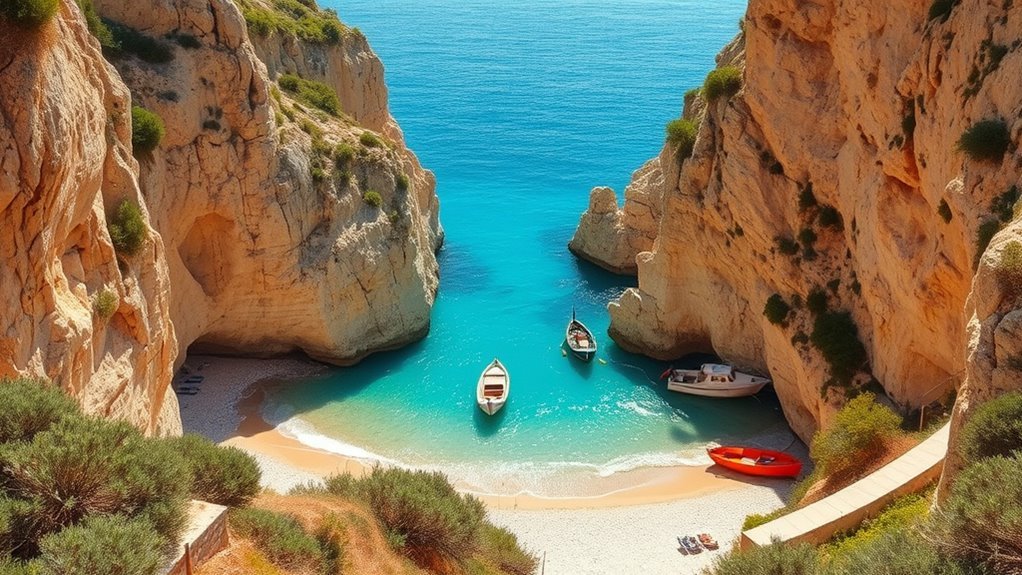
Italy’s best hidden beaches range from wild pebble coves beneath the cliffs of the Riviera del Conero to volcanic swimming spots on Pantelleria. Some are reached by road, while others require a steep walk, water taxi, ferry, or boat. Visit in June or September for a better chance of warm weather and lighter crowds, but always check local access notices and sea conditions before leaving.
Quick Answer
The best hidden beaches in Italy include Mezzavalle on the Riviera del Conero, Vignanotica in Gargano, Ponza’s Piscine Naturali, Balata dei Turchi on Pantelleria, and Cannello on Elba. Access ranges from roadside paths to boats and long walks, so check current conditions before you travel.
Key Takeaways
- June and September usually provide a good balance of warm weather, open services, and smaller crowds.
- A beach described as hidden may still become busy in July and August.
- Many remote coves have no shade, toilets, lifeguards, drinking water, or mobile reception.
- Wear sturdy shoes for steep approaches and water shoes on pebbles, lava rock, and slippery natural pools.
- Check municipal notices, park guidance, ferry schedules, wind, and sea conditions on the day of your visit.
Disclosure: As an Amazon Associate I earn from qualifying purchases. Some links on this page are affiliate links, at no extra cost to you.
What Makes Italy’s Hidden Beaches Special
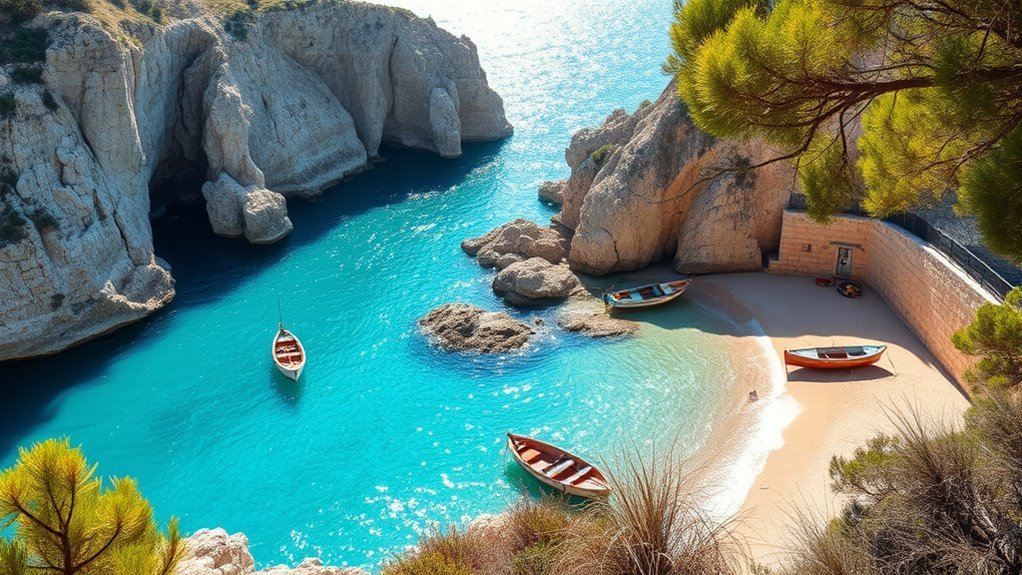
Italy’s lesser-known beaches stand out because of their varied landscapes. You can swim beside white limestone cliffs in the Marche region, explore sea caves in Gargano, float among volcanic rock on Pantelleria, or find quiet pebble bays on Elba.
The extra effort required to reach these places is often part of their appeal. However, remote access also means fewer services and more responsibility. You may need to carry all your water, food, sun protection, and rubbish. You should also be ready to change your plan if a path closes, the sea becomes rough, or a boat operator cancels a trip.
These shores are not untouched wilderness. They are living landscapes shaped by local communities, fishing traditions, protected areas, and seasonal tourism. Respect signs, avoid unstable cliff bases, leave plants and rocks in place, and take everything you brought back with you.
Best Hidden Beaches in Italy at a Glance
| Destination | Recommended Spot | Surface | Typical Access | Facilities | Best For |
|---|---|---|---|---|---|
| Riviera del Conero | Mezzavalle | Fine gravel and pebbles | Steep footpath or sea | Very limited | Natural scenery and swimming |
| Gargano | Vignanotica | Pebbles | Road, parking area, and walk | Seasonal services may operate | Cliff scenery and photography |
| Ponza | Piscine Naturali | Rock and natural pools | Footpath, local transport, or boat | Limited and seasonal | Snorkeling and rock swimming |
| Pantelleria | Balata dei Turchi | Lava rock | Narrow road and final approach | Little or none | Experienced swimmers and snorkelers |
| Elba | Cannello | Dark pebbles and mineral sand | About a 30-minute walk | None | Solitude and underwater scenery |
Warning: Do not cross barriers, enter closed tunnels, stand directly below unstable cliffs, or swim in natural pools during rough seas. Rockfall, strong currents, waves, heat, and slippery surfaces can make an otherwise beautiful cove unsafe.
Riviera del Conero’s Secret Cliffside Bays
The Riviera del Conero in the Marche region combines white limestone cliffs, wooded slopes, clear Adriatic water, and pebble beaches. Some beaches are easy to reach, while others require steep paths or a boat. The official Italian tourism portal describes the coast as a mix of wild coves, gravel inlets, rocks, and wider beaches within the protected Conero landscape.
You can review official destination information through Italia.it’s Riviera del Conero guide.
Hidden Pebble Coves and Named Beaches
Mezzavalle is one of the best choices for a natural beach experience. It is a long public beach without rows of bathing establishments. Two paths descend from the road, with one route longer and the other shorter but steeper. Carry enough water and wear shoes with good grip.
Portonovo is easier to use if you want a mix of nature and services. Its roughly two-kilometre shoreline includes public areas and equipped establishments. It is beautiful, but it is not always quiet during the main summer season.
Farther south, the Sirolo area includes Urbani, San Michele, Sassi Neri, and Due Sorelle. Due Sorelle is the most boat-dependent option and should not be treated as a casual walk-in beach.
| Beach | Best For | Access Notes |
|---|---|---|
| Mezzavalle | A natural, undeveloped beach | Steep footpaths; limited services |
| Portonovo | A choice of public and equipped areas | Road access; parking can be difficult in summer |
| San Michele | Scenery with more services nearby | Walking route or seasonal local transport |
| Due Sorelle | A scenic boat excursion | Reach by authorized sea service; no normal road access |
Mezzavalle and Portonovo
Choose Mezzavalle when you are comfortable carrying your own supplies and managing a steep return climb. The beach is made of fine gravel, and the approach can feel much harder in afternoon heat. There may be little natural shade, so bring sun protection and avoid overloading your bag.
Choose Portonovo when you want a simpler day with the possibility of renting beach equipment or eating nearby. You can also visit Lago Grande and Lago Profondo, the bay’s brackish lakes, as long as you follow local paths and protected-area signs.
Clandestino Susci Bar is a known waterfront dining option in Portonovo, but booking policies and seasonal opening days can change. Confirm directly before planning your day around a meal.
Pro Tip: Start the Mezzavalle descent early. You will avoid the strongest heat, improve your chance of finding legal parking, and have more time for the uphill return before dusk.
Sirolo’s Natural Shoreline
Sirolo is a practical base for exploring several Conero beaches rather than the name of one broad, empty shoreline. Urbani is close to town and usually easier to use. San Michele feels more secluded but may require a walk or seasonal shuttle. Sassi Neri has a wilder appearance, while Due Sorelle requires sea access.
| Sirolo-area Beach | What to Expect |
|---|---|
| Urbani | A scenic cove with easier access and seasonal services |
| San Michele | A greener setting reached on foot or by local transport |
| Sassi Neri | Pebbles, rocks, and a more natural atmosphere |
| Due Sorelle | Iconic sea stacks, no normal road access, and limited facilities |
Gargano’s Wild Coves and Quiet Sands
Gargano’s eastern coast in northern Puglia is shaped by pale cliffs, sea caves, wooded slopes, and small bays. Vignanotica is one of the strongest choices for dramatic scenery. Its pebble shore sits below tall cliffs between the Mattinata and Vieste areas.
Nearby Baia delle Zagare is famous for limestone stacks and bright water. However, land access can depend on hotel arrangements, private access systems, local parking, or boat services. Do not assume that every route shown on an old map remains publicly available.
Portogreco and Cala della Sanguinara can feel quieter, but the final approach, shade, parking, and seasonal services vary. Before leaving, consult the Gargano National Park information for Vignanotica and Baia delle Zagare.
- Vignanotica: Best for high cliffs, pebbles, and a long beach day.
- Baia delle Zagare: Best for famous stacks and a planned boat or managed-access visit.
- Portogreco: Best for travelers prepared for a less-developed setting.
- Cala della Sanguinara: Best for experienced walkers seeking a quieter approach.
Keep away from the base of visibly unstable cliffs, especially after heavy rain or strong weather. Follow barriers and local instructions even when other visitors ignore them.
Ponza’s Best Hidden Swim Spots
Ponza is reached by sea, and many of its best coastal views are also easiest to experience from a boat. Ferries and fast services operate from mainland ports such as Formia, Terracina, and Anzio, but routes and frequency vary by season. Check the latest information through Visit Ponza’s transport guide.
Frontone Beach is attractive and easy to reach by water taxi, but it is one of Ponza’s better-known beaches and can be lively rather than secluded. Visit early if you want a calmer atmosphere.
The Piscine Naturali near Le Forna are rock formations and sea pools rather than a sandy beach. Water shoes can improve grip, but they do not remove the danger created by waves and slippery rock. Avoid the pools when the sea is rough.
Chiaia di Luna must be described carefully. The high cliff and crescent bay are among Ponza’s most recognizable sights, but historical access through the Roman tunnel has been restricted for safety. Municipal records document access-control and cliff-safety projects. Do not follow an old route description or cross a locked gate. View the bay from an authorized viewpoint or on a legal boat excursion, and check current Comune di Ponza notices before approaching the area.
- Frontone: Water-taxi access, seasonal services, and a social atmosphere.
- Piscine Naturali: Rock swimming and snorkeling in calm conditions.
- Cala Feola: A small bay near the natural pools, with conditions and space that vary.
- Chiaia di Luna: Best treated as a viewpoint or boat-viewing destination unless authorities clearly confirm access.
Note: Ponza uses limited-traffic zones during the busy season. Bringing a car may create more problems than it solves. Buses, taxis, water taxis, and rentals are often more practical.
Pantelleria’s Volcanic Beaches and Pools
Pantelleria is a volcanic island, so many of its swimming places are made of dark rock rather than sand. Access often involves narrow roads, uneven paths, rock platforms, or entry ladders. A compact rental car can be useful, while a scooter is best reserved for confident riders.
- Balata dei Turchi: A dramatic cove framed by lava rock, suited to careful swimmers and snorkelers.
- Laghetto delle Ondine: A natural saltwater pool among volcanic rocks that is filled by sea water and waves.
- Lake of Venus: A volcanic lake with geothermal areas and mud, not a sea beach or uniformly warm swimming pool.
- Cala Levante and Arco dell’Elefante: Popular rock-entry swimming areas with striking volcanic scenery.
- Gadir: Known for coastal thermal-water areas, with access and conditions that should be checked locally.
The island’s official tourism website provides current information about its coves, volcanic sites, transport, and services. Review Visit Pantelleria’s things to do guide before choosing a swimming place.
Do not enter Laghetto delle Ondine during strong wave action. A natural rock wall does not make the pool safe when waves are breaking over it.
Elba’s Peaceful Coves for Slow Travel
Elba offers more than 147 kilometres of varied coastline, including sandy beaches, white pebble coves, dark mineral shores, and rocky bays. Nisporto and Nisportino are good choices for a slower day on the island’s northeastern side.
Nisportino is a natural sand-and-pebble beach with parking, some seasonal services, and a more informal atmosphere. Cannello, on the Calamita coast, is more remote. Elba’s official tourism information describes a roughly 30-minute downhill walk from the mining area, with no beach services.
Cala del Gesso should not be included in an Elba itinerary. It is located on Monte Argentario in mainland Tuscany. Travelers looking for a similarly wild Elba experience can choose Cannello, Acquarilli, Remaiolo, or another verified island cove.
| Elba Beach | Mood | Best For | Access and Services |
|---|---|---|---|
| Nisporto | Relaxed | Swimming and snorkeling | Road access with some services |
| Nisportino | Natural and informal | A quieter family day | Road access, parking, and seasonal services |
| Cannello | Remote | Nature and underwater scenery | About a 30-minute walk; no services |
| Acquarilli | Wild | Experienced beachgoers | Steep approach; check local guidance |
Use the official Visit Elba beach directory to compare surfaces, services, parking, wind exposure, and suitability before driving across the island.
How to Reach Italy’s Hidden Beaches
The best route depends on the region. A regional airport can reduce the first part of the journey, but it rarely removes the need for a train, ferry, rental vehicle, shuttle, walk, or boat. Build extra time into your plan, especially when you must connect with a sailing.
Fly Into Regional Airports
- Riviera del Conero: Ancona Airport is the nearest major air gateway, followed by a road or rail connection.
- Gargano: Bari and Brindisi can work, but the driving time depends on whether you stay near Mattinata, Vieste, or Peschici.
- Ponza: Rome or Naples can be useful flight gateways, but you must continue to a mainland ferry port because the final journey is by sea.
- Pantelleria: Pantelleria Airport has year-round and seasonal routes, while ferries and hydrofoils connect the island with Trapani.
- Elba: Pisa or Florence can be used before continuing to Piombino, where most ferries leave for the island.
Do not book a tight same-day connection between a flight and the final ferry. Delays, traffic, parking, baggage collection, and seasonal timetables can make a short transfer risky.
Rent a Car or Scooter
A compact car is often the most practical choice for Gargano, Conero, Elba, and Pantelleria. It gives you space for water and beach equipment, but parking near famous coves can fill early.
| Option | Best For | Main Limitation |
|---|---|---|
| Car | Remote trailheads, supplies, and families | Parking, narrow roads, and summer traffic |
| Scooter | Experienced riders carrying little gear | Wind, rough roads, limited luggage, and accident risk |
| Bus or Shuttle | Busy islands and parking-limited beaches | Seasonal schedules and limited evening service |
| Boat or Water Taxi | Sea-only coves and Ponza day trips | Weather cancellations and fixed return times |
Rent a scooter only when you already have riding experience and the correct licence. Wear the required helmet, avoid loose bags, and do not underestimate wind or unfamiliar bends.
Time Your Trip Right
Start early when visiting a beach with limited parking or a steep trail. Morning conditions are often cooler, and you have more time to respond if the intended access route is closed.
- Check the official destination or municipal website the evening before.
- Check wind, waves, and rain again on the morning of your visit.
- Confirm the last return boat, shuttle, or ferry.
- Save an easier backup beach in the same area.
- Download maps and tickets before entering a weak-signal area.
Best Time to Visit Italy’s Hidden Beaches
June and September are usually the strongest months for this type of trip. The weather is commonly warm, many seasonal services are operating, and crowds are often lighter than in July and August.
Early October can work in southern destinations such as Pantelleria, but weather, sea temperature, daylight, flights, ferries, restaurants, and beach services become less predictable. In spring, coastal walks can be pleasant, although the water may feel cold and boat services may be limited.
- June: Warm days, long daylight, and a good range of services.
- July and August: Hottest weather, highest demand, fuller parking, and less solitude.
- September: Warm sea in many areas, softer light, and fewer peak-season visitors.
- October: Better for flexible travelers who can adapt to weather and reduced services.
The quietest beach is often not a secret place. It is a beautiful place reached early, outside the busiest weeks, with a flexible backup plan.
Where to Eat Near Italy’s Hidden Beaches
Remote coves rarely sit beside a full choice of restaurants. Plan meals by town or bay rather than assuming you can buy food after reaching the beach. Reserve ahead during summer, and confirm seasonal opening days directly with the business.
- Riviera del Conero: Da Silvio and Clandestino Susci Bar are established options in the Portonovo area.
- Gargano: Coastal towns such as Mattinata, Vieste, and Peschici offer seafood restaurants and traditional trabucchi dining. Al Trabucco da Mimì is a known Peschici option.
- Ponza: Ristoro da Gerardo overlooks the Frontone area, but reaching it may involve a walk from the beach.
- Pantelleria: Dispensa Pantesca is a verified island dining option featuring local ingredients and views. The official tourism directory also lists current restaurants and agritourism businesses.
- Elba: Delfino Verde in Porto Azzurro and Teatro Bistro in Portoferraio are established choices away from remote coves.
Carry enough water and an emergency snack even when you have a lunch reservation. Boat delays, full parking, long walks, and heat can change your timetable.
How to Plan Your Beach Trip in Italy
Start by choosing the experience you actually want. Mezzavalle and Cannello suit travelers willing to walk and carry supplies. Portonovo and Nisportino offer more convenience. Ponza works best when you are comfortable using boats or water taxis. Pantelleria suits travelers who enjoy rock swimming and volcanic scenery.
Choose a Beach That Matches Your Group
- Families with young children: Prefer gentle seabeds, easier access, shade options, toilets, and seasonal lifeguards.
- Older travelers: Avoid routes with long, exposed climbs unless everyone is comfortable with the return journey.
- Snorkelers: Look for calm rock coves, but check boat traffic, currents, and entry points.
- Travelers with reduced mobility: Contact the destination or beach establishment directly. Many scenic coves have steps, loose pebbles, or no accessible route.
- Solo travelers: Tell someone your plan and return time when using a remote trail.
Pack for Limited Facilities
- More drinking water than you expect to need
- High-protection sunscreen and a hat
- Sturdy walking shoes and water shoes
- A small first-aid kit
- Food and a rubbish bag
- A charged phone and portable battery
- Downloaded maps, ferry tickets, and booking details
- Cash for small services that may not accept cards
- A light layer for a windy boat return
Travel Responsibly
Stay on marked routes, use legal parking, and never create a new shortcut down a slope. Do not remove shells, stones, plants, or volcanic material. Avoid loud music in small coves, keep your distance from wildlife, and take all waste back with you.
Use reef-conscious habits when snorkeling. Do not stand on marine growth, chase animals, feed fish, or anchor a private boat on sensitive seabeds where anchoring is restricted.
Frequently Asked Questions
Are Italy’s hidden beaches suitable for families with children?
Some are, but access matters as much as the water. Choose beaches with gentle entry, nearby toilets, shade, and easy transport. Avoid steep paths, cliff-backed coves, deep rock entries, and service-free beaches when traveling with very young children.
Can I camp overnight near secluded beaches in Italy?
Do not assume that wild camping is allowed. Municipal rules, park regulations, private property, fire restrictions, and coastal protections can prohibit tents and overnight stays. Use an authorized campsite or accommodation unless the responsible authority clearly permits camping.
Are dogs allowed on Italy’s hidden beaches?
Rules vary by municipality, season, protected area, and beach. Some places allow leashed dogs at certain hours, while others prohibit them during the main bathing season. Check the current local ordinance before traveling with a pet.
What should I pack for a hidden beach day?
Bring water, food, sunscreen, a hat, sturdy shoes, water shoes, a towel, a charged phone, a portable battery, basic first aid, cash, and a bag for your rubbish. Carry snorkeling equipment only when conditions and local rules make it safe to use.
Do these beaches have cell phone reception?
Reception varies by carrier and exact location. High cliffs and isolated bays can weaken the signal. Download maps, tickets, contact details, and return schedules before leaving town, and do not depend on mobile service for navigation or emergencies.
Do I need water shoes?
They are strongly recommended for pebble shores, sharp volcanic rock, slippery natural pools, and rocky water entries. They improve comfort and grip, but they cannot protect you from strong waves, currents, falling rock, or unsafe jumping areas.
Do I need to reserve boats, ferries, or beach access?
Reserve important ferries and popular summer boat trips in advance. Some beaches may use managed parking, shuttles, hotel access, or limited visitor systems. Confirm the current arrangement through an official destination or operator website.
What happens if the sea is too rough for a boat trip?
Use an inland or road-accessible backup plan. Do not pressure an operator to sail or attempt an exposed rock-entry swim instead. Rough conditions can also make natural pools, caves, and cliff-backed beaches unsafe even when the sky appears clear.
Conclusion
Italy’s hidden beaches are most rewarding when you match the destination to your ability, transport, and preferred level of comfort. Mezzavalle offers a wild Conero setting, Gargano delivers towering cliffs, Ponza is built around sea access, Pantelleria provides volcanic swimming places, and Elba combines quiet coves with varied shorelines.
Plan the final approach as carefully as the main journey. Check current access notices, carry enough supplies, respect barriers, and keep a backup beach ready. With thoughtful timing and responsible travel, you can enjoy a quieter side of Italy’s coast without placing yourself or its fragile landscapes at risk.
Sources
- Italia.it: The Conero Riviera — Conero geography, beaches, and access characteristics.
- Gargano National Park: Vignanotica and Baia delle Zagare — Gargano cliffs, bays, and protected landscape.
- Visit Ponza: Getting to Ponza — Mainland ports, ferry access, and travel planning.
- Comune di Ponza: Chiaia di Luna safety records — Access and cliff-safety planning.
- Visit Pantelleria: Transport and Mobility — Flights, ferries, public transport, and rentals.
- Visit Elba: The Beaches of Elba — Verified Elba beaches, surfaces, access, and services.

