
Last Updated on July 24, 2026 by Daniel Globe
If you’re exploring Italian white wines, you can’t miss Garganega from Soave for its bright acidity and complex flavors. Gavi’s minerality and crispness pair perfectly with seafood, while Verdicchio from Marche showcases citrus notes and freshness. Fiano offers a fuller body with stone fruits, and Pecorino impresses with herbal-citrus flavors. Vermentino is a coastal delight ideal for Mediterranean dishes. Each of these wines embodies Italy’s rich terroir and unique grape varieties, and there’s much more to discover.
Quick Answer
The best Italian white wines extend far beyond standard Pinot Grigio. Top varietals include Soave (Garganega) for bright acidity and almond aromas, Gavi (Cortese) for crisp minerality, Verdicchio for age-worthy citrus complexity, Vermentino for vibrant coastal freshness, and Fiano or Pecorino for rich, medium-to-full-bodied flavor profiles.
Key Takeaways
- Vast Heritage: Italy features over 350 officially registered indigenous grape varieties, producing diverse white wines from volcanic, maritime, and alpine terroirs.
- Superior Pinot Grigio Alternatives: Soave, Gavi, Verdicchio, Vermentino, Fiano, and Pecorino offer superior complexity, regional terroir expression, and exceptional value.
- Food Synergy: Natural high acidity makes Italian white wines ideal partners for seafood, pestos, antipasti, and light poultry dishes.
- Serving Temperature: Serve crisp whites chilled at 8–10°C (46–50°F) and richer whites slightly warmer at 10–12°C (50–54°F) to unlock full aromas.
The Allure of Italian White Wines
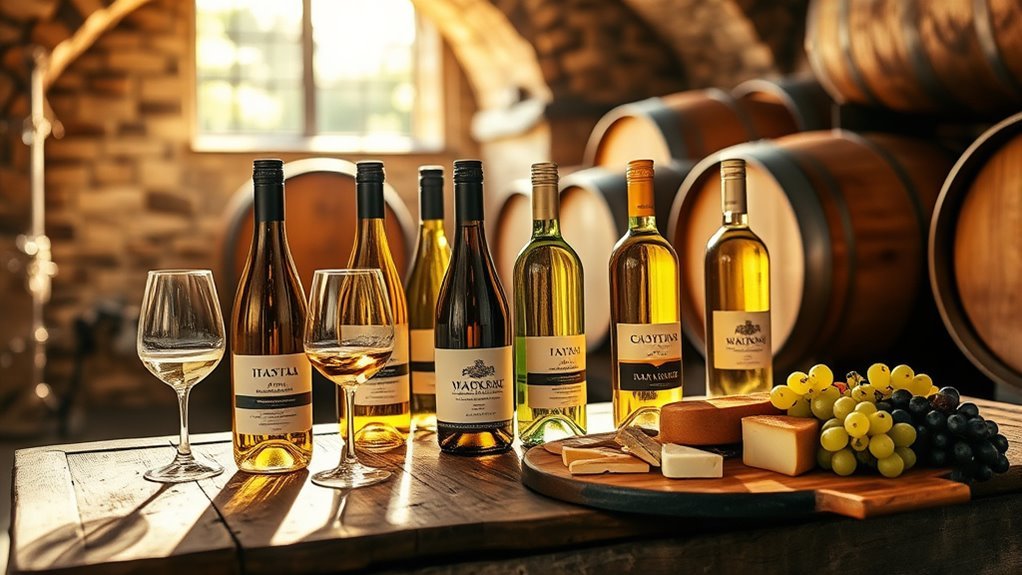
Italian white wines captivate the palate not just through their diverse flavors but also by showcasing the rich tapestry of the country’s terroir. According to Italian Wine Central, the country’s microclimates—ranging from alpine foothills to volcanic coastal hillsides—give these wines their signature high acidity, making them perfect companions for Mediterranean cuisine and seafood.
Current Italian wine trends emphasize sustainability practices, ensuring that every sip reflects a commitment to environmental stewardship. As you explore wine tasting experiences, consider the elegance of Friuli-Venezia Giulia’s structured white blends or the invigorating notes of Verdicchio and Vermentino. The aging potential of premium Italian whites often surprises enthusiasts, evolving gracefully over years to reveal complex honeyed and nutty nuances.
Unique Grape Varieties of Italian Whites
Italy’s vast array of over 350 officially registered indigenous grape varieties offers an unparalleled glimpse into its diverse viticultural landscapes. Each white grape, like Garganega, Cortese, or Pecorino, contributes distinct regional flavor profiles and reflects unique historical winemaking techniques that elevate these wines beyond ordinary commercial offerings.
Native Grape Varieties Explained
While exploring the diverse world of white wines, you’ll discover that Italy’s indigenous grapes embody the unique microclimates and soils of their home regions. These native grapes showcase remarkable flavor complexity, ranging from bone-dry minerality to rich aromatic intensity.
Here’s a closer look at key native white varieties:
| Grape Variety | Primary Region | Tasting Notes |
|---|---|---|
| Garganega | Veneto (Soave) | Bright acidity, white peach, almond, citrus peel |
| Cortese | Piedmont (Gavi) | Mineral-driven, crisp green apple, flint, lemon zest |
| Fiano | Campania / Apulia | Fuller body, stone fruits, hazelnut, honeyed floral notes |
| Pecorino | Marche / Abruzzo | Herbal-citrus, wild thyme, vibrant acidity, salinity |
These native grapes enhance food synergy, allowing you to pair them creatively with a wide range of regional dishes, enriching your overall dining experience.
Regional Flavor Profiles
Exploring regional flavor profiles in Italian white wines reveals how distinct grape varieties reflect their native soils. Garganega in Veneto provides a spectrum from light floral notes to rich, ageworthy profiles in volcanic soils. In Piedmont, Cortese produces Gavi with crisp acidity and a mineral-driven character. Verdicchio from Marche’s Castelli di Jesi presents vibrant citrus and toasted almond traits, while coastal Vermentino in Liguria and Sardinia delivers maritime influences marked by pine, herbal undertones, and refreshing salinity.
Unique Winemaking Techniques
As you explore Italian white wines, you’ll discover that specific cellar techniques play an essential role in preserving or enhancing grape character:
- Minimal intervention: Fermentation in stainless steel or concrete eggs preserves primary grape fruit and vibrant natural acidity.
- Extended skin contact: Applied in orange and skin-fermented white wines, adding structural tannin, amber hues, and savory depth.
- Appassimento method: Used in dessert wines like Recioto di Soave and Vin Santo, drying grapes on straw mats to concentrate sugars and aromatics.
- Volcanic and maritime terroirs: Vineyards planted on Etna’s volcanic ash or coastal granite cliffs naturally imbue grapes with distinct mineral tension.
The Case for Alternatives to Pinot Grigio
Though Pinot Grigio often dominates supermarket shelves, mass-produced versions can sometimes lack depth and concentration. Expanding your horizons to regional alternatives unveils wines with greater weight, aromatic complexity, and food-pairing versatility.
For instance, single-vineyard Pinot Grigio from Friuli’s Collio DOC offers rich texture and minerality far superior to basic commercial bottlings. Choosing regional gems like Soave (Garganega), Gavi (Cortese), Verdicchio, Fiano, or Pecorino elevates your tasting experience while supporting smaller artisanal producers dedicated to quality viticulture.
Products Worth Considering

Origin: Italy
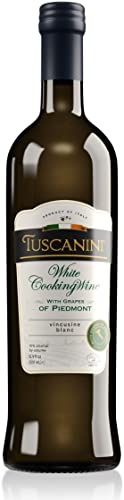
SAVORY - This delicate cooking wine will greatly enhance the flavor and aroma of your dishes.
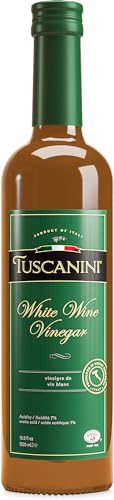
PREMIUM QUALITY – Distinguish your dishes with the premium rich, tangy taste of Tuscanini White Wine Vinegar. Ideal for a variety of culinary applications, and the perfect substitute for white cooking wine or sherry wine in recipes.
Let’s Dive Into Soave: Veneto’s Hidden Gem
Rooted in historic hillside vineyards east of Verona, Soave is one of Italy’s most classic white wines. Primarily crafted from the Garganega grape, Soave delivers bright acidity, floral aromas, and a signature bitter almond finish on the palate. Official guidelines from the Consorzio Tutela Soave categorize the finest vineyard sites into historical hillside zones.
Soave Classico showcases Garganega grown on ancient volcanic soils, delivering exceptional minerality, bright citrus, and impressive longevity.
Consider these core characteristics of Soave:
- Flavor Spectrum: Ranges from crisp green apple and chamomile to rich honeyed stone fruit in aged expressions.
- Terroir Influence: Volcanic basalt soils impart savory mineral salinity and a long, clean finish.
- Classification Tiers: Look for Soave Classico DOC or Soave Superiore DOCG for higher concentration and quality.
Pro Tip: Look for “Soave Classico” on the label. Unlike entry-level Soave DOC grown on flat valley floors, Classico wines originate from steep volcanic hillside slopes that provide superior sun exposure, lower yields, and vastly superior flavor intensity.
Products Worth Considering

Marlborough, New Zealand
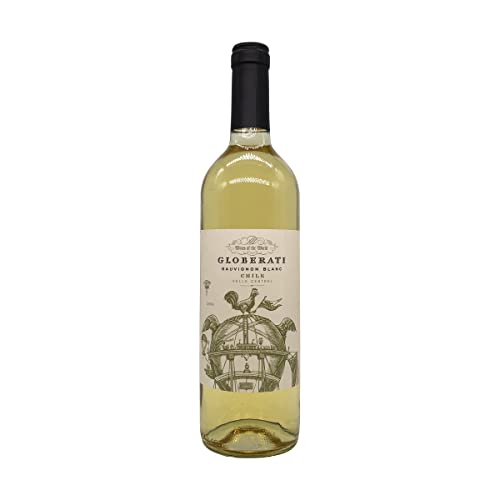
Sauvignon Blanc , Chile

Refreshing, crisp white wine with balanced acidity
Discover Gavi: Piedmont’s Treasure
Gavi, crafted exclusively from the Cortese grape in southern Piedmont, is celebrated for its elegance and sharp precision. Regulated under the Consorzio Tutela del Gavi, this DOCG wine offers a crisp, dry profile brimming with green apple, lime, and white flower notes.
Products Worth Considering

Origin: Italy

Pinot Grigio, Puglia, Italy
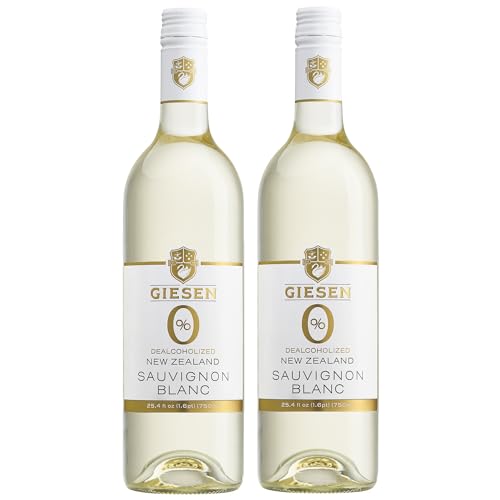
AWARD-WINNING NEW ZEALAND SAUVIGNON BLANC: ZERO ALCOHOL, ALL THE FLAVOUR. Giesen 0% Non-Alcoholic Sauvignon Blanc is crafted from premium Marlborough and Waipara fruit, New Zealand's most celebrated wine regions for Sauvignon Blanc. Crisp, dry, and mouth-wateringly expressive, with fresh lime, blackcurrant, and passionfruit. All the alcohol gently removed.
Flavor Profile Overview
Gavi’s unique character reflects Piedmont’s marl, limestone, and iron-rich clay soils. Its key sensory traits include:
- Crisp natural acidity and wet-stone minerality
- Bright tasting notes of green apple, pear, lemon, and white peach
- Subtle floral aromatics reminiscent of hawthorn and jasmine
- Enhanced texture and length in premium Gavi di Gavi (wines from the central town of Gavi)
Ideal Food Pairings
Gavi’s crisp structure makes it an incredible match for delicate dishes, particularly seafood and light starters:
| Dish Type | Example Dishes |
|---|---|
| Seafood Matches | Grilled sea bass, oysters, seafood carpaccio |
| Creamy Risottos | Spring vegetable risotto, cheese fondue |
| Piedmontese Antipasti | Vitello tonnato, fresh goat cheese, herb salads |
Unveiling Verdicchio: A Hidden Treasure
Verdicchio, native to the Marche region of central Italy, is widely considered one of Italy’s greatest white grapes due to its remarkable balance of acidity, body, and ageworthiness. Grown mainly in Verdicchio dei Castelli di Jesi (near the sea) and Verdicchio di Matelica (inland mountain valleys), it offers distinct structural profiles.
- Flavor Profile: Vibrant lemon, crisp green apple, white peach, and a classic hint of green almond.
- Terroir Difference: Castelli di Jesi yields slightly rounder, fruit-forward wines; Matelica yields intensely acidic, mineral-focused styles.
- Aging Potential: Reserve bottlings (Riserva) can age gracefully for 5–10+ years, developing complex honey, petrol, and toasted nut nuances.
Vermentino: A Coastal Delight From Liguria and Sardinia
Thriving along sunny Mediterranean coastlines, Vermentino captures the essence of sea breezes and sun-drenched vineyards in Liguria, Tuscany, and Sardinia.
Unique Terroir Expressions
The proximity of vineyards to the ocean gives Vermentino its signature savory quality:
- Bright citrus fruit balanced by saline and herbal undertones
- Ligurian versions (often called Pigato) are light, floral, and aromatic
- Sardinian bottlings—especially Vermentino di Gallura DOCG—are fuller-bodied with rich stone fruit and Mediterranean maquis scrub aromas
Food Pairing Versatility
Vermentino excels alongside fresh seafood, Mediterranean salads, pestos, and grilled vegetables. In Sardinia, it is traditionally served with fregola con arselle (clam pasta) and roasted fish dressed with olive oil and lemon.
Fiano: The Versatile White From Southern Italy
Originating in Campania, Fiano is an ancient grape variety revered since Roman times. The benchmark region, Fiano di Avellino DOCG, features high-altitude vineyards with mineral-rich volcanic soils that give the wine exceptional structure, weight, and longevity.
Fiano wines present a medium-to-full body with aromas of ripe pear, orange blossom, pine nut, and hazelnut. With age, Fiano develops rich smoky and waxy character, pairing effortlessly with roasted poultry, creamy pasta dishes, and aged cheeses.
Pecorino: The Comeback Kid of Italian Whites
Once nearly extinct, Pecorino has made a dramatic comeback in the eastern coastal regions of Marche and Abruzzo, supported by local producers documented by the Consorzio Tutela Vini d’Abruzzo. The grape gets its name from sheep (pecora) that traditionally grazed along high-altitude mountain vineyards.
- High Acidity & Alcohol: Naturally balances high sugar levels with intense, electric acidity.
- Aromatic Profile: Features crisp yellow apple, lemon verbena, wild thyme, and mineral saltiness.
- Sauvignon Blanc Alternative: Highly recommended for lovers of crisp, aromatic, herb-driven white wines.
Other Notable Italian White Varietals to Explore
While Soave, Gavi, and Vermentino are widely known, several other native Italian whites deserve a spot on your table:
- Falanghina (Campania): An ancient varietal delivering bright citrus, green apple, and subtle blossom notes. Excellent with fried seafood.
- Greco di Tufo (Campania): A full-bodied, mineral-rich DOCG white with crisp acidity and deep stone fruit characteristics grown on volcanic soils.
- Roero Arneis (Piedmont): Known as the “little rascal” grape, Arneis offers luscious pear, apricot, and almond aromas with a silky mouthfeel.
Serving and Storing Italian White Wines
To fully enjoy the distinct bouquet and palate of Italian white wines, proper serving temperatures are key:
- Crisp, Light Whites (Gavi, Vermentino, Pecorino): Serve chilled at 8–10°C (46–50°F) to highlight crispness and refreshment.
- Structured & Aged Whites (Fiano di Avellino, Verdicchio Riserva, Soave Classico): Serve slightly cooler than cellar temp at 10–12°C (50–54°F) to allow rich stone fruit and nut aromas to open up.
Note: Avoid serving high-quality white wines ice-cold straight from a standard refrigerator (4°C/39°F), as extreme cold mutes subtle aromas and masks complex secondary flavors.
Perfect Food Pairings for Italian Whites
Matching Italian white wines with food relies on balancing acidity, body, and flavor intensity:
- Soave Classico: Pairs wonderfully with risotto al limone, grilled trout, or gnocchi with butter and sage.
- Gavi di Gavi: Ideal with oysters, calamari, or light basil pesto pasta dishes.
- Verdicchio: Exceptional alongside fritto misto, roasted pork tenderloin, or rich fish soups.
- Vermentino: Perfect with Mediterranean salads, grilled shrimp, caprese, and dishes featuring capers and olives.
- Fiano di Avellino: Stands up well to roasted chicken, creamy mushroom pasta, and ripe soft cheeses.
Frequently Asked Questions
What is considered the best Italian white wine?
While subjective, premium benchmark whites like Gavi di Gavi DOCG (Piedmont), Soave Classico Superiore DOCG (Veneto), Verdicchio dei Castelli di Jesi Riserva (Marche), and Fiano di Avellino DOCG (Campania) are universally regarded by sommeliers as top-tier Italian white wines due to their longevity, complexity, and distinct terroir expression.
What wine is good for gastritis or sensitive stomachs?
For individuals prone to acid sensitivity or gastritis, white wines with lower natural acidity and moderate alcohol content—such as aged Chardonnay, Viognier, or rounder styles of Fiano—may be gentler than high-acid wines like Pecorino or Sauvignon Blanc. Always consult a medical professional for personal dietary advice.
What are the “Big 3” Italian wines?
The traditional “Big 3” Italian wines refer to Italy’s premier red wines: Barolo (Piedmont), Brunello di Montalcino (Tuscany), and Amarone della Valpolicella (Veneto). However, top white DOCGs like Gavi, Soave Classico, and Fiano di Avellino represent the pinnacle on the white wine spectrum.
Which wine is best for diabetics?
Bone-dry white wines with minimal residual sugar (less than 1–2 grams per liter), such as dry Gavi, Vermentino, or Verdicchio, are generally preferred choices for managing carbohydrate intake. Moderate consumption alongside balanced meals is always recommended.
Conclusion
Italy’s native white wines offer an incredible array of flavors, textures, and food-pairing options. Beyond standard glass choices, exploring regional varietals like Garganega, Cortese, Verdicchio, Vermentino, Fiano, and Pecorino connects you directly with centuries of Italian winemaking history and diverse microclimates. Whether enjoying a chilled glass of Gavi alongside seafood or savoring an aged Fiano with dinner, these authentic white wines deliver outstanding quality and unforgettable culinary experiences.
Sources
- Italian Wine Central — Official Italian wine appellations, grape registration data, and regional statistics.
- Consorzio Tutela Soave — Official DOC/DOCG regulatory standards, vineyard soils, and production guidelines for Soave.
- Consorzio Tutela del Gavi — Official Gavi DOCG appellation information and Cortese viticultural rules.
- Consorzio Tutela Vini d’Abruzzo — Regional grape profile and technical data on Pecorino and Abruzzo white varietals.
