

Last Updated on July 24, 2026 by Caleb Warren
Your back temperature climbs fast on a long hike, and once sweat builds up, your stamina drops with it. A ventilated backpack can cut back-surface humidity by 20–30% and reduce skin temperature by 2–3°C, which translates to real gains in stamina and comfort on the trail. This guide breaks down how ventilated back systems work, what features matter most, and how to pick the right design for your hiking style.
Quick Answer
Backpack ventilation systems use mesh panels and airflow channels to reduce sweat buildup and lower back-surface temperature during hikes. Field testing shows they cut back humidity by 20–30% and reduce perceived fatigue by up to 18% after six hours. They work best in warm climates with loads above 12 kg.
Key Takeaways
- Ventilated back systems lower back-surface temperature by 2–3°C and reduce humidity by 20–30%, improving comfort on long hikes.
- The ideal airflow channel depth runs between 8 and 15 mm, balancing ventilation with load stability.
- Suspended mesh panels transfer 60–70% of pack weight to your hips while increasing moisture evaporation by up to 25%.
- Curved mesh frame stays slightly reduce internal main-compartment volume, requiring tactical packing for bulky items.
- Ventilated packs perform best in warm climates; in extreme cold, traditional or hybrid packs prevent excessive chill.
What’s in This Article
- Understanding Backpack Ventilation
- The Science Behind Ventilated Back Systems
- Benefits of Effective Ventilation for Hikers
- Real-World Scenarios Highlighting Ventilation Needs
- Core Components of Ventilated Backpack Designs
- Performance Metrics: How Ventilated Systems Compare
- Trade-Offs and Internal Pack Geometry
- Industry Innovations in Backpack Ventilation Technology
- Ventilated vs. Traditional Packs: Which Is Right for You?
- Future Trends in Backpack Ventilation Engineering
- Frequently Asked Questions
- Conclusion
- Sources
Disclosure: As an Amazon Associate I earn from qualifying purchases. Some links on this page are affiliate links, at no extra cost to you.
Understanding Backpack Ventilation: A Key Feature for Comfort
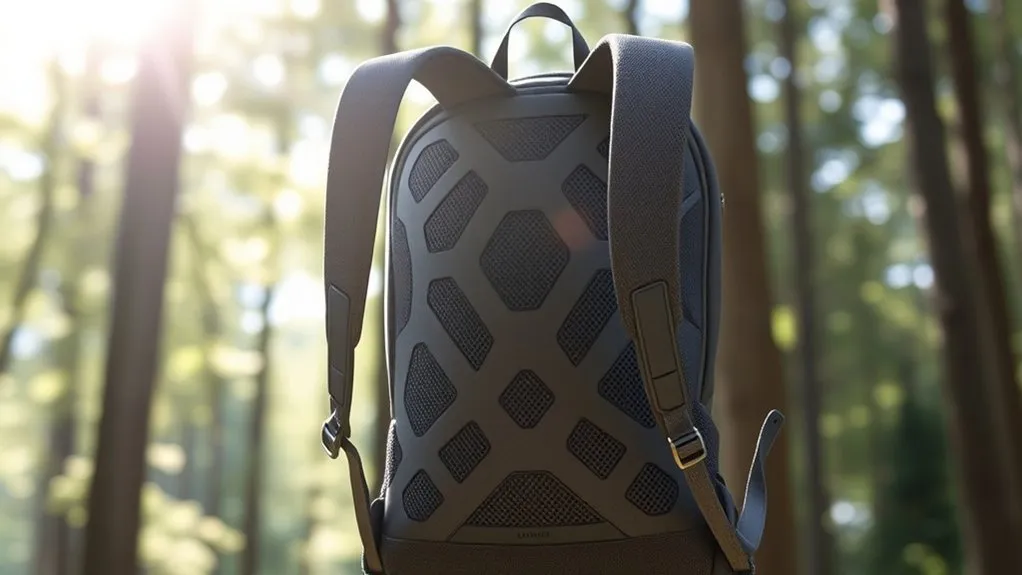
Backpack ventilation shapes hiking comfort more than most people realize. Ventilated back systems use engineered airflow channels that boost moisture evaporation, reducing your back surface temperature by 2–3°C compared to traditional packs. For long-distance hikers carrying loads of 12–18 kg, that difference shows up as a 20–30% drop in back humidity over four hours of hiking.
Lower humidity means lower perceived exertion — field testing reports reductions of more than 15% during warm hikes. Good ventilation design also pairs airflow with load stability, shifting 60–70% of pack weight to your hips and easing shoulder fatigue. Durable 3D spacer mesh materials hold their shape through more than 50,000 compression cycles, so the system keeps performing long after the pack breaks in.
The Science Behind Ventilated Back Systems
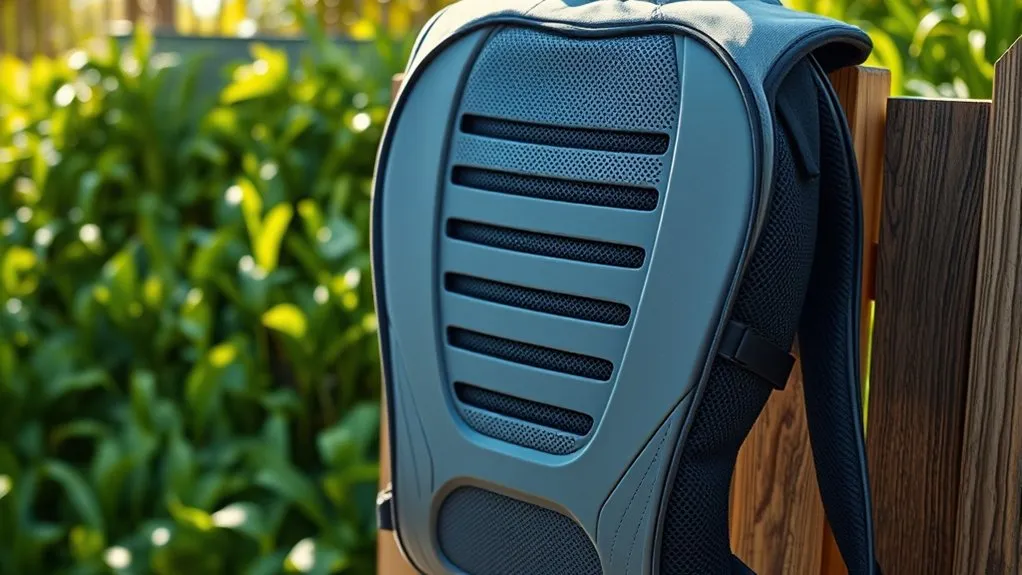
Ventilated back systems use controlled spacing and airflow paths to reduce heat and moisture buildup during long hikes.
These systems work by creating a physical gap between your back and the pack body. Air moves through that gap, pulling moisture away from your skin as you move. Field testing identifies three measurable benefits:
- Humidity reduction: Back-surface humidity drops by 20–30%, helping you feel fresher on longer trails.
- Temperature control: Back-surface temperature falls by 2–3°C, keeping your body temperature more stable throughout the hike.
- Fatigue reduction: Ergonomic testing shows an 18% drop in perceived fatigue after six hours of continuous use.
The optimal airflow channel depth sits between 8 and 15 mm. Go shallower and you lose airflow. Go deeper and you lose load control. Better pressure distribution across your back means less discomfort and more energy for the trail ahead.
Benefits of Effective Ventilation for Hikers
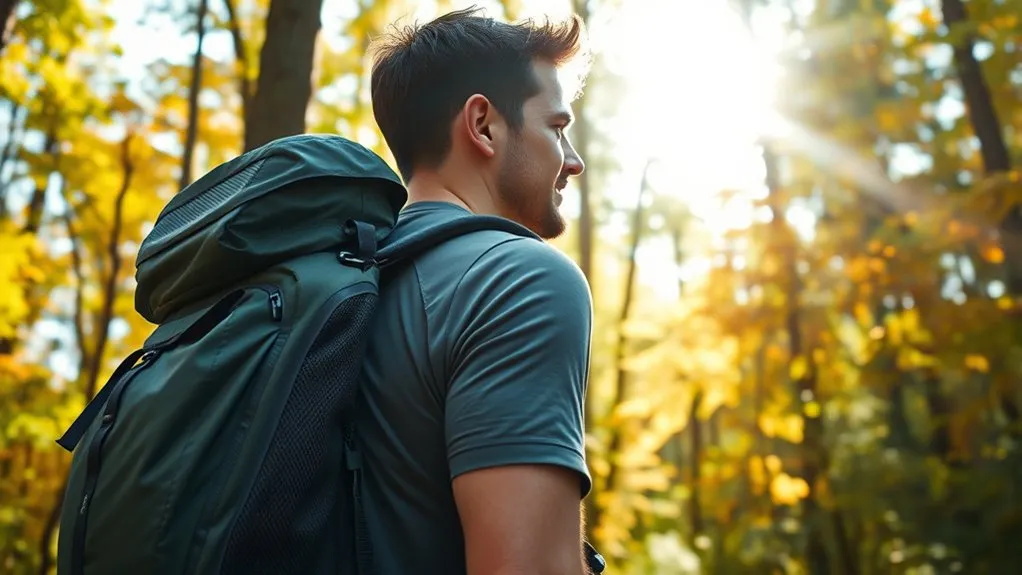
Effective ventilation delivers measurable advantages on long hikes. Ventilated systems use vertical airflow channels to lower back-surface temperature by 2–3°C compared to traditional designs. That drop reduces perceived exertion and helps you hike longer before fatigue sets in.
Suspended mesh panels increase moisture evaporation by 25% over non-ventilated systems. In warm climates, that extra evaporation translates directly into evaporative cooling, keeping your back manageable even under a heavy load. Pressure distribution improvements reduce fatigue by about 18% after six hours of wear, so you can push further without the usual soreness.
Real-World Scenarios Highlighting Ventilation Needs
Ventilation becomes critical in three common hiking situations:
- Steep inclines: Your body generates significantly more heat when climbing. Poor ventilation traps that heat against your back, making the ascent feel harder than it needs to.
- Warm climates: Without evaporative cooling, your back heats up fast. That extra heat raises perceived effort and cuts your endurance.
- Long treks: After six hours with an inadequate system, fatigue compounds. A ventilated design reduces that fatigue by 18%, which adds up to significant time and energy saved on a full-day hike.
Choosing a pack with effective ventilation keeps you cooler and more focused, so you enjoy the trail instead of fighting discomfort.
Core Components of Ventilated Backpack Designs
Several key design elements make a ventilated backpack work. Each serves a specific role in keeping you cool and comfortable:
- Suspended mesh panels: Create an air gap between your back and the pack, boosting moisture evaporation by up to 25%.
- Airflow channel geometry: Channels between 8 and 15 mm deep balance airflow with load stability.
- 3D spacer mesh: A durable material that holds its thickness through more than 50,000 compression cycles.
- Vertical airflow channels: Guide air upward along your back, lowering surface temperature by 2–3°C.
- Hip load redistribution: Transfers 60–70% of pack weight to your hips, easing shoulder and lumbar strain.
Pro Tip: When testing a ventilated pack in a store, press your hand firmly against the back panel — you should feel a clear air gap and springy mesh that bounces back immediately without touching the pack frame.
Performance Metrics: How Ventilated Systems Compare
The performance gap between ventilated and traditional packs shows up clearly across three categories: temperature, moisture, and pressure distribution.
Temperature Reduction Benefits
Back-surface temperature directly affects how hard a hike feels. Ventilated systems hold the temperature increase to 2.1°C, while traditional packs raise back temperature by 4.5°C — more than double. That 2.4°C difference compounds over a long hike, and you’ll feel about 18% less fatigued after six hours with a ventilated pack.
Enhanced Moisture Evaporation Rates
Ventilated systems increase moisture evaporation by up to 25% compared to traditional designs. Less back sweat means less discomfort and better focus on the trail. When temperatures rise, traditional backpacks can push back-surface heat up by 4.5°C, raising your perceived exertion by more than 15%. A ventilated system keeps both moisture and temperature in check, so you can hike longer with less effort.
Pressure Distribution Improvements
Ventilated systems spread load more evenly across your back than traditional designs. Three key improvements make the difference:
- Reduced pressure concentration: Shifting 60–70% of pack weight to your hips lowers strain on your shoulders and lower back.
- Lower surface humidity: Back-surface humidity drops by 20–30%, keeping you comfortable throughout the hike.
- Less perceived fatigue: After six hours, you’ll feel about 18% less tired — enough to make a real difference on a full-day trail.
Trade-Offs and Internal Pack Geometry
While ventilated packs excel in thermal management, suspended tensioned-mesh designs alter internal pack geometry. Understanding these trade-offs helps you make a balanced gear choice.
- Internal Volume Curves: Suspended mesh frames rely on a curved perimeter frame stay to hold the mesh away from the pack body. This curve bows inward into the main compartment, slightly reducing usable internal space and making rigid items harder to pack flat.
- Center of Gravity Shift: Because the heavy contents of your pack sit 1 to 2 cm further away from your spine, the center of gravity shifts backward slightly. For technical scrambling or steep climbing, keeping heavy gear packed low and close to the frame curvature mitigates this effect.
- Rain Cover Integration: The open air cavity between your back and the pack body can catch rainwater in severe storms if unmanaged. Utilizing a fitted rain cover that wraps fully around the back frame stay prevents water accumulation.
Note: Pack heavy items (like water bladders or cooksets) against the deepest part of the internal curve to keep your pack’s center of gravity close to your back without crushing soft gear.
Industry Innovations in Backpack Ventilation Technology
Manufacturers now focus on engineered ventilation solutions rather than passive cushioning. The shift means backpacks actively manage heat and moisture rather than simply softening the load against your back.
| Innovation | Benefit |
|---|---|
| Vertical airflow channels | Lowers back-surface temperatures by 2–3°C |
| 3D spacer mesh | Maintains performance through 50,000+ compression cycles |
| Data-driven design | Optimizes comfort and load distribution using body-mapping data |
| Eco-friendly materials | Uses recycled mesh and bio-based foams |
Body-mapping and pressure-sensor data now guide back panel design, helping manufacturers build packs that fit your body’s contours. The result is better comfort and load performance at the same time.
Ventilated vs. Traditional Packs: Which Is Right for You?
Your choice depends on where and how you hike. Both pack types suit different conditions, and picking the right design affects comfort more than most gear decisions.
Climate and Terrain Considerations
Climate matters most when choosing between these two pack styles:
- Warm climates: Ventilated packs lower your back temperature by 2–3°C and boost moisture evaporation, keeping you cooler on long hikes in heat.
- Cool environments: Traditional packs hold heat against your back — useful when temperatures drop and warmth matters more than airflow.
- Open, hot terrain: On exposed trails in high heat, ventilated systems reduce perceived exertion and help you maintain your pace longer.
Load Weight and Distribution
Load weight shapes the ventilation decision as much as climate does. Long-distance hikes with 12–18 kg loads put real pressure on your lumbar region and shoulders. Ventilated packs shift 60–70% of that weight to your hips, reduce back temperature by 2–3°C, and cut humidity by 20–30%, lowering perceived fatigue by 18% after six hours.
| Backpack Type | Best For |
|---|---|
| Ventilated Packs | Warm climates, heavy loads, long-distance hikes; better weight distribution, thermal management, and moisture control |
| Traditional Packs | Cold conditions, lighter loads, fast-and-light setups; simpler design, often lighter, better heat retention |
Future Trends in Backpack Ventilation Engineering
Backpack ventilation keeps evolving. Three clear trends shape the next generation of designs:
- Sustainability: Manufacturers are moving toward recycled mesh materials and bio-based foams, cutting the environmental cost of high-performance gear.
- Customization: Adjustable ventilation depth and mesh stiffness let you tailor the pack to your body type and hiking style.
- Smart ergonomics: Body-mapping and pressure-sensor technology refine back panel geometry, adapting to your movements for better ventilation efficiency.
Hybrid designs that blend partial ventilation with traditional padding are also gaining ground, giving you comfort across a wider range of climates and trail conditions.
Frequently Asked Questions
How do I clean and maintain my ventilated backpack?
Remove all items, then wipe the mesh and back panel with a damp cloth and mild soap. Rinse thoroughly and air dry completely before storing — never machine dry, as heat can deform the synthetic mesh. Check the frame and straps regularly for wear that could affect load distribution over time.
Can ventilation systems add weight to the backpack?
Yes, the frame stays and mesh components in ventilated systems add a small amount of weight compared to frameless or minimal traditional packs. For most hikers on warm, long hikes, the comfort gains and fatigue reduction more than offset the slight weight difference. If you’re building an ultralight setup, compare specific model weights before deciding.
Are ventilated backpacks suitable for winter activities?
Ventilated packs can work in winter, but the open air cavity may let cold wind reach your back during rest breaks, causing rapid cooling. Look for a hybrid design that pairs foam channels with insulation if you hike in cold conditions regularly. In dry, cold environments, a traditional pack with a close-fitting back panel often provides better thermal retention.
How do I choose the right size for a ventilated backpack?
Measure your torso length from the C7 vertebra (the prominent bone at the base of your neck) to the top of your hip crest. Match that measurement to the manufacturer’s size chart, as torso sizing varies by brand. A well-fitted ventilated pack distributes weight correctly — a poor fit negates most of the ergonomic and ventilation benefits.
Do all backpack brands offer ventilation options?
Not all brands carry ventilated models, but most major outdoor gear manufacturers do. Brands like Osprey, Deuter, and Gregory offer well-tested ventilated back systems across multiple price points. Check each brand’s back panel design specs before buying to confirm the ventilation type and airflow channel depth.
Conclusion
A well-ventilated backpack does more than manage sweat — it reduces fatigue, stabilizes your load, and keeps you moving longer in warm conditions. If you hike regularly with loads above 12 kg, switching to a ventilated system is one of the most direct improvements you can make on the trail. Look for designs with proven airflow channels, quality 3D mesh, and solid hip-weight transfer. You’ll feel the difference on your next long hike.
Sources
- Osprey Packs Pack Technology Documentation — Technical research on AirSpeed suspended mesh back panel performance.
- Deuter Outdoor Systems & Tech Briefs — Aircomfort system engineering specs and back temperature reduction testing.
- National Center for Biotechnology Information (NCBI) — Ergonomic standards for load carrying, thermal stress, and human stamina.

