
Last Updated on September 10, 2026 by Daniel Globe
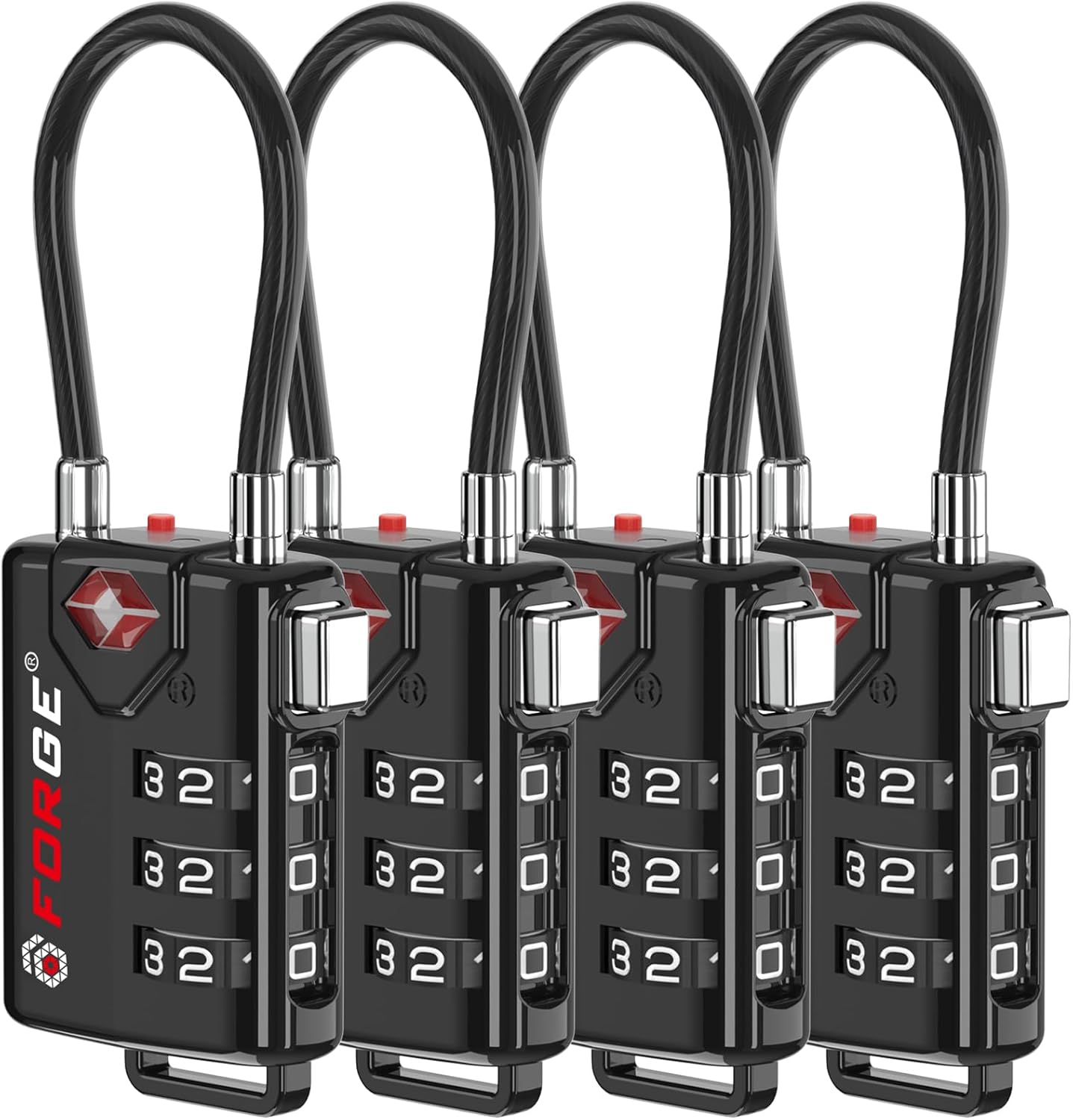
A TSA-recognized combination lock can help deter casual access to a backpack and, on checked baggage, may allow authorized security officers to inspect and relock the bag without cutting the lock. The important detail is that combination locks do not all reset the same way. Before changing a code, identify your lock’s reset mechanism and keep the lock open until the new combination has been tested.
Quick Answer
To use a TSA-recognized combination lock on a backpack, open it with the current factory or existing code, then follow that lock’s specific reset method. Set and test the new code while the lock is open, attach it through compatible zipper pulls or loops, close it, and scramble the dials.
Key Takeaways
- Many new combination locks use 0-0-0 as the factory code, but confirm the code and reset procedure in your lock’s instructions.
- Reset designs vary: your lock may use a pinhole/button, sliding switch, or rotating shackle.
- Always test a new combination several times before locking it onto a closed backpack.
- A TSA-recognized luggage lock is a theft deterrent, not a guarantee that a backpack cannot be opened or damaged.
- Store the combination securely and change it if you believe someone else has learned it.
At a Glance
| Time Required | About 2–5 minutes when you know the current combination |
| Difficulty | Easy |
| Tools Needed | Your lock instructions; a ballpoint pen only if your model has a recessed reset button |
| Cost | $0 if you already own the lock |
Disclosure: As an Amazon Associate I earn from qualifying purchases. Some links on this page are affiliate links, at no extra cost to you.
Understanding Your TSA Combo Lock
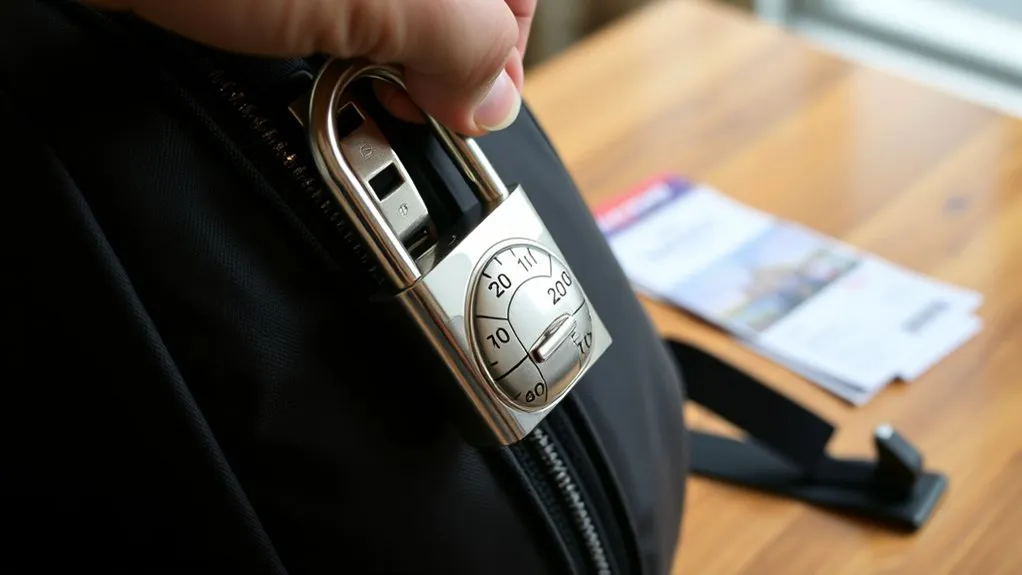
A TSA-recognized or TSA-accepted lock is designed so participating security authorities can open it with controlled inspection tools when baggage needs to be physically examined. You still open the lock with your own combination or key.
For Travel Sentry locks, look for the company’s recognizable red diamond symbol. The small keyway found beside the combination dials on many TSA-accepted locks is not a backup keyhole intended for the traveler. It is used by authorized screening personnel.
The U.S. Transportation Security Administration explains that recognized baggage locks can often be opened and relocked during inspection. However, TSA may still need to cut a lock if a locked bag must be opened and the lock cannot be opened by other means. See the TSA guidance on recognized luggage locks.
Note: A small luggage lock can discourage casual zipper access, but it does not turn a fabric backpack or ordinary zipper into a high-security container. Keep passports, medication, electronics, cash, and other important items under your control whenever practical.
Initial Setup: Default Combination
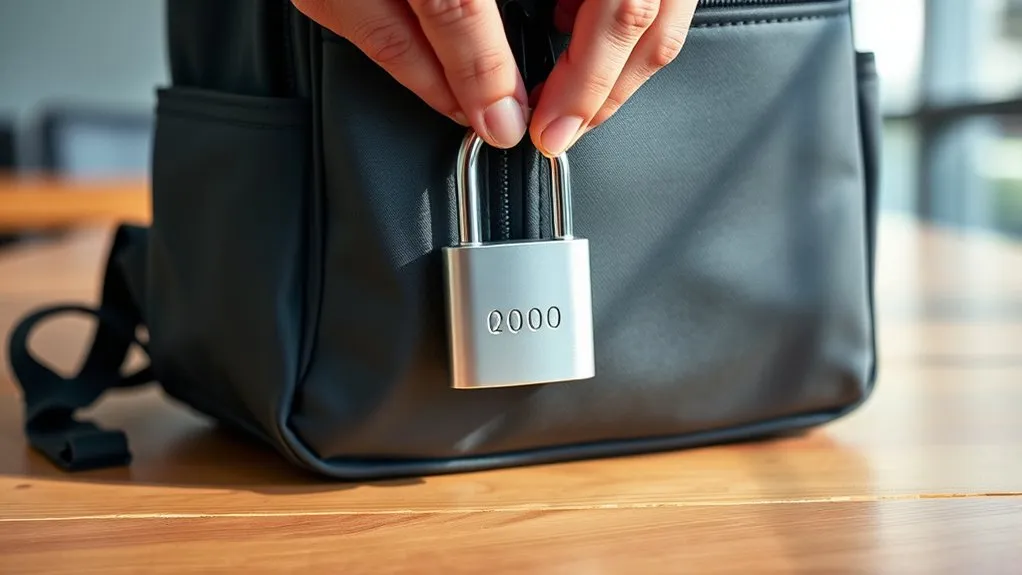
Many new three-dial luggage locks are factory-set to 0-0-0. For example, Master Lock documents 0-0-0 as the factory setting for its 4680 TSA-accepted combination lock. That does not mean every lock uses the same default, so check the packaging, instruction sheet, or manufacturer’s support page before assuming the code.
Understanding Default Settings
Before changing anything, turn the dials to the factory or current combination and confirm that the lock opens normally. Open and close it at least once so you know the existing code works.
Next, identify the reset system. Common designs include:
- Recessed pinhole or push button: a pen or similar blunt pointed tool may be used to hold or press the reset mechanism.
- Sliding reset switch or lever: the switch is moved to the set position while the new digits are selected.
- Shackle-reset lock: the shackle is rotated and pressed into a specific position before the dials are changed.
- Built-in luggage or backpack lock: the reset control may be beside the dials or inside the open lock assembly.
Travel Sentry’s current combination-reset guidance notes that reset mechanisms vary, so do not force a button, switch, or shackle that does not move as expected.
Importance of Resetting
If your lock arrives with a common factory code such as 0-0-0, changing it prevents someone from opening the lock simply by trying the default combination. Choose a code you can remember but avoid obvious sequences such as 0-0-0 or 1-2-3.
Warning: Keep the lock open while changing and testing the combination. Do not attach it to a closed backpack until you have successfully opened it several times with the new code.
Steps to Set Your New Combination
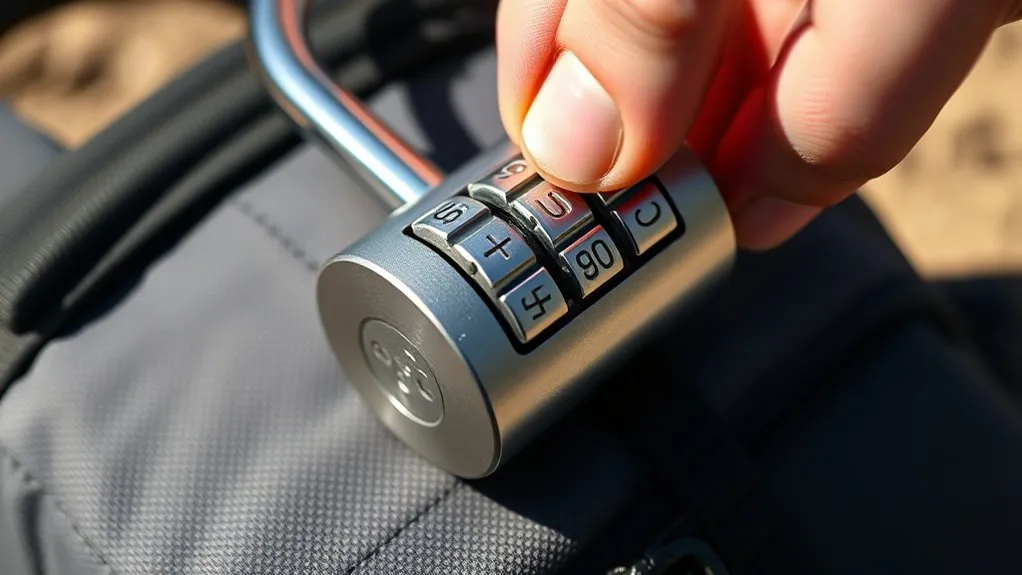
Use these steps as a general workflow, then follow the exact setting method for your lock model.
- Open the lock with the current code. For a new lock this may be 0-0-0, but verify it first.
- Leave the lock open. This prevents an unsuccessful reset from trapping the lock on your backpack.
- Activate the reset mechanism. Press the recessed button, move the reset switch, or position the shackle exactly as your manufacturer’s instructions specify.
- Turn the dials to your new combination. Center each digit clearly on the indicator line.
- Return the reset mechanism to its normal position. Depending on the lock, this may mean releasing the button, moving a switch back, operating the release lever, or returning the shackle to its original position.
- Test the code before closing the lock. Scramble the dials, return them to the new code, and confirm that the lock opens. Repeat this two or three times.
- Attach the lock to the backpack. Pass the shackle or cable through compatible zipper-pull holes or locking loops without putting excessive sideways tension on the mechanism.
- Close the lock and scramble the dials. Rotate the numbers away from the active code so the combination is not left visible.
A dedicated reset button is not required on every lock. For example, the Master Lock 4680 instructions use a shackle-rotation procedure rather than a separate reset pin.
Pro Tip: Save the new combination in a password manager or another secure record that is separate from the backpack. That gives you a recovery reference without leaving the code beside the lock.
Finalizing Your Combination
Finalizing the combination means confirming that the new setting was stored correctly before you depend on it. With the lock still off the backpack or with the bag open, scramble the dials, restore the new combination, and operate the release mechanism several times.
The safest time to discover that a new combination was not stored correctly is while the lock is still open—not after it is attached to a closed bag.
If the lock does not reopen consistently, do not force it shut. Return to the current working combination and repeat the manufacturer’s reset procedure.
Importance of Keeping Your Combination Safe
Your combination should be memorable to you without being obvious to someone handling your backpack. Avoid codes such as 0-0-0, 1-2-3, or a number that is visibly written on the bag.
You do not necessarily need to change the code on a fixed schedule. A more useful approach is to change it when:
- you believe another person saw or learned the combination;
- you shared it temporarily and no longer want that person to have access;
- you purchased a used lock and do not know who previously had the code; or
- you are still using the original factory combination.
If you share the code with a trusted travel companion, keep the number of people who know it as small as practical.
Tips for Enhancing Security
A backpack lock works best as one layer of travel security rather than your only protection. Use these practices:
- Lock together only zipper pulls or loops designed to accept a small lock.
- Do not force thick zipper pulls into a shackle that is too small.
- Scramble the dials after locking the bag.
- Keep valuable and irreplaceable items with you whenever possible.
- Do not advertise the combination on a luggage tag, label, or note stored in an outside pocket.
- Check the lock before a trip for cracked housings, bent shackles, sticking dials, or damaged zipper pulls.
Remember that many ordinary backpacks use fabric panels and standard coil zippers. A combination lock may discourage casual opening of the zipper pulls, but it cannot prevent every method of accessing or damaging the bag.
Maintaining Your Lock Mechanism
Keep the dials, shackle, cable, release mechanism, and surrounding zipper pulls clean and free of dirt. If the lock begins to stick, consult its manufacturer before applying lubricant because recommended products vary by lock design.
Regular Lubrication Schedule
Do not assume that silicone spray or graphite powder is appropriate for every lock. For example, Master Lock’s current care guidance recommends its PTFE lock lubricant and advises against dry graphite and silicone lubricant on its padlocks.
Master Lock recommends cleaning and lubrication every three to six months for its padlocks, with more frequent care in unusually dusty or corrosive conditions. Treat that interval as manufacturer-specific guidance rather than a universal schedule for every backpack lock.
If your lock’s manufacturer provides different instructions, follow those instructions instead.
Inspect for Damage
Inspect the lock before travel. Check that each dial rotates normally, the release button or shackle moves smoothly, and the lock opens repeatedly with the correct combination.
Also inspect the backpack itself. Bent zipper pulls, misaligned zipper tracks, or excessive tension between two packed compartments can make a perfectly good lock feel jammed. Relieve tension on the zipper pulls before assuming the lock has failed.
If the housing is cracked, the shackle is bent, or the mechanism operates inconsistently, replacing the lock is usually safer than relying on it during a trip.
Engaging With the Community
Other travelers can be helpful when you are trying to identify an unfamiliar lock model or determine where a reset control is located. However, the manufacturer’s instructions should remain your primary source for reset and maintenance procedures.
When asking for help online:
- include the lock brand and model if available;
- describe whether it is a separate padlock or built into the backpack;
- compare community advice with the manufacturer’s documentation;
- avoid forcing a reset control based solely on instructions for a different lock; and
- contact the luggage or lock manufacturer when the mechanism does not match generic instructions.
Common Mistakes to Avoid
The most common problems happen during setup rather than during normal use. Avoid these mistakes:
- Assuming every new lock uses 0-0-0. Verify the factory combination first.
- Following the wrong reset method. A pen-reset procedure will not apply to every shackle or switch-style lock.
- Closing the lock before testing the new code. Test it several times while it is open.
- Using obvious combinations. Avoid 0-0-0, 1-2-3, and similarly predictable codes.
- Leaving the active combination displayed. Scramble the dials after closing the lock.
- Treating the security keyway as your backup keyhole. On combination TSA-accepted locks, that keyway is generally intended for authorized screening tools.
- Forcing a stuck mechanism. First remove pressure from the zipper pulls and confirm that the digits are centered correctly.
- Using one lubricant recommendation for every brand. Follow the manufacturer’s care instructions.
- Expecting a small luggage lock to provide high-security protection. It is primarily a deterrent to casual access.
Frequently Asked Questions
Can I use a backpack lock on any type of bag?
You can use a small luggage lock on many backpacks, duffel bags, and suitcases if their zipper pulls or locking loops can accept the shackle or cable without being forced. A lock is less useful on a bag whose zipper pulls have no suitable holes or whose design allows the locked pulls to slide apart.
What should I do if I forget my combination?
Check any secure record where you saved the code and review the manufacturer’s lost-combination instructions. Most resettable locks require the existing combination before a new one can be set. Travel Sentry notes that a three-digit lock has 1,000 possible combinations from 000 through 999, so a systematic manual search may be possible. If you cannot recover the code, contact the manufacturer, a luggage retailer, or a locksmith rather than forcing the mechanism.
Are there key-based locks for backpacks?
Yes. Small keyed luggage locks and TSA-recognized keyed locks are available in addition to combination models. A keyed lock avoids having to remember a code, but you must keep track of the passenger key.
How do I know if my lock is TSA-recognized?
Check the product packaging and markings for an indication that the lock is TSA recognized or TSA accepted. Travel Sentry locks use the company’s red diamond symbol. Do not mistake the small security keyway for a TSA logo; the keyway itself is an access point used by authorized screening personnel.
Can I set a combination without a reset button?
Yes, depending on the lock. Some combination locks use a sliding switch, while others use a shackle that must be rotated and pressed into a setting position. Always follow the procedure for your exact model rather than looking for a reset button that may not exist.
What is the keyhole on a TSA combination lock for?
On TSA-accepted combination locks, the small keyway is generally intended for authorized security inspection tools. It is not normally a backup key supplied to the traveler. You continue to open the lock with your personal combination.
Will TSA always open a recognized lock without cutting it?
Not necessarily. TSA-recognized locks are designed so officers can often open and relock them during inspection, but TSA states that a lock may still have to be cut if a locked bag needs inspection and cannot otherwise be opened.
Conclusion
Using a TSA-recognized backpack lock is straightforward once you identify how your particular model resets. Open it with the existing code, activate the correct reset mechanism, select a new combination, and test that combination several times before attaching the lock to a closed backpack.
After locking the zipper pulls, scramble the dials and keep a secure record of the code. Most importantly, remember what a luggage lock can and cannot do: it can discourage casual access and make a bag easier for participating security authorities to inspect without automatically cutting the lock, but it is not a substitute for keeping important valuables under your control.
Sources
- Transportation Security Administration — TSA Recognized Locks — explains baggage inspection, recognized locks, and circumstances in which locks may still need to be cut.
- Transportation Security Administration — Travel Checklist — advises travelers buying baggage locks to look for TSA-recognized products.
- Travel Sentry — How to Reset a TSA Lock — covers common reset-button, pinhole, and switch procedures and forgotten combinations.
- Travel Sentry — TSA Lock Keyhole — explains the red diamond marking and the purpose of the security keyway.
- Master Lock — 4680 Combination Lock Instructions — documents a shackle-based reset procedure and factory 0-0-0 setting.
- Master Lock — Padlock Care & Service — provides manufacturer-specific cleaning and lubrication guidance.