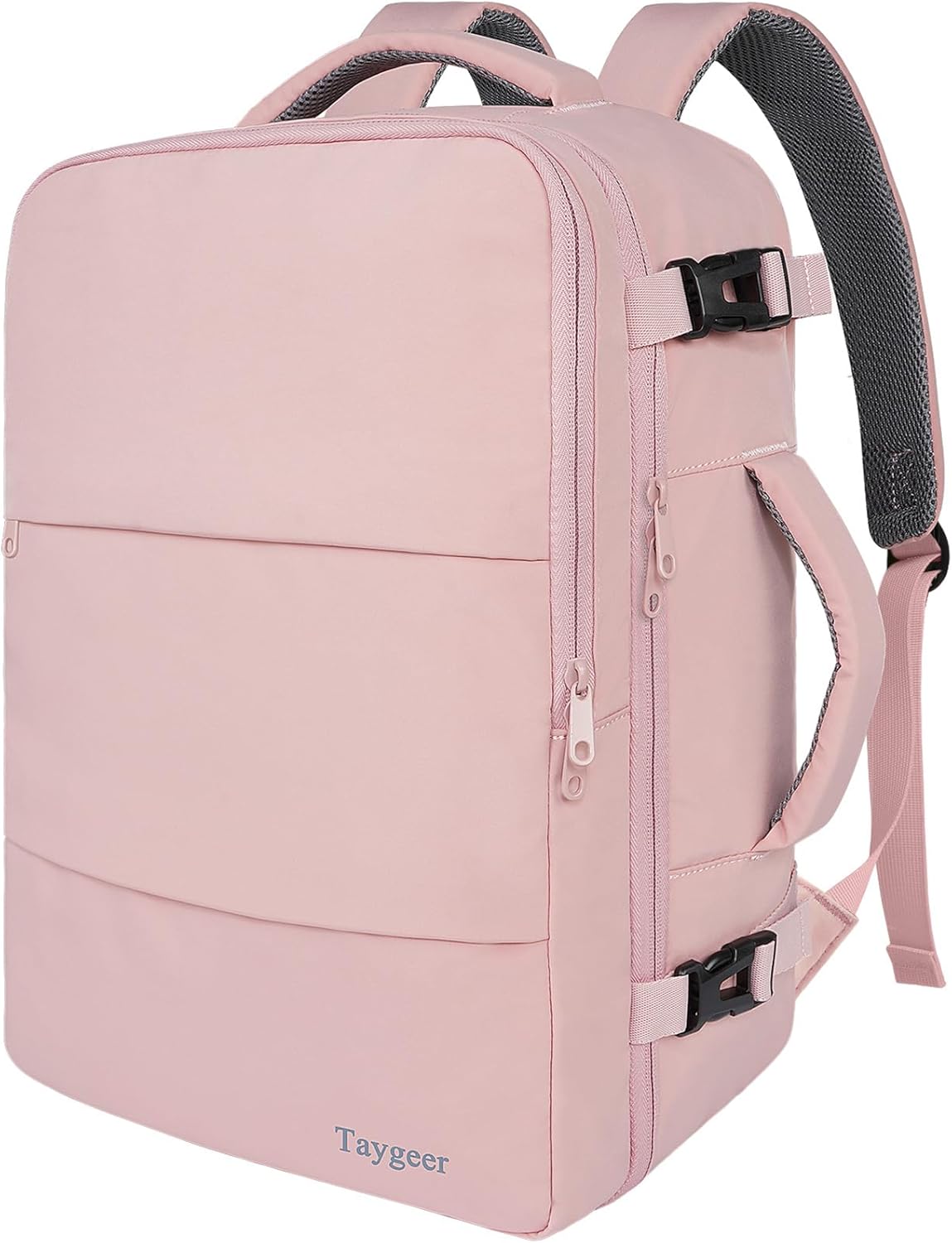
Last Updated on July 23, 2026 by Caleb Warren
Your suitcase may already be full, but you can still need a lightweight bag for sightseeing, the gym, the beach, or an unexpected day trip. A packable travel backpack gives you that extra carrying space without taking up as much room as a structured daypack.
The best models balance low weight with usable pockets, comfortable straps, durable seams, and enough weather resistance for everyday travel. This guide explains how packable backpacks work, what a 15-liter bag can realistically hold, and when a traditional backpack is the better choice.
Quick Answer
A packable travel backpack is a lightweight day bag that folds flat or stows into a compact pocket when not in use. A 15-liter model works well for day trips, light gym gear, and travel essentials, but it normally provides less structure and heavy-load support than a traditional backpack.
What’s in This Article
- Understanding Packable Backpacks
- Key Features of a Packable Travel Backpack
- Benefits of Using a Packable Backpack
- Ideal Use Cases for Packable Backpacks
- Comparing Packable Backpacks to Traditional Backpacks
- How to Choose the Right Packable Travel Backpack
- How Much Can a 15-Liter Packable Backpack Hold?
- How to Pack a 15-Liter Backpack Safely
- Tips for Maintaining Your Packable Backpack
- Frequently Asked Questions
Key Takeaways
- Packable backpacks either fold flat or stow inside one of their own pockets; not every model forms a tiny pouch.
- A 15-liter bag is useful for light day-trip gear, but liters measure volume rather than maximum carrying weight.
- Low weight usually means less frame support, padding, and long-distance comfort.
- PU-coated fabric and water-repellent zippers can handle light rain, but they do not make a bag fully waterproof.
- Check the maker’s care label before washing, and store the backpack only after it is completely dry.
Disclosure: As an Amazon Associate I earn from qualifying purchases. Some links on this page are affiliate links, at no extra cost to you.
Understanding Packable Backpacks
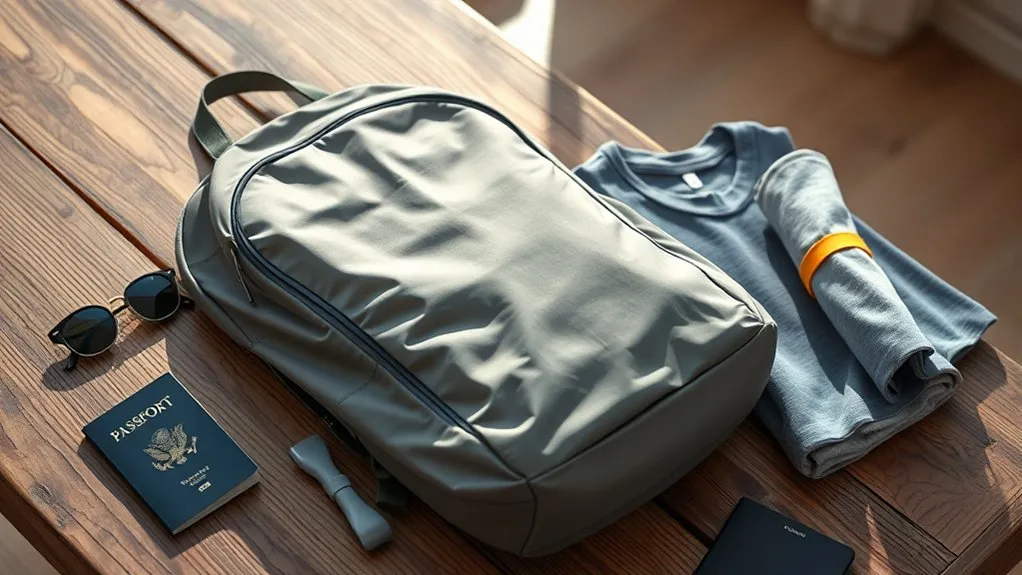
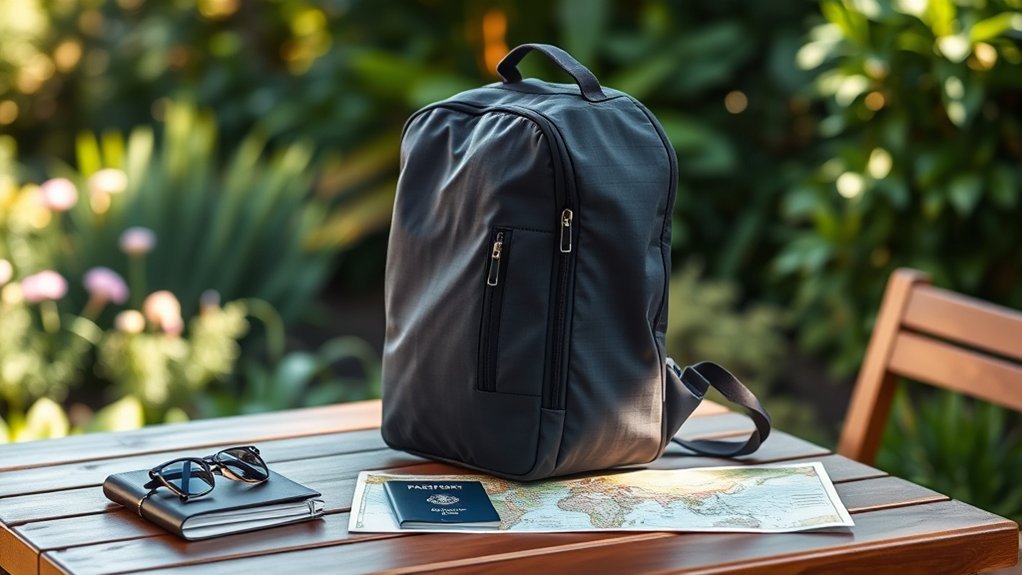
A packable backpack is designed to take up less space when you are not carrying it. Some models turn inside out and stow inside a built-in pocket. Others simply flatten so you can slide them against the side or bottom of a suitcase.
Those designs are not identical. A self-stowing bag normally creates a smaller bundle, while a flat-packing design may offer more pockets, lining, or internal organization. Check the product description instead of assuming that every packable bag compresses into a palm-sized pouch.
The Unbound Merino Ultralight Travel Backpack is an example of a flat-packing design. Its current specifications list a 15-liter volume, a backpack weight of 1.3 pounds, empty dimensions of 18.75 by 12 by 2.5 inches, and a depth that expands to 6 inches. The separate listed tech organizer weighs another 0.51 pounds.
Note: A bag’s packed thickness is not the same as a self-stowing pouch size. Confirm both the packed design and dimensions before buying.
Key Features of a Packable Travel Backpack
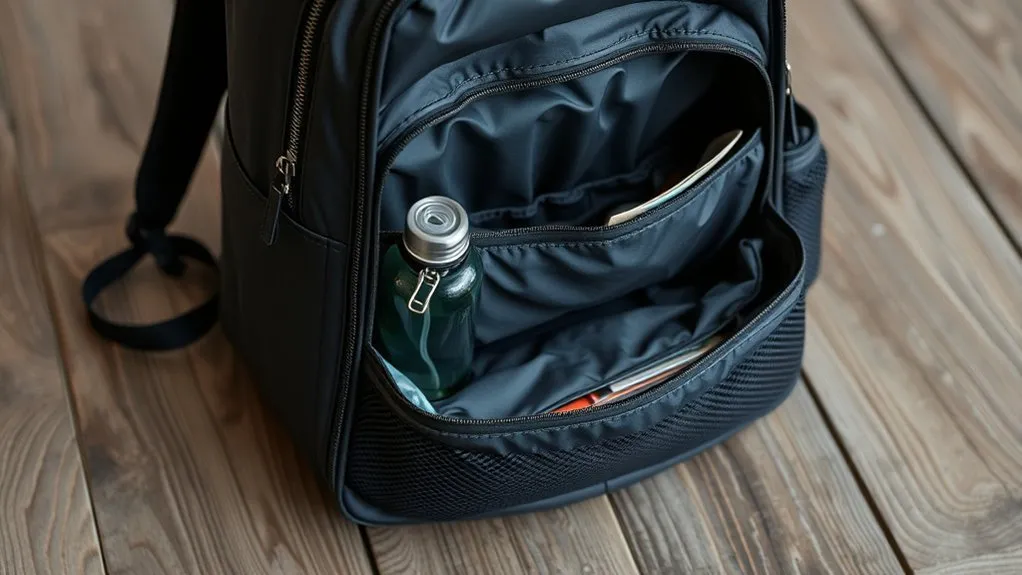
A useful packable backpack needs more than a low listed weight. Compare the following features before choosing one:
- Packed design and dimensions: Find out whether the bag folds flat, rolls up, or stows into its own pocket. Make sure the packed form will fit where you plan to store it.
- Unpacked capacity: Bags in the 11- to 20-liter range are generally suited to an extra layer, food, and other compact day-trip gear, according to REI’s daypack guidance.
- Fabric and seams: Ripstop nylon, polyester, reinforced stress points, and clean stitching can improve durability. Denier is useful, but it does not measure zipper or seam quality.
- Shoulder straps: Wider straps usually spread pressure better than thin webbing. Check whether they are padded, breathable, and easy to adjust.
- Back-panel structure: A thin frameless back saves space but allows hard objects to press against you. Light foam or a removable panel can improve comfort.
- Opening and organization: A wide panel opening makes packing easier, while smaller exterior pockets help separate keys, documents, and charging cables.
- Device storage: Verify the sleeve’s actual dimensions and padding. A pocket labeled for technology may not fit or protect every laptop.
- Water resistance: Coated fabric and covered zippers help with brief exposure, but seams and zipper openings can still admit water.
Benefits of Using a Packable Backpack
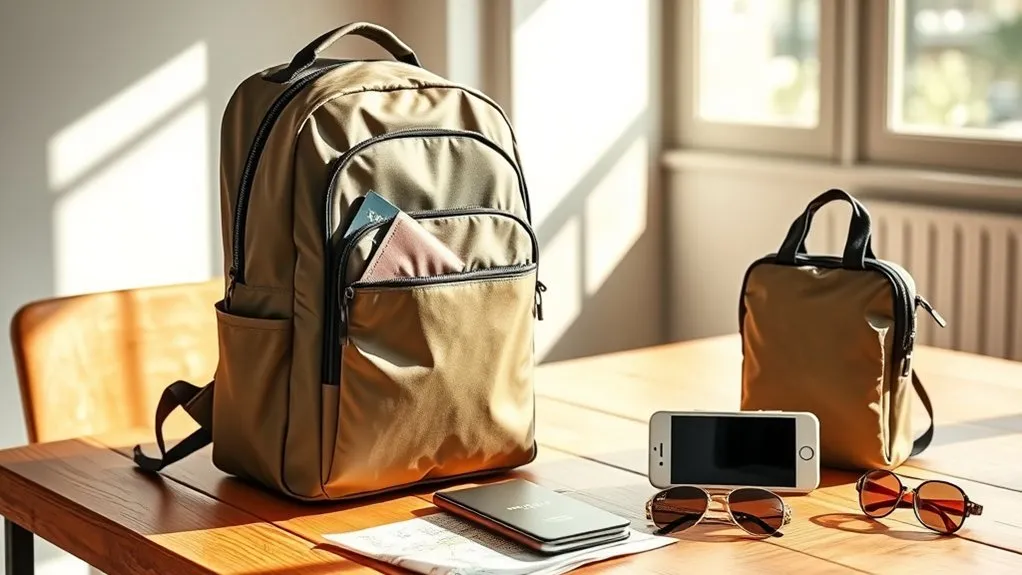
The main advantage is flexibility. You can place the empty backpack inside larger luggage and bring it out only when you need a separate day bag.
- Less storage bulk: A flat or self-stowing design uses less suitcase space than a rigid backpack.
- Useful backup capacity: It can carry snacks, a light jacket, travel documents, and small purchases during an outing.
- Easy separation: You can keep gym clothing, beach items, or day-trip gear apart from the contents of your main suitcase.
- Low empty weight: Many packable bags weigh less than structured travel packs, although pockets, lining, and removable organizers add weight.
- Flexible daily use: The same bag can work for city walks, commuting, sightseeing, or light recreational activities.
The Unbound Merino example uses 210D nylon with a PU-coated backing and PU-coated YKK AquaGuard zippers. However, YKK describes AquaGuard as water-repellent rather than waterproof or watertight.
Warning: Do not rely on a water-resistant packable backpack to protect electronics during a downpour. Use a waterproof sleeve, dry bag, or rain cover when sustained rain is possible.
Ideal Use Cases for Packable Backpacks
Packable backpacks work best when the load is light, the trip is short, and compact storage matters more than rigid support.
Day Trips and Adventures
A 15-liter pack can carry a water bottle, snacks, a compact rain layer, sunscreen, a small first-aid kit, and personal items for a short outing. Keep hard or pointed gear away from thin fabric, and do not assume a minimalist travel pack has the support needed for technical hiking.
Gym and Sports Activities
A packable bag can hold a shirt, shorts, socks, a small towel, and basic toiletries. Bulky athletic shoes may consume much of a 15-liter compartment, so test your normal gym load before relying on the bag.
Let damp clothing and towels dry before storing the backpack in its folded form. Trapped moisture can create odor and encourage mildew.
Travel and Exploration Essentials
Travelers can use a packable backpack for sightseeing, airport organization, a picnic, or small purchases. A luggage pass-through, passport pocket, key clip, or internal organizer can be more useful than extra decorative compartments.
A compact backpack may also fit inside larger carry-on luggage. Whether it qualifies as a personal item on its own depends on its filled dimensions and the airline’s current rules.
When a Packable Backpack Is Not the Best Choice
Choose a more structured backpack when you need to carry:
- Heavy books, groceries, or dense equipment
- A large camera kit or fragile lenses
- Gear for a multi-day hike
- A large laptop without a protective sleeve
- Heavy loads for several hours
- Equipment that requires a hip belt, frame, or ventilation system
Frameless bags adapt easily to the shape of your luggage, but they generally support weight less effectively than packs with an internal frame or framesheet.
Comparing Packable Backpacks to Traditional Backpacks
The right choice depends on whether you value compact storage or carrying comfort more.
| Feature | Packable Backpack | Traditional Backpack |
|---|---|---|
| Storage when empty | Folds flat or stows into a compact pouch | Keeps most of its shape |
| Empty weight | Usually lower | Usually higher |
| Load support | Best for lighter loads | Better for heavier or denser loads |
| Back comfort | Limited structure and ventilation on many models | More likely to include foam, framesheets, or ventilation |
| Organization | Ranges from minimal to moderately organized | Often includes more pockets and compartments |
| Best use | Travel backup, sightseeing, gym, and light outings | Commuting, regular hiking, electronics, and heavier daily loads |
A packable model is a strong secondary bag. A traditional backpack is usually the better primary bag when comfort and load support matter throughout the day.
How to Choose the Right Packable Travel Backpack
Start with your normal load rather than choosing by appearance alone.
- List what you carry: Include your bottle, jacket, electronics, toiletries, shoes, and anything you regularly buy during a trip.
- Choose an appropriate volume: Around 15 liters works for compact essentials. Choose a larger daypack when you routinely carry bulky layers or family gear.
- Check both sets of dimensions: Compare the packed dimensions with your suitcase and the open dimensions with airline or storage restrictions.
- Inspect the straps: Look for enough width, adjustment range, and padding for your expected load.
- Check the back panel: Decide whether you can accept a thin frameless back or need more structure.
- Confirm device fit: Compare your laptop or tablet measurements with the sleeve’s usable dimensions, not only the bag’s outside dimensions.
- Inspect stress points: Look closely at strap attachments, zipper ends, grab handles, and bottom seams.
- Review weather protection honestly: Treat “water-resistant” as protection from light exposure, not complete waterproofing.
- Look for a published weight limit: If the manufacturer gives one, follow it. If not, avoid loads that make the seams stretch or the zipper difficult to close.
Pro Tip: Place your usual day-trip items in a box or bag and measure the approximate space they occupy. This gives you a better capacity estimate than choosing from liters alone.
How Much Can a 15-Liter Packable Backpack Hold?
A 15-liter bag is a compact daypack. The exact amount it holds depends on the bag’s shape, pocket layout, opening, and the size of your belongings.
Sample City-Day Load
- A light sweater or packable rain shell
- A small or medium water bottle
- Snacks
- Sunglasses and sunscreen
- A power bank and charging cable
- A wallet, passport, and keys
- A compact camera or small personal item
Sample Gym Load
- A shirt and shorts
- Socks and undergarments
- A small towel
- A compact toiletry pouch
- A water bottle
A pair of bulky shoes may take up a large part of the main compartment.
Sample Work-and-Travel Load
- A tablet or compact laptop that fits the protective sleeve
- A charger and small cable pouch
- Headphones
- Travel documents
- A notebook
- A light layer
Note: Fifteen liters describes volume, not a maximum safe weight. Two 15-liter loads can weigh very different amounts depending on what you pack.
How to Pack a 15-Liter Backpack Safely
- Place flat, heavier items near your back: This keeps the load closer to your center of gravity and prevents objects from pulling the bag backward.
- Protect hard edges: Cover chargers, plugs, tools, or other pointed items so they do not abrade thin fabric.
- Use a protective electronics sleeve: A soft packable shell should not be your laptop’s only impact protection.
- Fill gaps with soft items: Clothing can stop bottles and accessories from shifting.
- Keep quick-access items separate: Use small pockets for keys, travel documents, and cables instead of placing them loose in the main compartment.
- Do not force the zipper: Remove an item if closing the bag requires pulling hard or compressing the zipper track.
- Protect items from rain: Put electronics and important documents in waterproof pouches when the weather is uncertain.
Tips for Maintaining Your Packable Backpack
Always follow the care label supplied by the backpack manufacturer. When no model-specific instructions are available, use a gentle approach that protects coatings, seams, and water-repellent zipper treatments.
- Empty every pocket and shake out sand, crumbs, and loose dirt after use.
- Spot-clean marks with lukewarm water, a soft cloth or sponge, and a small amount of mild additive-free soap.
- Avoid putting the backpack in a washing machine or dryer unless the manufacturer specifically permits it.
- Do not scrub coated zippers aggressively.
- Rinse away soap residue with a clean damp cloth.
- Air-dry the backpack indoors or in shade rather than under strong direct sunlight.
- Make sure the fabric, pockets, and seams are fully dry before folding or storing the bag.
- Inspect strap attachment points, seams, and zipper tracks for early signs of damage.
- Use only a water-repellent treatment approved for the bag’s fabric and coating.
These steps follow the general principles in REI’s backpack-cleaning guidance, but the product maker’s instructions should take priority.
Warning: Folding a damp backpack can trap moisture inside pockets and seams. Let it dry completely before packing it away.
Frequently Asked Questions
Can packable backpacks hold heavy loads effectively?
Most packable backpacks are better for light or moderate daily loads. Their thin fabric and frameless construction normally provide less support than a structured daypack. Follow a published manufacturer weight limit when one is available, and stop adding items if the straps, seams, or zipper appear strained.
Are packable backpacks waterproof or water-resistant?
Most are water-resistant rather than waterproof. Coated fabric and water-repellent zippers can help during light rain, but water may enter through seams or zipper openings during prolonged exposure.
What materials are commonly used in packable backpacks?
Common materials include lightweight nylon, ripstop nylon, and polyester. Some use polyurethane or similar coatings to improve water resistance. Seam construction, zipper quality, and reinforced stress points matter as much as the fabric name.
How do I clean my packable travel backpack?
Follow the manufacturer’s care label. A safe general method is to empty the bag, spot-clean it with lukewarm water and mild additive-free soap, wipe away the residue, and let it air-dry fully in shade. Avoid machine washing and tumble drying unless the maker allows them.
Can a packable backpack fit inside carry-on luggage?
Yes. A flat or self-stowing design can normally fit inside a suitcase or larger carry-on. Whether the expanded backpack qualifies as a personal item depends on its filled dimensions and the airline’s rules.
Can a 15-liter packable backpack hold a laptop?
It may hold a tablet or compact laptop, but capacity alone does not confirm fit. Compare the device with the sleeve’s usable dimensions and use a padded protective case if the backpack has little structure.
Are packable backpacks good for hiking?
They can work for short, easy walks with a light load. For longer hikes, rough terrain, or heavier gear, choose a hiking daypack with better shoulder straps, back support, ventilation, and space for essential safety equipment.
Ready to Pack Light?
A packable travel backpack gives you a convenient secondary bag without requiring much space inside your main luggage. A model around 15 liters can handle compact day-trip, gym, or sightseeing essentials when you pack thoughtfully.
Choose one by comparing its real packed dimensions, strap comfort, structure, pocket layout, device protection, and weather limitations. For heavier equipment or long periods of walking, use a structured daypack instead of asking a minimalist bag to do more than it was designed to handle.
Sources
- Unbound Merino Ultralight Travel Backpack — current capacity, dimensions, weights, materials, pockets, and flat-packing specifications
- REI: How to Choose a Daypack — capacity ranges, pack structure, fit, and load-support guidance
- YKK AquaGuard Product Information — water-repellent zipper limitations and care information
- REI: How to Clean a Backpack — cleaning, drying, zipper-care, and storage guidance