Last Updated on August 26, 2026 by Mason Reed
Staying warm while sleeping in a tent on a cold night takes more than piling on clothes. Wear clean, dry base layers made from merino wool or synthetic fabric, add a light insulating layer when needed, and protect your feet and head. Just as important, match your sleeping bag and insulated sleeping pad to the expected overnight temperature.
Quick Answer
On a cold night in a tent, sleep in clean, dry, moisture-wicking base layers, add a light fleece or other insulating layer if needed, and wear dry wool or synthetic socks plus a warm hat. Just as important, use a sleeping bag and insulated pad matched to the forecast.
Key Takeaways
- Wear dry merino-wool or synthetic layers rather than cotton, which holds moisture and can leave you colder when damp.
- Your sleeping pad is part of your insulation system. A warm sleeping bag cannot fully compensate for inadequate insulation beneath you.
- Add only enough clothing to stay comfortably warm. Excessive layers can cause sweating or make a tight sleeping bag less effective.
- Ventilate the tent to reduce condensation instead of sealing every opening in an attempt to trap warm air.
- If you develop persistent shivering, confusion, poor coordination, slurred speech, or unusual drowsiness, treat the situation as a cold-weather safety problem rather than simply adding another layer.
At a Glance
| Time Required | About 10–20 minutes to prepare dry sleep clothes, sleeping bag, pad, and tent ventilation before bed |
| Difficulty | Easy to moderate; colder or remote conditions require more planning and experience |
| Tools Needed | Dry base layers, insulating layer, warm socks and hat, temperature-appropriate sleeping bag, insulated sleeping pad, and a ventilated weather-appropriate tent |
| Cost | Potentially $0 if you already own suitable gear; upgrades vary widely depending on the sleeping bag, pad, and clothing needed |
Warning: Never use charcoal, a camp stove, or fuel-burning camping equipment as an improvised tent heater. The U.S. Consumer Product Safety Commission warns that carbon monoxide from camping heaters, lanterns, stoves, and similar equipment can build up in enclosed spaces and can be fatal. Follow the manufacturer’s instructions for any appliance and never sleep with equipment that is not specifically approved for that use.
Disclosure: As an Amazon Associate I earn from qualifying purchases. Some links on this page are affiliate links, at no extra cost to you.
Understanding the Importance of Layering
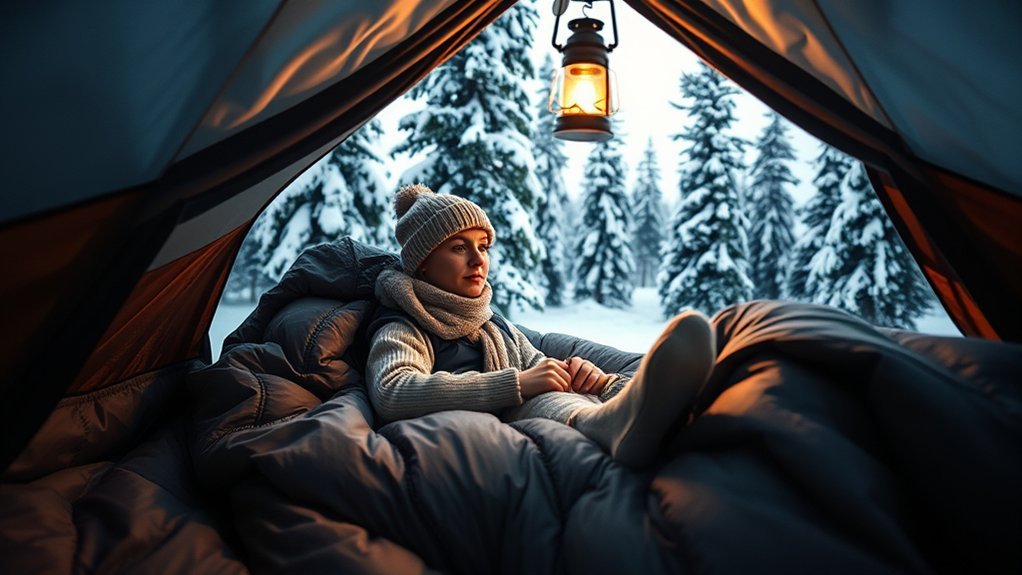
When you’re camping in cold weather, layering helps you regulate temperature and manage moisture. The basic system is a moisture-managing base layer next to your skin, an insulating layer over it, and a weather-resistant shell when wind, rain, or snow requires one. The National Park Service recommends wool or synthetic clothing instead of cotton in cold conditions because cotton absorbs moisture and performs poorly when wet.
For sleeping, however, clothing is only one part of the system. Your sleeping bag traps warm air around you, while the sleeping pad slows heat transfer into the cold ground. A dry person wearing excellent thermals can still become uncomfortably cold if the bag is under-rated or the pad has too little insulation.
Build a Complete Cold-Weather Sleep System
Think about four components together:
- Dry clothing: Keeps moisture away from your skin and adds adjustable insulation.
- Sleeping bag: Provides loft around your body and should be suitable for the expected overnight low.
- Sleeping pad: Insulates the parts of your body pressing against the ground, where sleeping-bag insulation is compressed.
- Shelter: Blocks precipitation and much of the wind while allowing enough ventilation to manage condensation.
Avoid going to bed in damp hiking clothes. Change into a dry set of sleep clothes if possible. Also avoid adding so many layers that you begin to sweat. The CDC advises removing extra layers when you become too warm, because excess sweating can increase heat loss later.
Choosing the Right Base Layer Materials
For a cold night in a tent, choose base layers that fit close enough to move moisture away from your skin without feeling restrictive. Merino wool and synthetic fabrics such as polyester are common choices. Both can work well; the better option depends on moisture, drying time, odor resistance, budget, and personal comfort.
Moisture-Wicking Fabrics Importance
Moisture management matters because sweat and damp clothing can accelerate chilling. Merino wool can absorb and move moisture vapor while helping regulate temperature, while many synthetic base layers move liquid moisture efficiently and dry quickly. Cotton is a poor choice for cold-weather sleep clothing because it can hold moisture against the body for much longer.
Choose a comfortable fit rather than an extremely tight one. Your base layer should sit close to the skin, but it should not restrict circulation or movement.
Natural vs. Synthetic Options
| Feature | Merino Wool | Synthetic Fabrics |
|---|---|---|
| Moisture Management | Very good; handles moisture vapor well | Very good; many fabrics wick liquid sweat efficiently |
| Performance When Damp | Generally remains comfortable and insulating better than cotton | Generally retains useful insulation and dries quickly |
| Breathability | High | Varies by fabric and construction |
| Drying Speed | Moderate | Usually fast |
| Odor Resistance | Generally very good | Varies |
| Typical Cost | Often higher | Often lower |
There is no need to choose one material for every layer. A merino base layer can work well with a synthetic fleece, for example. What matters most is keeping the sleep clothing dry and choosing materials suited to the conditions.
Selecting the Ideal Insulating Mid-Layer
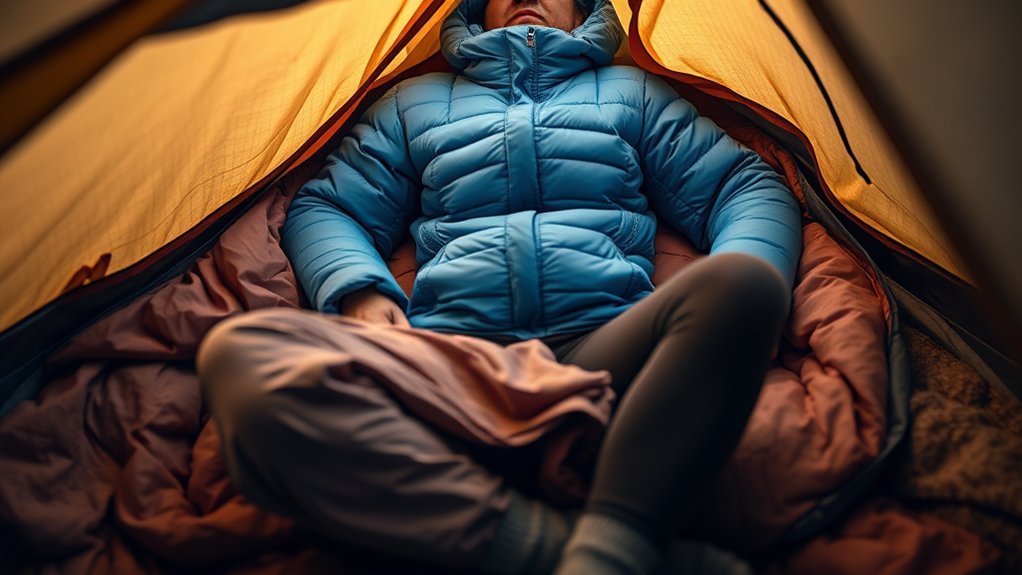
As temperatures drop, an insulating mid-layer can add warmth without forcing you to use a heavier base layer. Fleece is a practical option because it breathes well, dries relatively quickly, and is easy to vent. Wool mid-layers can also work well. Puffy jackets provide more insulation for their weight when you need substantial extra warmth.
Down offers an excellent warmth-to-weight ratio and packs very small, but saturated down loses loft and insulating performance. Synthetic insulated garments are usually bulkier for the same warmth but retain more useful insulation when damp and dry more quickly. If rain, wet snow, condensation, or heavy perspiration is likely, keep this tradeoff in mind.
If you wear an insulating garment inside your sleeping bag, it should be dry and comfortable. Do not force an oversized puffy layer into a tight bag if it crushes the bag’s loft or makes you sweat. A lighter fleece, wool top, or appropriately sized insulated layer often works better.
Pro Tip: Keep a dedicated dry base layer and pair of sleep socks sealed in a waterproof bag during the day. Changing into truly dry clothing before bed can make a noticeable difference even when the daytime clothes do not feel obviously wet.
Picking the Best Outer Layer for Cold Weather
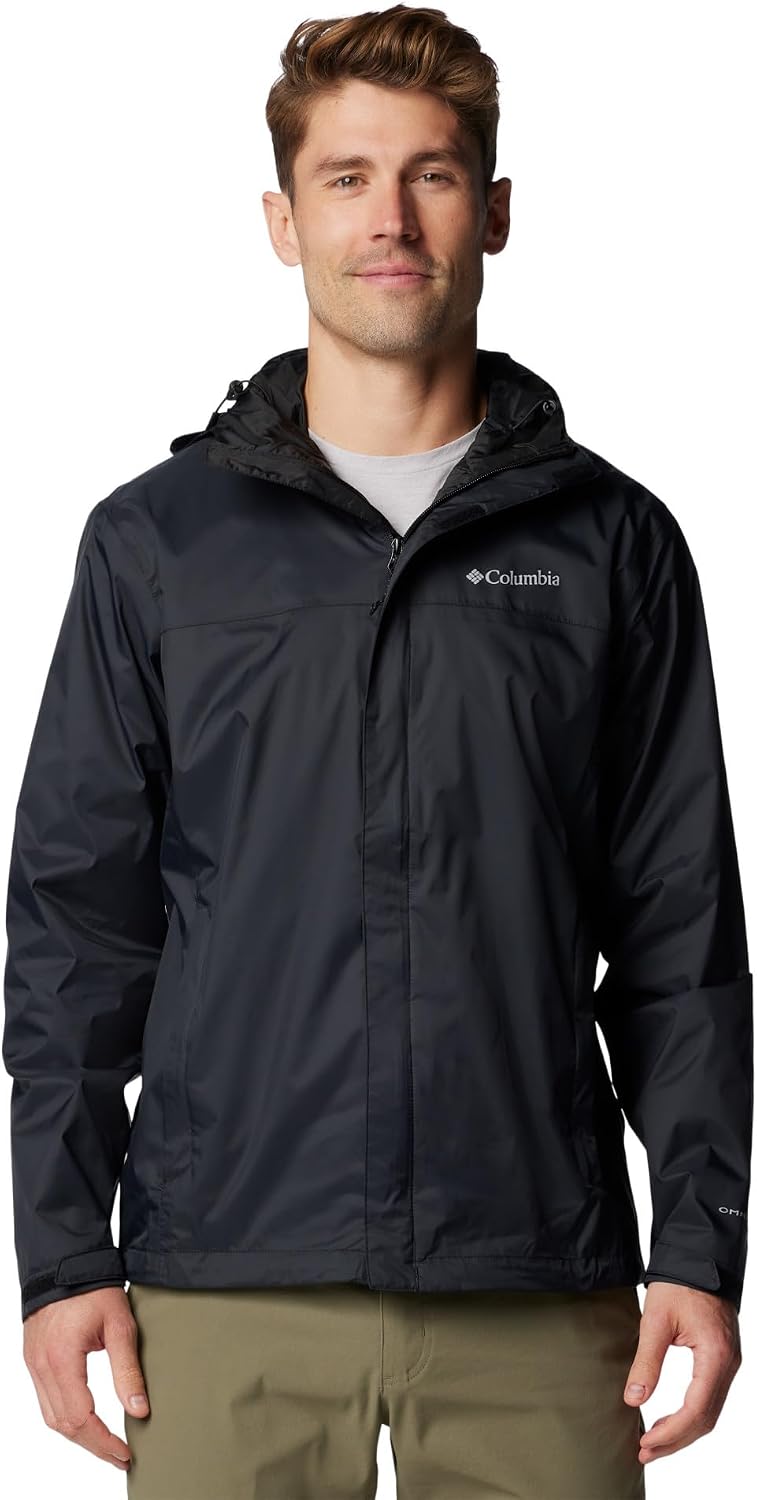
Your outer layer matters most while you are outside the sleeping bag—setting up camp, cooking, walking around, or dealing with wind, rain, and snow. A wind-resistant or waterproof shell prevents moving air and precipitation from stripping warmth from your insulating layers.
You do not normally need to sleep in a waterproof shell inside a dry, properly rated sleeping bag. Wearing a non-breathable or unnecessary shell to bed can trap moisture and make temperature regulation harder. Use it inside the bag only when conditions and your specific setup make it necessary.
Insulated Outerwear Options
Common cold-weather outerwear options include:
- Down Jackets: Light, highly compressible, and warm for their weight. Keep them as dry as possible.
- Synthetic Puffy Jackets: Usually heavier and less compressible than comparable down insulation but more forgiving in damp conditions.
- Hybrid Jackets: Combine different insulation types or place breathable panels in high-moisture areas.
Instead of choosing solely by brand, check the insulation type, fit, hood design, cuff adjustment, weather resistance, and whether there is enough room underneath for your other layers. Established outdoor brands such as Patagonia and Columbia offer suitable options, but the garment’s specifications and fit matter more than the logo.
Waterproof and Windproof Features
A weather shell should block the wind and, when precipitation is expected, provide appropriate water protection. Waterproof-breathable technologies such as GORE-TEX are designed to keep external water out while allowing some moisture vapor to escape through the garment.
That breathability helps manage moisture in your clothing; it does not prevent condensation inside the tent. Tent condensation is managed primarily by ventilation, shelter design, humidity, wet gear, and weather conditions.
Essential Accessories for Staying Warm
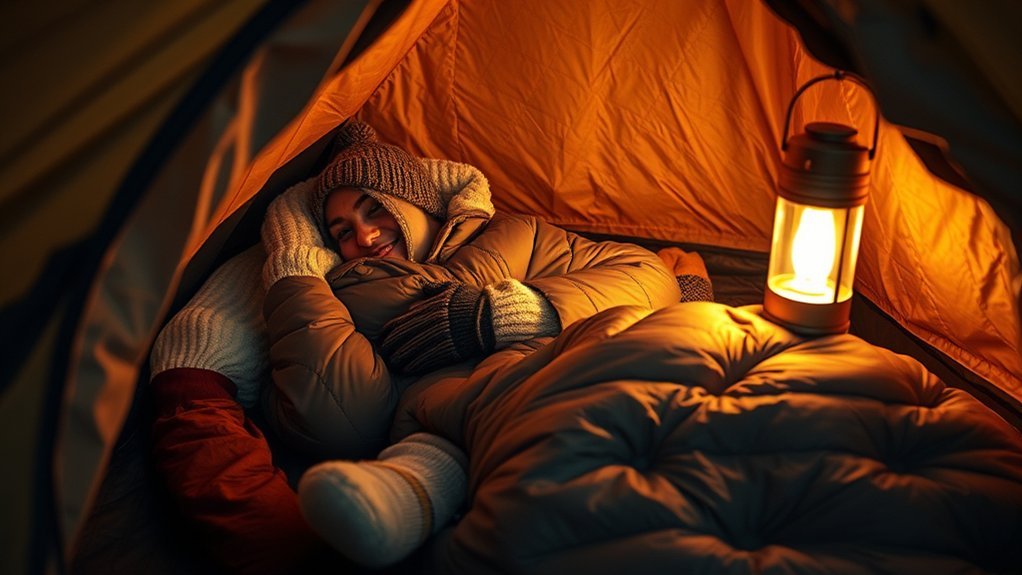
Small accessories can noticeably improve comfort because they cover exposed areas and help you fine-tune warmth without changing your entire sleep system.
Dry insulation is more useful than simply adding more insulation. Protect your sleep clothes, sleeping bag, and spare socks from rain, snow, sweat, and tent condensation.
- Balaclava or Beanie: A warm hat reduces heat loss from exposed skin and is easy to remove if you become too warm.
- Thermal Socks: Wear a clean, dry pair made from wool or a suitable synthetic material. Avoid socks so tight that they restrict circulation.
- Sleeping Bag Liner: A liner keeps the bag cleaner and can add some warmth. The amount varies substantially by material and design, so do not assume a specific temperature increase unless the manufacturer provides one.
A neck gaiter and lightweight gloves can also help if your sleeping bag leaves those areas exposed. Keep your nose and mouth outside the sleeping bag so moisture from your breath does not accumulate in the insulation.
Choosing a Sleeping Bag and Pad for Cold Nights
Clothing cannot compensate indefinitely for a sleep system that is unsuitable for the weather. Your bag and pad should be chosen around the lowest temperature you realistically expect, with extra margin if you tend to sleep cold.
Understand Sleeping Bag Temperature Ratings
Adult recreational sleeping bags may be tested using standards such as ISO 23537-1:2022. Temperature labels are useful comparison tools, but they are not guarantees that every person will feel comfortable at the stated temperature. Your metabolism, clothing, food intake, humidity, wind exposure, shelter, and sleeping pad all affect real-world comfort.
If a bag lists separate comfort and limit ratings, colder sleepers should generally pay more attention to the comfort figure rather than assuming the lower limit will feel comfortable.
Use the Right Sleeping Pad R-Value
A sleeping pad’s R-value describes its resistance to heat flow. Higher numbers indicate greater insulation from the ground. According to REI’s current sleeping-pad guidance, the following ranges are useful general planning references:
| Conditions | General Pad R-Value Range | Planning Note |
|---|---|---|
| Warm weather | Below 2 | Best reserved for genuinely mild nights |
| Cool weather | 2–3.9 | Useful for many cool three-season conditions |
| Cold weather | 4–5.4 | A stronger choice when overnight temperatures become genuinely cold |
| Very cold conditions | 5.5+ | Better suited to winter and extreme-cold conditions |
These are guidelines rather than safety guarantees. Ground temperature, snow, sleeping style, pad construction, and personal cold tolerance matter. If more insulation is needed, stacking compatible pads can increase total resistance to heat loss; R-values are generally additive.
Note: If your back, hips, or shoulders feel cold while the top of your body feels reasonably warm, suspect inadequate ground insulation before assuming you need another jacket.
Tips for Staying Comfortable While Sleeping
Start the night in dry, moisture-managing base layers. If you still feel cold after settling into the bag, add a fleece, wool, or other dry insulating layer. Keep your sleep socks dry and loosen anything that feels restrictive.
A sleeping bag liner can add modest insulation and helps keep body oils and dirt away from the bag. For additional warmth, you can place a securely closed bottle designed to hold hot water inside the bag. Wrap it in clothing or fabric if it feels uncomfortably hot against your skin, and check carefully for leaks before bringing it into your sleep system.
Avoid relying on an electric heating pad unless its manufacturer specifically approves your intended use and you can follow all electrical, moisture, and burn-safety instructions. A heat source is not a substitute for a temperature-appropriate sleeping bag and insulated pad.
Other simple steps can help:
- Eat an adequate evening meal or light snack before bed so your body has energy available for heat production.
- Drink a warm, nonalcoholic beverage if appropriate for your trip.
- Use a small amount of light movement before bed if you are cold, but stop before you start sweating.
- Use your sleeping bag’s hood, draft collar, and zipper correctly rather than leaving large openings for warm air to escape.
- If your bag is excessively roomy, placing dry spare clothing in unused space around the footbox can reduce the amount of air your body must warm.
Managing Moisture Inside Your Tent
Cold nights often create condensation as warm, humid air from breathing and damp equipment meets colder tent surfaces. Completely sealing a tent may feel warmer at first, but poor ventilation can increase interior moisture.
MSR’s tent guidance explains that ventilation is the key tool for reducing condensation: cooler, drier air needs a way in while warmer, moist air needs a way out.
For better moisture management:
- Use the Tent’s Designed Vents: Open high and low vents when conditions allow rather than automatically sealing every opening.
- Create Cross-Flow: When practical, use more than one vent so air can move through the shelter.
- Keep Wet Gear Controlled: Avoid spreading wet jackets, socks, or other soaked equipment throughout the sleeping area.
- Keep the Sleeping Bag Away From Wet Walls: Contact with condensation on the fly or tent body can dampen insulation.
- Use a Double-Wall Tent When Appropriate: The inner and rainfly separation can help keep occupants away from condensation collecting on the fly, although no tent design eliminates condensation completely.
Do not sacrifice weather protection simply to increase airflow. Adjust vents based on wind, blowing snow, rain, humidity, and the shelter manufacturer’s instructions.
Preparing for a Cozy Night in the Great Outdoors
A reliable cold-night routine is more useful than adding random clothing after you are already shivering. Prepare your sleep system before temperatures fall sharply.
- Check the forecast and campsite conditions. Plan for the realistic overnight low rather than the daytime temperature.
- Set up the tent correctly. Use the rainfly, stakes, guylines, and vents according to the manufacturer’s instructions.
- Set up the sleeping pad first. Confirm that it is fully functional and provides enough insulation for the conditions.
- Unpack the sleeping bag early. Give compressed insulation time to regain loft.
- Change out of damp clothing. Put on clean, dry merino or synthetic sleep layers.
- Add dry socks and head insulation. A beanie or balaclava is easy to remove later if you become too warm.
- Add only the insulation you need. A light fleece or puffy layer can help, but avoid overheating and sweating.
- Ventilate the shelter. Manage condensation rather than sealing the tent completely.
Thick wool or synthetic socks are useful for cold feet, but pack an extra dry pair instead of sleeping in damp socks from the day’s activity. Your sleeping pad should support your entire torso and ideally your full body so that your shoulders, hips, and feet are not left directly against a cold surface.
What to Do if You Wake Up Cold
If you wake up shivering, do not automatically stay in the bag and hope the problem goes away. Identify where the heat loss is coming from.
- Check for moisture. Change any damp clothing and move the sleeping bag away from wet tent fabric.
- Check the pad. Make sure an inflatable pad has not leaked or shifted away from your torso.
- Close drafts. Zip the sleeping bag properly and use its hood and draft collar while keeping your nose and mouth outside the insulation.
- Add one dry layer. Use fleece, wool, or another dry insulating garment rather than adding several layers at once.
- Generate a little heat. Light movement can help, but stop before sweating begins.
- Eat or drink if appropriate. A small snack or warm nonalcoholic drink may help if you are awake and able to eat safely.
- Reassess the situation. If the equipment is inadequate for the conditions or you cannot get warm, move to safer shelter instead of trying to endure worsening cold.
Warning: Persistent shivering, exhaustion, fumbling hands, confusion, poor coordination, slurred speech, memory problems, or unusual drowsiness can be signs of hypothermia. The CDC advises seeking medical attention for suspected hypothermia. Get the person into shelter, remove wet clothing, and warm them with dry layers while arranging appropriate help.
Frequently Asked Questions
How Many Layers Do I Really Need for Cold Nights?
There is no universal number. Start with a dry base layer and add a light insulating layer if needed. A shell is useful around camp when wind or precipitation requires it but is not automatically necessary inside your sleeping bag. Your sleeping bag and pad should provide most of the overnight insulation.
Can I Wear Cotton Layers in Cold Weather?
Cotton is a poor choice when cold and moisture are possible because it absorbs water and dries slowly. Merino wool and appropriate synthetic fabrics are usually better for cold-weather base layers, socks, and sleep clothing.
What Should I Do if I Get Too Warm at Night?
Vent your sleeping bag or remove one insulating layer before you begin sweating. You can also adjust the bag hood or tent ventilation as conditions allow. Staying comfortably warm and dry is better than becoming overheated and damp.
Are There Specific Brands Known for Cold-Weather Sleepwear?
Brands such as Patagonia and Columbia make cold-weather base and insulating layers, but material, fit, weight, moisture management, and the expected conditions matter more than brand alone. Look for merino wool or suitable synthetic fabrics and choose a garment that fits comfortably beneath your other layers.
How Can I Keep My Sleeping Bag Dry in the Tent?
Ventilate the tent, keep wet clothing and gear away from the bag, avoid pressing the bag against condensation-covered tent walls, and protect the bag during transport with an appropriate waterproof liner or dry bag. Dry the bag thoroughly after the trip before storing it.
Is Wearing More Clothing in a Sleeping Bag Always Warmer?
No. Dry, comfortable layers can increase warmth, but excessive clothing can make you sweat, restrict circulation, or crowd a tight sleeping bag. Add insulation gradually and make sure both your clothing and the bag retain their loft.
What R-Value Sleeping Pad Should I Use in Cold Weather?
As a general planning guide, an R-value around 4–5.4 is commonly used for cold conditions, while 5.5 or higher is more appropriate for very cold conditions. Treat these numbers as guidelines rather than guarantees and consider the forecast, ground temperature, sleeping bag, and your personal cold tolerance.
Conclusion
The best clothing for a cold night in a tent is dry, breathable, and easy to adjust: start with merino or synthetic base layers, add light insulation as needed, wear dry socks and a hat, and avoid cotton. But clothing is only part of the answer. A suitable sleeping bag, an adequately insulated pad, controlled tent ventilation, and good moisture management do most of the heavy lifting.
Prepare before you become cold, avoid sweating, and pay attention to warning signs rather than trying to endure worsening conditions. If your sleep system matches the weather, you should need fewer clothing adjustments and have a much better chance of waking up warm, dry, and rested.
Sources
- U.S. National Park Service — Winter Weather Preparedness — cold-weather layering, wool/synthetic clothing, and avoiding cotton.
- Centers for Disease Control and Prevention — Preventing Hypothermia — hypothermia risks, symptoms, and response.
- U.S. Consumer Product Safety Commission — Portable Heaters & Camping Equipment — carbon-monoxide hazards from camping equipment in enclosed spaces.
- ISO 23537-1:2022 — current international thermal testing requirements for applicable adult recreational sleeping bags.
- REI Co-op — How to Choose Sleeping Pads — sleeping-pad insulation, R-values, and cold-weather sleep-system guidance.
- MSR — Tent FAQ and Condensation Guidance — tent ventilation and condensation management.