
Last Updated on July 29, 2026 by Mason Reed
Sleeping well outdoors depends less on making your tent feel like a bedroom and more on getting a few basics right. A safe, well-drained campsite, an insulated sleeping pad, a suitable sleeping bag, dry clothing, and control over light, noise, and condensation can make the difference between tossing all night and waking rested.
Quick Answer
To sleep better in a tent, choose a level, well-drained campsite; pair an insulated sleeping pad with a properly rated sleeping bag; wear dry sleep clothes; and manage light, noise, airflow, food, and temperature. Test your gear before the trip, and never use fuel-burning heaters, stoves, grills, or lanterns inside the tent.
Key Takeaways
- Your sleeping pad provides cushioning and the main insulation between you and the cold ground.
- Compare the forecast low with the sleeping bag’s comfort or lower-limit rating instead of relying only on the temperature printed in the product name.
- A level site should also be well drained and clear of dead branches, flood hazards, sharp debris, and other dangers.
- Dry sleep clothes, ventilation, a simple bedtime routine, and control over light and noise can improve comfort.
- Follow the campground’s food-storage rules and keep every fuel-burning appliance outside the tent.
At a Glance
| Time Required | About 15–30 minutes to inspect the site and arrange the sleep system |
| Difficulty | Easy, with extra planning in cold, wet, windy, or wildlife-active areas |
| Tools Needed | Tent, insulated sleeping pad, suitable sleeping bag or quilt, pillow, dry sleep clothes, and optional eye mask or earplugs |
| Cost | No added cost if you already own a suitable sleep system; otherwise the cost depends on the pad, bag, and accessories selected |
Disclosure: As an Amazon Associate I earn from qualifying purchases. Some links on this page are affiliate links, at no extra cost to you.
Choose the Right Camping Spot
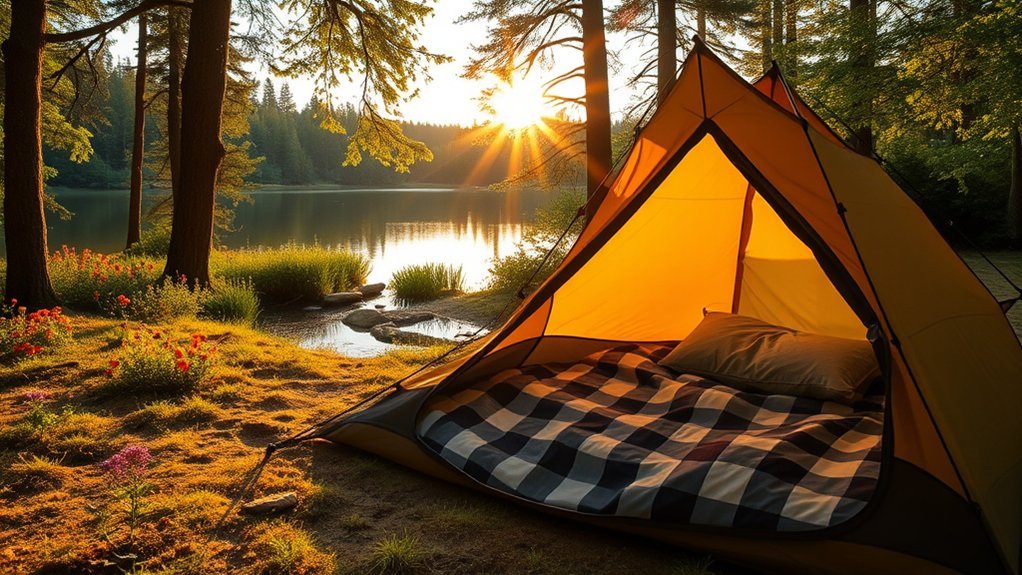
Choosing the right camping spot is the first step toward a comfortable night. Use an established tent pad when one is provided. In undeveloped areas, follow local regulations and camp on a durable surface rather than clearing plants or creating a new site.
Look for ground that feels level when you lie down, but do not choose the bottom of a hollow. Water can collect in low spots during rain. Avoid ravines, dry washes, flood channels, unstable slopes, and places that show signs of previous flooding. The National Park Service campsite guide also recommends checking for lightning, wind, flash-flood, and falling-branch hazards.
Look above as well as below. Do not pitch under dead branches, leaning trees, damaged trunks, or loose rocks. Clear small sticks, cones, and sharp stones by hand, but do not dig trenches, cut vegetation, or reshape the site.
Noise matters too. At a developed campground, a site farther from bathrooms, dumpsters, roads, group areas, and campground entrances may be quieter. Dispersed camping can offer more solitude, but it is not automatically quieter or safer and may require permits, approved sites, or special food-storage practices.
Pro Tip: Before pitching the tent, place your sleeping pad on the proposed footprint and lie down for a minute. You will quickly notice a slope, root, depression, or uncomfortable high point that is easy to miss while standing.
Warning: A tent does not provide safe shelter from lightning. Check the forecast and identify a substantial building or hard-topped vehicle before a storm develops. Move to safe shelter when thunder is heard rather than waiting for rain to reach camp.
Select Your Sleeping Gear Wisely
A comfortable tent floor is not enough by itself. Your pad, sleeping bag or quilt, clothing, and body form one sleep system. Each part must suit the expected temperature and the way you sleep.
Choose a Sleeping Pad by Comfort and R-Value
Pad thickness affects cushioning, but R-value is the more useful measure of resistance to heat loss through the ground. A thick uninsulated air mattress can still feel cold. Current sleeping-pad guidance also notes that standardized sleeping-bag tests assume the sleeper is using an insulated pad.
Side sleepers often need a thicker pad to keep the hip and shoulder from pressing into the ground. Inflate an air pad until it supports you, then release small amounts of air until it conforms comfortably without letting your body touch the ground. Back sleepers may prefer a slightly firmer surface.
A tent footprint protects the floor from abrasion, mud, and some ground moisture. It does not replace an insulated sleeping pad. Make sure the footprint does not extend beyond the tent floor, where it could collect rain and direct water underneath the tent.
Understand Sleeping Bag Temperature Ratings
Do not choose a sleeping bag solely because its product name includes a temperature. Standardized bags may show a comfort rating and a colder lower-limit rating. As explained in this guide to sleeping-bag temperature ratings, the comfort value is the better starting point for a cold sleeper, while a warm sleeper may be comfortable closer to the lower-limit value.
Compare the relevant rating with the forecast low at your exact elevation and campsite. Then allow a margin for wind, humidity, fatigue, individual metabolism, pad insulation, and forecast error. A bag should also fit properly. A bag that is too tight can compress insulation, while a very large bag leaves more space for your body to warm.
Use a Supportive Camping Pillow
An inflatable or compressible camping pillow usually provides more predictable neck support than a loose pile of clothes. Adjust an inflatable pillow rather than filling it as hard as possible. Side sleepers generally need more height than back sleepers. Placing a spare shirt around the pillow can soften the surface and reduce sliding.
Pack clean, dry pajamas or base layers that are reserved for sleeping. Add dry socks and a soft hat when conditions are cold. Avoid climbing into the bag in sweaty or rain-soaked clothing because moisture increases heat loss.
Enhance Comfort Inside the Tent
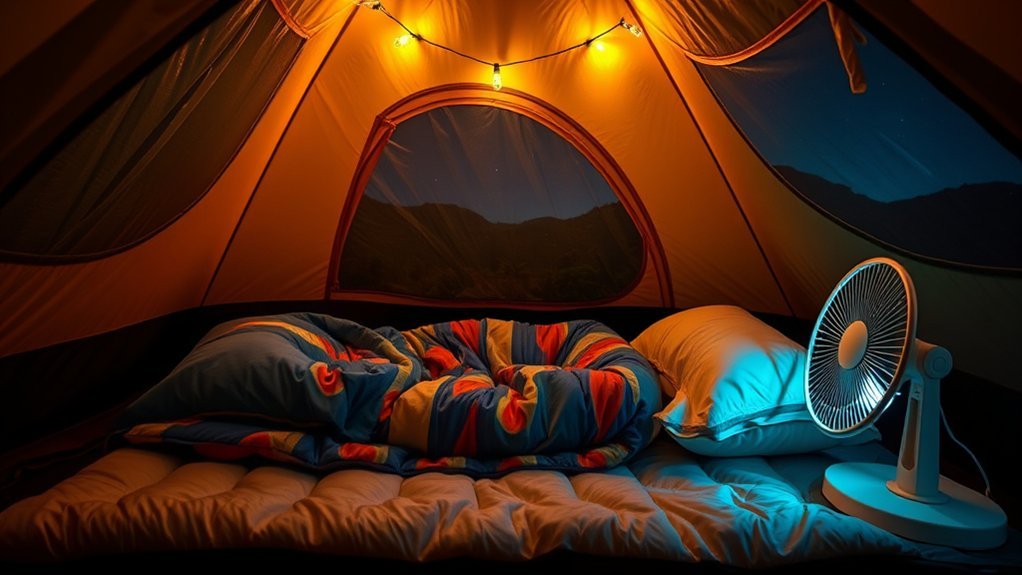
Small adjustments inside the tent can improve comfort without adding much weight. Arrange the pad so your head is slightly uphill when a perfectly level site is unavailable. Keep the bag away from wet tent walls, and move sharp buckles or hard objects out from beneath the pad.
Use storage pockets for a headlamp, glasses, medication, and other items you may need at night. Keep shoes near the door on a groundsheet or in a vestibule, following the tent manufacturer’s ventilation and safety instructions. Keep the doorway and exit clear.
For extra warmth, place a dry jacket loosely over the foot of the sleeping bag or use it to fill unused space around your feet. Do not tightly pack clothing inside the bag in a way that compresses its insulation or restricts circulation.
Ventilation helps moist air escape and reduces condensation. Open the tent’s high and low vents and keep mesh panels clear. When the weather is dry, the rainfly can sometimes be rolled back according to the tent design. Ventilation does not make the tent more insulated, so do not close every vent in an attempt to trap heat.
Note: Some condensation is normal. Breathing, damp gear, humid ground, and falling nighttime temperatures all add moisture. Keep wet gear outside the sleeping area when possible and avoid touching the inner tent wall with your sleeping bag.
Create a Relaxing Bedtime Routine
A familiar routine helps your body shift from activity to rest, even when the setting is new. Finish camp chores before you are exhausted, change into dry clothes, prepare the items you may need overnight, and give yourself time to settle down.
Establish a Consistent Routine
Try to keep your normal bedtime and wake time reasonably consistent. The CDC’s sleep guidance recommends a quiet, relaxing, comfortably cool environment and turning off electronic devices at least 30 minutes before bed.
A simple camping routine can include:
- Finish essential chores: Store food, check guy lines, visit the restroom, and prepare clothing for the morning.
- Change into dry sleep layers: Keep dusty, sweaty, or damp hiking clothes away from the sleeping bag.
- Lower the stimulation: Dim the headlamp, silence nonessential alerts, and put the phone away after checking the weather or emergency information.
- Use the same final cue: Read a few pages, write in a journal, stretch gently, or practice slow breathing.
Choose Calm Wind-Down Activities
Gentle stretching can ease tight hips, calves, shoulders, and lower-back muscles after a day of hiking. Slow breathing or a short body scan may also help if you feel alert in the unfamiliar setting.
Reading with a low, warm light or writing a few notes about the day can be more settling than scrolling through a bright screen. Keep music or ambient sound low enough that you can still hear weather, wildlife, other campers, and an emergency warning.
If you enjoy herbal tea, drink a modest amount early enough that it does not create repeated bathroom trips. Avoid caffeine late in the day, and remember that alcohol may make you feel sleepy at first while still disrupting sleep later in the night.
Manage Temperature and Environment
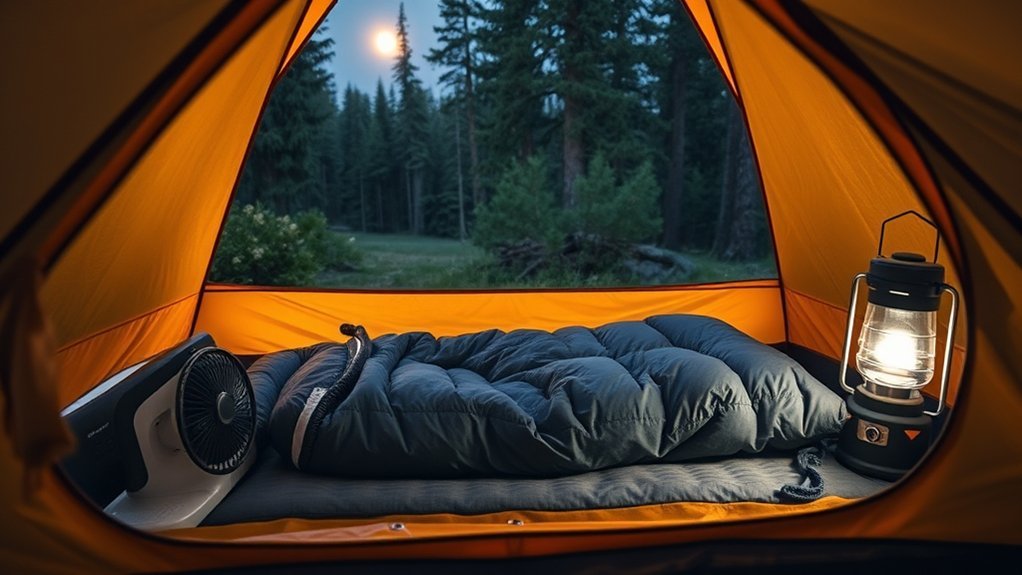
A bedroom temperature around 65–68°F may feel comfortable to many people, but that indoor reference is not a required tent temperature. Outdoor sleepers should focus on staying dry, comfortably cool rather than sweaty, and warm enough that they are not shivering.
Stay Warm in Cold Conditions
- Use an insulated pad: Ground insulation is often as important as the sleeping bag.
- Eat before you become chilled: A normal evening meal gives your body energy, but avoid an unusually heavy meal immediately before lying down.
- Change wet clothing: Put on dry base layers, socks, and a hat before entering the bag.
- Keep the bag dry and lofted: Shake it out and prevent it from pressing against wet tent fabric.
- Use a safe warm-water bottle: Use only a container designed to hold hot water, check the seal, use hot rather than scalding water, wrap the container in clothing, and keep it away from bare skin.
Persistent shivering, fumbling hands, unusual exhaustion, confusion, slurred speech, or pronounced drowsiness can be signs of hypothermia. Move the person to shelter, remove wet clothing, begin gentle rewarming, and seek emergency help.
Sleep More Comfortably in Hot Weather
When nights are warm, choose a breathable bag, quilt, or liner that will not trap unnecessary heat. Pitch in an allowed location that receives afternoon shade, open vents, and position doors or mesh panels to use available airflow. Check whether the site will become exposed to morning sun before choosing it.
Wear loose, dry sleep clothing and keep a small towel available for sweat. Do not remove the rainfly when rain, dew, strong wind, or privacy is a concern. Follow the tent manufacturer’s setup instructions so that airflow does not compromise weather protection.
Warning: Never operate a fuel-burning heater, stove, grill, or lantern inside a tent or other enclosed sleeping space. These devices can produce deadly carbon monoxide, even when there is no visible smoke or strong odor. Keep flames and hot equipment well away from tents and dry vegetation.
Stay Hydrated and Nourished
Hydration needs change with heat, altitude, exertion, body size, food, and individual health. A fixed target such as two liters per day may be too little during strenuous activity and unnecessary as a rigid rule during a cool, inactive day.
Start the trip well hydrated, drink regularly during activity, and carry enough water for the route plus delays. During prolonged heavy sweating, food and an appropriate electrolyte drink can help replace salt as well as water. Avoid forcing excessive plain water, which can also be dangerous.
Drink enough in the evening to address thirst, but avoid consuming a large amount immediately before bed if nighttime bathroom trips disturb your sleep. If hunger is keeping you awake, choose a small, familiar snack that is easy to digest.
| Situation | Better Approach | Examples |
|---|---|---|
| Normal evening thirst | Drink gradually instead of chugging immediately before sleep | Water with dinner and small sips afterward |
| Long, hot, sweaty day | Replace fluids and electrolytes while resting and cooling down | Water, normal salty food, or a suitable electrolyte drink |
| Mild hunger at bedtime | Eat a small, familiar snack that is unlikely to upset your stomach | Crackers, oatmeal, nuts, dried fruit, or half a sandwich |
| Heavy meal, caffeine, or alcohol | Finish earlier and give your body time to settle before lying down | Choose a lighter evening meal and a caffeine-free drink |
Organize Your Tent Space
An organized tent reduces frustration, keeps the exit clear, and prevents hard objects from damaging the pad. Assign a place for each item before darkness makes small gear harder to find.
- Protect the sleeping area: Keep shoes, trekking poles, cookware, and wet rain gear away from the pad and sleeping bag.
- Use storage pockets: Keep a headlamp, glasses, medication, tissues, and earplugs within easy reach.
- Use vertical storage carefully: A gear loft can free floor space, but do not overload it or hang heavy objects above your face.
- Group related items: Separate personal items, clothing, and repair gear in small bags so you do not unpack everything during the night.
- Keep an exit path: Do not block the door with packs or loose equipment.
Do not store food, trash, cooking utensils, toothpaste, sunscreen, lip balm, or other scented products in the tent where wildlife rules prohibit it. Organization should make the tent calmer without turning it into a food-storage area.
Prepare for Wildlife Encounters
Wildlife preparation starts before you reach camp. Research the animals in the area, read current land-manager rules, and learn which storage method is required. Regulations can change by location and season.
Proper Food Storage
Store food, trash, cookware, and scented items in the method required by the campground or backcountry permit. Depending on the location, this may mean a provided food locker, a hard-sided vehicle, a certified bear-resistant container, or an approved hanging system. The National Park Service explains that food-storage rules differ among parks, so a tree hang should never be assumed to be acceptable.
When a bear-resistant container is used, follow both the land manager’s and manufacturer’s directions. General NPS guidance recommends placing the container on flat, level ground at least 100 feet from camp and away from cliffs or water where an animal could roll it away. Do not attach a rope to a container unless its instructions specifically require one.
Cook and eat in the designated area at a developed campground. In dispersed or backcountry camps, separate food activity from the sleeping area when regulations and terrain require it. Clean cookware promptly, pack out food scraps, and never burn food or foil in a campfire.
Tent Security Measures
Keep doors and mesh panels zipped so insects and small animals cannot enter. Check the floor and screens for holes before the trip. Do not rely on unscented toiletries alone; even products with little fragrance may still need to be stored with food.
| Security Measure | Action | Purpose |
|---|---|---|
| Tent doors | Keep fully zipped except while entering or leaving | Limits insects and small-animal entry |
| Food and scented items | Use the storage method required locally | Protects people, property, and wildlife |
| Cooking area | Use the designated or locally approved location | Keeps food odors and flames away from the sleeping space |
| Screens and floor | Inspect and repair holes before departure | Reduces insects, drafts, and water entry |
| Local wildlife knowledge | Review current ranger or land-manager guidance | Prevents applying the wrong rule in a new area |
Use Local Wildlife Education Resources
Ranger stations, permit offices, campground boards, and official land-manager websites are better sources than a generic rule copied from another region. Check for recent closures, bear activity, food-storage orders, fire restrictions, and warnings about snakes, rodents, raccoons, or other animals.
Carry bear spray only where it is appropriate and permitted. Keep it accessible rather than buried in a pack, and learn how to remove the safety clip and use the product before entering bear country. Bear spray does not replace avoidance, clean camping, proper food storage, or local instructions.
Test Gear Before the Trip
Testing gear at home prevents many uncomfortable nights. Pitch the tent, identify every pole and stake, and practice setting it up before dark or in bad weather. Inflate the pad and leave it overnight to check for a slow leak. Spend enough time lying on it to adjust the firmness and confirm that your shoulders and hips stay off the ground.
| Gear Item | Testing Steps |
|---|---|
| Tent | Pitch it fully; inspect the floor, fly, seams, zippers, mesh, poles, stakes, and guy lines. |
| Sleeping pad | Inflate it overnight, check for leaks, adjust firmness, and pack the correct repair kit. |
| Sleeping bag or quilt | Check the fit, zipper, hood, draft collar, foot space, rating label, and storage condition. |
| Pillow and sleep clothing | Test pillow height and confirm that the clothing fits comfortably without restricting circulation. |
| Lighting and repair gear | Install fresh batteries or charge devices; locate patches, tape, spare cord, and a backup light. |
A practice night in the backyard or living room can reveal a noisy pad, slippery pillow, tight sleeping bag, bright lantern, or uncomfortable clothing while there is still time to make changes.
Troubleshoot Common Tent Sleep Problems
| Problem | Likely Cause | What to Try |
|---|---|---|
| Cold underneath | Pad R-value is too low, pad has lost air, or body is pressing through it | Check for leaks, adjust inflation, and add a compatible insulated pad rather than relying on a footprint. |
| Cold all over | Bag is under-rated, clothing is damp, insulation is compressed, or the sleeper is depleted | Change into dry layers, eat if appropriate, restore the bag’s loft, and move to safer shelter if warming attempts fail. |
| Too hot or sweaty | Sleep system is too warm or ventilation is restricted | Open approved vents, loosen the hood, vent the bag or quilt, and change out of damp clothing. |
| Sliding downhill | Campsite is sloped or the pad and tent floor are slippery | Reorient with the head uphill, reduce the slope if another established pad is available, or use a manufacturer-approved nonslip solution. |
| Wet tent walls | Condensation, blocked ventilation, humid ground, or wet gear | Open vents, move wet gear out of the sleeping area, avoid touching walls, and dry the tent when conditions permit. |
| Noise or light | Nearby campers, roads, wind, moonlight, or early sunrise | Use comfortable earplugs and an eye mask while ensuring that essential alarms and emergency sounds remain detectable. |
| Pad loses air | Valve issue, puncture, or normal pressure change as air cools | Check the valve, add a small amount of air after the temperature drops, and repair confirmed punctures with the correct kit. |
Embrace the Outdoor Experience
Outdoor sounds can feel unfamiliar on the first night. Take a few minutes before bed to identify ordinary noises such as wind in trees, insects, frogs, moving water, or other campers. Knowing what you are hearing can reduce the urge to react to every sound.
- Spend a few quiet minutes outside: Watch the sky, check the weather, and let your eyes adjust before entering the tent.
- Review the day: Note anything that needs attention, such as sore feet, wet equipment, a loose guy line, or an early departure time.
- Settle your body: Use gentle stretching or slow breathing rather than trying to force sleep immediately.
It is normal to sleep differently in a new environment. Focus on comfort and safety rather than expecting the first night to feel exactly like home.
Frequently Asked Questions
How can I keep my tent organized for better sleep?
Give each item a fixed place. Keep a headlamp, glasses, medication, and tissues in a storage pocket; place shoes near the door or in the vestibule; keep wet gear away from bedding; and leave the exit clear. Store food and scented items according to local wildlife rules rather than inside the tent.
What should I do if it rains while camping?
Keep the rainfly properly tensioned, maintain ventilation, and make sure the footprint is tucked completely beneath the tent floor. Move wet clothing and gear out of the sleeping area when possible. Do not dig drainage trenches. If the campsite begins flooding or is exposed to a more serious weather hazard, leave for safer ground or approved shelter.
How can I minimize insects in my tent?
Inspect the mesh and floor before the trip, repair holes, and keep doors zipped. Avoid leaving the door open while using a bright light. Use a repellent labeled for the insects in the area and follow its directions. Keep food, trash, and sweet drinks cleaned up so they do not attract ants or other pests.
Are there specific sleeping bags for different seasons?
Yes. Warm-weather bags emphasize ventilation and lower weight, while colder-weather bags use more insulation, draft controls, and protective hoods. Compare standardized comfort or lower-limit ratings with the forecast and your sleeping habits. The bag must also be paired with a sleeping pad that has enough insulation for the conditions.
What snacks help when hunger is keeping me awake?
Choose a small, familiar, easy-to-digest snack rather than treating one food as a sleep remedy. Crackers, oatmeal, nuts, dried fruit, or part of a sandwich may help satisfy hunger. Store every remaining item and wrapper according to the campground’s wildlife rules.
Why am I still cold in a properly rated sleeping bag?
The sleeping pad may have too little insulation, the bag may be damp or compressed, or the rating may represent a lower limit rather than comfort. Fatigue, hunger, wind, humidity, fit, and individual metabolism also affect warmth. Check the pad first, change into dry layers, and do not ignore persistent shivering or confusion.
Should I use earplugs while sleeping in a tent?
Comfortable earplugs can reduce campground noise, wind, and snoring. Use them only when doing so will not prevent you from hearing essential alarms, severe-weather warnings, nearby hazards, children, or members of your group who may need help.
Conclusion
To sleep better in a tent, start with a safe, level, well-drained site and build a complete sleep system around an insulated pad, an appropriately rated sleeping bag, dry clothing, and a supportive pillow. Adjust ventilation, light, noise, food, and hydration before settling in. Test your equipment at home, follow local wildlife rules, and treat lightning, flooding, hypothermia, flames, and carbon monoxide as serious hazards. With those basics handled, the tent can become a comfortable place to recover for the next day outdoors.
Sources
- National Park Service: Finding and Setting Up a Campsite — campsite selection, drainage, weather, and overhead hazards
- REI Co-op: Sleeping Pad Buying Guide — sleeping-pad types, comfort, R-value, and sleep-system insulation
- REI Co-op: Understanding Sleeping Bag Temperature Ratings — comfort and lower-limit temperature ratings
- Centers for Disease Control and Prevention: About Sleep — bedtime routines, screens, meals, and sleep-environment guidance
- U.S. Consumer Product Safety Commission: Portable Heaters and Camping Equipment — carbon-monoxide risks from fuel-burning camping equipment
- National Park Service: Storing Food in Bear Country — location-specific lockers, canisters, and food-storage requirements
