

Last Updated on August 23, 2026 by Mason Reed
A semi-freestanding tent gives backpackers a middle ground between ultralight non-freestanding shelters and traditional freestanding tents. These tents use fewer poles and rely on stakes or guy lines for complete stability, helping reduce weight while still providing reliable weather protection. They are a popular choice for hikers who want a lighter shelter without moving to a fully minimalist setup.
Quick Answer
A semi-freestanding tent is a lightweight backpacking tent that uses poles for most of its structure but still requires stakes or guy lines for full shape and stability. It saves weight compared with many freestanding tents while offering more convenience than fully non-freestanding designs.
Key Takeaways
- Semi-freestanding tents balance low weight and dependable structure.
- They usually need stakes or guy lines for the best performance.
- They are well suited for backpackers who want to reduce pack weight.
- Your terrain, weather, and comfort needs should determine your tent choice.
At a Glance
| Setup Time | Usually a few minutes with proper staking. |
| Difficulty | Beginner-friendly after practicing setup. |
| Tools Needed | Tent stakes, guylines, and optional footprint. |
| Cost | Varies by materials, size, and brand. |
Disclosure: As an Amazon Associate I earn from qualifying purchases. Some links on this page are affiliate links, at no extra cost to you.
Understanding Semi-Freestanding Tents
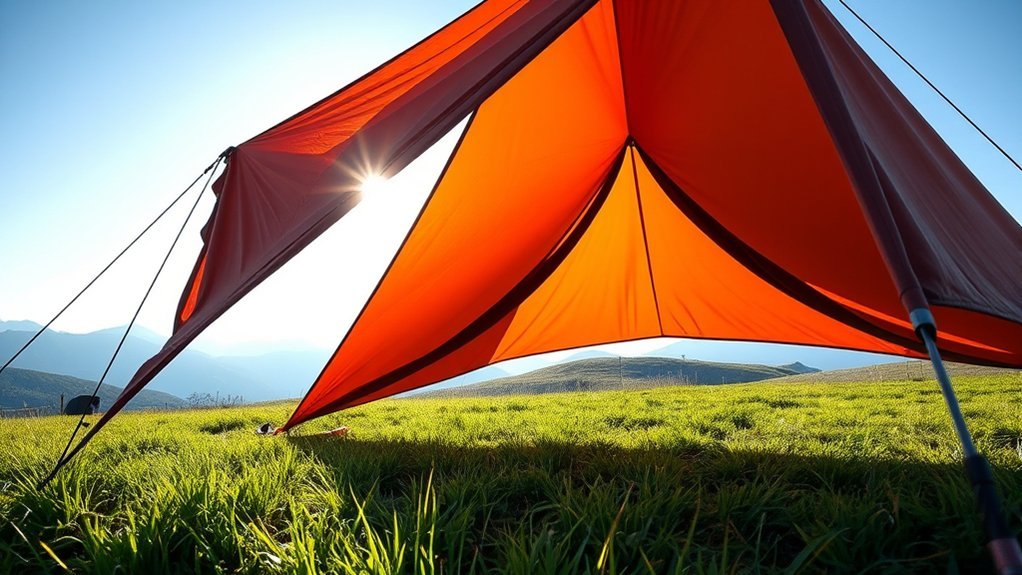
Semi-freestanding tents combine features from both freestanding and non-freestanding shelters. Their pole systems create much of the tent structure, but stakes are needed to fully tension the floor, vestibules, and corners.
This design allows manufacturers to reduce pole weight while maintaining a stable shelter. For backpackers carrying gear over long distances, even small weight reductions can improve comfort during multi-day trips.
Advantages of Semi-Freestanding Tents
The biggest advantage of a semi-freestanding tent is the balance between portability and livability. Compared with many traditional freestanding models, these tents can be lighter and pack smaller.
Other benefits include:
- Lower carried weight for backpacking trips.
- Efficient use of poles and lightweight materials.
- Good protection when properly staked and tensioned.
- A simpler setup than many fully non-freestanding shelters.
Pro Tip: Practice setting up your tent before a trip. Semi-freestanding designs perform best when stakes and guylines are placed correctly.
Comparing Semi-Freestanding and Freestanding Tents
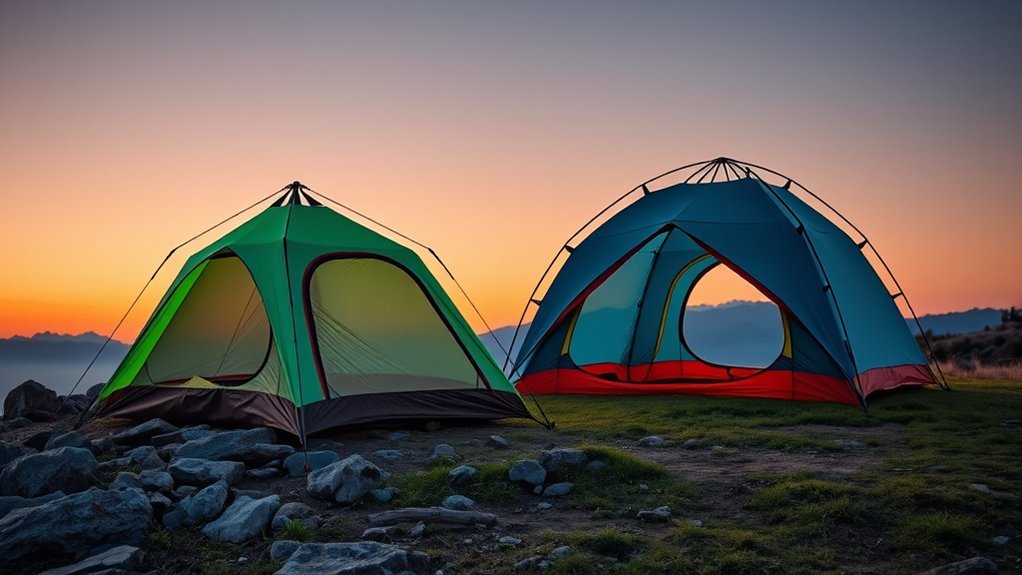
| Feature | Semi-Freestanding | Freestanding |
|---|---|---|
| Setup | Needs staking for full shape | Can stand without stakes |
| Weight | Usually lighter | Often heavier |
| Stability | Strong when properly anchored | Very stable in many conditions |
| Interior Space | May prioritize weight savings | Often provides more room |
Choose a semi-freestanding tent if carrying less weight matters most. A freestanding tent may be better if you frequently camp on hard ground, want easier setup, or prioritize maximum interior space.
When to Choose a Semi-Freestanding Tent
A semi-freestanding tent is a strong choice for backpackers who want a lightweight shelter without the learning curve of some ultralight designs.
Consider this style if you:
- Take multi-day backpacking trips.
- Want to reduce pack weight.
- Camp on terrain where staking is practical.
- Prefer a balance between comfort and efficiency.
Warning: Semi-freestanding tents may be less convenient on rocky terrain where securing stakes is difficult. Always consider your campsite conditions before choosing a shelter.
Setup Considerations for Semi-Freestanding Tents
Proper staking is essential for getting the best performance from a semi-freestanding tent. Choose level ground, remove sharp debris, and position the tent to reduce exposure to wind.
Correct tension also improves ventilation and can help reduce condensation. A well-adjusted rainfly and properly placed guylines make a noticeable difference during poor weather.
Popular Semi-Freestanding Tent Options
Popular examples include the REI Quarter Dome SL series, Big Agnes Fly Creek HV UL models, Big Agnes Tiger Wall models, and Nemo Hornet tents. These shelters are designed around different priorities, including minimum weight, interior room, and ease of use.
Frequently Asked Questions
Can semi-freestanding tents be used on rocky surfaces?
Yes, but setup can be more challenging. Use appropriate anchors or choose a campsite where you can create a secure pitch.
Are semi-freestanding tents suitable for winter camping?
Some models can work in winter conditions, but always select a tent designed for the expected weather, wind, and snow conditions.
What accessories improve a semi-freestanding tent?
A footprint can protect the floor, while quality stakes and guylines can improve stability and performance.
Conclusion
Semi-freestanding tents provide a practical balance between lightweight backpacking performance and everyday camping convenience. They are a strong option for hikers who want to carry less without moving to a completely minimalist shelter. By considering terrain, weather, space needs, and setup preferences, you can choose a tent that fits your adventures.
Sources
- REI Expert Advice: How to Choose a Tent — tent design and selection guidance.
- Big Agnes Official Site — manufacturer information for backpacking tents.
- NEMO Equipment Official Site — manufacturer tent specifications.
