
Last Updated on August 23, 2026 by Mason Reed
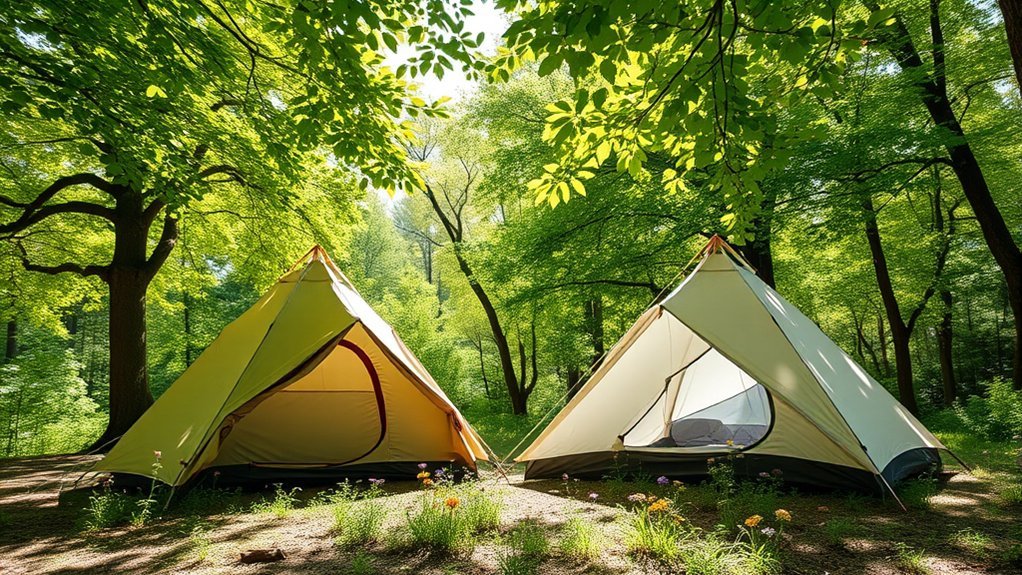
Choosing between a freestanding and non-freestanding tent depends on how you camp. Freestanding tents are easier to move, offer more interior space, and are convenient for many terrains. Non-freestanding tents are usually lighter and more compact, making them popular with backpackers. The best choice comes down to your priorities: comfort and flexibility or minimum weight.
Quick Answer
Freestanding tents are usually better for campers who want easier setup, more space, and flexible placement. Non-freestanding tents are better for backpackers who prioritize lower weight and smaller packed size. Neither style is automatically superior—the right option depends on your trip length, terrain, weather, and comfort needs.
Key Takeaways
- Freestanding tents provide easier setup and more livable interior space.
- Non-freestanding tents save weight and pack smaller for long-distance hikes.
- Tent quality, materials, and design matter as much as the tent style.
- Your camping style should determine which shelter works best.
At a Glance
| Best For | Freestanding: comfort-focused camping. Non-freestanding: lightweight backpacking. |
| Weight | Non-freestanding models are often lighter because they use fewer poles. |
| Setup | Freestanding tents are generally simpler to reposition. |
| Cost | Both types range from budget options to premium shelters. |
Disclosure: As an Amazon Associate I earn from qualifying purchases. Some links on this page are affiliate links, at no extra cost to you.
Overview of Tent Types
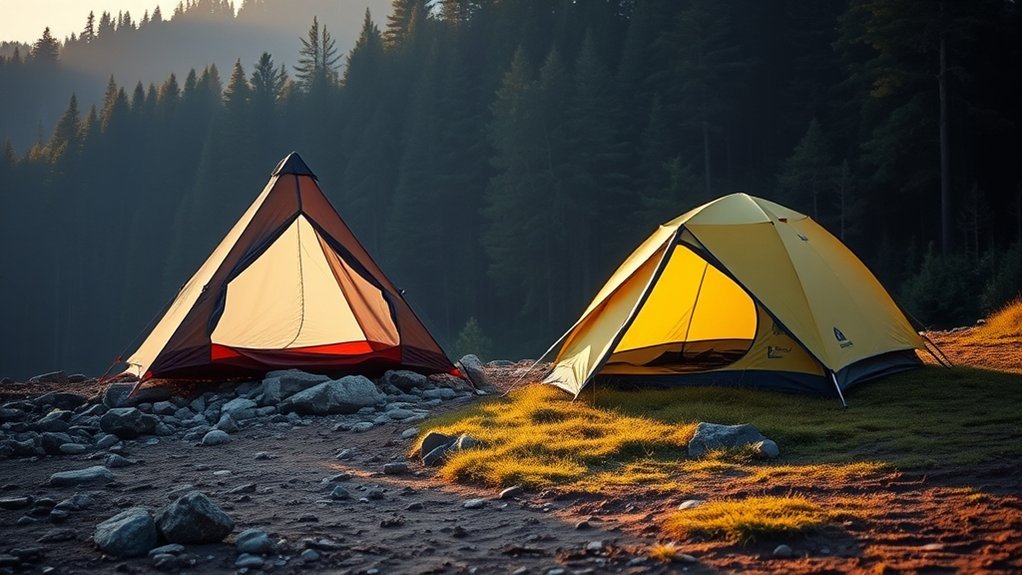
When selecting a tent, understanding the basic differences between designs helps you choose the right shelter. Freestanding tents use poles to create a structure that can stand before being fully staked. This makes them easier to move, clean, and adjust during setup.
Non-freestanding tents rely on stakes and tension from guylines to create their structure. They are often preferred by backpackers because they can reduce packed weight and bulk. Trekking pole tents are a common example because they use hiking poles instead of dedicated tent poles.
Semi-freestanding tents combine elements of both designs, offering some structure from poles while still requiring stakes for the best performance.
Performance Considerations
The best tent design depends on the conditions you expect to face. Consider these factors before buying:
- Weather protection: A well-designed tent with quality materials can handle difficult weather regardless of style. Proper pitching and strong anchoring are essential.
- Ventilation: Double-wall designs and good airflow reduce condensation during overnight use.
- Interior comfort: Freestanding tents often provide more vertical space and easier movement.
- Stability: Both styles can perform well when correctly set up for the environment.
Warning: A lightweight tent is not automatically less durable, and a heavier tent is not automatically stronger. Always check materials, pole construction, waterproof ratings, and reviews for the exact model.
Weight and Packability
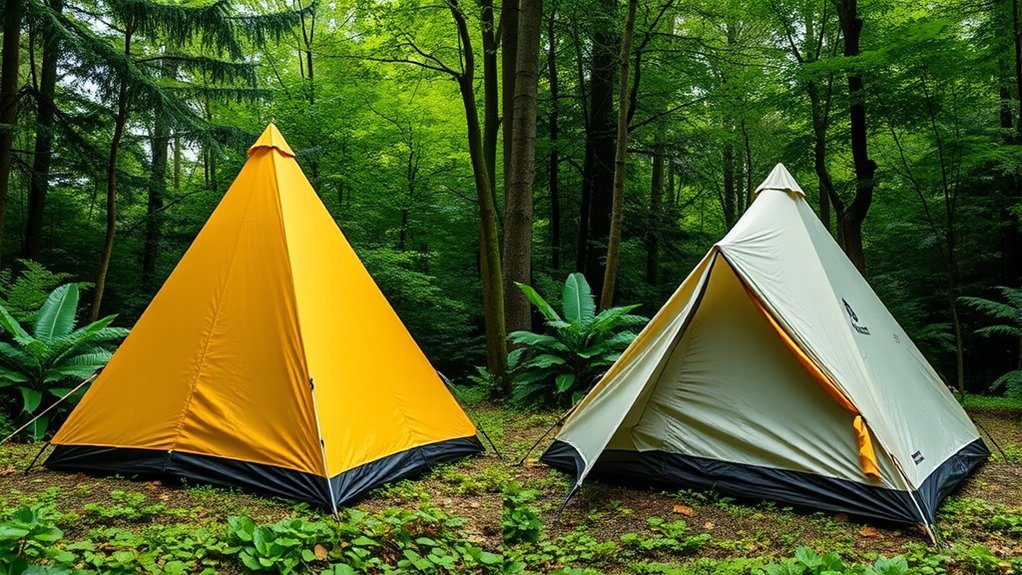
Weight becomes especially important when carrying your shelter for miles. Freestanding tents often include additional poles, which can increase weight and packed size. Non-freestanding tents can be lighter because they use fewer dedicated components.
For long-distance backpacking, reducing every ounce can improve comfort. For shorter trips or campground camping, the extra space and convenience of a freestanding tent may be worth the added weight.
Interior Space and Comfort
Comfort is one of the biggest differences between these tent styles.
- Freestanding tents: Usually provide more usable height, easier movement, and larger vestibules.
- Non-freestanding tents: Often use simpler shapes that reduce weight but may limit headroom.
- Group camping: Extra interior space can make longer trips more enjoyable.
If you spend more time inside your tent because of rain or cold weather, a roomier design can make a noticeable difference.
Choosing the Right Tent for Your Trip
Your camping style should guide your decision:
- Weekend backpacking: A lightweight non-freestanding tent may provide the best balance.
- Car camping: A freestanding tent usually offers more comfort and convenience.
- Family camping: Larger freestanding shelters are often easier for multiple people.
- Ultralight hiking: Trekking pole tents can reduce pack weight.
Pro Tip: Before buying a tent, practice setting it up at home. Learning the pole system, stakes, and guylines before a trip can prevent frustration outdoors.
Cost and Durability
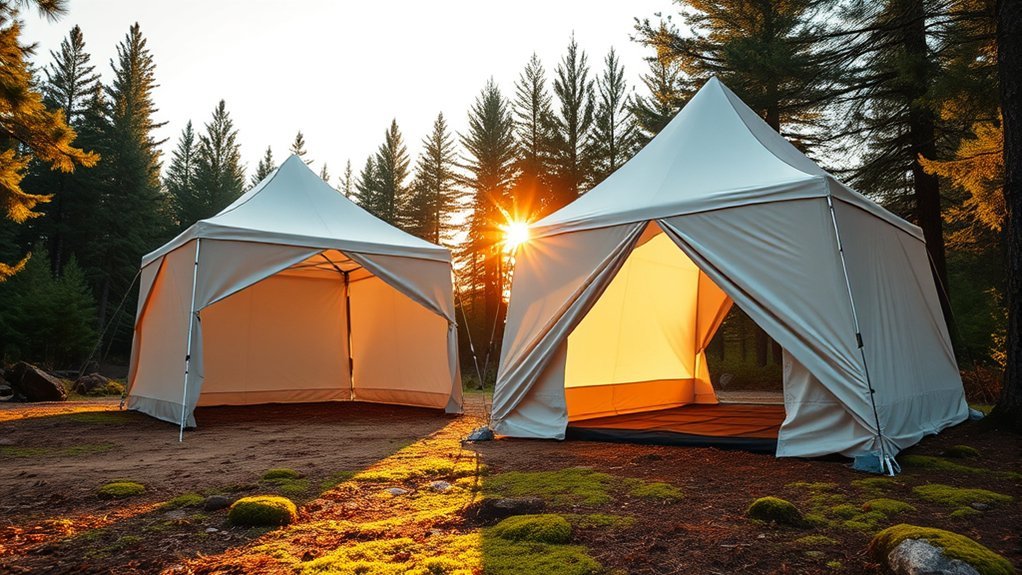
Non-freestanding tents are often attractive to budget-conscious backpackers because their simpler designs can reduce weight and cost. Freestanding tents may cost more because of additional poles, materials, and features.
Durability depends on construction quality rather than tent style alone. Look at fabric strength, waterproof coatings, seam quality, pole materials, and repair options before making a decision.
Frequently Asked Questions
Can freestanding tents be used without stakes?
Yes, many freestanding tents can stand without stakes, but staking them improves stability, wind resistance, and overall performance.
Are non-freestanding tents good for beginners?
They can be, but beginners should practice setup because correct staking and tensioning are more important with this style.
Which tent type is better for backpacking?
Many backpackers prefer non-freestanding tents because they reduce weight, but comfort preferences and weather conditions should also be considered.
Conclusion
Freestanding and non-freestanding tents each solve different camping needs. Freestanding tents are excellent when you value comfort, simple setup, and flexible placement. Non-freestanding tents are ideal when saving weight and pack space matters most. Choose based on your trip style, expected conditions, and the features that matter most to you.
Sources
- REI Co-op Tent Education — general tent setup and camping guidance.
- Big Agnes — manufacturer tent designs and specifications.
- NEMO Equipment — tent design and product information.
