

Last Updated on September 27, 2026 by Mason Reed
A camping tarp can keep your gear dry, provide a simple shelter, and protect the ground beneath your tent. The right choice depends on the weather, the space you need to cover, and how you plan to secure it.
For a general-purpose waterproof cover, start with the B-Air Grizzly 8′ x 10′ Tarp. Its polyethylene weave, reinforced edges, and built-in grommets suit routine campsite tasks. The other original listings are retained below for comparison, but they are not current buying recommendations.
We checked the linked models against product information, construction details, and current listing status rather than assuming every item in the original roundup remained suitable.
Camping Tarps Compared
| Product | Best for | Size | Material and protection | Original score |
|---|---|---|---|---|
|
Budget
|
General-purpose rain cover and ground protection | 8′ x 10′ | 5 mil woven polyethylene; waterproof | 88/100 |
| Large decorative canopy or shade fabric; not a rain tarp | 24′ diameter | Nylon; not water resistant | 86/100 | |
| Existing owners needing a reflective ground cover or emergency shelter panel | 5′ x 7′ | Reflective, reinforced all-weather laminate | 84/100 |
Camping Tarps: Our Top Picks
1. B-Air Grizzly 8′ x 10′ Tarp

Bottom line: The B-Air Grizzly 8′ x 10′ Tarp is the practical choice here for a waterproof campsite cover, temporary groundsheet, or gear shelter. Its light construction is useful for routine tasks, but it is not a thick abrasion-resistant tarp.
- Size: 8′ x 10′, suitable for a compact campsite cover.
- Material: 5 mil, 8 x 8 woven polyethylene, light for handling.
- Weather protection: Waterproof construction, useful for rain coverage.
- Tie-downs: Grommets approximately every 34 inches, for multiple anchor points.
The woven polyethylene and reinforced border piping provide a useful combination of coverage and easy handling. Use it above a sitting area, over stored gear, or beneath a tent when the dimensions fit your setup.
Its grommets help with basic rigging. Spread tension across several points, protect the material where it touches rough surfaces, and pitch it with enough slope for water to run off. The 5 mil material is better suited to temporary protection than repeated dragging across rock or concrete.
What to Know Before Use
The original article highlighted the tarp’s compact storage and versatile shape. Those remain useful features, but proper anchoring matters: sharp corners, uneven tension, and prolonged abrasion can damage a lightweight cover.
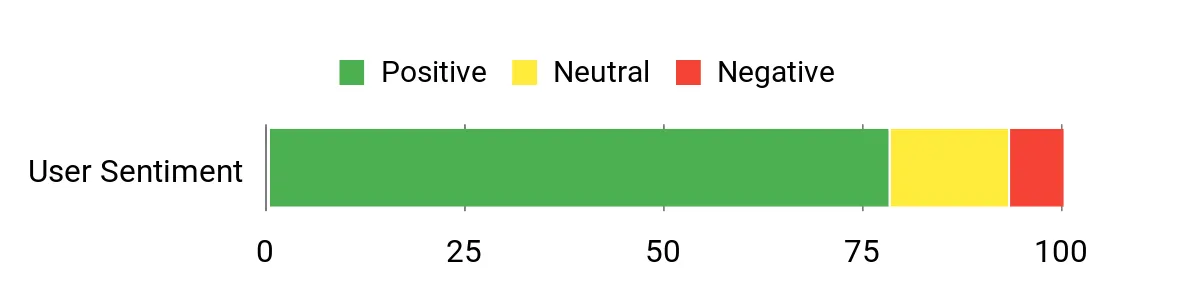
Pros and Cons
- Waterproof polyethylene offers useful rain coverage.
- Reinforced border piping supports the edges.
- Built-in grommets simplify basic tie-downs.
- Lightweight construction is easy to fold and store.
- 5 mil material is not intended for severe abrasion.
- Grommet spacing offers fewer adjustment points than a dedicated shelter tarp.
- Requires separate cord, stakes, or supports for shelter setups.
How It Helps
|
Situation |
How It Helps |
|---|---|
|
Camping groundsheet |
Creates a barrier between equipment and damp ground. Keep its edges beneath the tent floor so rain does not collect on it. |
|
Temporary shelter |
Forms a simple roof when secured to suitable supports and pitched to shed water. |
|
Vehicle or gear cover |
Provides temporary protection for bikes, stored gear, and other equipment. |
|
DIY repairs |
Can cover exposed materials until a permanent repair is completed. |
Versatility
This tarp can serve as a cover, groundsheet, or temporary roof. Its main advantage is that you can pack one simple item for several campsite jobs without relying on a specialized shelter.
Key Benefits
- Waterproof woven polyethylene for temporary outdoor protection.
- Reinforced border piping for stronger edges.
- Grommets approximately every 34 inches for tie-down options.
- Compact storage for car camping and emergency kits.
2. 24′ Surplus Military T-10 Reserve Parachute Canopy
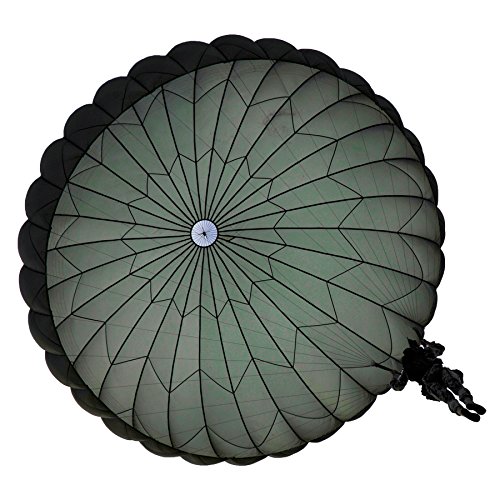
Bottom line: The T-10 is a large surplus nylon parachute canopy rather than a waterproof camping tarp. Its shape suits decorative draping and supported shade projects, but it cannot replace a rain shelter.
The canopy measures approximately 24 feet across. Its soft nylon fabric can cover a wide area when supported by a suitable frame or carefully planned suspension. The shroud lines have been removed, so it does not arrive as a ready-to-pitch camping canopy.
Because the fabric is not water resistant, rain can pass through it. A separate waterproof tarp is necessary if your goal is to keep people, bedding, or equipment dry.
Use Notes
The large fabric area is useful for creative projects and group activities. Any overhead setup needs suitable supports, secure anchors, and a plan for wind. Do not treat this surplus canopy as load-bearing equipment or use it for parachuting.
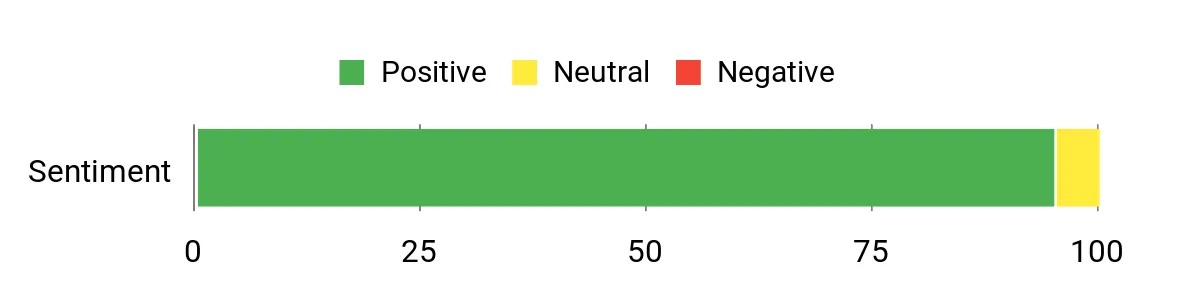
Pros and Cons
- Large canopy provides a broad fabric area.
- Nylon drapes easily over suitable supports.
- Useful for decorative projects and group activities.
- Not water resistant and unsuitable as a rain tarp.
- Removed shroud lines mean suspension must be planned separately.
- Large fabric area needs substantial support in outdoor setups.
How It Helps
|
Situation |
How It Helps |
|---|---|
|
Park or event shade |
Provides a broad fabric canopy when the support structure is suitable. |
|
Event decoration |
Drapes over frames or poles for a distinctive overhead display. |
|
Temporary vehicle shade |
Can form a sun screen if it is kept clear of sharp edges and secured safely. |
|
Group activities |
Offers a large fabric prop for supervised activities and creative projects. |
Versatility
The canopy has several creative uses, but its lack of waterproofing limits its role in a camping kit. It is not a substitute for a conventional weatherproof tarp.
Key Benefits
- Approximately 24-foot diameter.
- Soft nylon material for draping.
- Broad coverage for supported shade and decorative uses.
3. Grabber Original Space Brand All-Weather Blanket

Bottom line: This Grabber model is a reusable reflective all-weather blanket with reinforced edges and corner grommets. It can serve as an emergency ground cover or shelter panel, but it is not a replacement for a complete insulated sleeping system.
The blanket measures 5 by 7 feet and uses a four-layer reflective construction. Its edge binding and reinforced corners distinguish it from a thin disposable emergency foil sheet. The reflective face can help reduce radiant heat loss when used appropriately with other shelter and insulation.
For an emergency setup, keep the blanket secured, protect it from sharp objects, and use dry insulating layers beneath your body. A reflective surface alone does not provide the loft needed for comfortable sleeping in cold conditions.
Use Notes
This model can work as a compact ground cover, emergency shelter lining, or reflective signal surface. Its grommets provide anchor points, but the material still needs gentle handling around rough ground and high tension.
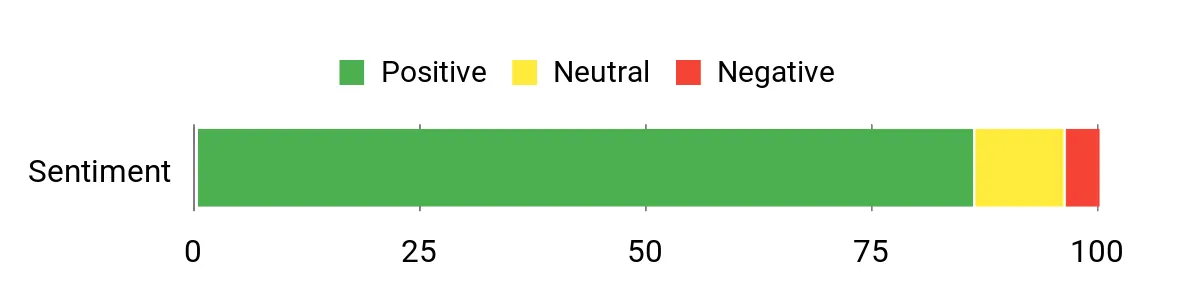
Pros and Cons
- Reflective laminate supports emergency shelter use.
- Waterproof and windproof construction.
- Bound edges and reinforced, grommeted corners.
- Reusable design serves as ground cover or shelter lining.
- Does not provide the loft of an insulated sleeping bag.
- Reflective material can be noisy when moved.
- Needs protection from punctures and sharp surfaces.
How It Helps
|
Situation |
How It Helps |
|---|---|
|
Emergency shelter |
Forms a reflective panel or lining when secured within a suitable shelter. |
|
Cold-weather backup |
Helps limit radiant heat loss when combined with dry clothing and insulation. |
|
Signaling |
The reflective surface can improve visibility in daylight. |
|
Ground cover |
Provides a moisture barrier beneath gear or a sleeping setup. |
Versatility
The blanket combines ground-cover, reflective, and emergency-shelter uses. It complements a conventional tarp and sleeping system rather than replacing either one for an extended trip.
Key Benefits
- 5′ x 7′ reusable all-weather construction.
- Reflective surface for emergency shelter use.
- Reinforced corners with grommets.
- Waterproof and windproof barrier.
Which Camping Tarp Should You Buy?
- Waterproof campsite cover: Get the B-Air Grizzly 8′ x 10′ Tarp.
- Ground protection: Choose a waterproof tarp sized to stay beneath your tent floor; the B-Air Grizzly 8′ x 10′ Tarp fits some smaller setups.
- Overhead rain shelter: Use a waterproof tarp with appropriate supports and enough slope to drain.
- Reflective emergency protection: Look for a currently available reusable thermal shelter panel with reinforced tie-down points.
- Group shade: Choose a purpose-built shade canopy with suitable anchors rather than assuming a surplus parachute is ready to pitch.
How We Chose
- Material and construction: We checked the weave, thickness, edge reinforcement, and tie-down design against available product specifications.
- Weather protection: We separated waterproof covers from fabric designed mainly for shade or reflective use.
- Useful coverage: We considered the stated dimensions and whether each shape suits common campsite jobs.
- Practical setup: We looked at grommets, anchoring needs, and limitations that matter during use.
- Listing and safety checks: We checked the linked product identities and current listing status. We did not conduct hands-on tests or treat the original article’s scores as test measurements.
How to Choose a Camping Tarp
Material and Weather Protection
Polyethylene is a common choice for waterproof covers and groundsheets. Lightweight nylon can pack well, but it needs suitable waterproof construction or coating to serve as a reliable rain roof. Do not assume that every large outdoor fabric panel blocks water. The B-Air Grizzly 8′ x 10′ Tarp is the waterproof option among the original linked products.
Thickness and Abrasion
A mil rating describes material thickness, not the complete strength of a tarp. Weave, reinforcement, and the way you use it also matter. A lighter cover is easier to pack, while thicker material may suit repeated rough handling. Protect any tarp from sharp ground and dragging.
Coverage and Shape
Choose the dimensions for the job rather than buying by size alone. A tent groundsheet should fit beneath the floor without edges exposed to rain. An overhead shelter needs extra area for slope and side coverage. A large circular canopy may look spacious but does not offer the same straightforward pitch as a rectangular tarp.
Grommets and Anchoring
Multiple tie-down points make it easier to spread tension and adjust a shelter. Use appropriate cord and anchors, avoid pulling one corner excessively tight, and keep the roof sloped to shed water. In strong wind, reduce the exposed area or take the shelter down.
Emergency Warmth
A reflective blanket can help reduce radiant heat loss, but it cannot replace a suitable sleeping bag, dry clothing, or insulation from the ground. Choose a waterproof and windproof shelter first, then add insulation appropriate to the conditions. Keep emergency equipment accessible rather than buried at the bottom of your pack.
Mistakes to Avoid When Buying Camping Tarps
- Buying shade fabric for rain: Check that the material is actually waterproof.
- Ignoring finished dimensions: Measure the usable coverage your setup needs.
- Over-tightening one grommet: Spread tension across several anchor points.
- Using a thin cover on sharp ground: Clear the surface or add protection.
- Expecting a reflective blanket to replace insulation: Pair it with an appropriate sleep system.
FAQs
How Do I Choose the Right Tarp?
Start with the job you need it to do: rain shelter, tent groundsheet, or gear cover. Then compare waterproofing, finished dimensions, material thickness, reinforced edges, and tie-down points. For ordinary campsite protection, the B-Air Grizzly 8′ x 10′ Tarp offers a simple waterproof option. Choose a different design if you need a specialized lightweight shelter.
How Do I Rig and Protect a Tarp?
Use suitable trees, poles, or other secure supports, then spread tension across multiple tie-down points. Give the roof enough slope to shed rain away from your sleeping area. Protect the material where it touches rough surfaces, and avoid pulling grommets at sharp angles. Dry the tarp before long-term storage.
Can a Tarp Replace a Tent for Camping?
Yes, a properly pitched waterproof tarp can provide an overhead shelter, but it offers less privacy and no built-in insect protection. You may need a bug net, ground protection, and a suitable sleeping system. Practice the setup before relying on it, especially when rain or wind is possible.
What Size Camping Tarp Do I Need?
Match the size to the area you need to protect and allow extra material for the pitch. For a groundsheet, keep the edges beneath the tent floor so rain cannot collect on top. For a roof, account for slope and side coverage. Check the finished dimensions because nominal sizes may differ from usable measurements.
Is a Parachute Canopy Waterproof?
Not necessarily. The surplus T-10 canopy in this article is nylon shade fabric, not a waterproof camping tarp. Its large area and soft drape suit different projects, but those features do not make it reliable rain protection. For a wet-weather shelter, choose material specifically described as waterproof and pitch it to drain.
Can a Reflective Blanket Keep Me Warm Overnight?
A reflective blanket can help reduce radiant heat loss, but it does not provide the loft or ground insulation of a complete sleeping system. Use dry clothing, a suitable sleeping bag, and an insulating pad for expected conditions. Keep a reflective blanket as an emergency supplement rather than your only protection on a cold trip.
Customer Preferences
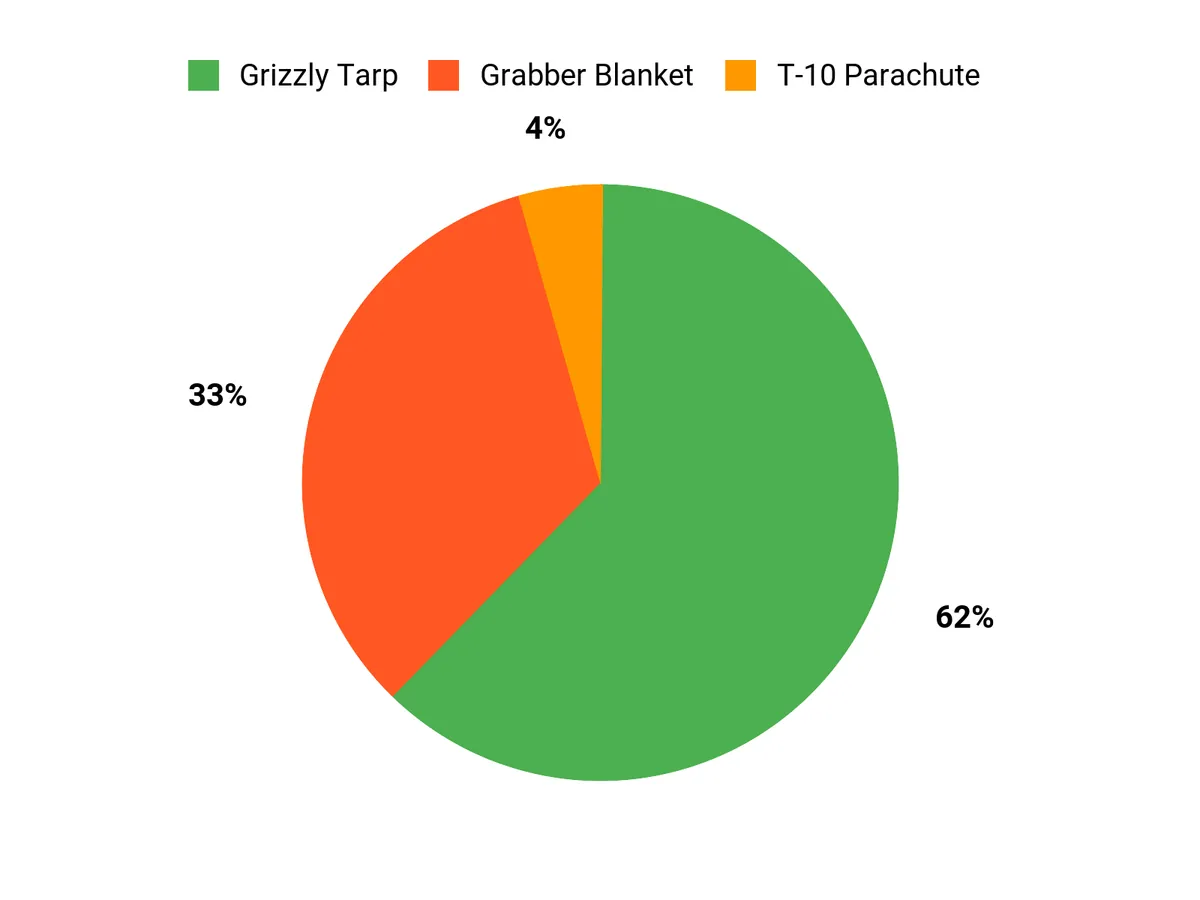
These products serve different purposes, so compare them by the protection you actually need. The B-Air tarp provides conventional waterproof coverage. A parachute canopy is a different kind of fabric shelter, while a reflective all-weather blanket is an emergency accessory. Check the current listing and exact model before purchasing any item.
Final Verdict
For a general-purpose camping tarp, the B-Air Grizzly 8′ x 10′ Tarp is the current recommendation from the original selection. Its waterproof polyethylene, reinforced border, and grommets cover common car-camping needs without the complications of a specialized shelter.
For specialized shade or reflective emergency protection, compare currently available purpose-built alternatives instead of relying on the other original listings.
| Grizzly Tarps by B-Air 8′ x 10′ | 24′ Surplus Military Parachute T-10 | Grabber Outdoors Original Space Blanket | |
|---|---|---|---|
|
|
|
|
|
| Rating | 4.5/5 (31,417 reviews) | 5.0/5 (4 reviews) | 4.6/5 (784 reviews) |
| Material | Polyethylene (PE) | Nylon | Plastic |
| Water Resistance Level | Waterproof | Not Water Resistant | N/A |
| Dimensions | 120″L x 96″W | 24′ Diameter | 6″L x 5″W |
| Shop Now | Shop Now | Shop Now |
