

Last Updated on August 26, 2026 by Mason Reed
A double-wall tent uses two separate layers: an inner tent body and an outer waterproof rainfly. The design is popular because it separates sleepers from much of the moisture that forms on the fly, provides flexible ventilation, and offers dependable rain protection. Double-wall tents are available in ultralight backpacking, general camping, and four-season designs, so weight, warmth, and weather strength depend on the specific model rather than the number of walls alone.
Quick Answer
A double-wall tent has a separate inner body and outer rainfly. The gap between them improves airflow and keeps campers separated from much of the condensation that forms on the fly. It does not automatically mean the tent is freestanding or winter-ready; season rating, pole structure, fabrics, and setup determine overall performance.
Key Takeaways
- A double-wall tent separates the breathable inner body from the waterproof rainfly.
- The design helps manage condensation, but no tent can completely prevent condensation in every condition.
- Double-wall tents can be freestanding, semi-freestanding, or non-freestanding.
- For winter or severe weather, check the tent’s season rating and structure rather than assuming two walls make it winter-ready.
- Compare actual weight, ventilation, rainfly coverage, vestibule space, setup style, and materials when choosing a tent.
Disclosure: As an Amazon Associate I earn from qualifying purchases. Some links on this page are affiliate links, at no extra cost to you.
What Is a Double-Wall Tent?

A double-wall tent has a main tent body, sometimes called the canopy or inner tent, plus a separate rainfly. The inner body often combines breathable fabric and mesh, while the floor is made from waterproof or coated material. The rainfly forms the main weather-resistant outer layer.
The air gap between these layers is important. Moist air from breathing, damp clothing, and humid conditions can pass through mesh or breathable canopy areas and condense on the cooler underside of the rainfly instead of directly against the sleeper. This is why double-wall tents are especially useful where condensation is likely. REI’s tent-condensation guidance explains that ventilation and keeping wet gear outside are among the main ways to reduce moisture buildup.
Note: “Double-wall” describes the fabric-layer arrangement, not the pole structure. A double-wall tent may be freestanding, semi-freestanding, or non-freestanding.
Main Parts of a Double-Wall Tent
- Inner tent or canopy: Creates the sleeping area and commonly uses mesh or breathable fabric for airflow and insect protection.
- Floor: Usually uses coated waterproof fabric and often rises several inches up the sides in a bathtub-style design.
- Rainfly: Covers some or all of the inner tent and provides the primary barrier against rain.
- Poles or trekking-pole supports: Create the shelter’s structure. Their design determines whether the tent is freestanding.
- Stakes and guylines: Secure the tent and rainfly and help maintain space between the two walls.
- Vestibules: Rainfly extensions that provide sheltered gear storage when the model includes them.
Advantages of Double-Wall Tents
The biggest advantages of double-wall tents come from separating the sleeping area from the weather-resistant outer layer. That arrangement can improve ventilation, moisture management, and flexibility compared with many single-wall shelters.
| Feature | Advantage |
|---|---|
| Condensation separation | Keeps campers away from much of the moisture that collects on the rainfly |
| Ventilation | Mesh panels and rainfly vents can promote airflow |
| Modular design | Some tents allow the fly to be removed in fair weather for more airflow and views |
| Weather coverage | A properly pitched rainfly shields the inner tent from rain and reduces direct wind exposure |
| Vestibules when equipped | Provide covered storage for footwear and gear without filling the sleeping area |
The ability to separate the rainfly from the inner body is especially useful in warm weather. On a dry night, many models can be used without the fly, allowing extensive mesh ventilation while still keeping insects outside. When rain is expected, the fly can provide full weather protection according to the tent’s design.
Double-wall construction also means that accidentally brushing against a condensation-covered rainfly is less likely because the inner body keeps sleepers and sleeping bags separated from it.
Disadvantages of Double-Wall Tents
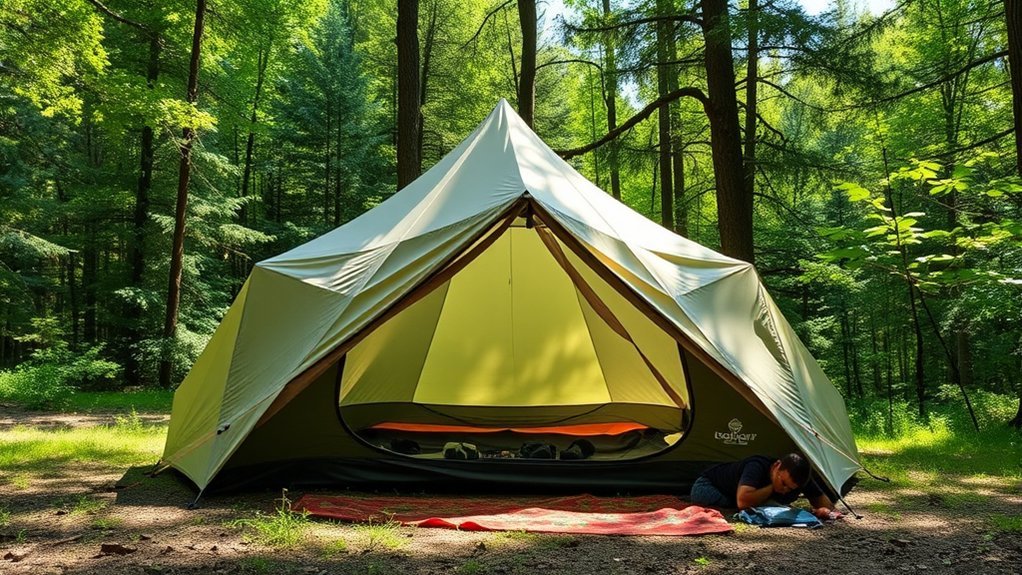
Double-wall tents also have trade-offs. Because they use a separate inner body and rainfly, they can contain more fabric and components than a minimalist single-wall shelter. That may increase weight, packed volume, or setup complexity, but there is no universal weight or price difference that applies to every tent.
Modern designs vary widely. Some double-wall backpacking tents are built specifically for ultralight travel, while large camping or expedition models can be much heavier. Likewise, specialized single-wall shelters can use expensive waterproof-breathable materials and may cost more than conventional double-wall models.
Setup can involve an additional step because the body and fly are separate. In rain, some conventional designs can expose the inner tent while the rainfly is being installed. However, certain tents support fly-first or external-pole pitching, so wet-weather performance depends on the individual design.
- Potentially more components: A separate body and fly mean more pieces to organize and dry.
- Possible weight or bulk penalty: This depends on the specific tents being compared.
- More fabric to dry: The underside of the rainfly frequently becomes damp from condensation even when it does not rain.
- Rainfly management: A loose or sagging fly can flap in wind and may touch the inner tent, reducing ventilation.
- Wet-weather pitching varies: Not every double-wall tent can be pitched fly-first.
Best Environments for Double-Wall Tents
Double-wall tents are especially useful in humid, rainy, and changeable conditions because their separate inner and outer layers help manage moisture. The design is also popular for general three-season backpacking and campground use.
In mild, dry weather, models with mesh-heavy inner tents may be used without the rainfly when the manufacturer allows it. This provides excellent airflow and insect protection. If weather changes, the rainfly can be added.
Cold-weather suitability requires more care. A double-wall design does not automatically make a tent a winter tent. According to REI’s backpacking-tent selection guidance, three-season tents are intended mainly for spring, summer, and fall, while four-season mountaineering tents use stronger structures and greater fabric coverage for severe wind and snow.
Three-Season vs. Four-Season Double-Wall Tents
| Type | Best Use | Typical Design Priorities |
|---|---|---|
| 3-season | Spring, summer, and fall | Ventilation, insect protection, rain protection, lower weight |
| Extended-season / 3+ | Shoulder seasons and occasional light snow | More fabric coverage and somewhat stronger structure |
| 4-season | Winter, exposed alpine terrain, stronger wind and snow loads | Stronger poles, greater canopy coverage, more robust structure |
Warning: A tent is not a safe lightning shelter. If thunder is approaching, move to a substantial enclosed building or an enclosed hard-topped vehicle when one is available. Also keep fueled appliances and open flames out of tents and away from tent fabric. Follow your tent manufacturer’s safety instructions.
Tips for Using a Double-Wall Tent
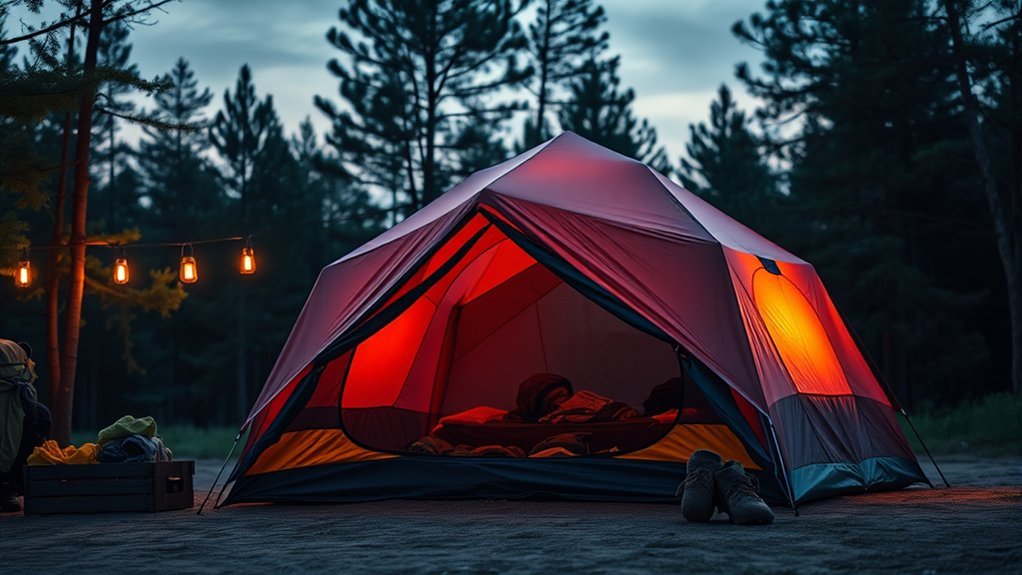
Correct pitching and ventilation have a major effect on how well a double-wall tent performs. A taut fly, open vents, appropriate site selection, and enough separation between the fly and inner body can all help with moisture control and weather protection.
Proper Ventilation Techniques
Condensation forms when warm, moist air reaches a cooler surface. Double-wall construction helps manage where that moisture collects, but it cannot eliminate condensation in every environment. MSR’s tent guidance notes that some condensation may be unavoidable, especially in highly humid conditions.
- Open usable vents: Use rainfly vents and inner mesh openings when weather permits.
- Create cross-ventilation: When conditions allow, open opposing vents or doors enough to encourage airflow.
- Keep the rainfly taut: Proper tension maintains the air gap between the rainfly and inner body.
- Use guylines: Guying out the fly can improve both stability and airflow.
- Keep wet gear outside the sleeping area: Store damp boots or rain gear in a vestibule when practical.
- Choose a relatively dry campsite: Avoid depressions where cold, damp air and runoff can collect.
Note: A wet rainfly in the morning does not necessarily mean the tent leaked. Moisture commonly condenses on the cool underside of the fly.
Efficient Setup Tips
Practice pitching your tent before a trip and follow the instructions for your exact model. Double-wall tents do not all use the same setup sequence.
| Step | Action | Purpose |
|---|---|---|
| Choose the site | Use level, well-drained ground and remove sharp debris | Protect the floor and reduce pooling |
| Follow the correct pitch order | Use the manufacturer’s body-first or supported fly-first method | Prevent setup mistakes and improve weather protection |
| Stake securely | Use appropriate stakes for the ground | Keep the shelter positioned in wind |
| Attach the rainfly | Center and tension it evenly | Maintain fly-to-body separation and water runoff |
| Use guylines | Guy out the recommended points | Improve stability and rainfly clearance |
| Open vents | Ventilate as weather permits | Reduce moisture buildup |
REI’s tent setup guidance also recommends keeping the rainfly taut and rechecking its tension after it gets wet because some fly fabrics can stretch when damp.
Pro Tip: Before your first trip, practice a complete pitch at home, including the rainfly, vestibules, stakes, and guylines. If your tent offers a fly-first wet-weather pitch, practice that sequence too rather than learning it during a storm.
Comparing Single-Wall and Double-Wall Tents
Single-wall and double-wall tents solve the same basic problem in different ways. A single-wall shelter combines weather protection and the living-space wall into one main layer. A double-wall tent separates the breathable inner body from the rainfly.
- Condensation Management: Double-wall tents generally provide better separation between sleepers and condensation because moisture can collect on the rainfly instead of directly beside the sleeping area. Condensation can still occur in either design.
- Weight Considerations: Many single-wall shelters reduce components and can be very light, but wall type alone does not determine weight. Compare the actual minimum trail weight or packaged weight of the models you are considering.
- Setup: Some single-wall shelters pitch quickly because there is only one primary fabric layer. Double-wall tents may involve a separate fly installation, although modern designs vary widely.
- Ventilation: Double-wall tents commonly use mesh inner panels plus fly vents, while single-wall tents rely on vents, doors, and waterproof-breathable fabrics according to their design.
- Storage: Many double-wall models include vestibules, but vestibule size and number of doors are model-specific rather than guaranteed features.
| Consideration | Double-Wall Tent | Single-Wall Tent |
|---|---|---|
| Construction | Separate inner body and rainfly | Weather barrier and main wall largely combined |
| Condensation contact | Usually better separation from a wet outer fly | Condensation may form directly on the interior-facing wall |
| Weight | Varies from ultralight to heavy | Often chosen for weight savings, but not always lighter |
| Setup | May require separate body and fly steps | Can have fewer fabric components |
| Ventilation | Often strong because of mesh and the fly/body air gap | Depends heavily on vents and fabric technology |
| Best choice | General-purpose camping and humid/changeable conditions | Useful where low weight, fast pitching, or specialized conditions are priorities |
Are Double-Wall Tents Warmer?
A double wall can make a shelter feel less exposed to drafts and keeps you separated from the cold outer fly, but it should not be treated as insulation in the same way as a sleeping bag or sleeping pad. The tent’s season rating, amount of mesh, fly coverage, pole structure, wind resistance, and ventilation have a larger effect on cold-weather suitability.
Your sleeping bag or quilt and insulated sleeping pad remain the main parts of your sleep system responsible for keeping you warm.
Are Double-Wall Tents Always Freestanding?
No. Wall construction and support structure are separate design choices.
- Freestanding tents can hold their basic shape with poles before staking, though staking and guying are still important for weather resistance.
- Semi-freestanding tents hold most of their shape with poles but require stakes to fully tension part of the shelter.
- Non-freestanding tents depend on stakes, guylines, trekking poles, or other supports for their structure.
A tent can use any of these structures while still having a separate inner body and rainfly.
How to Choose a Double-Wall Tent
Instead of choosing based on wall construction alone, compare the specifications that affect your actual trip.
- Season rating: Match the shelter to the wind, rain, temperature, and snow you realistically expect.
- Capacity: Check both the listed sleeping capacity and actual floor dimensions if you want extra room.
- Minimum trail weight: Commonly refers to the tent body, rainfly, and poles. Check the manufacturer’s definition because included components can vary.
- Packaged weight: Includes more of the supplied components and gives another useful comparison point.
- Packed size: Important when backpack space is limited.
- Ventilation: Look for mesh panels, adjustable fly vents, and ways to maintain an air gap between the walls.
- Rainfly coverage: Full-coverage flies generally provide more protection than small roof-style flies in sustained rain.
- Doors and vestibules: Two-door designs can be convenient for two campers, while vestibules keep wet or dirty equipment outside the sleeping area.
- Support structure: Decide whether freestanding convenience or the lower potential weight of a trekking-pole/non-freestanding design matters more.
- Materials: Nylon and polyester are common, with polyurethane coatings, silicone treatments, or other waterproof constructions depending on the model.
The best double-wall tent is not automatically the lightest or strongest one—it is the tent whose season rating, weight, space, ventilation, and setup match the conditions you actually camp in.
Who Should Choose a Double-Wall Tent?
A double-wall tent is a strong general-purpose choice for beginners and experienced campers who value ventilation, rain protection, and separation from condensation. It is especially attractive for trips where humidity or changing weather is likely.
| Feature | Benefit | Ideal For |
|---|---|---|
| Separate rainfly | Keeps much of the condensation away from sleepers | Humid and variable conditions |
| Mesh and ventilation options | Promote airflow | Three-season camping |
| Modular configuration | May allow fly-on or fly-off use as conditions change | Campers facing varied weather |
| Vestibules when included | Provide sheltered gear storage | Campers carrying boots and equipment |
A single-wall shelter may make more sense when specialized low-weight, rapid-pitching, or alpine requirements outweigh the benefits of having a separate inner tent. For most recreational campers, however, a well-designed double-wall tent offers a practical balance of ventilation, weather protection, and comfort.
How to Care for a Double-Wall Tent
Proper care can extend the useful life of both the inner body and rainfly. There is no reliable fixed lifespan such as “five to ten years” because longevity depends on materials, ultraviolet exposure, weather, frequency of use, abrasion, storage, and maintenance.
- Dry it before long-term storage: Never leave a wet tent packed away for extended periods. Moisture can promote mildew and contribute to waterproof-coating deterioration.
- Clean gently: Follow the manufacturer’s instructions and avoid harsh household cleaners unless specifically approved.
- Protect it from prolonged UV exposure: Sunlight gradually degrades tent fabrics.
- Inspect seams and coatings: Repair damaged seam sealing or waterproof coatings using products compatible with the tent’s fabric.
- Store it loosely: For long-term storage, keep the completely dry tent in a cool, dry location rather than tightly compressed.
REI’s tent-care guidance emphasizes complete drying before storage and notes that moisture and UV exposure can shorten a tent’s useful life.
Frequently Asked Questions
How Much Do Double-Wall Tents Typically Weigh?
There is no useful universal weight range. Ultralight backpacking models can weigh far less than large campground or expedition tents. When comparing models, check the manufacturer’s minimum trail weight and packaged weight rather than assuming a fixed weight based on double-wall construction.
Can Double-Wall Tents Be Used in Winter Camping?
Yes, if the particular tent is designed for the expected winter conditions. A four-season double-wall tent may be built for snow and strong winds, while a mesh-heavy three-season double-wall tent usually is not intended for sustained severe winter weather. Always check the manufacturer’s season rating and limitations.
Are Double-Wall Tents Difficult to Pack?
Usually not. They simply have separate inner and outer components to organize. Make sure the body and rainfly are as dry as practical before packing, and dry them thoroughly after the trip if you had to pack the tent wet.
What Materials Are Commonly Used in Double-Wall Tents?
Nylon and polyester are common tent fabrics, while mesh is frequently used in the inner canopy. Rainflies and floors may use polyurethane coatings, silicone treatments, or other waterproof constructions. Poles commonly use lightweight aluminum, though materials vary by model.
How Long Do Double-Wall Tents Usually Last?
There is no fixed lifespan. A quality tent that is dried, cleaned, stored correctly, and protected from unnecessary UV exposure can provide years of service. Frequent use, abrasion, prolonged sunlight, damp storage, and failing waterproof coatings can shorten its life.
Do Double-Wall Tents Prevent Condensation?
No tent completely prevents condensation. A double-wall design helps separate sleepers from moisture that collects on the rainfly and usually provides good ventilation options. Humidity, campsite conditions, wet gear, temperature, and airflow still affect how much condensation forms.
Are All Double-Wall Tents Freestanding?
No. Double-wall tents can be freestanding, semi-freestanding, or non-freestanding. “Double-wall” describes the separate inner tent and rainfly, while “freestanding” describes how the structure supports itself.
Do You Always Need the Rainfly on a Double-Wall Tent?
Not necessarily. Many double-wall tents can be used without the rainfly in dry, mild conditions, which can improve airflow and provide a clearer view through a mesh canopy. Install the fly whenever rain, dew, cold wind, or changing weather makes additional protection necessary, and follow the manufacturer’s instructions.
Is a Double-Wall Tent Warmer Than a Single-Wall Tent?
Not automatically. A separate fly can reduce direct drafts and keep sleepers away from the cold outer surface, but warmth depends heavily on the tent’s season-specific design. Your sleeping bag or quilt and insulated sleeping pad provide most of the insulation needed overnight.
Conclusion
A double-wall tent is a versatile shelter built around a simple idea: keep the breathable sleeping area separate from the weather-resistant outer fly. That separation usually makes condensation easier to manage and gives campers flexible ventilation and rain protection.
However, double-wall does not automatically mean freestanding, warmer, heavier, or suitable for winter. Choose a tent by looking at its season rating, actual weight, structure, ventilation, rainfly coverage, interior space, and setup method. Pitch it correctly, keep the fly ventilated and taut, and dry the tent completely before long-term storage.
Sources
- REI Co-op — Backpacking Tents: How to Choose — season ratings, tent weight terminology, ventilation, materials, freestanding construction, and double-wall designs.
- REI Co-op — How to Prevent Condensation in a Tent — condensation causes, campsite selection, ventilation, and moisture management.
- REI Co-op — How to Set Up/Pitch a Tent — campsite selection, rainfly tension, staking, and setup practices.
- REI Co-op — Tent Care Basics — drying, cleaning, storage, UV exposure, seams, and waterproof coatings.
- MSR — Tents and Shelters Owner’s Manual — double-wall condensation management, ventilation, drying, and flame safety.
- U.S. National Park Service — Lightning Safety — why tents do not provide protection from lightning and where to seek safer shelter.
